
 Tatiana Tantri Indah Sari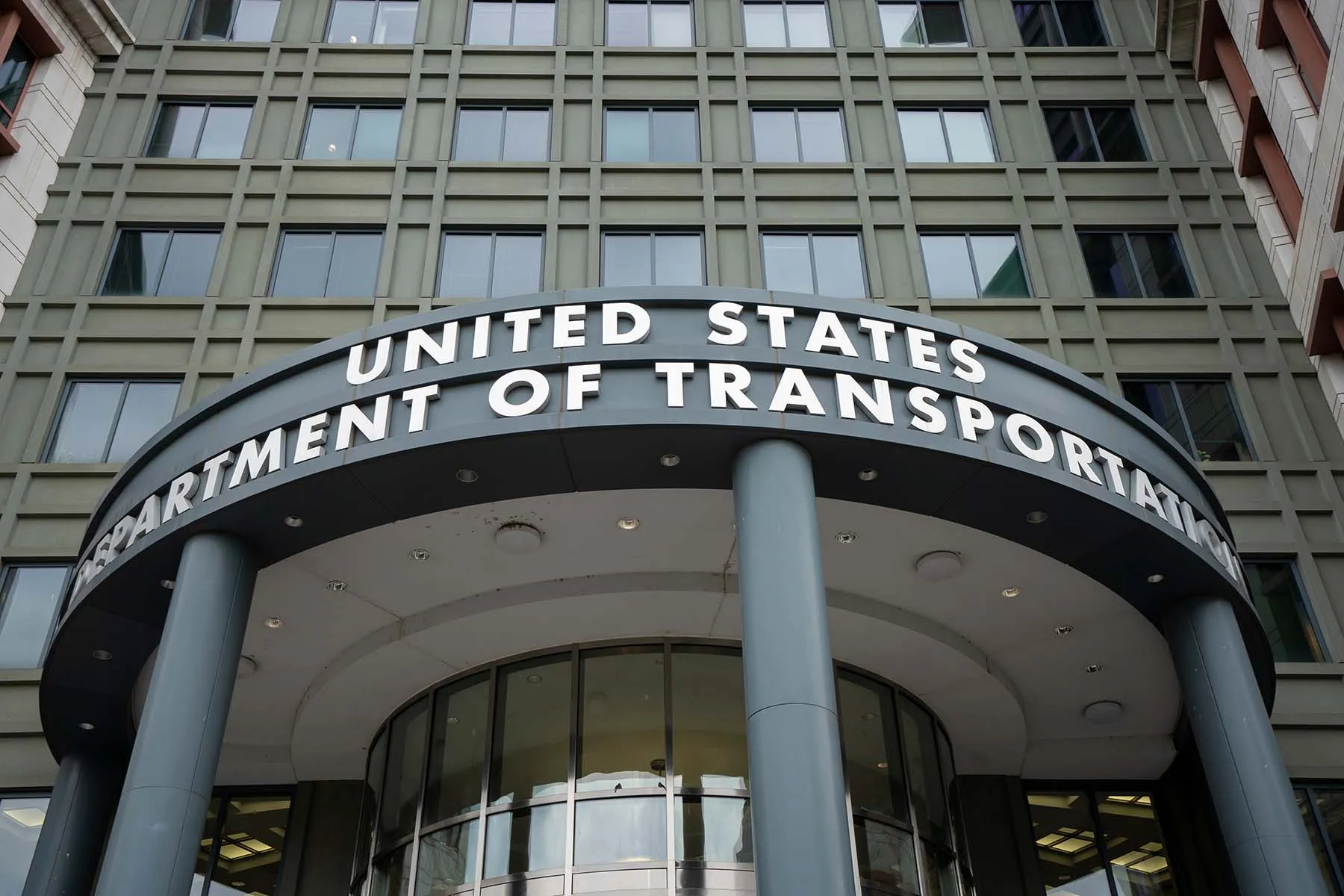
The Department of Transportation (DOT) has put forth a new rule that seeks to eliminate existing requirements dictating how airlines advertise their airfares, potentially reshaping the landscape of ticket pricing for millions of consumers. This significant proposal, unveiled on Tuesday, specifically targets and aims to undo a pivotal 2011 regulation enacted during the Obama administration. That earlier rule mandated that airlines prominently display the total fare, encompassing all taxes and fees, with greater emphasis than the individual component breakdowns when advertising. Furthermore, the DOT’s new proposal also includes the removal of a related regulation that required the advertised total fare to be presented in a larger font size compared to the separate components of the airfare.
The DOT asserts that these prospective alterations are designed to "ensure greater flexibility in how airfare is displayed while ensuring information is presented clearly to consumers," as stated in the proposed rule document. This move signals a potential shift in regulatory philosophy, balancing consumer protection with the industry’s desire for reduced compliance burdens and increased marketing autonomy. However, the proposal immediately raises questions regarding its ultimate impact on consumer clarity, pricing transparency, and the competitive dynamics within the airline industry.
The Genesis of Airfare Transparency: The 2011 Full-Fare Advertising Rule
To fully comprehend the ramifications of the DOT’s latest proposal, it is crucial to understand the regulatory environment that preceded the 2011 Full-Fare Advertising Rule, often referred to simply as the Airfare Rule. Before its implementation, the airline industry frequently employed a practice known as "drip pricing" or "bait-and-switch" advertising. This involved airlines promoting a seemingly low base fare, only for consumers to discover a cascade of mandatory taxes, government fees, and sometimes even airline-imposed surcharges added incrementally during the booking process. The final price could often be significantly higher than the initially advertised amount, leading to widespread consumer frustration and a perception of deception.
Consumer advocacy groups, such as the National Consumers League and Consumers Union (now Consumer Reports), had long championed stricter advertising standards for airlines. Their efforts, coupled with a growing chorus of consumer complaints submitted to the DOT regarding misleading airfare advertisements, highlighted a systemic issue. These complaints frequently detailed scenarios where travelers spent considerable time comparing flights based on attractive initial prices, only to be confronted with a much higher total at the final payment stage, undermining trust and making genuine price comparison difficult.
In response to these concerns, the Obama administration’s DOT initiated a rulemaking process aimed at enhancing consumer protection and transparency in air travel. This culminated in the issuance of the Enhanced Airline Consumer Protections rule in April 2011, which included the full-fare advertising requirement. The rule was specifically designed to ensure that the first price a consumer saw for an airfare was the total price they would pay, inclusive of all mandatory government taxes and fees. This eliminated the ability of airlines to hide significant portions of the fare until later stages of the booking process, thereby empowering consumers with accurate information from the outset and fostering fairer competition among carriers. The requirement for the total fare to be in a larger font size than its components further reinforced this emphasis on clarity and immediate understanding for the consumer.
The DOT’s Rationale and the Industry’s Push for Flexibility
The current DOT’s justification for repealing these established rules centers on the concept of "greater flexibility." Proponents of the repeal, often including airline industry trade groups like Airlines for America (A4A), argue that the 2011 regulations are overly prescriptive and hinder innovation in how airfare information can be presented to consumers, particularly in the digital age. They contend that the internet and mobile applications offer diverse ways to display pricing information effectively, and that a rigid requirement for total fare prominence might not always be the most consumer-friendly or efficient approach.
Airlines have historically argued that the inclusion of government taxes and fees in the advertised base fare can make tickets appear more expensive than they actually are, potentially deterring price-sensitive consumers. They often advocate for the ability to itemize these components more distinctly, allowing consumers to see the "pure" cost of the air travel separate from government-imposed charges. The argument is that this breakdown could, paradoxically, offer more transparency by differentiating between what the airline charges for its service and what governments levy in taxes. Furthermore, some airlines suggest that a single, large "total fare" figure might overwhelm consumers, while a more modular display could allow them to better understand the various elements contributing to the final price.
The proposed repeal could also be seen as part of a broader deregulatory agenda, aiming to reduce what some perceive as unnecessary burdens on businesses. From the industry’s perspective, complying with specific font size and display prominence requirements can add complexity to their marketing and IT systems, especially for airlines operating across multiple jurisdictions with varying advertising standards. They argue that market forces and consumer preferences should largely dictate how information is presented, rather than government mandates.
Consumer Advocacy Concerns: A Step Backward for Transparency?
While the DOT and the airline industry frame the proposal as promoting flexibility and potentially even better information presentation, consumer advocacy groups are likely to voice strong opposition, viewing the repeal as a significant setback for transparency and consumer protection. Their primary concern is that undoing the 2011 rule will reintroduce the very "drip pricing" practices that the original regulation was designed to eliminate.
Groups like Consumer Reports and the National Consumers League have consistently argued that immediate clarity on the total price is paramount for consumers to make informed purchasing decisions. If airlines are allowed to revert to advertising a lower base fare and then progressively reveal mandatory taxes and fees, consumers could once again face the frustration of discovering hidden costs late in the booking process. This not only makes price comparison difficult but can also lead to wasted time and increased transaction costs for consumers who abandon bookings upon seeing the final, higher price.
Such groups would likely point to data suggesting that transparent pricing leads to higher consumer satisfaction and trust. Before the 2011 rule, consumer complaints related to misleading pricing were a persistent issue. The full-fare advertising rule was widely credited with significantly reducing these types of grievances. Reversing it, critics argue, risks a return to those less transparent practices, making it harder for consumers to budget for travel and compare "apples to apples" when shopping for flights. They would contend that "flexibility" for airlines should not come at the expense of clarity and honesty for consumers.
The Regulatory Process and Next Steps
The proposed rule, released on Tuesday, marks the initial formal step in a lengthy regulatory process. Following its publication in the Federal Register, there will be a public comment period, typically lasting 60 to 90 days. During this crucial phase, interested parties, including consumer organizations, airline industry associations, individual airlines, travel agencies, academics, and the general public, will have the opportunity to submit their feedback, data, and arguments regarding the proposed changes.
The DOT is legally obligated to review and consider all comments received during this period. After evaluating the public input, the department may decide to proceed with the rule as proposed, modify it based on the feedback, or even withdraw it entirely. If the DOT chooses to move forward, it will then publish a final rule, which will include a response to significant comments and specify the effective date of the new regulations. This entire process can take several months, or even longer, depending on the volume and complexity of the comments and the DOT’s internal review procedures.
This public comment period will undoubtedly become a battleground for competing interests. Consumer advocates will mobilize to highlight potential harms to travelers, while the airline industry will present its case for deregulation and greater marketing freedom. The outcome will depend heavily on the persuasive power of the arguments presented and the DOT’s ultimate interpretation of its mandate to protect both consumers and foster a competitive market.
Broader Implications for Travelers and the Industry
The potential repeal of the full-fare advertising rule carries significant implications across the travel ecosystem. For travelers, the most immediate impact could be a return to more complex and potentially opaque pricing structures. While airlines might argue that they would still display total fares eventually, the initial "sticker shock" of a lower advertised price followed by added fees could resurface. This could necessitate more careful scrutiny of booking details and an increased effort to ascertain the true cost of a flight, potentially diminishing the efficiency of online travel shopping.
For airlines, the change offers greater leeway in marketing strategies. They could theoretically advertise lower "base" fares, potentially making their initial offerings seem more competitive against rivals. This could also influence the perception of value, particularly for budget carriers that rely on unbundled services and ancillary fees. The ability to separate taxes and fees from the airline’s own charge might allow them to better highlight their core service price. However, this flexibility also comes with the risk of consumer backlash if transparency is perceived to diminish significantly, potentially damaging brand trust in the long run.
Online Travel Agencies (OTAs) and metasearch engines would also need to adapt. These platforms play a critical role in aggregating and displaying flight information from various carriers. If airlines are no longer uniformly required to present total fares prominently, OTAs might face challenges in ensuring consistent and comparable pricing information across different airline partners, potentially complicating their user experience and comparison tools.
Economically, the impact is less clear-cut. Some argue that increased transparency (as per the 2011 rule) fosters competition by allowing easier price comparison, potentially driving down prices or at least ensuring consumers get what they expect. Conversely, proponents of the repeal might suggest that reduced regulatory burden could lead to operational efficiencies that could eventually benefit consumers, or that greater flexibility allows for more innovative pricing models. However, the risk remains that a lack of initial transparency could lead to higher effective prices for consumers due to "drip pricing" and reduced ability to compare offerings effectively.
Ultimately, the proposed repeal represents a significant policy reversal that touches upon fundamental questions of consumer protection, market regulation, and industry autonomy. As the public comment period commences, all eyes will be on the DOT to see how it navigates the competing demands for flexibility and transparency in the crucial air travel sector. The decision will undoubtedly shape how millions of travelers perceive and purchase airfares for years to come.




 Anjar Salim
 Chandra Hamzah
 Budi Mulyono

