
 Diana Nuri Rohmawati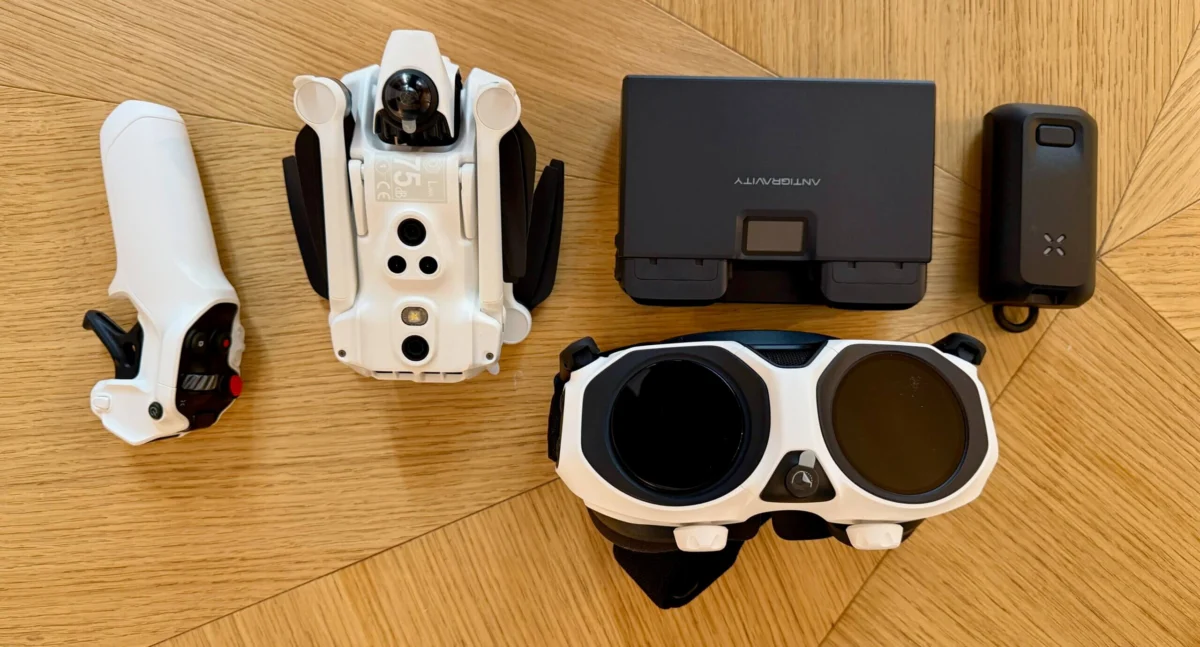
The launch of the Antigravity 360 A1 in late 2025 has signaled a definitive shift in the consumer and prosumer drone markets, moving away from traditional mechanical stabilization toward a software-driven, omnidirectional capture philosophy. By integrating a dual-lens 360-degree imaging system into a sub-250-gram airframe, the A1 seeks to render the conventional three-axis gimbal obsolete for a significant portion of digital creators. This technological pivot facilitates a "fly now, frame later" workflow, allowing operators to capture a complete spherical environment and determine specific camera angles during the post-production phase. As the drone industry faces increasing regulatory scrutiny and a demand for more portable, high-fidelity imaging tools, the Antigravity A1 represents a convergence of action camera versatility and sophisticated aerial robotics.
The Regulatory Strategic Design: The 249-Gram Threshold
One of the most critical aspects of the Antigravity A1’s engineering is its mass. By hovering exactly at 249 grams with its standard intelligent flight battery, the drone occupies a specific legal category in most international jurisdictions, including the United States, the United Kingdom, and the European Union. Under Federal Aviation Administration (FAA) guidelines and similar global frameworks, drones weighing less than 250 grams are exempt from certain registration requirements for recreational use.
This design choice is not merely a matter of convenience but a strategic response to the tightening of airspace regulations observed between 2022 and 2025. For the traveling creator, the 249-gram weight ensures that the device can be operated in various countries without the immediate necessity of commercial licensing, provided the flight remains non-commercial and follows local safety protocols. The use of high-grade carbon-fiber-reinforced polymers instead of standard ABS plastic allowed Antigravity engineers to maintain structural integrity while keeping the weight below the 250-gram limit, providing a strength-to-weight ratio that rivals professional-grade racing drones.
Technical Specifications and Imaging Architecture
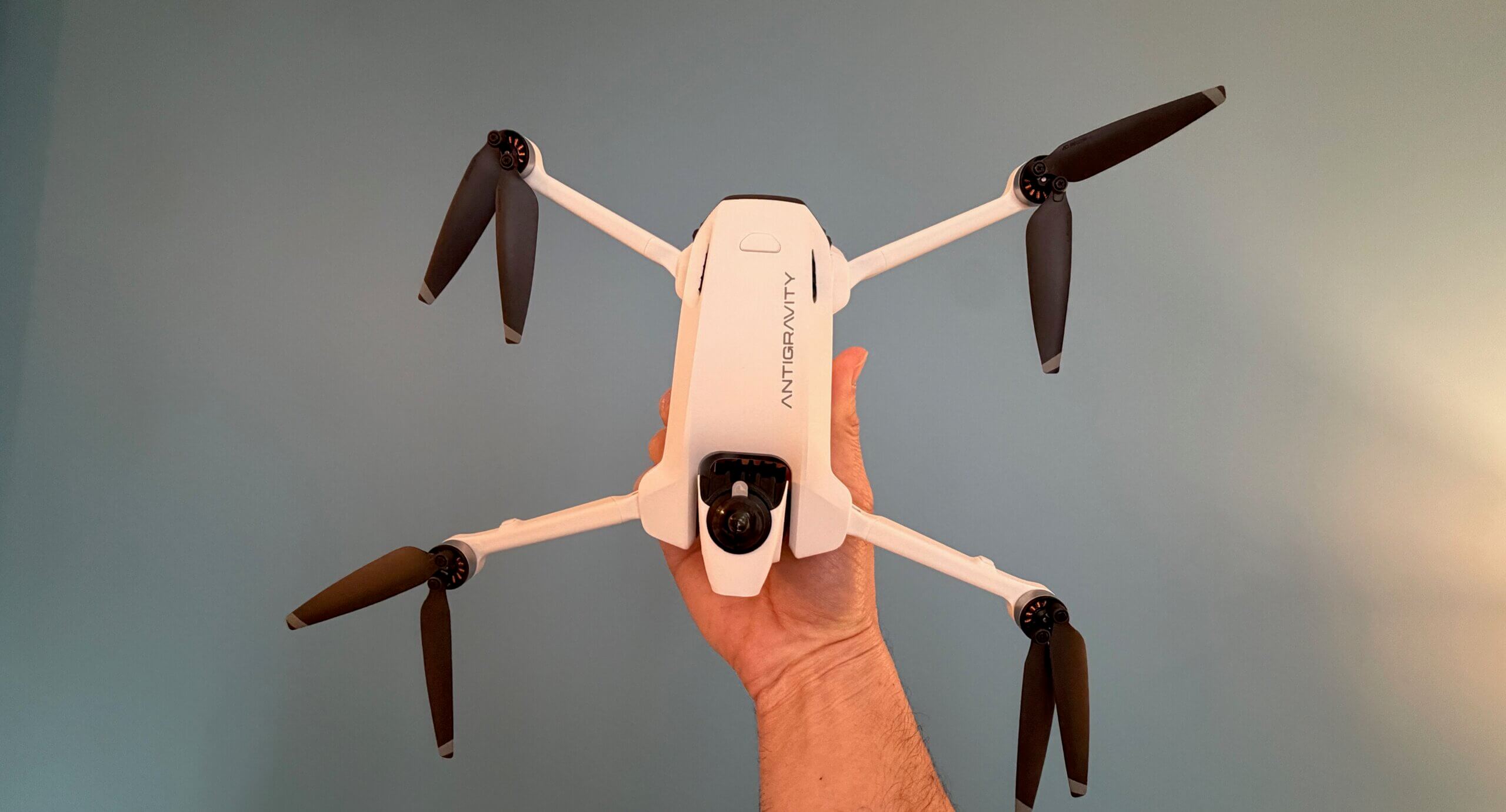
The core of the A1’s innovation lies in its optical array. Unlike traditional drones that utilize a single front-facing camera mounted on a mechanical gimbal, the A1 employs two ultra-wide-angle lenses situated on the top and bottom of the fuselage. Each lens captures a 200-degree field of view, creating a significant overlap that the onboard processor uses to stitch together a seamless 360-degree 8K sphere.
The imaging sensors are 1/1.28-inch CMOS units, which represent a significant upgrade over the sensors typically found in 360-degree action cameras. In the hierarchy of drone sensors, these units sit between the standard 1/2.3-inch sensors found in entry-level models and the 1-inch sensors found in "Pro" level photography drones. This specific sensor size provides a balanced approach to light sensitivity and dynamic range. Industry data suggests that the 1/1.28-inch sensor allows for approximately 40% more light intake than standard action cameras, which translates to superior performance in low-light conditions and high-contrast environments, such as sunsets or dense forest canopies.
Furthermore, the "FlowState" stabilization algorithm—a proprietary software suite developed by Antigravity—replaces the need for a physical gimbal. By utilizing internal gyroscopes and accelerometers, the software can level the horizon and eliminate vibration in real-time. This reduces the number of moving parts in the drone, thereby increasing its durability and decreasing the likelihood of mechanical failure during high-speed maneuvers or minor collisions.
Chronology of the 360-Degree Drone Evolution
To understand the impact of the A1, one must look at the timeline of aerial imaging over the last decade:
- 2013–2018: The Gimbal Era. The market was dominated by drones like the early DJI Phantom series, which relied heavily on mechanical gimbals to keep footage steady. 360-degree capture was only possible through bulky, multi-camera rigs.
- 2019–2022: The Rise of Miniaturization. The introduction of the sub-250g drone category forced manufacturers to choose between camera quality and flight time. 360 cameras began to be "strapped" onto drones as third-party accessories, often compromising flight stability.
- 2023–2024: Software Stabilization Integration. Manufacturers began experimenting with electronic image stabilization (EIS) to reduce gimbal weight. Early "invisible drone" technology appeared but suffered from low resolution and visible stitching lines.
- Late 2025: The Antigravity A1 Launch. The A1 successfully integrated 8K 360-degree capture into a native, streamlined airframe, effectively removing the drone from the footage and providing a virtualized camera experience.
The Immersive Flight Experience: FPV and Motion Control
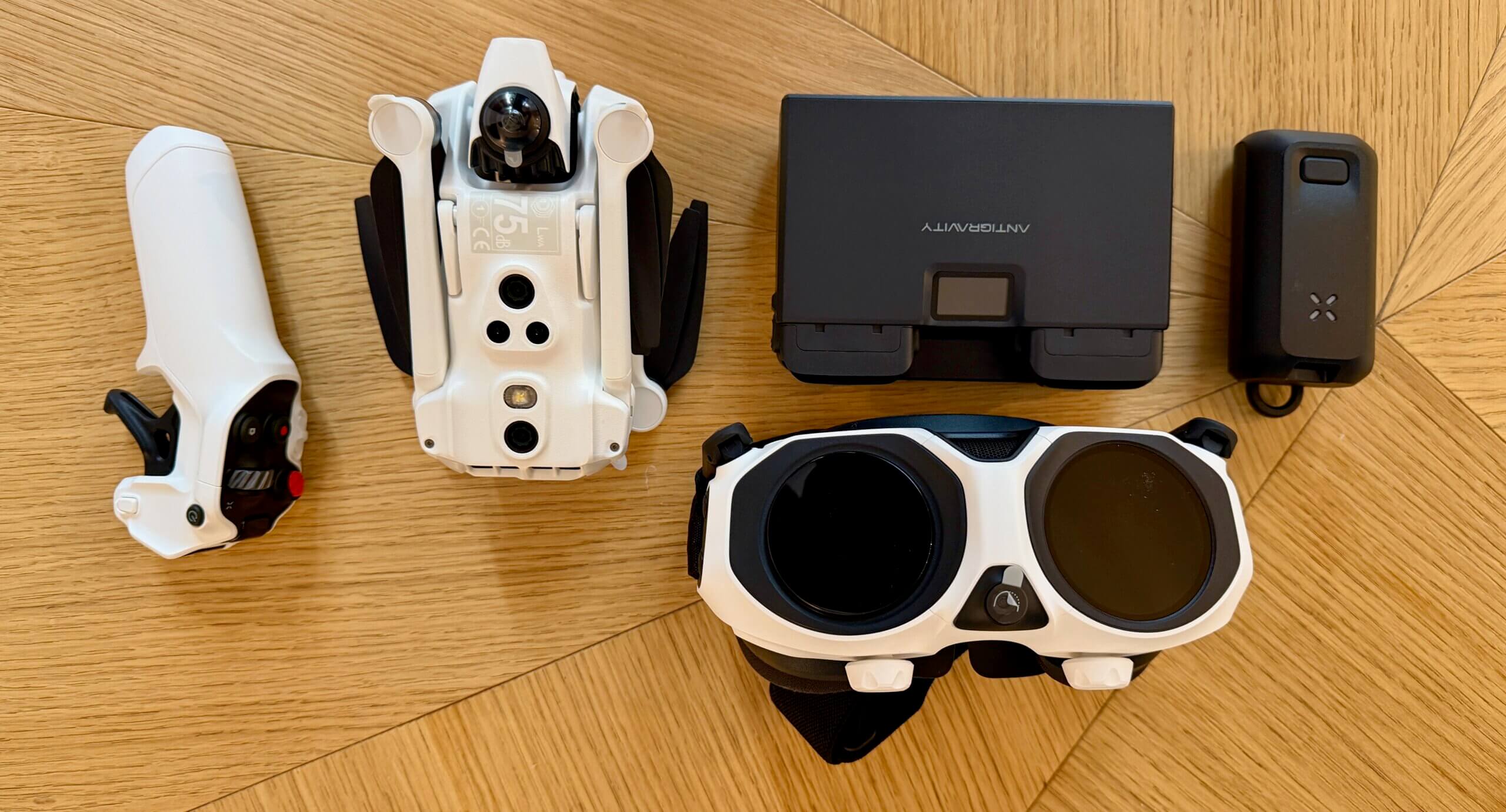
The Antigravity A1 is primarily operated via an immersive First-Person View (FPV) system. The accompanying Vision Goggles utilize dual 4K micro-OLED displays with a 120Hz refresh rate, providing a near-zero latency feed. A standout feature of this system is the integrated head-tracking capability. Because the drone is capturing everything in a 360-degree sphere, the pilot is not restricted to a forward-facing view. When the pilot rotates their head, the goggle feed pans within the 360-degree live stream, allowing for unprecedented spatial awareness.
The control interface further deviates from tradition through the use of a single-handed motion controller. This device translates hand gestures into flight commands: tilting the wrist banks the aircraft, while pointing the controller adjusts the heading. For professional pilots requiring surgical precision, the A1 maintains compatibility with traditional "Mode 2" dual-stick controllers. However, market feedback indicates that the motion controller has significantly lowered the barrier to entry for novice users, reducing the learning curve for complex aerial maneuvers from weeks to minutes.
Software Ecosystem and Post-Production Workflow
The "Antigravity Studio" application is the secondary half of the A1 system. The 8K spherical data captured by the drone is transferred wirelessly at speeds reaching 80MB/s. Within the app, the "re-framing" process occurs. This allows the creator to act as a virtual cinematographer, choosing the field of view, camera pans, and zooms after the flight has concluded.
Artificial Intelligence plays a pivotal role in this workflow. The app’s "Auto-Frame" feature utilizes machine learning to identify subjects—such as vehicles, hikers, or animals—and automatically generates a tracking shot. This technology essentially provides a "virtual camera crew," ensuring that the subject remains perfectly framed regardless of the drone’s actual flight path. For professional environments, the A1 supports a 10-bit "Log" color profile, providing the necessary latitude for color grading to match high-end cinema cameras like the ARRI or RED systems.
Battery Logistics and Flight Performance
Despite the advancements in imaging, battery life remains a primary constraint in the sub-250g category. The A1’s standard Intelligent Flight Battery offers a rated flight time of 24 minutes. Real-world testing in moderate wind conditions (approx. 10–15 mph) typically yields 19 to 21 minutes of usable airtime.
To address the needs of professional users, Antigravity offers a "Pro Battery," which extends flight time to 39 minutes. However, the use of this battery increases the drone’s weight beyond the 250-gram threshold, requiring the operator to adhere to stricter registration and operational rules in many regions.
In terms of flight dynamics, the A1 is categorized as a "cinewhoop" style drone. Its top speed of 36 mph is optimized for cinematic tracking rather than competitive racing. A notable mechanical feature is the "Turtle Mode," which allows the drone to flip itself over using motor reversals if it lands upside down, a feature previously reserved for custom-built FPV racing aircraft.
Market Implications and Professional Reactions
Industry analysts suggest that the Antigravity A1 could significantly disrupt the traditional gimbal-drone market. "The shift from mechanical to digital stabilization is reminiscent of the transition from film to digital photography," noted one lead analyst at a prominent tech research firm. "By capturing the entire environment, the A1 removes the ‘single point of failure’ in cinematography—missing the shot."
Travel professionals and solo content creators have reacted positively to the device’s portability and the reduction in "flight stress." Because the drone captures every angle simultaneously, the pilot can focus entirely on flight safety and navigation, knowing that the "framing" can be perfected later. This has particular implications for search and rescue and industrial inspection, where the ability to look "backwards" or "down" during a single flight pass can save critical time.
Conclusion and Future Outlook
The Antigravity 360 A1 stands as a benchmark for the next generation of aerial imaging. While its 8K resolution is spread across a sphere—meaning the reframed 1080p or 4K "crops" do not yet match the raw sharpness of a dedicated 4K gimbal camera—the trade-off is a level of creative freedom previously unattainable in a portable format. As AI-driven editing continues to evolve, the ability to capture a "digital twin" of a flight path in 360 degrees will likely become the standard for consumer drones. The A1 is not just a new product but a proof of concept for a future where the physical orientation of a drone no longer dictates the perspective of the camera.




 Anjar Salim
 Chandra Hamzah
 Tatiana Tantri Indah Sari
 Budi Mulyono
 Lukman Taruna Persada Ramadan
