
 Hendra Ismail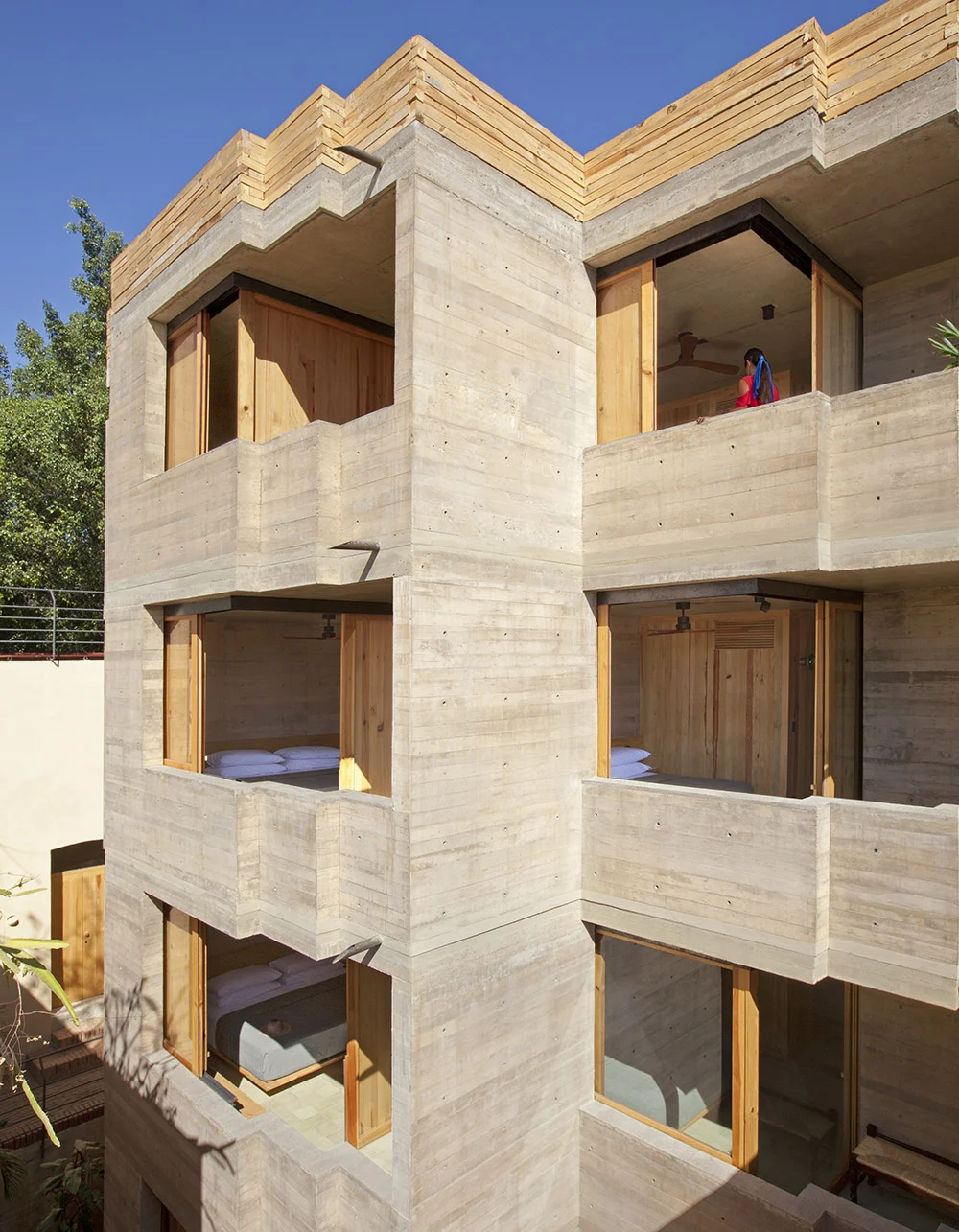
Grupo Habita’s genesis was not merely a business venture, but a considered response to a perceived void in the global hospitality landscape. In 2000, Carlos Couturier and Moisés Micha, driven by a shared passion for revitalizing architectural gems, embarked on a mission to transform neglected Mexican residences into unique lodging experiences. Their initial foray into real estate development quickly evolved into a broader vision, drawing in Moisés’s brothers, Rafael and Jaime. Together, this quartet of entrepreneurs conceptualized and launched Grupo Habita, a pioneering lifestyle hotel brand that would redefine the boutique hotel experience, emphasizing intimacy, sophistication, and a deep connection to place.
The Vision: Intimate, Human, and Professional Hospitality
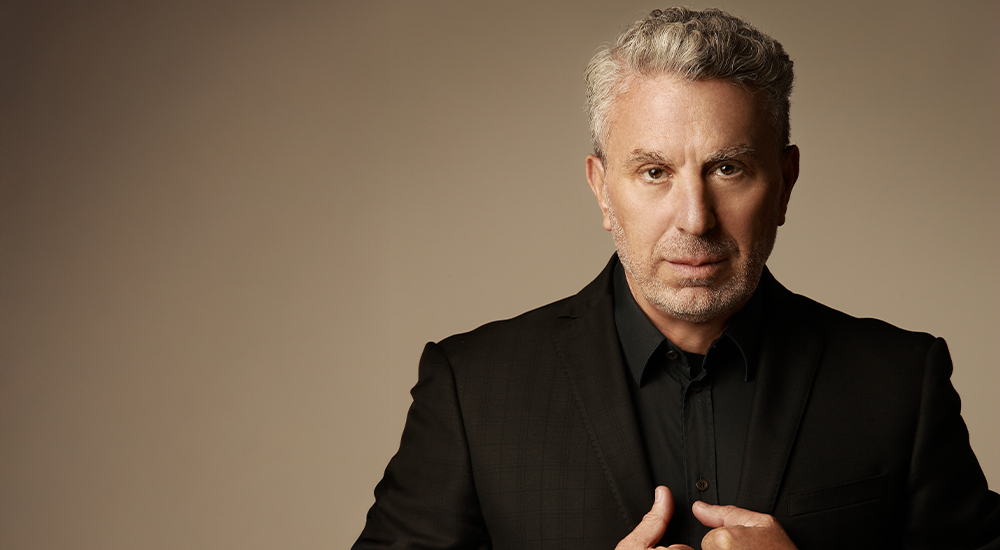
The impetus behind Grupo Habita’s formation stemmed from the partners’ extensive travel experiences. They observed a prevailing uniformity in the hotel industry, characterized by establishments that were either perceived as overly formal and “stiff” or lacking in a distinct personality. “We found hotels then to be a bit boring or too stiff. There was nothing in between,” recalled Couturier in a retrospective statement. This observation fueled their ambition to create a new paradigm: “We thought there was room for a new form of hospitality: intimate, human, sexy, but also serious and professional. Hotels for a creative class.” This vision aimed to cater to a discerning clientele, one that sought authentic experiences, thoughtful design, and a sense of belonging, rather than just a place to sleep.
The Bold Debut: Hotel Habita and the Reimagining of Mexico City
Grupo Habita’s inaugural project was the Hotel Habita, strategically located in the Polanco neighborhood of Mexico City. This 36-room establishment, a collaborative effort between local design firms TEN Arquitectos and Habitación 116, was more than just a hotel; it was a statement of intent. At the turn of the millennium, Mexico City was often characterized by external perceptions of chaos, pollution, and safety concerns. The launch of Hotel Habita directly challenged these narratives. “The Mexican capital was regarded as chaotic, polluted, and unsafe,” Couturier noted, “and the team boldly brought a much-needed oasis to life within that frenzied backdrop.”
The hotel’s design, characterized by clean lines, minimalist aesthetics, and a focus on natural light, offered a sanctuary from the urban bustle. Its most groundbreaking feature, however, was its rooftop pool and bar. This innovative amenity, one of the first of its kind in the city, quickly became a social hub and a symbol of the burgeoning cosmopolitan spirit of Mexico City. The immediate success of Hotel Habita validated the partners’ belief that there was a significant market for stylish, design-forward hotels that offered a unique and engaging experience. “We wanted to build a hotel in our city to make a statement: that Mexico was ready to take off as a modern and innovative destination,” Couturier elaborated.
Expansion and Diversification: A Portfolio of Distinctive Destinations
Since its inception in 2000, Grupo Habita has meticulously cultivated a portfolio of 16 distinct hotels across Mexico, alongside the notable addition of The Robey in Chicago. Each property within the Grupo Habita collection is a testament to a philosophy that eschews franchise uniformity in favor of site-specific design and a deep respect for local context. This commitment to individuality is what Couturier describes as being “the anti-franchise.”

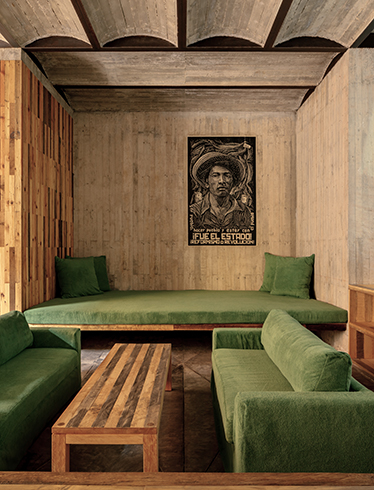
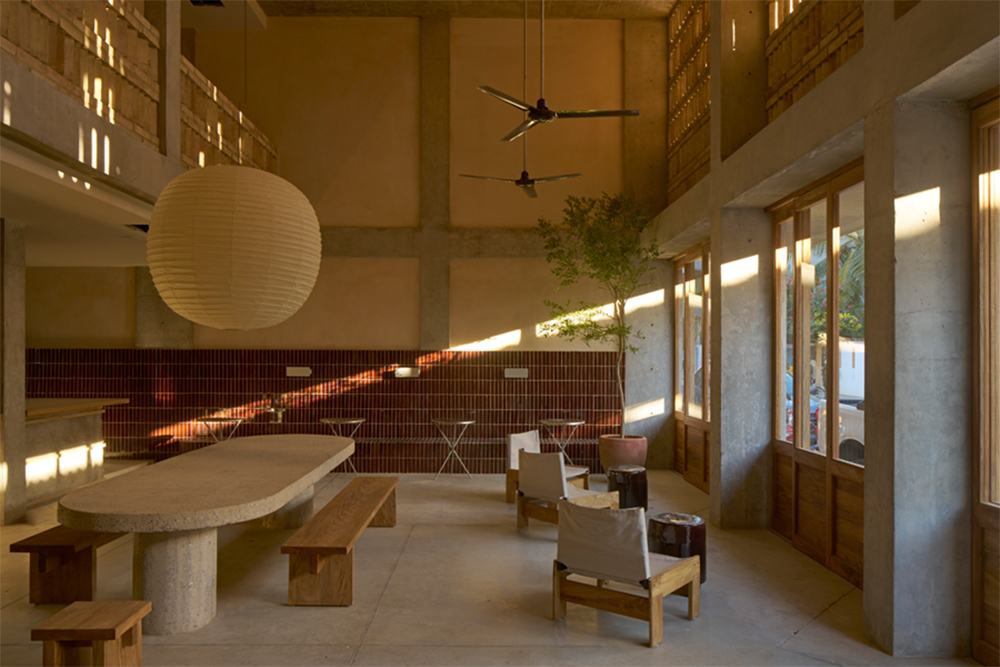
The design philosophy emphasizes contemporary yet grounded architecture, often integrating historical structures with modern interventions. This approach has led to collaborations with a diverse range of internationally acclaimed designers and architects. For instance, Paris-based designer India Mahdavi lent her distinctive touch to Hotel Condesa DF in Mexico City, a property that harmoniously blends colonial charm with modern elegance. In Puerto Escondido, the solar-powered Terrestre exemplifies sustainable luxury, a testament to the innovative work of Mexico City practice Taller de Arquitectura X (TAX).
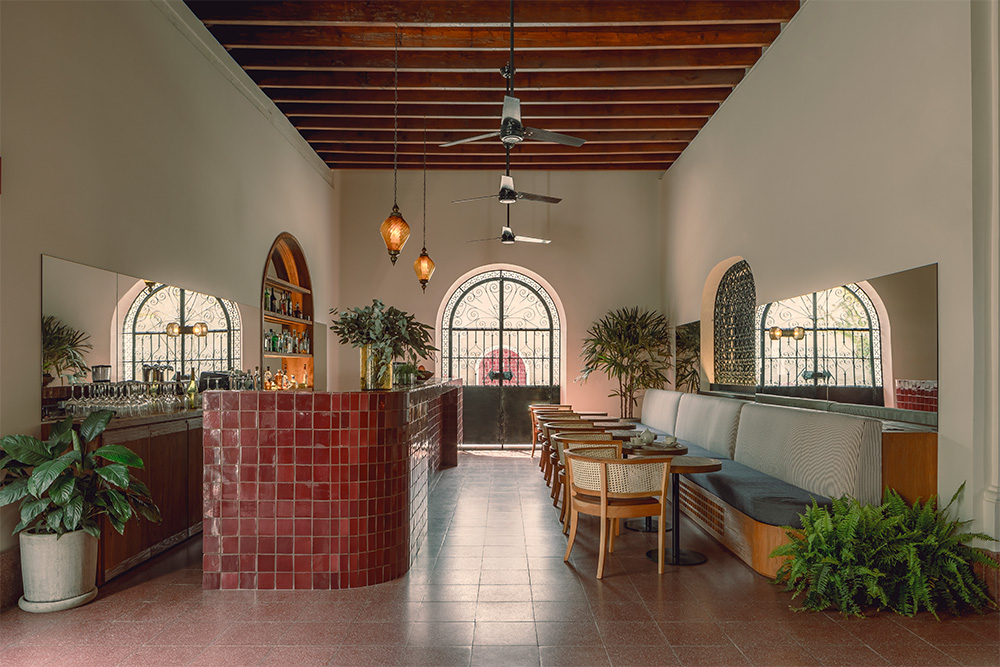
Grupo Habita’s ability to imbue each hotel with a unique character is perhaps best illustrated by its adaptive reuse projects. La Purificadora in Puebla, for example, is housed within a former late-19th-century water purification factory. Renowned architect Ricardo Legorreta, known for his vibrant use of color, adopted a more restrained palette of black and white for this project, reflecting the building’s industrial past. Azúcar, a serene seaside retreat in Veracruz, features a distinctive thatched-roof design and guestrooms adorned with driftwood, a concept envisioned by Couturier himself. More recently, the collaboration with Zeller & Moye, a firm with roots in both Mexico City and Berlin, transformed a centuries-old residence in Mérida into the chic Hotel Sevilla, blending historical grandeur with contemporary comfort.
Beyond Aesthetics: A Holistic Approach to Guest Experience
From its early days, Grupo Habita recognized that a striking aesthetic was only one component of a successful hospitality offering. The brand was an early proponent of integrating a holistic guest experience, encompassing music, culinary offerings, cultural programming, and wellness initiatives. These elements, now commonplace in the hotel industry, were considered novel and perhaps even risky when first introduced. “Twenty-six years later, Grupo Habita is just as relevant, fueled by a community-focused ethos to ‘lead and not reproduce,’” Couturier stated.
The emphasis on these diverse amenities reflects a deeper understanding of modern traveler preferences. Guests are no longer content with merely a comfortable room; they seek immersive experiences that engage their senses and cater to their lifestyle. Grupo Habita’s commitment to curating these elements ensures that each stay is not just a visit, but an enriching journey. This proactive approach to anticipating and meeting evolving guest expectations has been a key driver of the brand’s enduring relevance and success.
The Human Element: A Core Tenet of Grupo Habita’s Ethos
At the heart of Grupo Habita’s enduring appeal lies its unwavering commitment to the human element. This philosophy is deeply intertwined with Mexican culture, emphasizing community and connection. “People matter. Human kindness is essential. If you care for others, they care for you. It’s part of our Mexican DNA,” Couturier articulated. This ethos translates into a service style that is both professional and genuinely warm, fostering a sense of belonging for guests.
The brand’s success can be analyzed through several lenses:
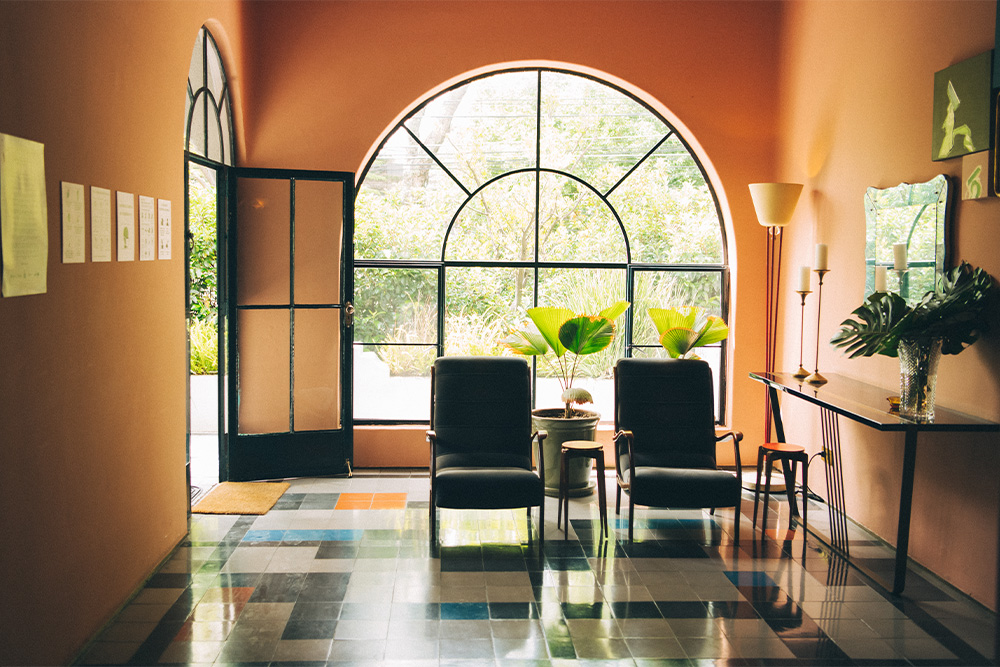
- Architectural Innovation and Preservation: Grupo Habita has demonstrated a remarkable ability to identify undervalued architectural assets and reimagine them for contemporary use. This not only preserves cultural heritage but also provides unique and aesthetically pleasing environments for guests. The economic impact of such developments can be significant, revitalizing neighborhoods and attracting tourism.
- Market Niche and Differentiation: By focusing on a specific segment of the market – the “creative class” – Grupo Habita carved out a distinct niche. This allowed them to avoid direct competition with larger, more generic hotel chains and build a loyal following among travelers seeking authentic and design-led experiences.
- Pioneering Integrated Amenities: The early adoption of music, food, culture, and wellness as integral parts of the hotel experience positioned Grupo Habita as a trendsetter. This foresight allowed them to capitalize on growing consumer interest in these areas, enhancing guest satisfaction and driving repeat business.
- Community Engagement: The emphasis on "people matter" and "human kindness" suggests a business model that prioritizes strong relationships with staff, local communities, and guests. This fosters a positive brand reputation and contributes to a sustainable business operation.
The strategic decision to focus on revitalizing existing structures, rather than solely building new ones, has economic implications. It often involves lower initial capital expenditure compared to ground-up construction, while simultaneously contributing to urban regeneration and heritage conservation. Furthermore, the integration of local talent and materials not only supports the local economy but also ensures that each hotel possesses an authentic sense of place.
The sustained relevance of Grupo Habita over more than two decades in the highly competitive hospitality industry is a testament to its foundational vision and adaptive strategies. The brand’s ability to continuously evolve while remaining true to its core values – a commitment to exceptional design, authentic experiences, and genuine human connection – solidifies its position as a leader in the boutique lifestyle hotel sector. As the travel landscape continues to shift, Grupo Habita’s enduring principles offer a compelling model for future hospitality development, proving that thoughtful curation and a deep understanding of people can create lasting value and memorable experiences.

 Anjar Salim
 Chandra Hamzah
 Tatiana Tantri Indah Sari
 Budi Mulyono

