
 Budi Mulyono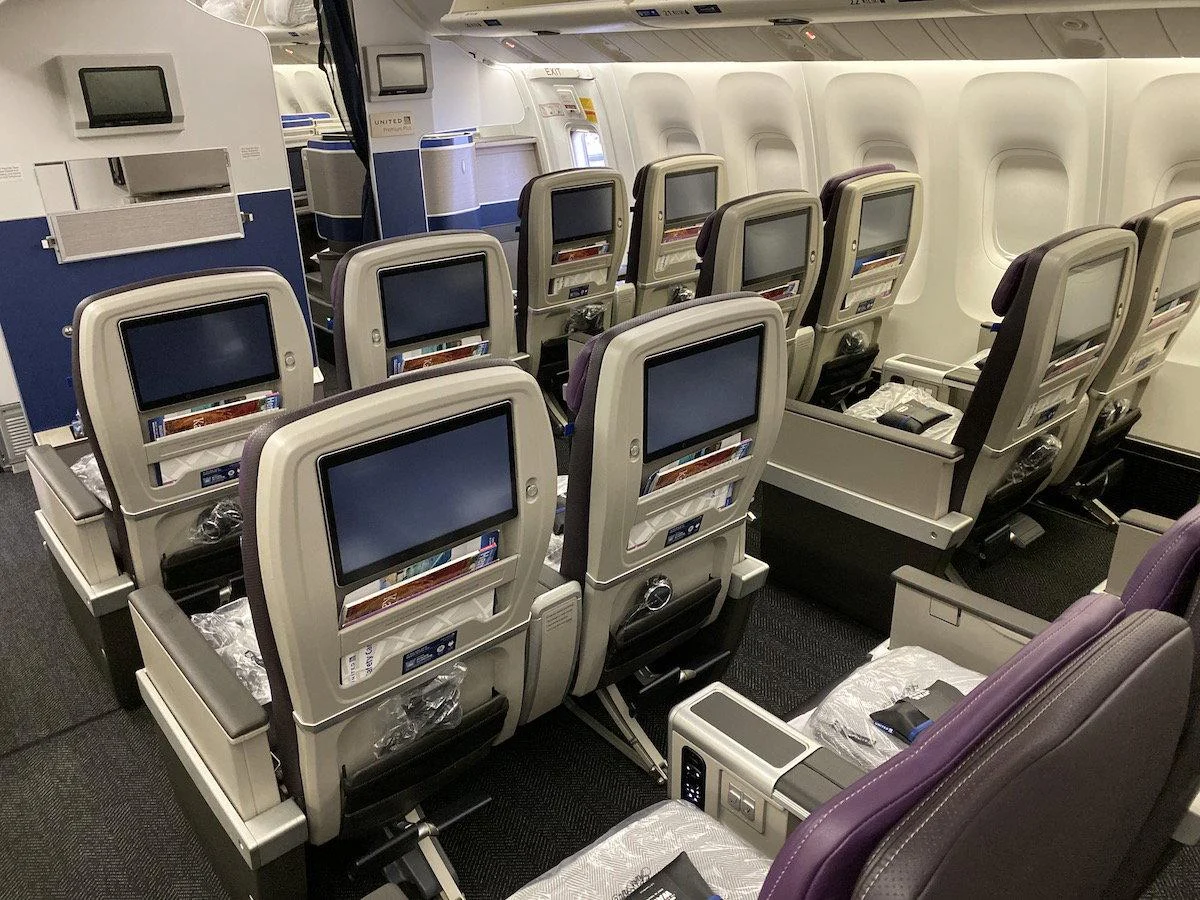
United Airlines has formally updated its MileagePlus Status Match Challenge for the 2026 program year, offering frequent flyers from competing carriers a streamlined pathway to attain Premier elite status. The initiative, which is currently accepting applications through December 21, 2026, serves as a strategic tool for the Chicago-based carrier to capture high-value customers from rivals such as Delta Air Lines, American Airlines, and Alaska Airlines. By providing a 120-day introductory period of status and reduced qualification hurdles, United aims to capitalize on shifts in the competitive landscape of the North American aviation market.
Strategic Framework of the 2026 Status Match Program
The 2026 iteration of the United Status Match Challenge is designed to provide immediate gratification followed by a performance-based retention period. Unlike traditional qualification cycles that require a full calendar year of flying and spending, this program compresses the requirements into a four-month window. This allows travelers who may have recently relocated to a United hub—such as Newark, Chicago O’Hare, Denver, or San Francisco—or those dissatisfied with their current loyalty program to transition their business with minimal friction.

A significant update to the program’s architecture is the "activating flight" requirement. To prevent the exploitation of temporary status by individuals without immediate travel plans, United now requires participants to complete a flight on United or United Express within 90 days of their application approval. Alternatively, an eligible flight taken within the 30 days prior to the application can serve as the catalyst for the 120-day challenge period. This ensures that the benefits—ranging from complimentary upgrades to priority boarding—are extended to active travelers who contribute to the airline’s immediate revenue goals.
Qualification Metrics: Understanding PQP and PQF
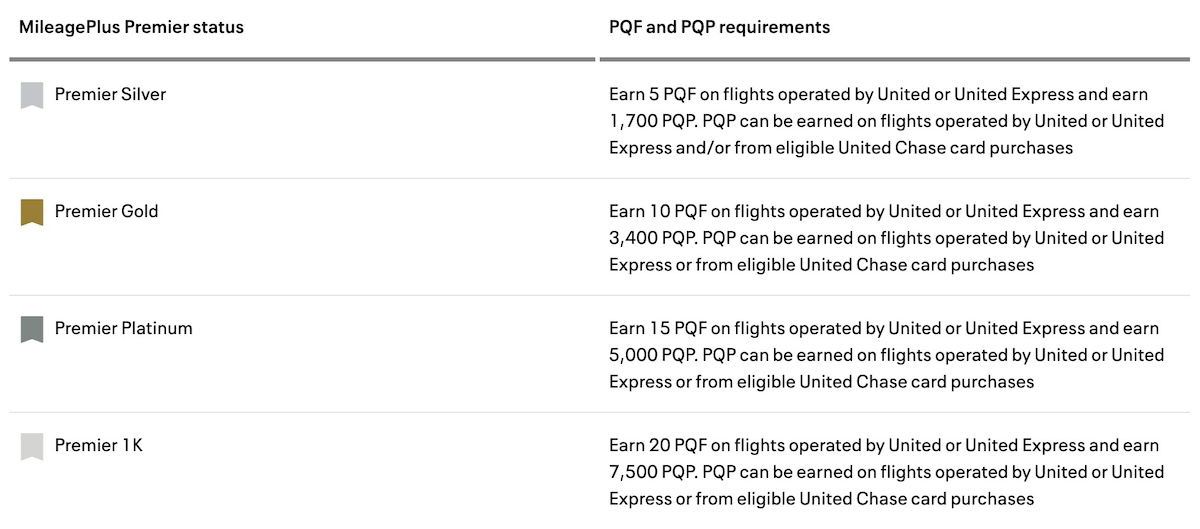
To maintain status beyond the initial 120-day period, participants must meet specific thresholds for Premier Qualifying Flights (PQF) and Premier Qualifying Points (PQP). This dual-metric system, which United moved to several years ago, prioritizes both the frequency of travel and the total spend. For the 2026 challenge, the requirements are significantly lower than the standard annual requirements, effectively asking for roughly one-third of the usual effort to reflect the one-third of a year provided for the challenge.
Standard Annual Requirements vs. Challenge Requirements
Under the standard 2026 rules, a traveler would typically need the following to earn status for a full year:
- Premier Silver: 12 PQF and 4,000 PQP (or 5,000 PQP)
- Premier Gold: 24 PQF and 8,000 PQP (or 10,000 PQP)
- Premier Platinum: 36 PQF and 12,000 PQP (or 15,000 PQP)
- Premier 1K: 54 PQF and 18,000 PQP (or 24,000 PQP)
In contrast, the 2026 Status Match Challenge requires the following within the 120-day window:
- Premier Silver: 4 PQF and 1,000 PQP
- Premier Gold: 8 PQF and 2,000 PQP
- Premier Platinum: 12 PQF and 3,000 PQP
- Premier 1K: 18 PQF and 6,000 PQP
It is important to note that the Premier 1K match is highly exclusive, typically reserved for top-tier elites from Delta (Diamond Medallion) and American Airlines (Executive Platinum). Furthermore, United’s invitation-only "Global Services" tier remains excluded from the match program, maintaining its status as a spend-based tier reserved for the airline’s most profitable corporate and individual clients.
The July Advantage: Maximizing Status Longevity
Industry analysts point to July as the "golden window" for initiating a status match. The timing of the challenge completion dictates the expiration date of the earned status. According to United’s current policy:
- If the challenge is completed before July 1, the status is valid through the remainder of the current program year (ending January 31 of the following year).
- If the challenge is completed on or after July 1, the status is valid through the remainder of the current year and the entire subsequent program year.
Consequently, a traveler who completes their PQP and PQF requirements in July 2025 or later will see their Premier status extended through January 31, 2028. This provides over 18 months of benefits, making it one of the most lucrative opportunities for frequent flyers to lock in long-term perks without the need for a full year of organic qualification.
Eligibility and Competitive Mapping
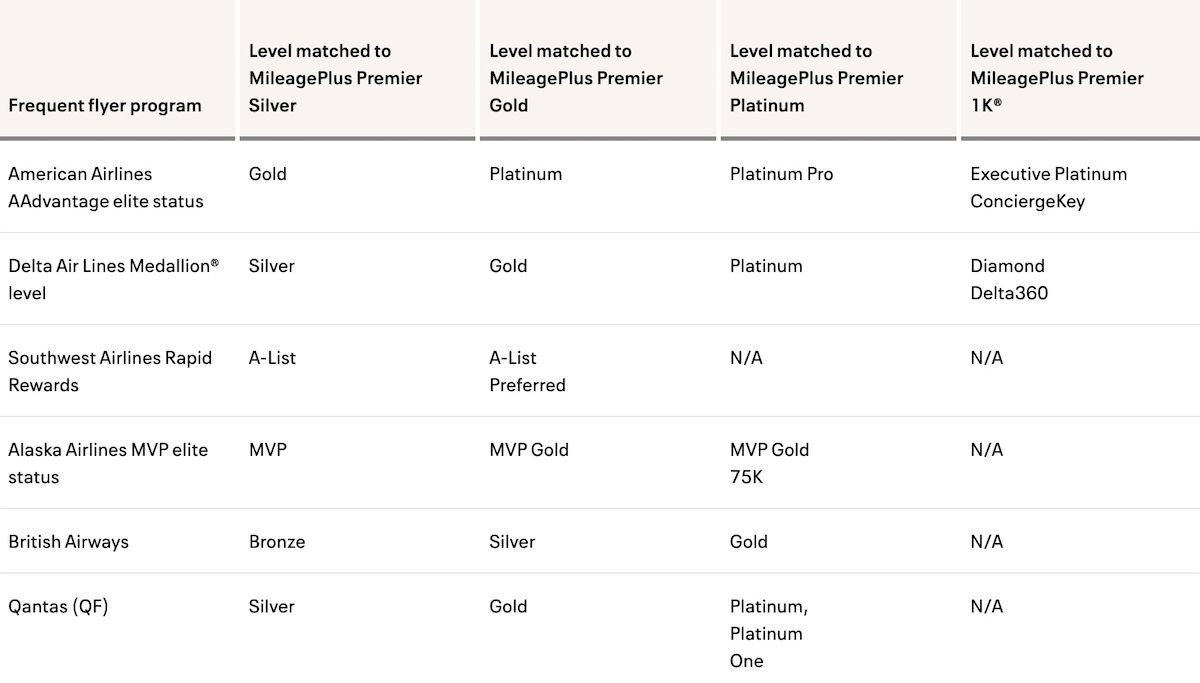
United has expanded the list of eligible programs for the match to include almost every major non-Star Alliance carrier. While the program historically focused on domestic "Big Three" rivals, it now encompasses international giants such as British Airways, Qantas, and various Middle Eastern and Asian carriers.
The mapping of tiers generally follows a logical progression of benefits:

- Mid-Tier Matches: Delta Gold Medallion or American Platinum members typically map to United Premier Gold.
- Upper-Tier Matches: Delta Platinum Medallion or American Platinum Pro members map to United Premier Platinum.
- Entry-Tier Matches: Alaska MVP or Southwest A-List members typically map to United Premier Silver.
Participants are restricted to one status match challenge every three years. This "cooling off" period is designed to prevent "status hopping," where travelers rotate between airlines every year to avoid ever having to qualify under standard rules.
Analysis of Benefits: The Value Proposition for Travelers
The incentive for switching to United is rooted in the suite of benefits offered at each Premier level. As the airline industry increasingly moves toward a "premium-heavy" revenue model, these perks represent significant cost savings and comfort enhancements for the traveler.
Premier Gold and Platinum: The Sweet Spots
Premier Gold is often cited by travel consultants as the most valuable mid-tier status due to its inclusion of Star Alliance Gold benefits. This grants the holder access to over 1,000 airport lounges globally when traveling on international itineraries, regardless of class of service. Domestically, Gold members receive complimentary access to Economy Plus seating at the time of booking, a benefit that can save hundreds of dollars on a single transcontinental round trip.
Premier Platinum adds to this by allowing the member to bring up to eight companions into Economy Plus at booking and providing a higher priority for complimentary domestic upgrades. It also introduces the "PlusPoints" ecosystem, though United specifies that PlusPoints are not awarded during the 120-day temporary match period; they are only granted once the challenge is successfully completed and the status is fully earned.
Premier Silver: The Entry Point
While Premier Silver is the lowest tier, it offers essential "quality of life" improvements for the occasional traveler, including one free checked bag (up to 70 lbs), priority check-in, and access to Economy Plus at the 24-hour check-in window. For travelers currently holding entry-level status on a carrier like Southwest or JetBlue, the transition to United Silver can represent a significant upgrade in terms of network reach and upgrade potential.
Market Context and Competitive Dynamics
The renewal of the Status Match Challenge comes at a time of significant transition in the airline loyalty space. In 2024, Delta Air Lines faced substantial backlash after announcing sweeping changes to its SkyMiles program, which prioritized spending over flying to an unprecedented degree. While Delta later walked back some of those changes, the resulting "loyalty churn" created an opening for United and American to aggressively court disgruntled Delta flyers.

United’s decision to maintain a clear path to status through a mix of flights (PQF) and spend (PQP) positions it as a middle ground for travelers who fly frequently but may not always purchase full-fare first-class tickets. Furthermore, United’s "United Next" initiative—which involves retrofitting its narrow-body fleet with larger overhead bins, seatback entertainment, and high-speed Wi-Fi—acts as a product-side complement to the loyalty-side status match.
Program Limitations and Fine Print
Despite the advantages, the United Status Match Challenge carries several caveats that travelers must consider:
- Star Alliance Restrictions: Status earned through a match does not always confer the same "earned" recognition with certain Star Alliance partners until the challenge is fully completed.
- Non-Qualifying Activity: PQP earned through promotional bonuses or non-United metal (except for certain eligible partner flights) generally does not count toward the challenge requirements.
- Documentation: Applicants must provide a physical or digital elite membership card from their current airline, along with a recent account statement showing their current status and activity.
Conclusion: A Strategic Pivot for Frequent Flyers
The United Airlines 2026 Status Match Challenge is more than a simple promotion; it is a calculated effort to stabilize and grow the airline’s premium customer base in an era of fluctuating brand loyalty. For the traveler, the program offers a high-value "try before you buy" experience, provided they have the flight volume to meet the compressed 120-day requirements.

As the aviation industry moves into the latter half of 2025, the ability to secure status through early 2028 will likely drive a surge in applications. For United, the success of the program will be measured not just by the number of matches granted, but by the number of new customers who remain loyal once the initial challenge period concludes. By aligning the match with its broader network expansion and cabin upgrades, United is making a compelling case for being the primary carrier for North America’s most frequent travelers.




 Anjar Salim
 Chandra Hamzah
 Tatiana Tantri Indah Sari
 Lukman Taruna Persada Ramadan
