
 Budi Mulyono
The global hospitality industry has turned its attention to the official release of "The World’s 50 Best Hotels" rankings for 2026. Established by the same organization behind renowned international restaurant and bar accolades, this annual compilation aims to spotlight the finest properties across the globe. The latest rollout highlights significant shifts in luxury hospitality, illustrating strong geographic concentrations of elite properties in Asia and Europe, while reigniting ongoing discussions regarding the complexities of ranking highly subjective guest experiences.
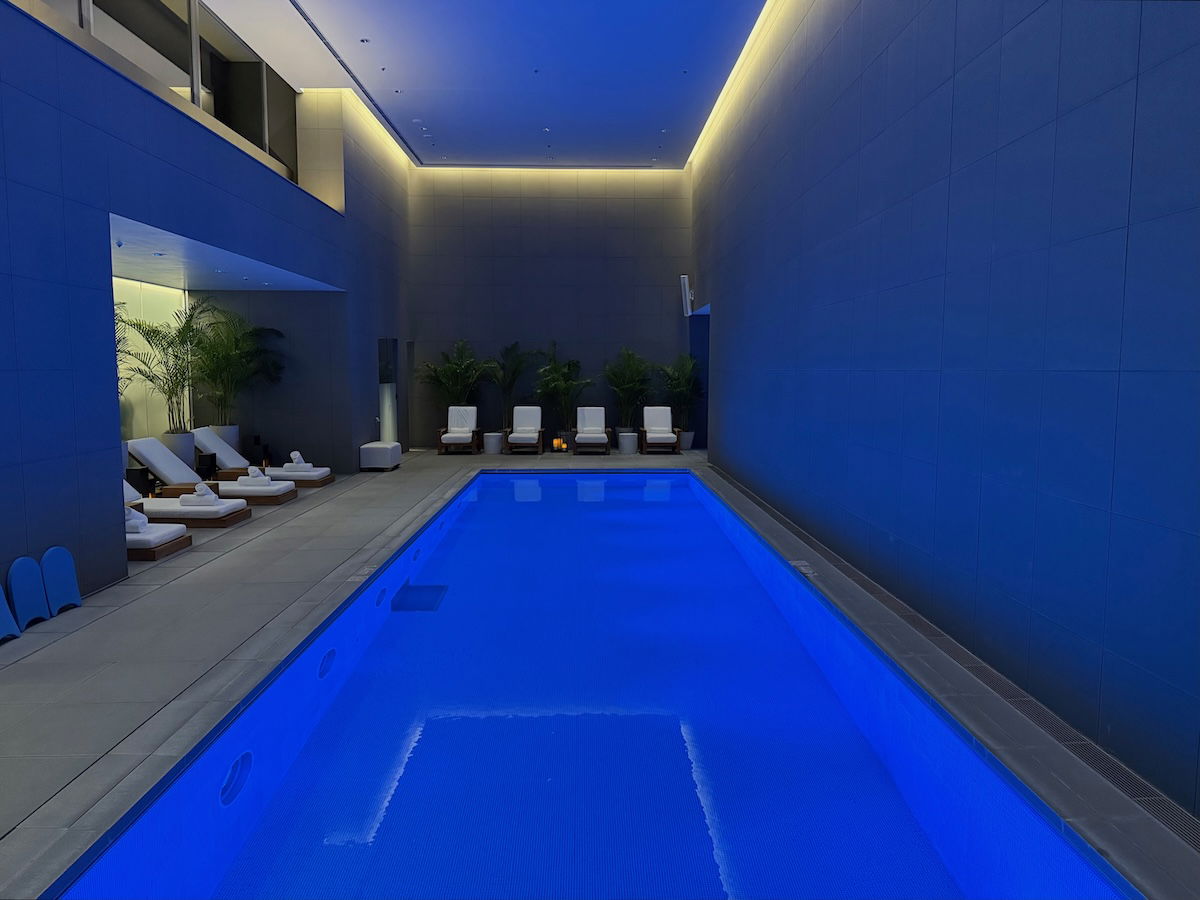
Topping the 2026 list for the second consecutive year is the Rosewood Hong Kong, which continues to command global acclaim for its striking architecture, prime Victoria Harbour waterfront views, and exceptional service standards. Following closely behind in the top positions are Capella Bangkok and the Four Seasons Bangkok at Chao Phraya River, underscoring the dominance of Asian destinations at the apex of the luxury hotel sector.

Evolution and Background of the Rankings
While culinary and beverage establishments have been ranked by the organization for decades, the dedicated hotel category was inaugurated in 2023 to fill a perceived gap in the global travel market. The initiative was designed to provide an independent, comprehensive benchmark for international luxury travel, mirroring the prestige long associated with the world’s best restaurant awards.
Over the past three years, the list has evolved into a significant driver of tourism trends, consumer behavior, and hospitality marketing. The 2026 edition introduces notable volatility into the standings, with 14 new properties breaking into the top 50, resulting in an equal number of hotels dropping off the list compared to the previous year. This fluid movement demonstrates the highly competitive nature of the global hospitality market, where new openings and continuous property renovations constantly challenge established properties.
Comprehensive Voting Methodology and Academy Structure
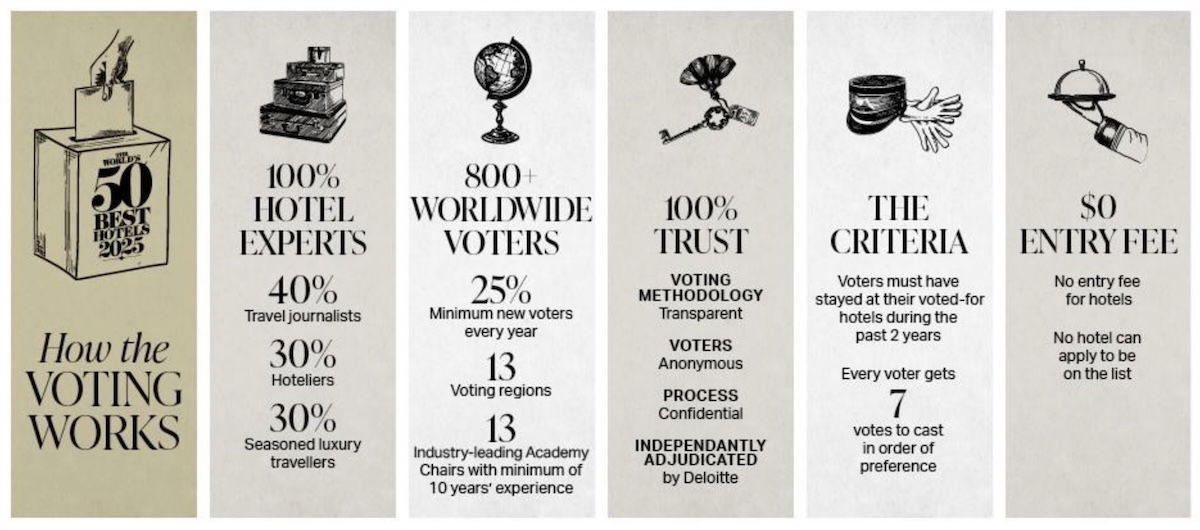
Understanding the credibility and weight of any ranking system requires a transparent examination of its methodology. The World’s 50 Best Hotels list is compiled by The World’s 50 Best Hotels Academy, a geographically diverse panel consisting of more than 800 international travel experts.

The composition of the voting academy is carefully balanced to maintain industry objectivity:
- Travel Journalists: 40 percent
- Hoteliers and Industry Experts: 30 percent
- Seasoned Luxury Travelers: 30 percent
To ensure fresh perspectives and prevent institutional stagnation, the organization mandates that a minimum of 25 percent of the voting panel is renewed annually. Furthermore, strict gender parity is enforced across the entire academy.
For voting purposes, the globe is divided into 13 distinct geographical regions, each overseen by a dedicated chairperson appointed for their deep knowledge of the local hotel landscape. These regional chairs select and manage the voting panels within their jurisdictions.
Each academy member casts seven confidential votes, ranking their top seven hotel experiences from the preceding two years in order of preference. Crucially, voters must have personally stayed at every property they nominate within that two-year window. Stays funded through media trips, complimentary room allocations, and loyalty program redemptions are deemed entirely valid to ensure broader accessibility for voters, though individuals are restricted from voting for more than three properties within a single corporate hotel group. The overarching criteria remain open-ended, allowing voters to weigh factors such as design, culinary offerings, wellness facilities, and localized service against their personal standards of excellence.
Regional Analysis and Notable Standouts
A geographic breakdown of the 2026 rankings reinforces historical trends showing that Asia and Europe capture a substantial majority of the premier positions. Major urban centers across both continents continue to excel, with city-based properties dominating the upper echelons of the list.
The top-ranked hotels by continent reflect distinct regional identities:
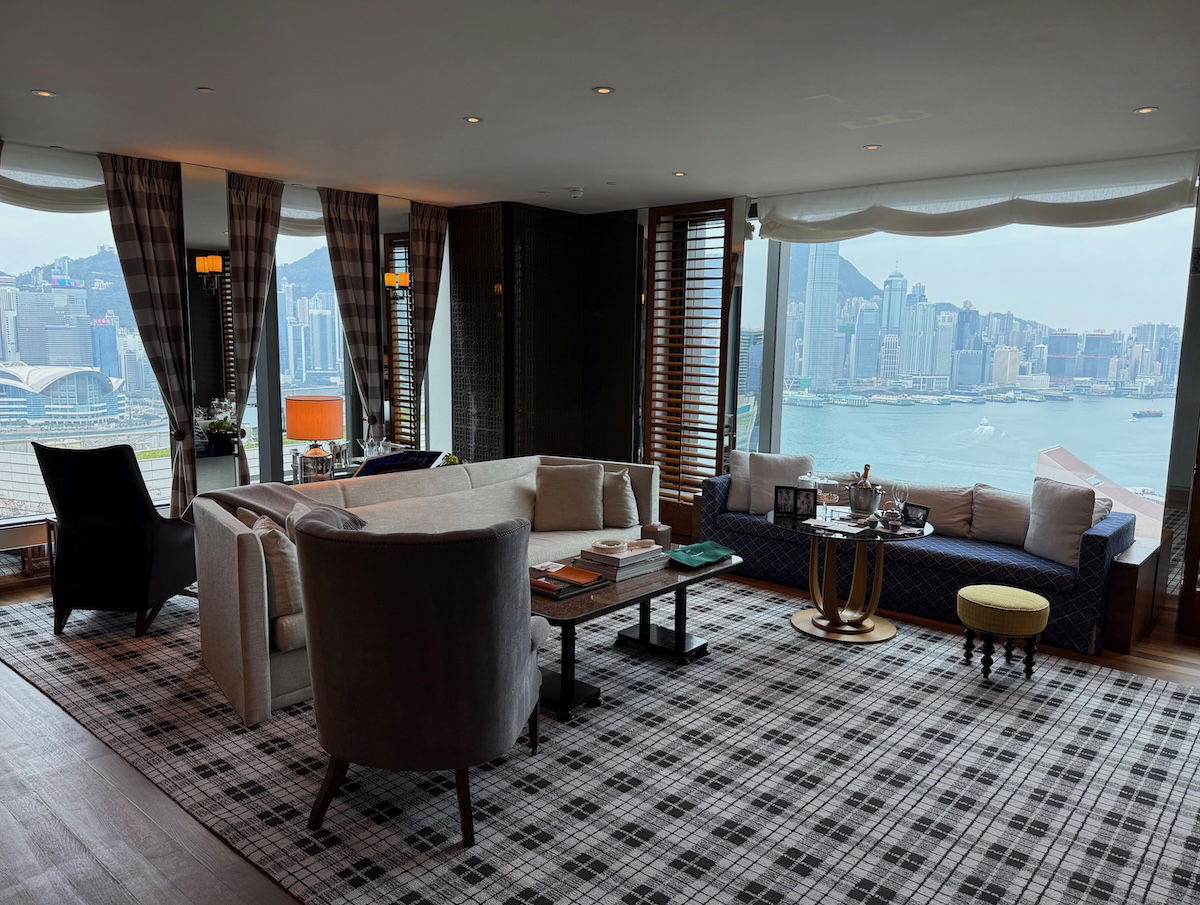
- Asia: Rosewood Hong Kong (Hong Kong)
- Europe: Passalacqua (Lake Como, Italy)
- North America: Leading properties in major metropolitan and resort destinations
- Oceania, Africa, and South America: Highly regarded boutique and wilderness retreats representing their respective regional markets
The coexistence of vastly different properties—ranging from intimate, historic 24-room European villas like Passalacqua to massive, multi-facility 795-room urban resorts such as Atlantis The Royal in Dubai—highlights the inherent challenge of comparative evaluation in the hospitality sector. Industry analysts frequently point out that measuring a secluded countryside retreat against a high-capacity urban entertainment complex involves comparing fundamentally divergent guest value propositions.
Economic and Market Implications
The release of high-profile global rankings carries significant economic consequences for the properties involved. Inclusion on the list serves as a powerful catalyst for commercial success, frequently leading to heightened international demand, increased occupancy rates, and elevated average daily room rates.
At the same time, industry observers note potential trade-offs associated with such widespread recognition. Rapid surges in popularity can create supply-and-demand imbalances, resulting in limited availability and significantly higher tariffs for travelers. This phenomenon mirrors the pressures observed in acclaimed restaurants, where critical acclaim can profoundly alter a property’s operational dynamics and guest demographic.
Furthermore, the absence of certain celebrated hospitality brands—such as niche seasonal ultra-luxury groups like Airelles—from the rankings has fueled ongoing dialogue regarding the structural limitations of large-scale voting panels. Because such properties often operate on a seasonal basis with limited inventory, critics suggest that voting academies may have fewer opportunities to experience them firsthand compared to large commercial portfolio hotels.
Outlook for the Global Hospitality Sector
As the travel industry continues to adapt to shifting consumer preferences, sustainability mandates, and evolving luxury expectations, lists like The World’s 50 Best Hotels serve as a vital barometer of industry standards. While the rankings remain a subject of debate regarding the feasibility of comparing disparate lodging formats, they undeniably provide a comprehensive snapshot of excellence, innovation, and service leadership across the international hotel community.




 Anjar Salim
 Chandra Hamzah
 Tatiana Tantri Indah Sari
 Lukman Taruna Persada Ramadan
