
 Tatiana Tantri Indah Sari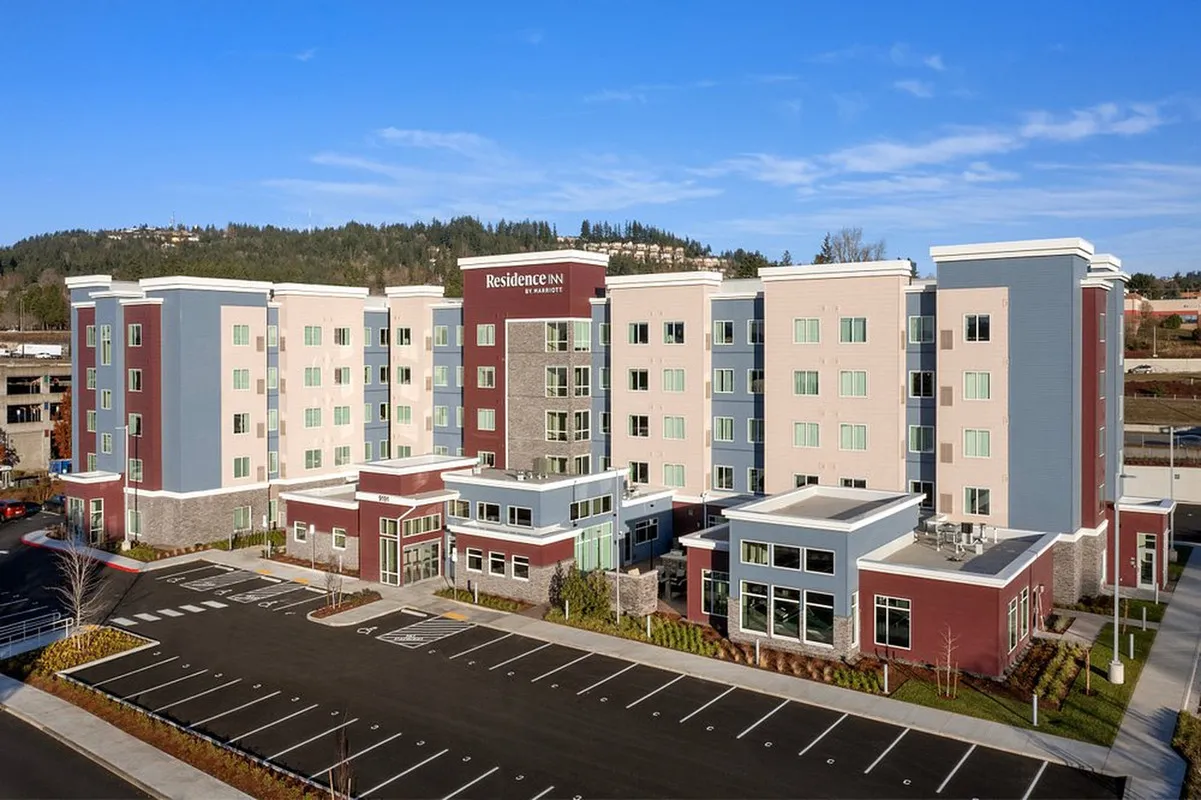
Despite a prevailing sluggishness in overall hotel deal activity across the industry, Noble Investment Group has embarked on a remarkably aggressive acquisition spree, amassing nearly 150 hotel properties over the past 18 months. This strategic expansion included the acquisition of 124 hotels in the previous year (2025) and an additional 25 properties already in the current year (2026), signaling a robust and deliberate investment posture in a challenging market landscape. The firm’s targeted approach has centered on branded long-term accommodations, value-add upscale select-service hotels, and upscale extended-stay properties, segments that Noble Founder and CEO Mit Shah identifies as holding significant long-term secular demand trends.
Noble’s Counter-Cyclical Strategy Amidst Market Headwinds
The backdrop against which Noble Investment Group has executed its expansive acquisition strategy is one characterized by considerable caution and moderated transaction volumes across the broader commercial real estate sector, including hospitality. Following the initial rebound from the COVID-19 pandemic, the hotel investment market has faced a confluence of headwinds. Elevated interest rates, which have steadily climbed over the past two years, have significantly increased the cost of capital, making debt financing more expensive and less readily available for many investors. This tightening credit environment, coupled with persistent inflationary pressures on operational costs and construction materials, has led to a noticeable deceleration in transaction activity compared to the frenetic pace seen in the immediate post-pandemic recovery. Many potential sellers have held back, awaiting more favorable market conditions, while buyers have become more discerning, demanding higher cap rates and clearer paths to profitability.
In this environment, Noble’s proactive stance stands out. Mit Shah articulated the firm’s conviction, stating, "We believe in the long-term secular demand trends." This belief underpins their willingness to deploy significant capital when many competitors are on the sidelines. The strategy appears to be a calculated move to capitalize on potential market inefficiencies and acquire assets that align with their specific, resilient investment theses. Unlike many developers who have struggled to "pencil in" new projects over the last five years due to rising costs and uncertain future yields, Noble claims its acquired assets can be built to a 10x unlevered yield. This metric implies that the property generates sufficient debt-free cash flow to repay its purchase price within a decade, a testament to rigorous underwriting and a strong focus on operational efficiency and intrinsic value.
The 18-Month Acquisition Spree: A Chronology of Strategic Expansion
Noble Investment Group’s remarkable acquisition trajectory began in earnest, accumulating 124 properties throughout 2025. This aggressive pace continued into 2026, with an additional 25 hotels already added to their portfolio within the first few months of the year. This consistent flow of transactions suggests a well-oiled acquisition machine, capable of identifying, underwriting, and closing deals at scale.
The sources of these acquisitions have been diverse, reflecting a comprehensive market penetration strategy. Shah noted, "We’ve seen a tremendous opportunity to acquire assets, everything from REITs to individual owners with scale, and then build out a new development platform that works." This indicates that Noble has been opportunistic in acquiring portfolios from larger institutional players, such as Real Estate Investment Trusts (REITs) that might be pruning non-core assets or rebalancing their own portfolios. Simultaneously, they have engaged with individual owners, likely consolidating smaller, fragmented holdings into a larger, more efficient management structure. This dual approach allows Noble to tap into various segments of the seller market, maximizing their deal flow and property sourcing capabilities.
The targeted nature of these acquisitions—branded long-term accommodations, value-add upscale select-service, and upscale extended-stay hotels—is crucial to understanding Noble’s underlying strategy. These segments are not merely opportunistic buys but are deeply integrated into a broader vision for long-term value creation.
Noble’s Investment Thesis: Deep Dive into Resilient Segments
Noble Investment Group’s focus on specific hotel segments is not arbitrary; it is rooted in a data-driven understanding of market resilience and evolving consumer behavior.
1. Branded Long-Term Accommodations and Upscale Extended-Stay Hotels:
This segment has consistently demonstrated superior performance characteristics, particularly during periods of economic uncertainty. Extended-stay hotels cater to guests requiring accommodations for longer durations—typically five nights or more—including business travelers on long assignments, project-based workers, relocating families, and medical tourists.
- Secular Demand Trends: The "secular demand trends" Shah refers to are deeply ingrained societal and economic shifts. The increasing prevalence of remote work, project-based employment, corporate relocations, and even leisure travelers seeking more space and amenities for longer trips contribute to a stable and growing demand base for extended-stay properties. These trends are less susceptible to short-term economic fluctuations compared to traditional transient leisure or corporate travel.
- Operational Efficiency: Extended-stay hotels often boast higher occupancy rates and lower operating costs compared to full-service hotels. They typically require less frequent housekeeping services, have fewer food and beverage outlets, and operate with leaner staffing models. This translates into stronger profit margins and more consistent cash flow, making them attractive investments, especially when seeking a 10x unlevered yield.
- Brand Strength: The emphasis on "branded" accommodations provides an additional layer of stability. Affiliation with established hotel brands like Marriott’s Residence Inn, Hilton’s Homewood Suites, or Hyatt House offers access to global reservation systems, loyalty programs, and brand standards that assure quality and consistency, thereby attracting a broader customer base and commanding better rates.
2. Value-Add Upscale Select-Service Hotels:
The "value-add" component signifies Noble’s strategy to acquire existing properties that have potential for improvement through strategic capital expenditure, operational enhancements, or rebranding.
- Definition of Value-Add: In the hotel context, value-add typically involves acquiring an underperforming or aging asset at a discount, then investing capital into renovations (e.g., guest rooms, common areas, technology upgrades), improving management, optimizing pricing strategies, or even repositioning the property within its market. The goal is to increase the property’s Net Operating Income (NOI) and, consequently, its market value.
- Upscale Select-Service Appeal: This segment strikes a balance between the full amenities of a luxury hotel and the limited services of a budget option. Upscale select-service hotels (e.g., Courtyard by Marriott, Hilton Garden Inn, Hyatt Place) offer essential amenities like fitness centers, breakfast, and sometimes a limited bar, without the overhead of full-service restaurants, extensive meeting spaces, or concierge services. They cater to a broad demographic of business and leisure travelers seeking quality and convenience at a competitive price point.
- Yield Enhancement: The value-add strategy is crucial for achieving high unlevered yields. By enhancing an existing asset, Noble can significantly increase its revenue-generating potential without the higher risks and development timelines associated with ground-up construction, which Shah noted has been difficult to "pencil in" for many.
The 10x Unlevered Yield Target: A Benchmark for Performance
Mit Shah’s assertion that Noble’s acquired assets can be built to a "10x unlevered yield" is a powerful indicator of the firm’s investment discipline and operational confidence. An unlevered yield is a measure of a property’s income-generating potential relative to its acquisition cost, without considering any debt financing. A 10x unlevered yield effectively means that the property generates annual net operating income (NOI) equal to 10% of its purchase price. If sustained, this would allow the initial investment to be recouped through pure operational cash flow within 10 years, independent of any potential appreciation in property value or the leverage benefits of debt.
This target underscores several aspects of Noble’s strategy:
- Rigorous Underwriting: It suggests an extremely disciplined approach to property valuation and acquisition, ensuring that assets are purchased at prices that support such strong cash flow generation.
- Operational Excellence: Achieving such a high yield necessitates superior operational management, including efficient cost controls, effective revenue management, and strong guest satisfaction to drive repeat business and favorable pricing.
- Long-Term Value Creation: While many investors focus on short-term gains or leveraging assets for immediate returns, Noble’s focus on unlevered yield highlights a commitment to creating sustainable, long-term value through strong underlying operational performance. This approach de-risks the investment by reducing reliance on market appreciation or favorable refinancing conditions.
Market Dynamics and Industry Perspectives
Noble Investment Group’s aggressive acquisition strategy and specific investment focus come at a time when the broader hospitality investment market is exhibiting contrasting trends. While overall transaction volumes for hotels have seen a moderation in 2025 and early 2026 due to higher borrowing costs and economic uncertainty, specific sub-segments, particularly extended-stay and select-service, have continued to show resilience.
Industry reports and analyst observations corroborate the relative strength of the extended-stay sector. Data often indicates that extended-stay properties consistently achieve higher occupancy rates and superior revenue per available room (RevPAR) growth compared to traditional hotels, even during economic downturns. This stability is attractive to institutional investors seeking defensive plays. For instance, recent industry reports from hospitality analytics firms have often highlighted extended-stay as a top-performing segment in terms of occupancy and ADR (Average Daily Rate) growth post-pandemic.
Market strategists observe that Noble’s strategy may signal a broader shift in investor priorities. Instead of pursuing trophy assets in primary markets that may be overvalued or offer lower cash yields, sophisticated investors are increasingly looking for operationally intensive opportunities in secondary and tertiary markets, or within niche segments that demonstrate predictable demand drivers and higher operational efficiencies. The ability to acquire assets from both large REITs and individual owners suggests that Noble is adept at navigating both institutional and private markets, often finding distressed or undervalued assets that others might overlook or lack the infrastructure to integrate.
Furthermore, the emphasis on building out a "new development platform that works" implies that Noble is not merely an opportunistic buyer of existing assets but is also poised to engage in ground-up development or significant redevelopment where the numbers "pencil in" for their stringent yield requirements. This comprehensive approach positions Noble as a full-spectrum hospitality investor, capable of both acquiring and creating value through development.
Broader Impact and Implications for the Hospitality Sector
Noble Investment Group’s strategic moves carry significant implications for the broader hospitality investment landscape:
- Validation of Niche Segments: Noble’s substantial investment in extended-stay and upscale select-service properties further validates these segments as robust, recession-resistant, and high-yield opportunities. This may encourage other institutional investors and private equity firms to re-evaluate their portfolios and potentially increase their exposure to these types of assets, leading to increased competition for future acquisitions.
- Shift in Investment Strategy: The firm’s success in achieving high unlevered yields through value-add strategies could signal a shift away from purely growth-oriented or highly leveraged deals towards more cash-flow-centric and operationally driven investment models. In an environment of higher interest rates, the ability to generate strong unlevered returns becomes paramount.
- Consolidation and Market Dynamics: By acquiring properties from a range of sellers, including REITs and individual owners, Noble contributes to the ongoing consolidation within the hospitality sector. Larger, well-capitalized firms like Noble are better positioned to integrate and optimize diverse portfolios, potentially driving efficiencies and raising the bar for operational standards.
- Influence on Brand Development: Noble’s focus on "branded" accommodations reinforces the importance of strong brand affiliations in the current market. This could influence hotel franchisors to further invest in and promote their extended-stay and select-service brands, recognizing their appeal to sophisticated investors and resilience against market fluctuations.
- Blueprint for Future Development: Mit Shah’s comment about a "new development platform that works" suggests that Noble might be developing a replicable model for ground-up construction or significant redevelopment that overcomes the current cost and yield challenges faced by many developers. If successful, this could offer a blueprint for future supply growth in targeted, high-demand segments.
In conclusion, Noble Investment Group’s acquisition of nearly 150 hotels in a relatively short period, amidst a generally sluggish market, underscores a deliberate and well-executed strategy. Their focus on resilient segments like branded extended-stay and value-add upscale select-service, combined with a disciplined pursuit of high unlevered yields, positions them as a formidable player in the evolving hospitality investment landscape. Their actions not only reflect a deep conviction in specific long-term demand trends but also offer a compelling case study in navigating complex market conditions through strategic foresight and operational excellence. As the market continues to recalibrate, Noble’s aggressive posture and targeted investments could serve as a bellwether for future trends in the hospitality real estate sector.




 Anjar Salim
 Chandra Hamzah
 Budi Mulyono
 Lukman Taruna Persada Ramadan
