
 Anjar Salim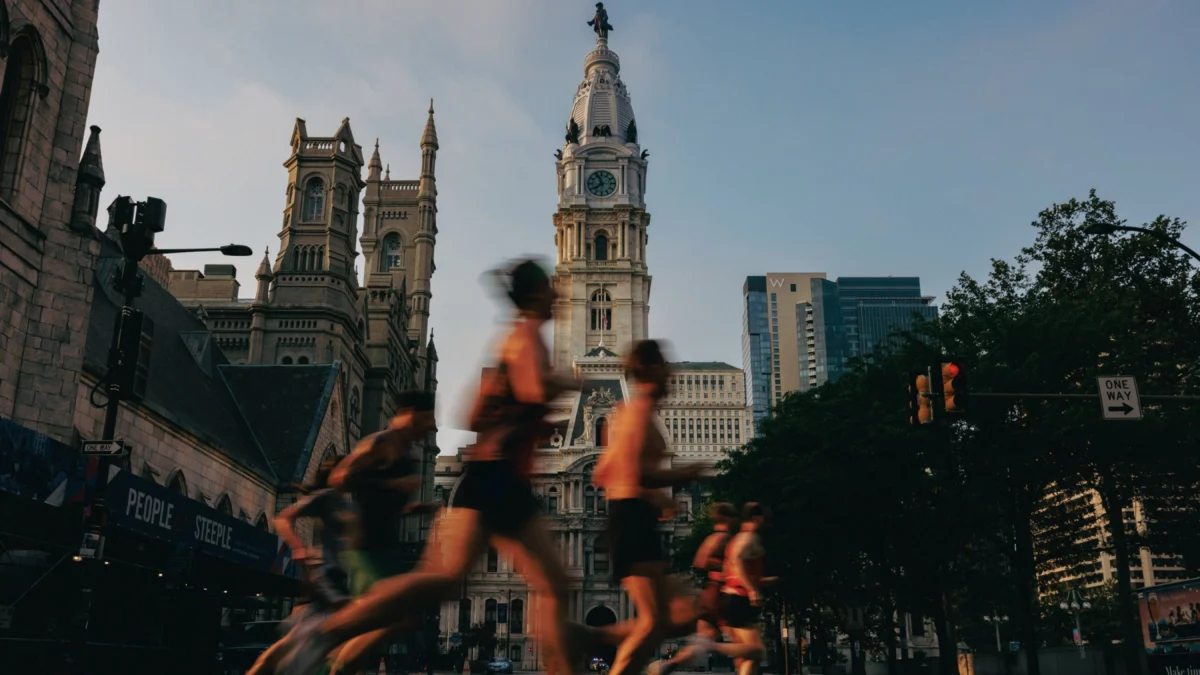
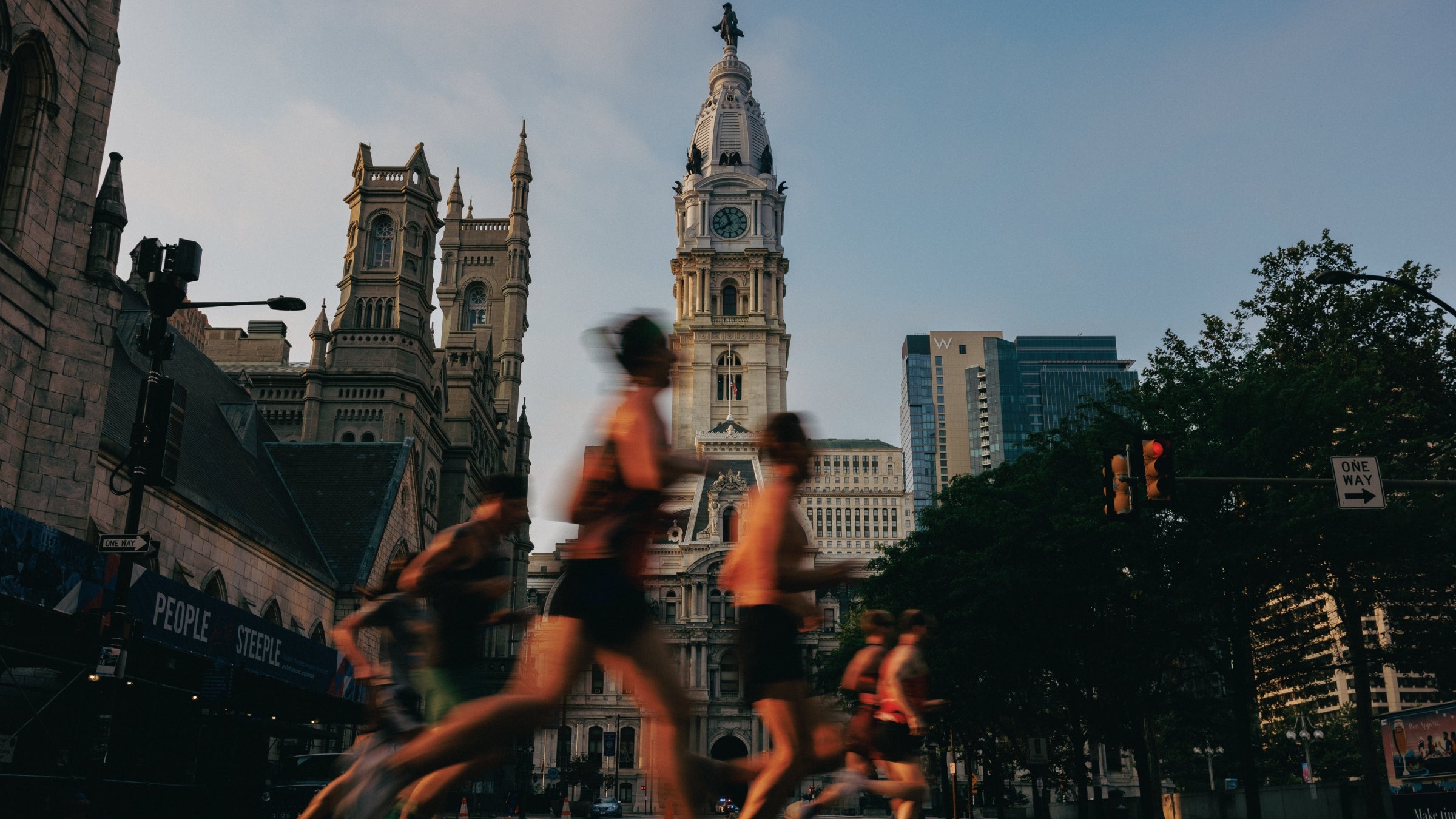
Philadelphia has long been defined in the American consciousness by its historical heavyweights: the Liberty Bell, the legendary Rocky Balboa, and a culinary obsession with cheesesteaks. While these icons remain foundational to the city’s identity, the Philadelphia of 2026 has emerged as a premier example of a modern metropolis that prioritizes ecological health, community wellness, and accessible urbanism. For the curious traveler and the resident alike, the city now offers a sophisticated tapestry of expansive green spaces and a world-class culinary scene that rewards exploration far beyond the traditional tourist corridors of Center City.
The Architectural and Ecological Foundations of Fairmount Park
At the heart of Philadelphia’s modern appeal is Fairmount Park, a sprawling network of greenery that serves as the city’s environmental anchor. Spanning more than 2,000 acres of landscaped terrain, it is one of the largest urban park systems in the United States. When aggregated with its 60 affiliated neighborhood parks, the total acreage exceeds 10,000—roughly ten times the size of New York City’s Central Park. This vastness provides a unique psychological and physical buffer for the residents of the nation’s sixth-largest city.
Geographically, the park system is bifurcated by the Schuylkill River, creating distinct zones of recreation. The Belmont Plateau, located in West Fairmount Park, offers what urban planners describe as the city’s most significant "view corridor," an unobstructed vista where the skyline appears framed by rolling meadows. To the north, the terrain shifts dramatically into the Wissahickon Valley Park. This 1,800-acre gorge features over 50 miles of rugged trails and the historic Forbidden Drive—a five-mile gravel path that has remained closed to vehicular traffic since a 1921 public protest.
Ecological data from the Fairmount Park Conservancy indicates that these green spaces sequester thousands of tons of carbon annually and provide a critical habitat for indigenous species, including bald eagles, which have seen a resurgence in the Wissahickon corridor over the last decade. The park’s historical significance is further bolstered by sites like Shofuso, a 17th-century-style Japanese House and Garden, and the Boxers’ Trail, a wooded loop famously utilized for training by heavyweight champion Joe Frazier.
The Schuylkill River Renaissance and the East Coast Greenway
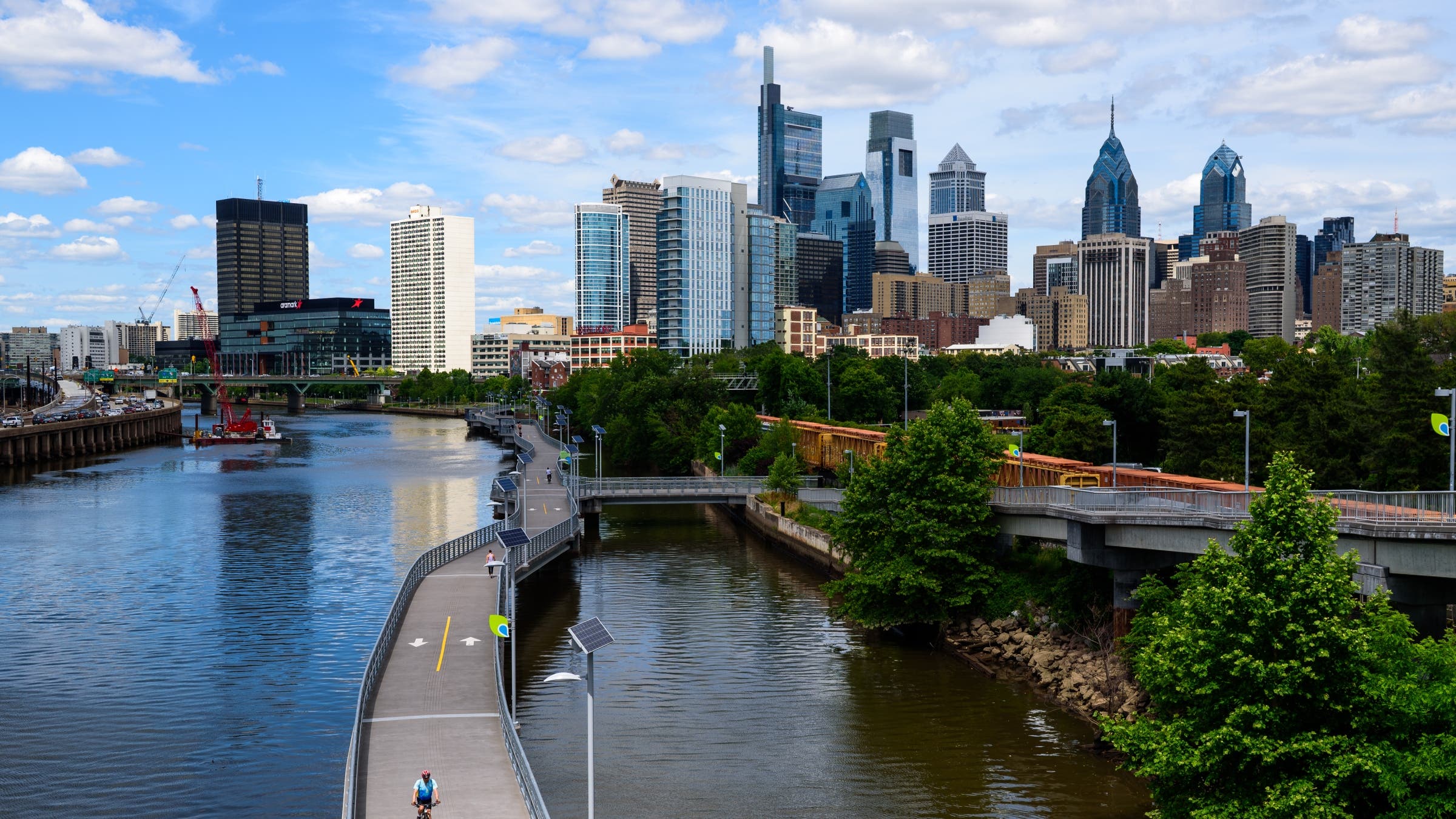
Philadelphia’s relationship with its waterfront has undergone a paradigm shift over the past 20 years. Once a neglected industrial artery, the Schuylkill River is now a central hub for the city’s fitness culture. The Schuylkill Banks and River Trail, a key segment of the 3,000-mile East Coast Greenway, currently attracts an estimated 33,000 users per week. This demographic includes a diverse cross-section of the population: competitive scullers from the historic Boathouse Row, bicycle commuters, and local employees seeking a midday respite.
The trail’s expansion has been a cornerstone of the city’s "2030 Greenworks" initiative. By connecting South Philadelphia to the suburban Main Line through 30 miles of continuous paved path, the city has successfully integrated outdoor recreation into the daily transit habits of its citizens. "The Schuylkill River Trail is no longer just a park; it is a vital piece of transportation infrastructure," stated a representative from the Philadelphia City Planning Commission in a recent report on urban mobility. This integration of nature and transit is credited with a measurable increase in local property values and a decrease in regional carbon emissions.
A Chronology of Philadelphia’s Green Space Evolution
To understand Philadelphia’s current status as an "urban wild," one must look at the timeline of its development:
- 1728: John Bartram establishes Bartram’s Garden, the oldest botanical garden in North America, focusing on the collection of continental flora.
- 1855: The official establishment of Fairmount Park to protect the city’s water supply from industrial pollution.
- 1921: The "Forbidden Drive" protest ensures that the Wissahickon Valley remains a sanctuary for pedestrians and horses.
- 2010–2020: Significant investment in the Schuylkill Banks Boardwalk and the expansion of the trail system.
- 2024: The opening of the Calder Gardens on the Benjamin Franklin Parkway, a dedicated space for the works of Alexander Calder.
- 2025: Completion of the latest phase of the East Coast Greenway connection through the city’s industrial southern districts.
Wellness as a Civic Priority: Fitness and Community
The evolution of Philadelphia’s outdoor spaces has been mirrored by a surge in community-focused wellness facilities. In the Kensington neighborhood, Tufas Boulder Lounge has redefined the traditional climbing gym. Spanning 12,700 square feet, the facility operates on a philosophy that climbing is a "civic good." By implementing sliding-scale pricing and youth scholarship programs, Tufas has democratized a sport often criticized for its high barrier to entry.
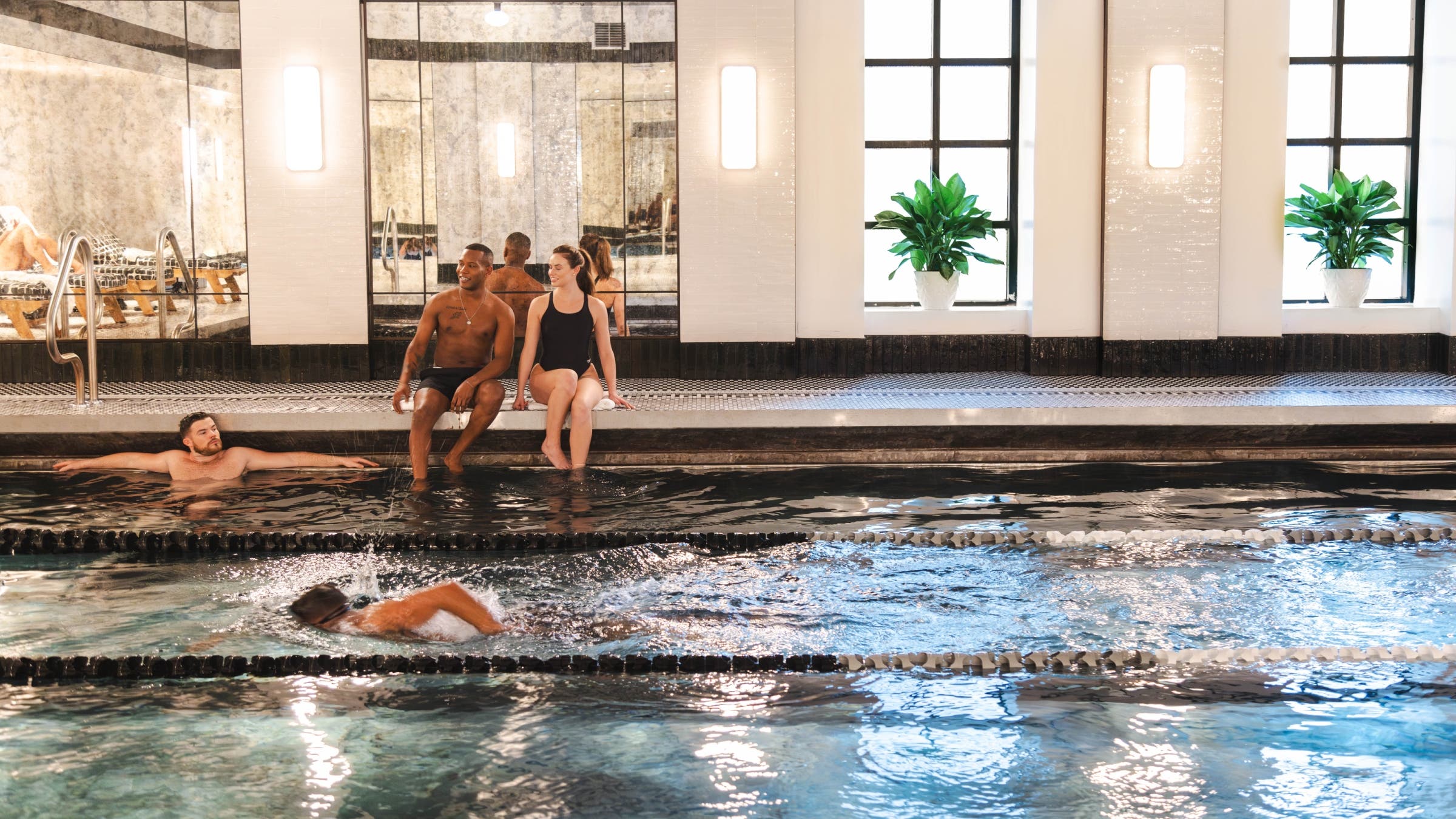
Similarly, the Ebba Sparre Sauna Collective, located on the grounds of the American Swedish Historical Museum, offers a seasonal wellness experience that honors the city’s Nordic heritage. Between December and March, these cedar barrel saunas provide a communal space for heat therapy, integrated with access to historical cultural collections. In Center City, The Sporting Club at the Bellevue represents the intersection of Gilded Age architecture and modern fitness. Housed in a Beaux-Arts masterpiece from 1904, the club provides an environment that blends luxury with rigorous athletic training, serving as a reminder of the city’s long-standing commitment to physical culture.
Gastronomy as a Cultural Archive
The Philadelphia dining scene in 2026 is characterized by a move away from pretension toward "honesty and approachability." This shift is most evident in the work of chefs Omar Tate and Cybille St. Aude-Tate at Honeysuckle. Their restaurant serves as a living archive of Black agriculture, utilizing ancestral grains and regional produce to celebrate the African diaspora. Dishes such as oxtail tamales and popped sorghum-dusted sweet potatoes are more than culinary offerings; they are historical narratives.
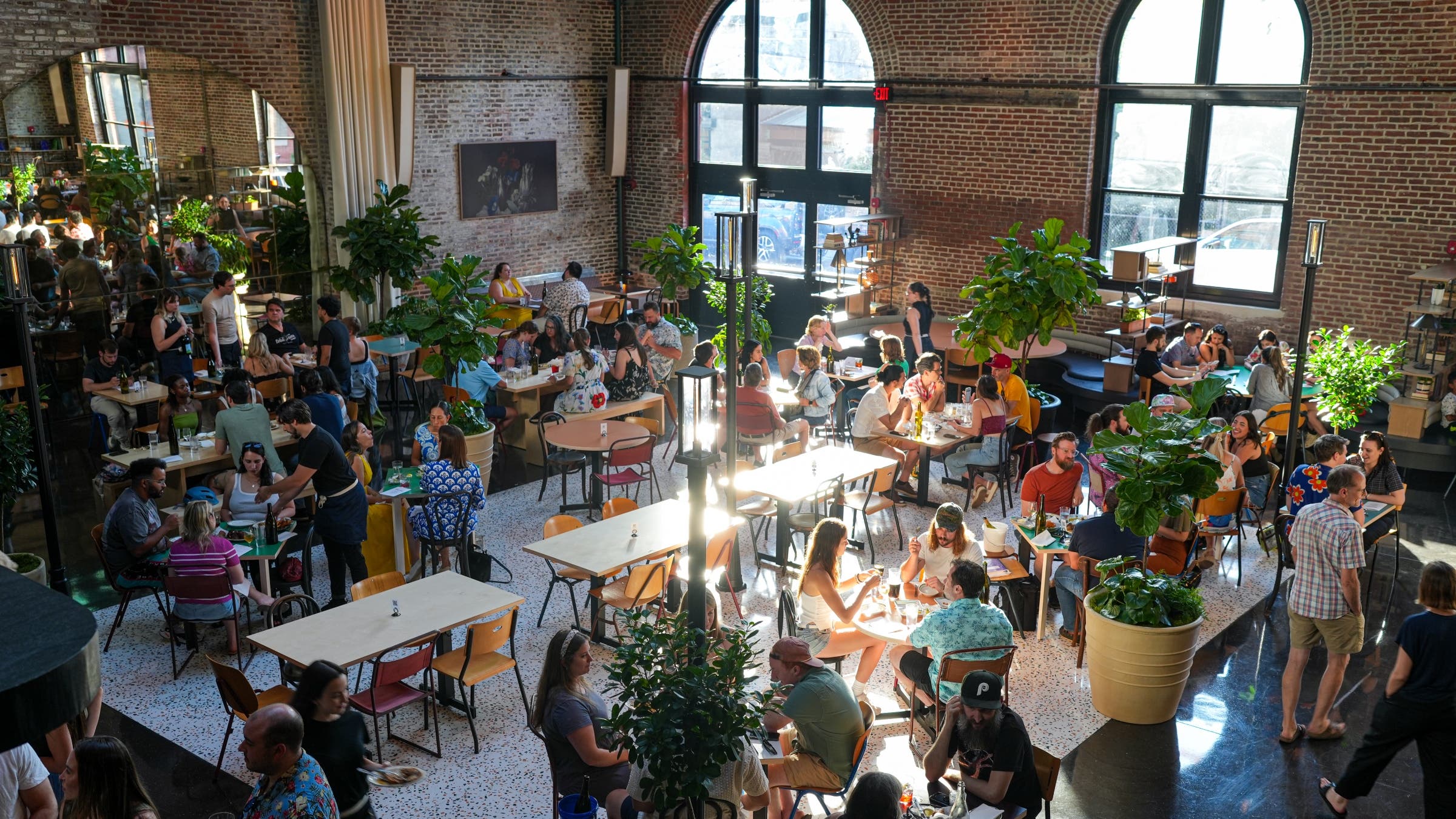
In Kensington, the restaurant Picnic occupies a former brewery boiler house, utilizing its 35-foot ceilings and 125-year-old brickwork to create a space that mimics a backyard gathering. This trend of adaptive reuse is a hallmark of the city’s development. Irwin’s, located on the eighth floor of the Bok Building—a former vocational school—offers Sicilian-style cuisine with panoramic views of South Philadelphia. These establishments demonstrate how Philadelphia’s culinary industry has successfully repurposed the city’s industrial bones to create vibrant, community-centric spaces.
Strategic Lodging and Urban Integration
The hospitality sector has also adapted to the city’s green-centric identity. The Four Seasons Hotel Philadelphia, occupying the upper floors of the Comcast Technology Center, offers guests a 57th-floor infinity pool and guided boat tours of the river, emphasizing a "sky-high" perspective of the urban forest. Conversely, boutique options like Anna & Bel in Fishtown focus on neighborhood immersion. Once a women’s asylum, the building’s original woodwork and marble floors have been preserved, reflecting the creative and historical energy of the surrounding district.
For travelers seeking longer stays, ROOST East Market provides apartment-style living with a focus on sustainability, including on-site bike shares and community gardens. This diversity in lodging reflects a broader trend: visitors are no longer just staying in Philadelphia; they are living in it, utilizing the same trails and markets as the local population.
Analysis of Implications and Future Outlook
The transformation of Philadelphia into a city that "punches above its weight" in outdoor and cultural offerings has significant implications for its future. Data from the Center City District’s 2025 economic report suggests that the "outdoor economy"—encompassing everything from bicycle shops to park-side cafes—now accounts for a substantial portion of the city’s non-industrial revenue.
Furthermore, the city’s commitment to expansive, accessible green space serves as a model for other aging industrial hubs. By prioritizing the restoration of its riverfronts and the maintenance of its historical parks, Philadelphia has improved its climate resilience and public health outcomes. The "Philly urbanism" model proves that a city can honor its gritty, industrial past while fostering a wilder, more alive future.
As the city moves toward the late 2020s, the focus remains on connectivity. The continued expansion of the trail systems and the preservation of historical landscapes like Bartram’s Garden ensure that Philadelphia will remain a destination for those who seek the intersection of history, culture, and the great outdoors. The "actual city"—the one that rewards the curious—is no longer a secret; it is a blueprint for the modern American metropolis.




 Budi Mulyono
 Chandra Hamzah
 Tatiana Tantri Indah Sari

 Lukman Taruna Persada Ramadan