
 Budi Mulyono
The global travel industry is currently navigating a complex intersection of celebratory milestones, strategic corporate realignments, and persistent operational hurdles. As the United States approaches its 250th anniversary in 2026, major domestic carriers have begun unveiling commemorative branding, while the broader hospitality and aviation sectors are implementing significant changes to loyalty programs, beverage partnerships, and premium passenger infrastructure. These developments come amid a backdrop of rising costs for expedited security services and ongoing logistical strain at major international transit hubs in Europe and the United States.
Commemorating the Semiquincentennial: Aviation’s Role in National Branding
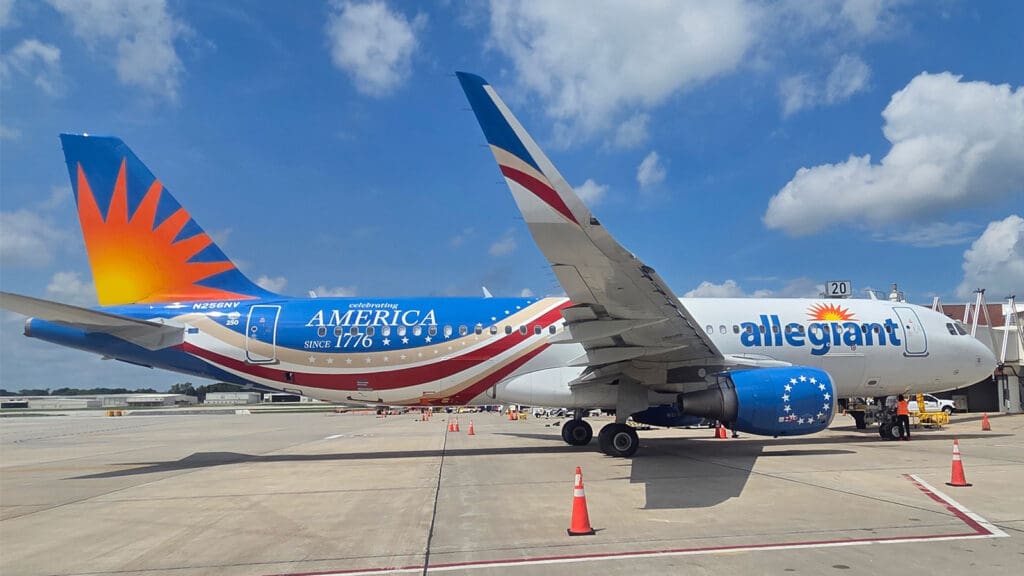
In anticipation of the United States Semiquincentennial, several domestic airlines have initiated a multi-year branding campaign to celebrate the nation’s 250th anniversary. JetBlue and Allegiant Air have become the first major carriers to unveil "USA 250" liveries, transforming their aircraft into mobile billboards for the upcoming national milestone.
For Allegiant, a carrier primarily focused on leisure travel between underserved small-to-mid-sized cities and world-class vacation destinations, the commemorative livery serves as a strategic marketing tool to align the brand with domestic heritage. Industry analysts suggest that special liveries are more than aesthetic choices; they are calculated moves to increase brand visibility in crowded airport environments and social media landscapes. Historically, commemorative aircraft—such as those seen during the 1976 Bicentennial—have become iconic symbols of the era, and the 2026 celebrations are expected to generate similar levels of public engagement.

JetBlue’s participation in the 250th-anniversary branding reflects its position as a major player in the Eastern Seaboard, where many of the historical events of the American Revolution took place. By adopting these commemorative designs early, airlines are positioning themselves at the forefront of what is expected to be a massive surge in domestic tourism as travelers visit historical sites in Philadelphia, Boston, and Washington, D.C., throughout 2026.
Strategic Network Expansions: United and Delta Adjust to Global Demand
The airline industry continues to refine its route networks to capture shifting post-pandemic demand. United Airlines has announced the addition of direct flights to Cartagena, Colombia, a move that underscores the growing importance of the South American market. Cartagena has emerged as a premier destination for North American travelers, driven by its UNESCO World Heritage status and its burgeoning luxury hospitality sector. The addition of these flights is part of a broader trend where major U.S. carriers are seeking to diversify their international portfolios beyond traditional European and Asian hubs.
Concurrently, Delta Air Lines is intensifying its focus on the French market. While Paris has always been a cornerstone of Delta’s trans-Atlantic strategy, particularly through its joint venture with Air France-KLM, the carrier is eyeing further expansion. This interest is bolstered by the sustained high demand for travel to France following the 2024 Olympic Games. Analysts note that Delta’s strategy involves capturing high-yield business and premium leisure traffic by offering increased frequencies and upgraded cabin products on these lucrative routes.
The debate over the value of top-tier airline status also reached a new inflection point this week. As loyalty programs become increasingly tied to credit card spending rather than miles flown, frequent travelers are scrutinizing the tangible benefits of "Elite" status. With lounge overcrowding and the devaluation of upgrade certificates becoming more common, the industry is seeing a shift where passengers may prioritize direct routing and cabin comfort over brand loyalty.
Hospitality Industry Shifts: The Marriott and Coca-Cola Partnership
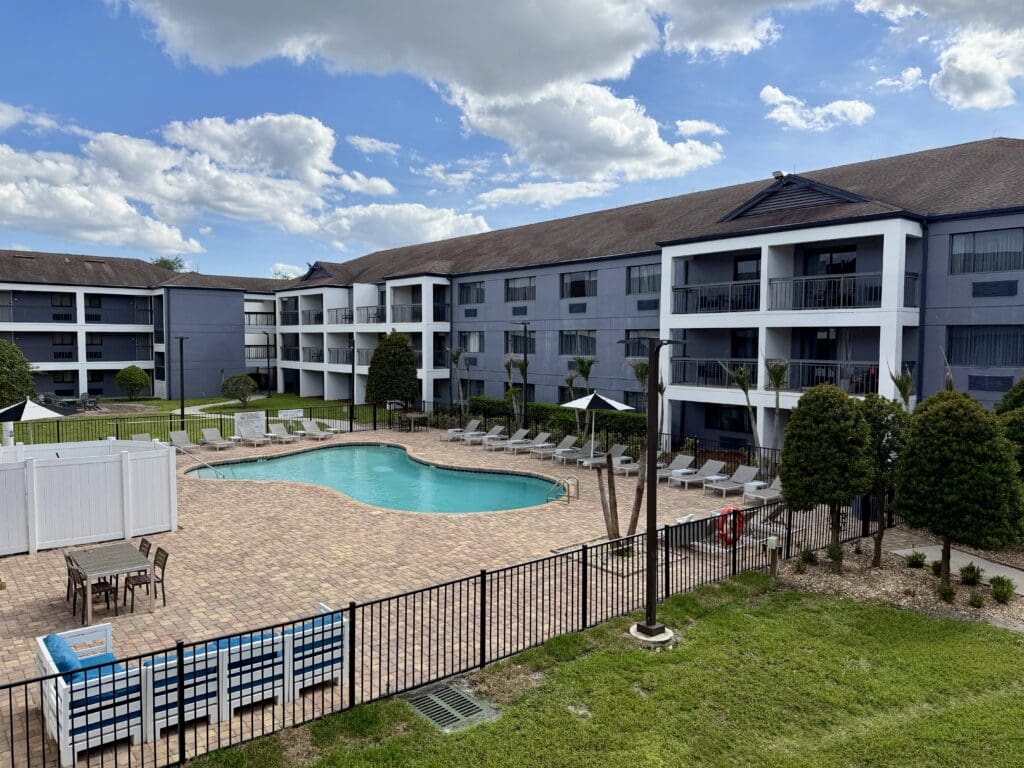
In one of the most significant shifts in the hospitality supply chain, Marriott International has announced a transition to Coca-Cola products across its extensive portfolio of brands. This move marks a departure from previous arrangements with other beverage providers and represents a massive logistical undertaking. For a global entity like Marriott, which operates thousands of properties ranging from budget-friendly Courtyards to ultra-luxury Ritz-Carlton hotels, beverage exclusivity deals are multi-million dollar contracts that impact everything from room service menus to lobby "grab-and-go" markets.
The decision to align with Coca-Cola is viewed by industry experts as a move toward global consistency. Coca-Cola’s ubiquitous international presence ensures that a guest at a Marriott in Orlando, Florida, will have the same beverage options as a guest in London or Tokyo. This partnership also extends into the digital and loyalty realms, with potential for cross-promotional offers between Marriott Bonvoy and Coca-Cola’s various marketing platforms.
In addition to beverage changes, Marriott continues to innovate through its partnership with United Airlines. The two companies recently launched a combined promotion designed to incentivize "dual loyalty," allowing travelers to earn both Marriott Bonvoy points and United MileagePlus miles on specific bookings. This synergy is intended to lock travelers into a single ecosystem for both their transportation and lodging needs.
The Evolution of Premium Ground Services: Lounge Expansions and Investments
As the competition for premium passengers intensifies, airlines are investing heavily in ground infrastructure. Delta Air Lines has expanded its "Delta One" concept with the opening of a second dedicated lounge at Los Angeles International Airport (LAX). Unlike standard Sky Clubs, Delta One lounges are exclusive to passengers traveling in the airline’s highest cabin class, offering fine dining, spa services, and personalized concierge assistance. This move is a direct response to United’s Polaris Lounges and American Airlines’ Flagship Lounges, as carriers race to provide a seamless "end-to-end" luxury experience.
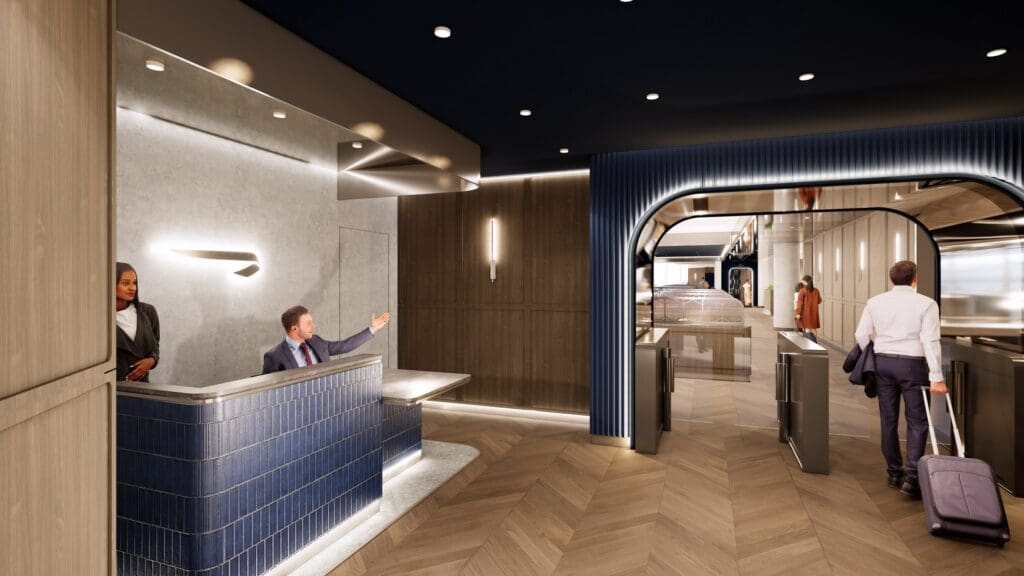
American Airlines is also evolving its ground service strategy, particularly at New York’s John F. Kennedy International Airport (JFK). The carrier is introducing a "grab-and-go" concept within its lounge footprint, catering to the modern business traveler who may prioritize efficiency and speed over a sit-down meal. This hybrid approach reflects a broader trend in airport design where "high-touch" service and "high-speed" convenience must coexist.
On the international front, British Airways has signaled a renewed commitment to the United States market with significant investments in its Newark (EWR) facilities and other key U.S. gateways. The airline is focused on refurbishing its lounges to align with its new "Club Suite" business class product, ensuring that the ground experience matches the upgraded inflight hardware.
Security and Infrastructure: The Rising Cost of Convenience
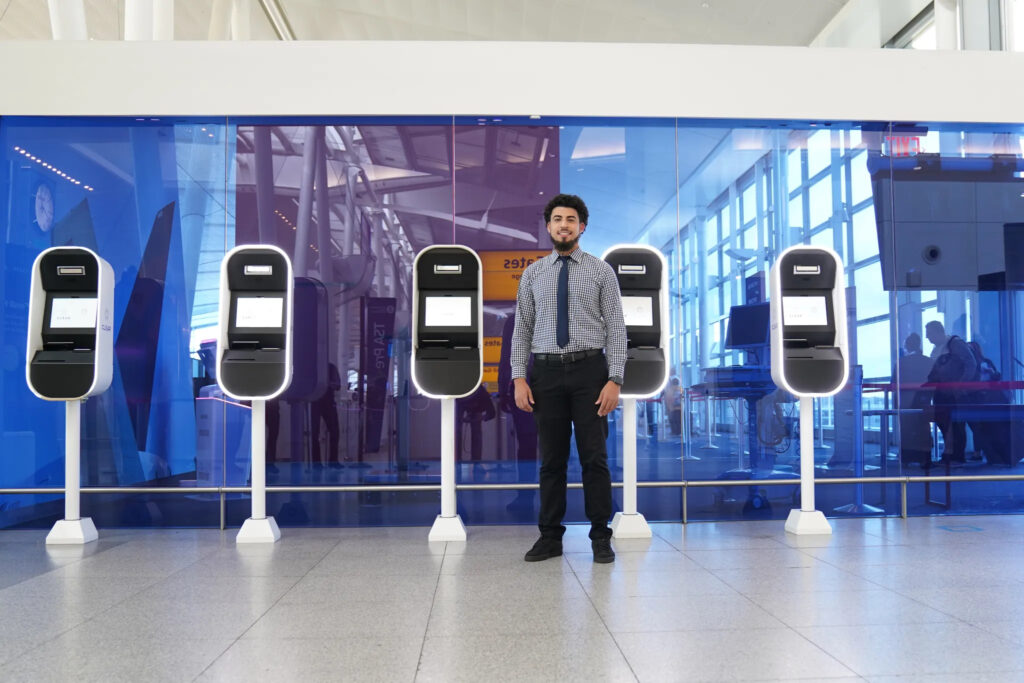
Travelers utilizing expedited security services are facing higher costs as CLEAR® Plus announced a price increase. CLEAR, which uses biometric data to verify identity, has become a staple for frequent flyers looking to bypass traditional TSA lines. However, the price hike comes at a time when the Transportation Security Administration (TSA) is expanding its own PreCheck program and implementing new facial recognition technology at checkpoints.
The rising cost of CLEAR Plus raises questions about the long-term viability of third-party security programs. As government-run programs like Global Entry and TSA PreCheck become more efficient and technologically advanced, private companies like CLEAR must find new ways to add value, such as expanding into stadiums and other public venues.
Operational Volatility: European and New York Market Challenges
Despite the advancements in luxury and branding, the operational reality for many travelers remains challenging. European airports have experienced a series of "meltdowns" this season, characterized by air traffic control strikes, staffing shortages, and technical failures. Major hubs like Frankfurt, London Heathrow, and Amsterdam Schiphol have struggled to maintain schedules, leading to cascading delays across the Atlantic.
In the United States, the New York metropolitan area—home to JFK, LaGuardia (LGA), and Newark (EWR)—continues to be a bottleneck for the national airspace. A combination of record-breaking passenger volumes and aging infrastructure has led to significant delays during peak summer travel periods. The FAA has been working to address staffing shortages among air traffic controllers in the New York region, but the complexity of the airspace means that even minor weather events can result in hundreds of cancellations.
Future Outlook and Broader Implications
The developments of this week suggest a travel industry in a state of high-velocity transition. The move toward the 2026 Semiquincentennial provides a rare opportunity for domestic airlines to engage in large-scale national storytelling, potentially boosting domestic tourism to historic levels. However, the success of these initiatives will depend on the industry’s ability to stabilize operations and manage rising costs.
The shift in hospitality partnerships, exemplified by the Marriott-Coke deal, indicates a trend toward global consolidation and brand alignment. Meanwhile, the "lounge wars" among Delta, American, and British Airways demonstrate that the battle for the high-yield passenger is no longer fought just in the air, but also in the terminal.
As the industry moves forward, the primary challenge will be balancing the desire for premium, personalized experiences with the logistical necessity of managing millions of passengers in an increasingly strained global infrastructure. For the traveler, these changes offer more choices and better amenities, albeit often at a higher price point or through more complex loyalty requirements. The coming years will likely see further integration between airlines, hotels, and technology providers as they seek to create a more frictionless—and profitable—travel ecosystem.




 Anjar Salim
 Chandra Hamzah
 Tatiana Tantri Indah Sari

