
 Budi Mulyono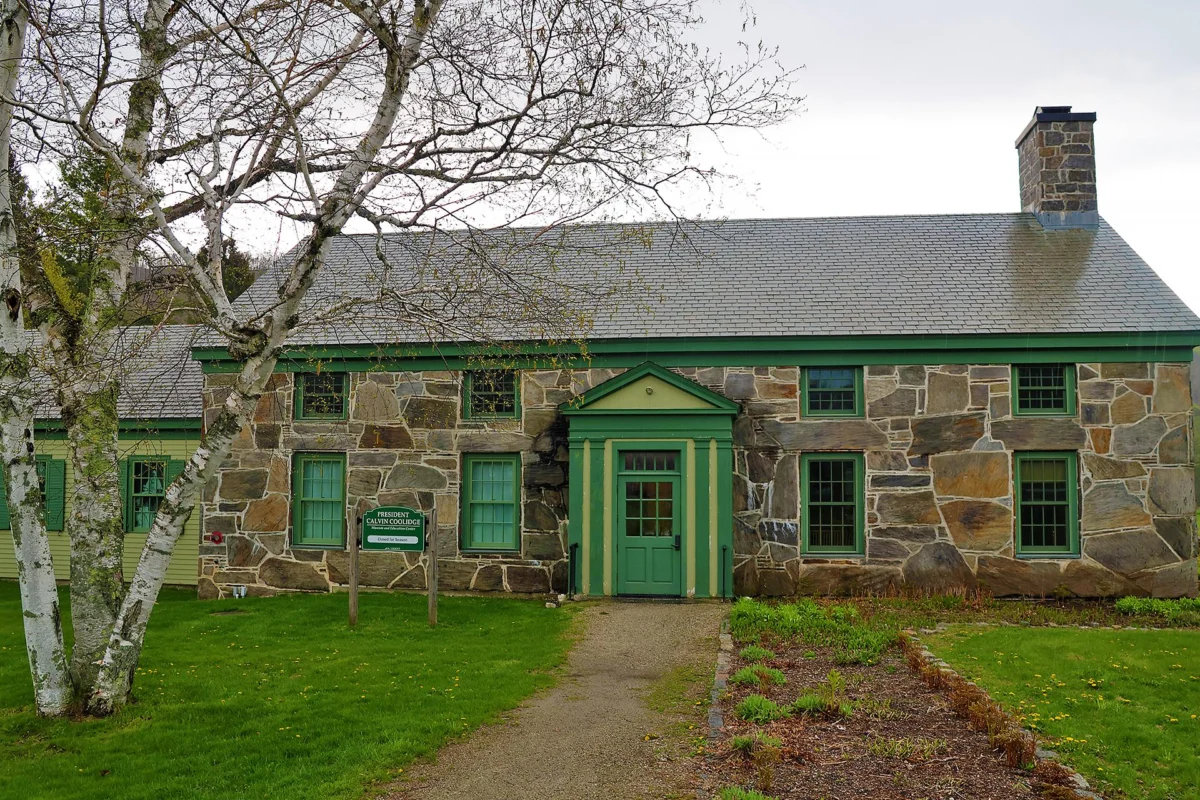
The United States today marks the 154th anniversary of the birth of John Calvin Coolidge Jr., the nation’s thirtieth president, who remains the only American chief executive born on the Independence Day holiday. Born on July 4, 1872, in the small hamlet of Plymouth Notch, Vermont, Coolidge’s life and legacy are being honored today, Saturday, July 4, 2026, at the President Calvin Coolidge State Historic Site. This location, managed by the Vermont Division for Historic Preservation, serves as a remarkably preserved time capsule of late 19th and early 20th-century rural life, offering a window into the environment that shaped one of the most fiscally conservative leaders in American history.
As the nation celebrates its own founding, the observance at Plymouth Notch highlights a unique intersection of personal and national history. While three of the five Founding Father presidents—John Adams, Thomas Jefferson, and James Monroe—famously passed away on the fourth of July, Coolidge stands alone in having entered the world on that date. This coincidence has long linked his identity with the core American values of industry, thrift, and independence, traits that defined his tenure in the White House from 1923 to 1929.
The Midnight Inauguration: A Defining Moment in American History
The most storied event in the history of Plymouth Notch occurred not during Coolidge’s childhood, but during his vice presidency. In the summer of 1923, then-Vice President Coolidge was vacationing at his family home in Vermont when word arrived of the unexpected death of President Warren G. Harding in San Francisco.
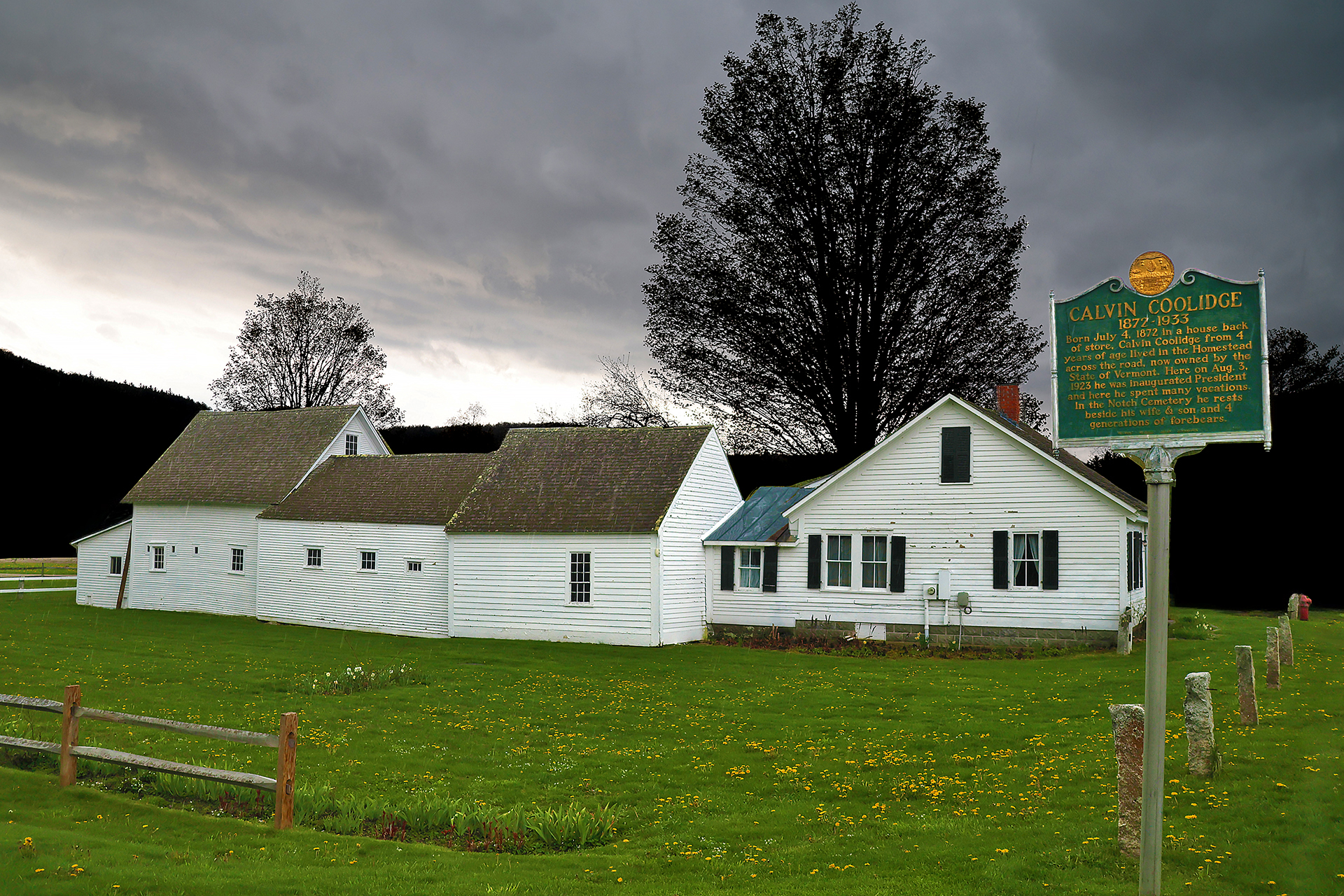
At 2:47 a.m. on Friday, August 3, 1923, in the small parlor of the Coolidge Homestead, the presidential oath of office was administered by the light of a kerosene lamp. In a move that remains unique in the annals of the American presidency, the oath was administered by Coolidge’s own father, John Calvin Coolidge Sr., who was a notary public and a local justice of the peace. This humble "Homestead Inauguration" solidified Coolidge’s image as a man of the people, deeply rooted in the soil and traditions of New England.
The preservation of the site ensures that the parlor remains furnished exactly as it was during that historic early morning. Visitors today can view the very table where the family Bible rested and the kerosene lamp that provided the only light for the transition of power. Historians often point to this event as the beginning of the "Coolidge Era," characterized by a return to normalcy and a steadfast belief in the dignity of simple, rural virtues.
Architectural and Historical Preservation of Plymouth Notch
The President Calvin Coolidge State Historic Site is widely considered one of the best-preserved presidential birthplaces in the United States. The village appears today much as it did during Coolidge’s lifetime, largely due to meticulous restoration efforts that began shortly after his death on January 5, 1933.
The site encompasses a variety of structures that tell the story of a self-sufficient 19th-century community. These include:
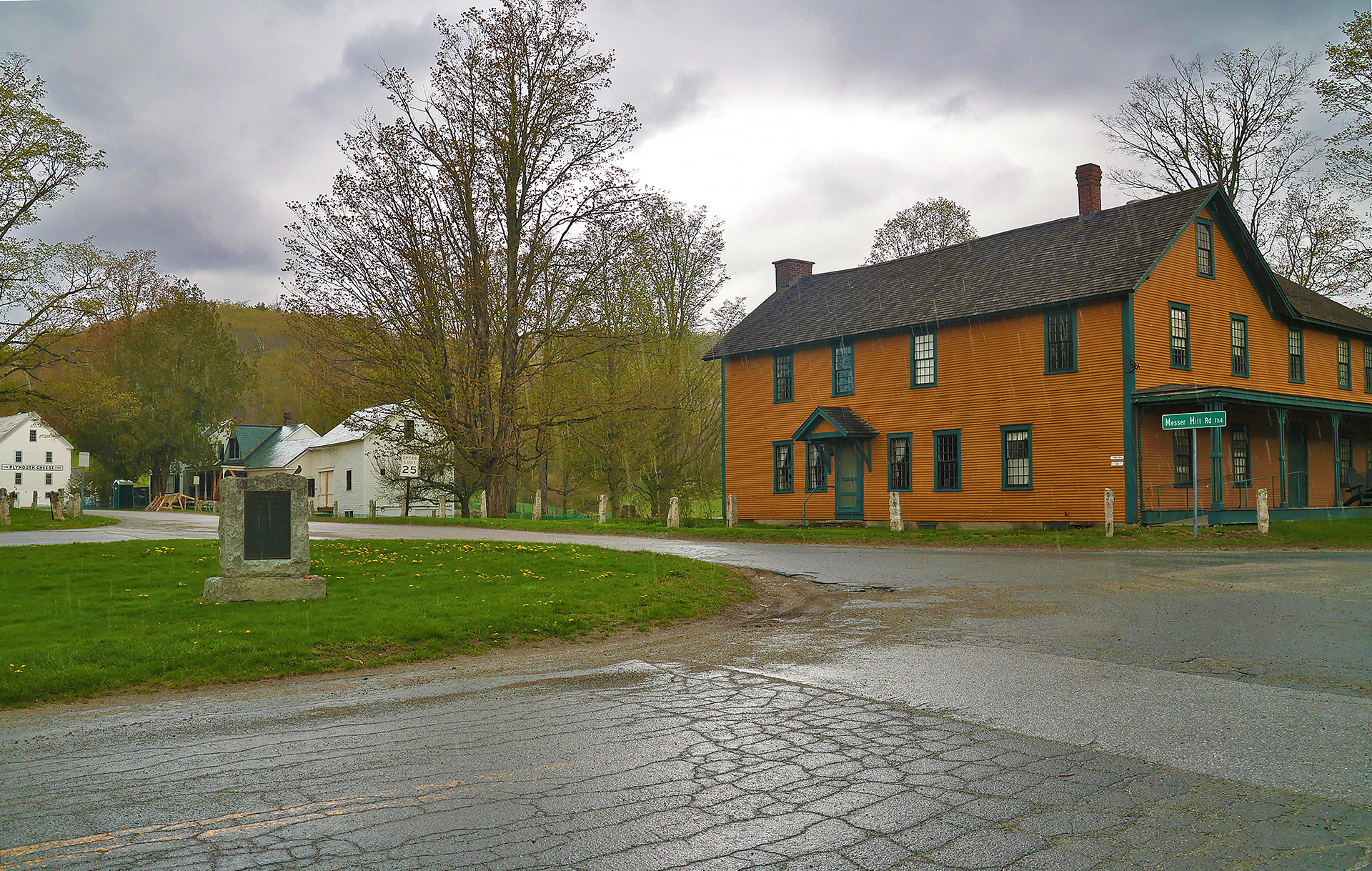
- The Coolidge Homestead: The family residence where the 1923 inauguration took place.
- The Birthplace: A modest house located behind the general store where Coolidge was born in 1872.
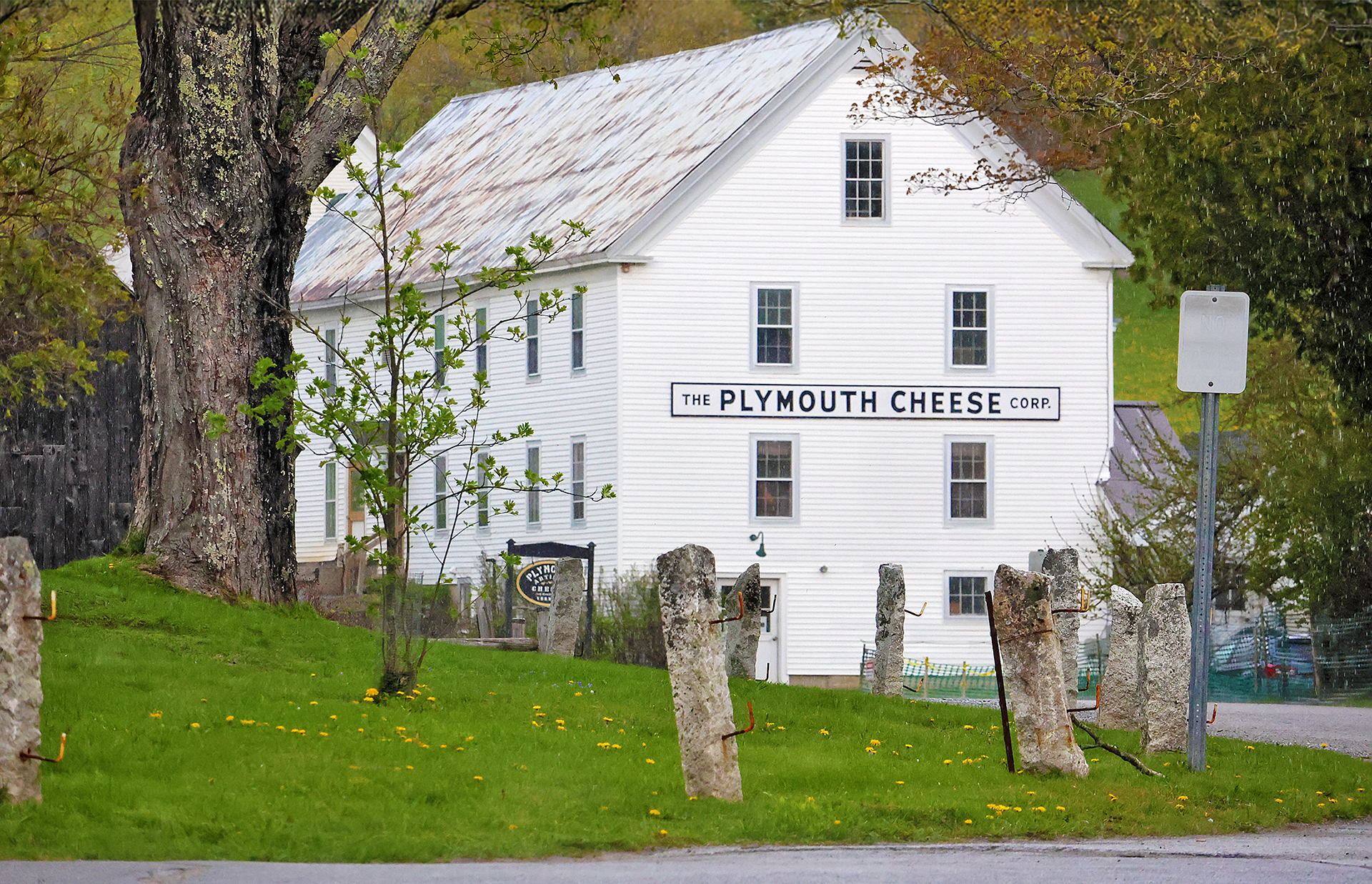
- The Plymouth Cheese Factory: Founded by the President’s father in 1890, this facility continues to produce artisanal cheese using original recipes, symbolizing the agricultural roots of the region.
- The Union Christian Church: An 1840 structure where the Coolidge family worshipped.
- The 1890 Schoolhouse and General Store: Essential hubs of social and economic life in the Notch.
- The 1924 Summer White House Office: Used during Coolidge’s working vacations while he served as president.
The village green is also bordered by tourist cabins constructed in 1927. These cabins were among the first built to accommodate the influx of "motor tourists" who began making pilgrimages to Vermont to see the home of the sitting president. This early tourism infrastructure highlights the shift in American culture toward the automobile age, a transition that occurred largely during the Coolidge administration.
The Philosophy of Persistence: A Re-evaluation of the 30th President
Often referred to as "Silent Cal" for his laconic nature and dry wit, Coolidge’s political philosophy was centered on the idea that "the chief business of the American people is business." His administration was marked by significant tax cuts, a reduction in the national debt, and a hands-off approach to the economy that coincided with the prosperity of the "Roaring Twenties."
Beyond economics, Coolidge is remembered for his stoic temperament and his belief in the power of individual determination. His most famous declaration on the subject continues to resonate in American discourse:
"Nothing in this world can take the place of persistence. Talent will not; nothing is more common than unsuccessful men with talent. Genius will not; unrewarded genius is almost a proverb. Education will not; the world is full of educated derelicts. Persistence and determination alone are omnipotent. The slogan ‘Press On!’ has solved and always will solve the problems of the human race."
This ethos of persistence was tested during his presidency by personal tragedy, most notably the death of his son, Calvin Jr., from an infected blister in 1924. Despite his grief, Coolidge maintained his duties, later writing in his autobiography that when his son died, "the power and the glory of the Presidency went with him."
Statistical Context and National Impact
During Coolidge’s nearly six years in office, the United States experienced a period of remarkable stability. Under the guidance of Treasury Secretary Andrew Mellon, the top marginal income tax rate was lowered from 58% to 25%, while the national debt was reduced by approximately one-third. Unemployment remained low, averaging roughly 3.3% throughout his term.
Coolidge’s decision not to seek re-election in 1928 remains a point of fascination for political scientists. After serving out the remainder of Harding’s term and winning a landslide victory in 1924, Coolidge chose to step down, famously stating that ten years in the executive office would be "longer than any other man has had it—too long!" His departure paved the way for Herbert Hoover and preceded the onset of the Great Depression, leading to decades of debate regarding whether Coolidge’s policies contributed to the crash or if his successors failed to maintain his fiscal discipline.
Commemorative Events and Visitor Information for 2026
For the 2026 season, the President Calvin Coolidge State Historic Site has expanded its educational offerings. The Museum & Education Center, originally established in 1972 and significantly enlarged in 2010, currently houses extensive archives and permanent exhibits that chronicle both the private life of the Coolidge family and the public policy of the 1920s.
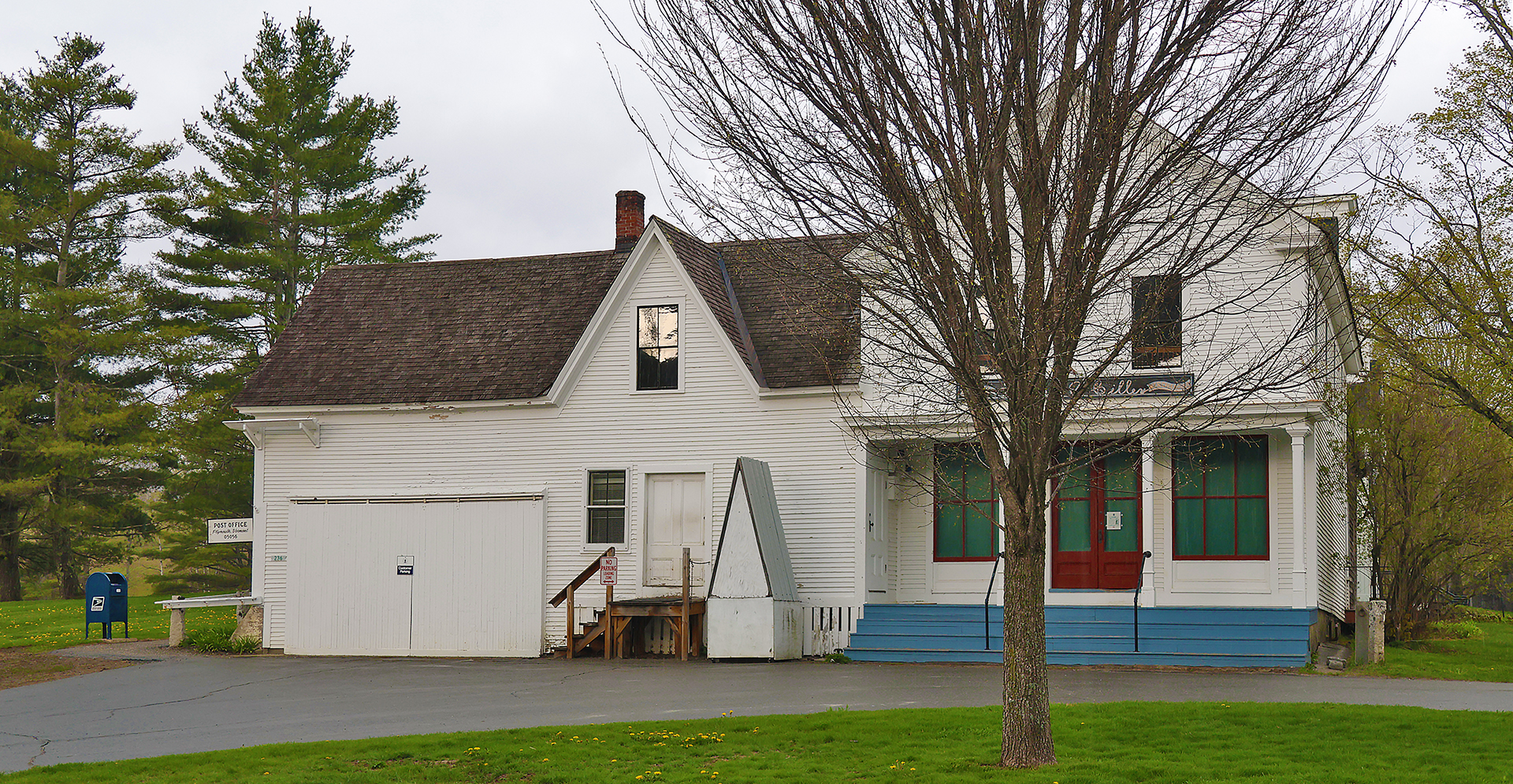
The site is currently open for the 2026 season with the following schedule and fee structure:
Operational Hours:
- Daily: 10:00 AM – 5:00 PM
- Season Duration: Late May through mid-October
Admission Rates:
- Adults (17+): $12.00
- Children (6–16): $4.00
- Children (under 6): Free
- Group Rate (10+): $10.00 per person
- Special Note: Admission is waived today, Saturday, July 4, 2026, in honor of the President’s birthday.
Visitors are encouraged to explore the walking trails that surround the village and visit the Notch Cemetery. Located on a steep hillside overlooking the valley, the cemetery serves as the final resting place for Calvin Coolidge, his wife Grace, their son Calvin Jr., and seven generations of the Coolidge family. Unlike the grand monuments of other presidents, Coolidge’s gravestone is a simple upright granite marker distinguished only by the presidential seal.
Broader Implications: The Relevance of Plymouth Notch Today
The continued interest in the Coolidge State Historic Site reflects a broader American interest in the values of the early 20th century. As modern politics grows increasingly complex, the simplicity of Coolidge’s "Press On" philosophy and his commitment to limited government continue to attract scholars and tourists alike.
State officials note that historical tourism remains a vital component of the Vermont economy. The preservation of Plymouth Notch not only honors a favorite son but also protects the rural landscape from overdevelopment, maintaining the "bucolic image" that Coolidge so cherished. As the 154th anniversary celebrations conclude this evening, the site stands as a testament to the idea that the character of a leader is often forged in the quiet, persistent rhythms of small-town life.
For those traveling to the site, officials remind the public that several roads within the village remain active public thoroughfares. Visitors are urged to exercise caution and remain aware of traffic while moving between the various historic buildings. For further information, the site can be reached via the Vermont Division for Historic Preservation at the Plymouth Notch headquarters.




 Anjar Salim
 Chandra Hamzah
 Tatiana Tantri Indah Sari
 Lukman Taruna Persada Ramadan
