
 Walid Sujud Trenggono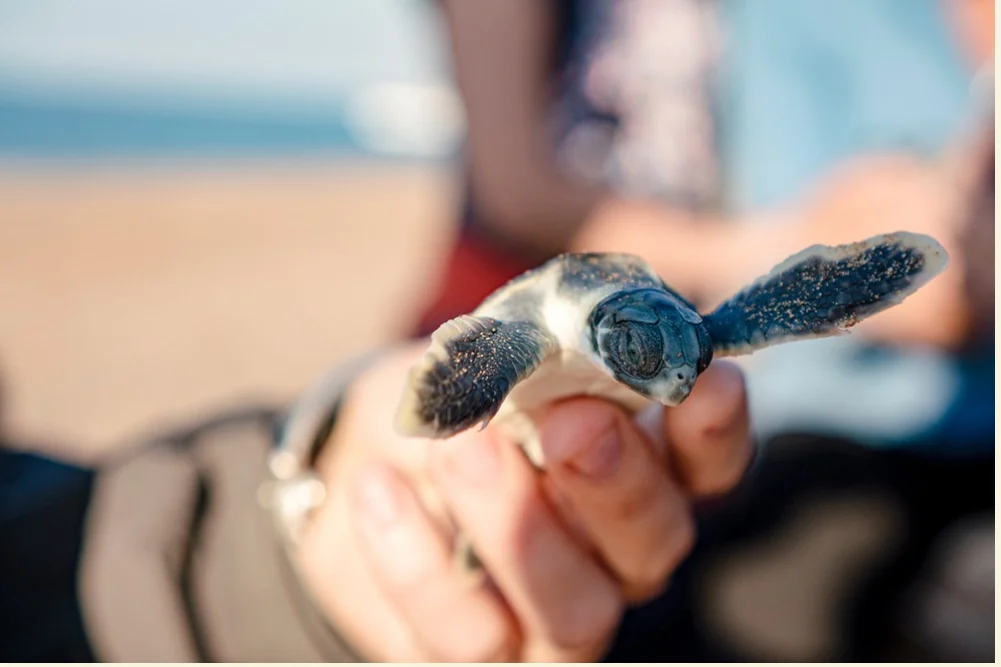
Located on the remote fringes of the Joseph Bonaparte Gulf, approximately 60 kilometers from the city of Darwin, Bare Sand Island serves as a critical frontline for the preservation of one of the world’s most enigmatic marine reptiles: the flatback turtle (Natator depressus). Unlike the six other species of sea turtles found globally, the flatback is the only one endemic to the Australian continental shelf, nesting nowhere else on Earth. Despite this unique status, the species remains shrouded in mystery, classified as "data deficient" by both the Northern Territory government and the International Union for Conservation of Nature (IUCN) Red List. This lack of definitive data has spurred a dedicated cohort of scientists and volunteers from the non-profit organization AusTurtle to establish a seasonal research station on the island, aiming to bridge the knowledge gap before the accelerating impacts of climate change render the population unviable.
The Biological Profile of Natator Depressus
The flatback turtle derives its name from its distinctively low-domed, horizontal carapace, which lacks the high arch seen in green or loggerhead turtles. This anatomical feature is believed to be an evolutionary adaptation to the shallow, murky coastal waters of northern Australia, where the species spends its entire life cycle, avoiding the deep oceanic migrations characteristic of its relatives. Adult flatbacks can weigh up to 90 kilograms and reach a length of nearly one meter. Their nesting behavior is equally distinct; while most sea turtles lay upwards of 100 small eggs, the flatback lays a smaller clutch of approximately 50 eggs, which are notably larger—roughly the size of a billiard ball.
The survival of these creatures is a statistical anomaly. Marine biologists estimate that only one in every 1,000 hatchlings survives to reach sexual maturity, which occurs at approximately 30 years of age. The "lost years"—the three decades between a hatchling entering the surf and a mature female returning to her natal beach to nest—remain a significant void in marine science. Researchers on Bare Sand Island are working to determine where these turtles go and how they survive in an environment increasingly crowded by industrial shipping, plastic pollution, and predatory threats.
A Chronology of the Nesting Season
The nesting season on Bare Sand Island, known to the traditional Kenbi owners as Ngulbitjik, spans from May to September, peaking during the winter solstice. This period is often referred to by researchers as the "halcyon days," a term rooted in Greek mythology describing a period of calm seas and gentle winds. For the flatback turtle, these conditions are essential. The turtles utilize a specific four-hour window—two hours on either side of the high tide—to navigate the shoreline.
The nightly ritual begins under the cover of darkness. As the tide reaches its zenith, clusters of female turtles emerge from the inky waters of the Joseph Bonaparte Gulf. This "safety in numbers" strategy is a defensive mechanism against predators, including the island’s resident three-legged saltwater crocodile, colloquially known as Graham. Once ashore, the turtles begin a slow, laborious trek into the primary dunes. The process of nesting is exhaustive; a female may spend hours excavating multiple trial pits before selecting a site with the optimal sand consistency and temperature. Using her hind flippers with surprising dexterity, she digs a deep egg chamber, deposits her clutch, and carefully camouflages the site before returning to the sea.
The Role of the AusTurtle Research Camp
Since the late 1980s, AusTurtle has operated a seasonal, low-impact research camp on Bare Sand Island. The operation is entirely volunteer-run, attracting marine biology students, scientists, and environmental enthusiasts who commit to week-long stints of nocturnal monitoring. The camp is a model of "no-trace" conservation; there are no permanent structures, no ground fires are permitted, and all waste, including composted material, is transported back to the mainland.
The researchers’ work begins the moment a turtle is sighted. To avoid disturbing the nesting process, the team uses red-light headlamps, which are less visible to the turtles. Once the laying process begins—a state of "nesting trance" where the turtle is less sensitive to external stimuli—the team moves in to collect vital data. This includes:
- Carapace Measurement: Tracking the growth and health of the nesting population.
- Tagging and Identification: Checking for existing titanium flipper tags or applying new ones to track site fidelity and longevity.
- Nest Temperature Monitoring: Inserting probes into the egg chambers to record the thermal environment of the developing embryos.
- Hatchling Rescue: In the early morning hours, researchers patrol the beach for "stragglers"—hatchlings that have become trapped in collapsed nests or disoriented by the terrain. These individuals are collected and kept in a cool, dark environment until they can be safely released under the cover of the following night’s high tide.
Climate Change and the Threat of Feminization
The most pressing concern for the long-term survival of the flatback turtle is the phenomenon of Temperature-dependent Sex Determination (TSD). Unlike mammals, the sex of a sea turtle is determined by the temperature of the sand in which the eggs are incubated. Warmer temperatures produce females, while cooler temperatures produce males. The "pivotal temperature"—which produces an equal 50/50 ratio—is typically around 29 degrees Celsius.
As global temperatures rise, scientists are witnessing a dangerous trend toward the "feminization" of turtle populations. On Bare Sand Island, researchers are monitoring nest temperatures closely to determine if the population is reaching a tipping point where too few males are being produced to sustain future generations. Unlike other species that might migrate to cooler, more southerly latitudes as the climate warms, the Northern Territory flatbacks are geographically constrained. They are already at the northernmost extent of their range; there are no cooler beaches further south that offer the same specific ecological requirements for nesting.
Furthermore, rising sea levels pose a physical threat to the rookery. Bare Sand Island is a low-lying accumulation of sand and reef. Increased storm surges and higher tides threaten to inundate nesting sites, either washing away the eggs or drowning the developing embryos within the sand.
Cultural Context and Traditional Land Rights
The history of Bare Sand Island is as complex as its biology. For decades, the island was used as a military firing range, a period evidenced by the scattered gunnery shells still found among the dunes. However, in 2016, following one of the longest-running Aboriginal land claims in Australian history, native title was awarded to the Kenbi clan.
The Kenbi people hold Ngulbitjik sacred and have a millennia-long history of sustainable resource management on the island. This includes the traditional harvesting of turtle eggs, which are a valued source of protein. While this practice sometimes creates a perceived conflict with Western conservation ideals, researchers like Andrew Raith argue that the two can coexist. Raith posits that the Indigenous harvest gives the turtles a tangible value to the local community, ensuring that the Kenbi people remain the primary stewards of the island’s health. He notes that the survival rate of the species has remained stable for thousands of years alongside traditional hunting, suggesting that the modern threats of industrialization and climate change are the true drivers of potential extinction, rather than local consumption.
Ecological Implications of Species Loss
The flatback turtle is considered an "indicator species," meaning its health reflects the overall condition of the marine ecosystem. They play a vital role in maintaining the health of the seabed by foraging on invertebrates, sponges, and soft corals. Their presence regulates the population of these organisms and facilitates nutrient cycling within the reef systems of the Joseph Bonaparte Gulf.
The collapse of the flatback population would likely trigger a trophic cascade, leading to the overgrowth of certain algae and the decline of various fish species that rely on a balanced reef environment. "If flatbacks go, you weaken the entire ecosystem," explains Raith. "It won’t just be the turtles that disappear. It will be the invertebrates, the corals, the algae… and their predators too." This perspective underscores the reality that human communities are not separate from these ecosystems but are intrinsically linked to their stability.
Future Outlook and Conservation Management
The data gathered by AusTurtle on Bare Sand Island is slowly moving the flatback turtle toward a more concrete conservation status. By documenting the frequency of nesting, the health of the females, and the success rate of hatchlings, scientists are providing the evidence necessary for government bodies to implement more robust environmental protections.
For the broader public, the conservation of the flatback turtle has become a point of regional pride. Tourism initiatives, such as guided tours from Darwin, allow the public to witness the nesting process under strict supervision, fostering a sense of stewardship. However, the future of the species ultimately depends on global efforts to mitigate carbon emissions and local efforts to protect nesting habitats from industrial encroachment. As the volunteers of Bare Sand Island surrender their sleep to monitor the "middle-aged beauties" of the deep, they are not just saving a species; they are attempting to preserve the ecological integrity of the Australian coastline for generations to come.




 Anjar Salim
 Chandra Hamzah
 Tatiana Tantri Indah Sari
 Budi Mulyono
 Lukman Taruna Persada Ramadan
