
 Walid Sujud Trenggono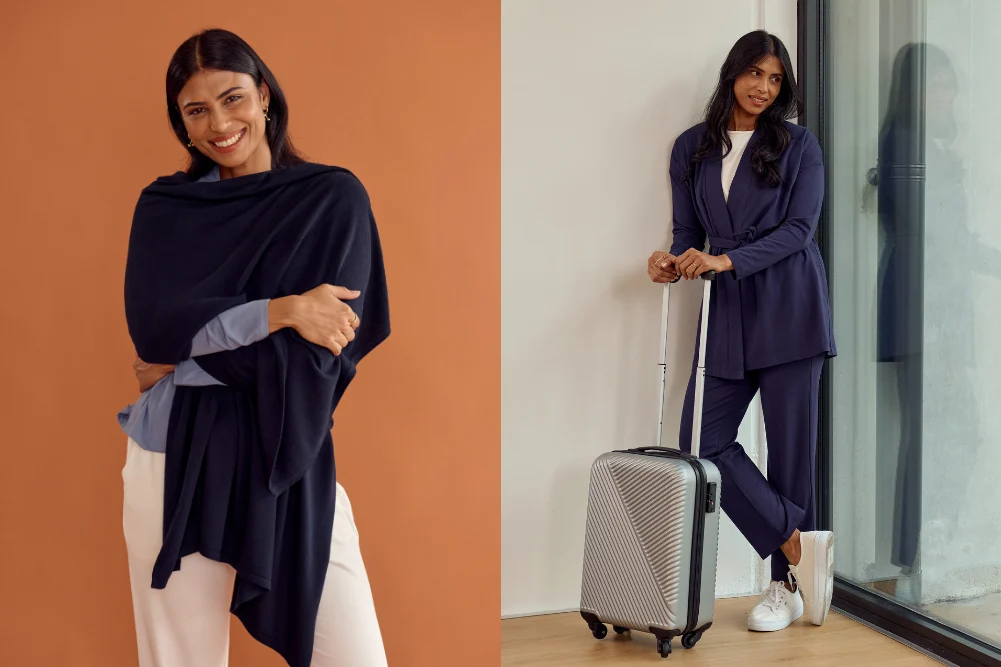
The evolution of global transit has reached a pivotal juncture where the intersection of textile technology and passenger wellness is no longer a luxury but a functional necessity. As long-haul travel returns to pre-pandemic volumes, the physiological and psychological impact of the "transit environment"—characterized by fluctuating temperatures, pressurized cabins, and prolonged sedentary periods—has come under increased scrutiny by both apparel designers and health experts. For nearly two decades, Australian textile innovator Bamboo Body has been at the forefront of this movement, championing a philosophy that suggests the journey’s success is intrinsically linked to the wearer’s immediate micro-climate. By prioritizing breathability, thermal regulation, and ergonomic design, the brand is addressing a fundamental travel dilemma: how to maintain aesthetic polish without sacrificing the physical comfort required to endure 14-hour flight cycles or cross-continental road trips.
The Physiology of the Long-Haul Environment
To understand the necessity of specialized travel attire, one must first analyze the environmental stressors present in modern aviation. Commercial aircraft cabins are typically maintained at humidity levels lower than 20%, which is significantly drier than most terrestrial deserts. Simultaneously, air conditioning systems are calibrated to manage the heat load of hundreds of passengers, often resulting in localized "cold spots" or rapid temperature shifts during different phases of flight.
Physiologically, the human body reacts to these conditions through vasoconstriction and reduced circulation, particularly in the extremities. This is often exacerbated by restrictive clothing that utilizes non-breathable synthetic fibers. Industry data suggests that passengers wearing high-compression or non-elasticated waistbands experience higher levels of gastrointestinal discomfort and fatigue. Consequently, the shift toward bamboo-based textiles represents a scientific response to these challenges. Bamboo fiber, known for its unique micro-gap structure, offers superior moisture-wicking properties compared to cotton, allowing for more efficient thermoregulation. This ensures that a traveler remains cool during the humid boarding process and warm when the cabin temperature drops at cruising altitude.
A Chronology of Travel Fashion: From Formality to Functionalism
The history of travel attire has undergone a radical transformation over the last century. In the mid-20th century, the "Golden Age of Flight" dictated a formal dress code, with passengers often donning suits and evening wear as a mark of status. However, as flight durations increased and air travel became democratized, the "glamour" of the suit became a liability, leading to a period dominated by low-quality synthetic "athleisure" that often failed to provide adequate thermal protection or skin breathability.
The current era, spearheaded by brands like Bamboo Body since their inception in the mid-2000s, marks the rise of "Technical Minimalism." This approach focuses on the inherent properties of the yarn itself. The chronology of this shift can be traced through the development of blended fabrics—such as the integration of bamboo with recycled cashmere—which allow for a garment to feel as soft as loungewear while maintaining the structural silhouette of high-end boutique apparel. This evolution reflects a broader consumer trend: the desire for "multimodal" clothing that functions effectively in the airport lounge, the business class cabin, and the destination city alike.
The Strategic Architecture of the Travel Set
The modern "Travel Set" is engineered to eliminate the cognitive load associated with transit preparation. For many travelers, "decision fatigue" begins well before they reach the airport. By utilizing coordinated pieces, Bamboo Body addresses the psychological need for a cohesive appearance while ensuring physical utility.
Key features of a high-performance travel set include:
- Elasticated Versatility: Stretchy waistbands that accommodate the natural body bloating associated with altitude changes.
- Relaxed Silhouettes: Patterns designed to allow for full range of motion, preventing the stiffness often associated with narrow-cut denim or structured blazers.
- Neutral Palettes: A color strategy that allows for easy mixing and matching with existing wardrobe staples, maximizing the utility of a carry-on suitcase.
Market analysis indicates that the "matching set" category has seen a 35% increase in consumer interest over the last three years, as travelers seek "all-in-one" solutions that transition seamlessly from a sleeper pod to a hotel lobby.
Thermal Management and the Versatility of the Travel Wrap
One of the most critical components of the modern travel kit is the oversized wrap. In the context of airline travel, the wrap serves as a multifunctional tool. Standard airline-issued blankets are frequently criticized for their lack of warmth and questionable hygiene standards. In response, the introduction of the bamboo and recycled cashmere blend wrap has become a staple for frequent flyers.
The utility of the wrap lies in its adaptability. During the transit through a terminal, it functions as a sophisticated scarf or pashmina. Once on board, its generous proportions allow it to serve as a personal shawl or a secondary blanket. The inclusion of recycled cashmere adds a layer of luxury and significant thermal insulation without the weight of traditional wool. This is particularly relevant for "red-eye" flights where maintaining a stable core body temperature is essential for achieving restorative sleep.
The Science of Layering: Managing the Micro-Climate
Experienced travelers understand that the journey involves a series of distinct climate zones. The transition from a sun-drenched tarmac to a chilled jet bridge, and finally into a pressurized cabin, requires a modular clothing system. Layering is the only effective method for managing these fluctuations.
A base layer, such as a bamboo singlet or lightweight tee, serves as the foundation. Bamboo’s natural "Kun" (a bio-agent that provides antibacterial properties) ensures that the garment remains fresh even after hours of wear. This is a significant advantage over polyester-based performance wear, which tends to retain odors. By adding a long-sleeve mid-layer and an outer wrap, the traveler creates a customizable insulation system. This modularity allows the wearer to add or subtract layers in seconds, responding to the aircraft’s environmental controls without needing to access overhead luggage.
Addressing the "Small Details": The Impact of Bamboo Hosiery
While often overlooked, hosiery plays a vital role in passenger comfort. Peripheral circulation is often compromised during long-haul transit. Traditional cotton socks can retain moisture, leading to cold feet, while synthetic socks may cause overheating and skin irritation.
Bamboo socks have emerged as a preferred choice for the "shoes-off" portion of a flight. The fibers are naturally smoother than cotton, reducing friction against the skin—a crucial factor for those prone to swelling (edema) during flight. Furthermore, the breathable nature of the fabric helps regulate the temperature of the feet, which is a primary signal the brain uses to initiate sleep. By keeping the extremities at an optimal temperature, bamboo hosiery contributes directly to the traveler’s ability to rest in transit.
Market Trends and the Shift Toward Sustainable Transit Wear
The growth of Bamboo Body and similar entities is mirrored by a global shift toward sustainable fashion. Today’s traveler is increasingly conscious of the environmental footprint of their wardrobe. Bamboo is a highly renewable resource, requiring significantly less water than cotton and no pesticides to thrive.
According to textile industry reports, the global bamboo fiber market is expected to grow at a compound annual growth rate (CAGR) of approximately 5.5% through 2030. This growth is driven by a consumer base that demands longevity and ethical production. In the "slow fashion" model adopted by Bamboo Body, garments are designed to last for years of travel rather than a single season. This durability is essential for travelers who require "hard-working" clothes that can withstand the rigors of frequent washing and the mechanical stress of constant movement.
Broader Implications for the Travel Industry
The emphasis on travel-specific apparel reflects a broader trend in the hospitality and aviation sectors: the "Wellness-First" approach. As airlines invest in mood lighting and humidified cabins (such as those found in the Boeing 787 Dreamliner and Airbus A350), the apparel industry is matching this progress with fabric technology.
The implication is clear: the modern traveler no longer views the flight as a "lost period" of discomfort to be endured. Instead, with the right attire, the transit period becomes an extension of the trip itself—a time for rest, preparation, and ease. By choosing pieces that are soft, breathable, and aesthetically polished, individuals can arrive at their destination not just on time, but in a physical and mental state that allows them to begin their itinerary immediately.
In conclusion, the "perfect travel outfit" is an exercise in strategic engineering. It requires a balance of textile science, ergonomic design, and environmental awareness. As brands like Bamboo Body continue to refine the use of bamboo-based fabrics, the standard for travel comfort will continue to rise, ensuring that whether one is crossing an ocean or an outback highway, the journey is as seamless as the destination. For the discerning traveler, the investment in high-quality, breathable, and versatile pieces is the first step toward a more refined and refreshed global experience.



 Anjar Salim
 Chandra Hamzah
 Tatiana Tantri Indah Sari
 Budi Mulyono
 Lukman Taruna Persada Ramadan
