
 Tatiana Tantri Indah Sari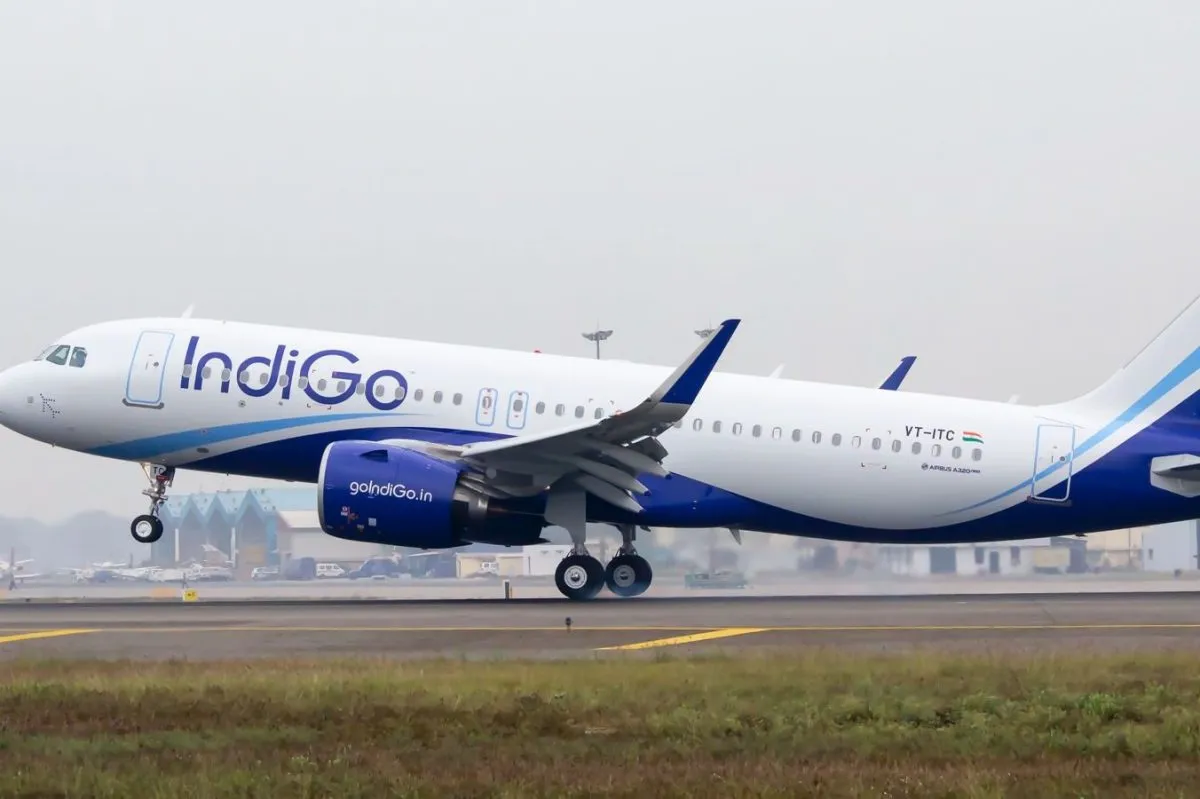
India’s burgeoning aviation sector, a crucible of rapid growth and intense competition, is witnessing a fascinating paradox as its leading carriers, Air India and IndiGo, simultaneously pursue divergent strategies. After dedicating two years to cultivating premium offerings, including enhanced cabins, exclusive airport lounges, and sophisticated loyalty programs, both airlines have recently introduced products specifically tailored for the most price-sensitive segment of travelers. This dual approach signals a complex evolution in market segmentation and revenue optimization within one of the world’s fastest-growing aviation markets.
Recent Developments and Strategic Shifts
The strategic pivot became evident with two distinct product launches within a fortnight. On June 17, Air India, the recently privatized national carrier, unveiled its new ‘Basic’ fare. This offering strips away complimentary meals from Economy class tickets, a long-standing hallmark of full-service carriers, while notably retaining the checked baggage allowance. The move, aimed at providing a more affordable entry point for travelers willing to forego in-flight catering, marks a significant departure from Air India’s traditional full-service model.
Following closely, on July 1, IndiGo, India’s largest airline by market share and a dominant low-cost carrier (LCC), introduced ‘IndiGo Lite’. This product takes the unbundling strategy a step further by entirely removing the checked baggage allowance in exchange for a slightly lower fare. IndiGo Lite is designed to appeal to travelers on short trips or those who prefer to travel with only carry-on luggage, reinforcing the LCC ethos of paying only for what one needs. These introductions come at a time when the Indian economy is experiencing a pronounced shift towards ‘premiumization’ across various consumer sectors, making the airlines’ concurrent pursuit of ultra-basic fares particularly noteworthy.
The Broader Context: India’s Aviation Landscape and Economic Trends
India’s aviation market is characterized by its immense potential and unique dynamics. It consistently ranks among the top three global aviation markets in terms of domestic passenger traffic. Pre-pandemic, the sector was growing at a double-digit rate, and post-pandemic recovery has been robust, driven by a young, aspirational population and increasing disposable incomes. However, this growth is accompanied by fierce competition among established players like IndiGo, Air India, SpiceJet, and newer entrants such as Akasa Air.
The "premiumization" narrative has indeed become a defining characteristic of Indian consumer spending. Across industries, consumers are demonstrating a willingness to pay more for quality, luxury, and enhanced experiences. The hospitality sector is witnessing a boom in luxury inventory additions, and the automotive market has seen a surge in SUV sales, outstripping smaller hatchback models. This trend reflects a rising middle and affluent class with evolving lifestyle aspirations.
Within aviation, both Air India and IndiGo have actively participated in this premium shift. Air India, under the stewardship of the Tata Group post-privatization, has embarked on an ambitious transformation journey. This includes a multi-billion-dollar order for new aircraft, extensive cabin refurbishment programs, and the expansion of Premium Economy across its domestic fleet, notably accelerated following its merger with Vistara. The airline has also invested in revamped menus, new uniforms, and improved in-flight entertainment systems to elevate the passenger experience.
IndiGo, traditionally known for its no-frills, punctuality-focused model, has also gradually moved up the value chain. It introduced ‘IndiGoStretch’ on busy routes, offering passengers extra legroom, hot meals, and priority services for an additional fee. The airline has also expanded its network significantly, including more international routes, and invested in services like ‘6E Eats’ for pre-booked meals, indicating a strategic evolution beyond being a pure ultra-low-cost carrier.
Strategic Rationale: Navigating a Dual Market
The simultaneous pursuit of premiumization and ultra-basic fares by Indian airlines is not merely contradictory but rather a calculated strategy to tap into the full spectrum of the diverse Indian market.
- Market Segmentation: India presents a unique demographic challenge and opportunity. While a growing segment of business travelers and affluent leisure travelers seeks premium experiences, a substantial portion of the population remains highly price-sensitive. This includes first-time flyers, migrant workers, and budget-conscious tourists for whom the lowest possible fare is the primary decision-making factor. By offering both ends of the spectrum, airlines can maximize their addressable market.
- Ancillary Revenue Generation: Unbundling services is a proven strategy for low-cost carriers globally to generate significant ancillary revenue. By offering a base fare that is highly competitive and then allowing passengers to add services like meals, baggage, seat selection, and priority boarding à la carte, airlines can maintain low headline fares while boosting overall revenue per passenger. For Air India, this marks an adoption of LCC-like revenue strategies within a full-service framework. For IndiGo, it’s a further refinement of its existing LCC model. According to industry reports, ancillary revenue can account for 20-40% of an LCC’s total revenue.
- Competitive Dynamics: The Indian aviation market is intensely competitive, with airlines often engaged in price wars. Introducing ultra-basic fares allows carriers to remain competitive on price without necessarily devaluing their entire product offering. It provides a defensive mechanism against ultra-low-cost competitors while still nurturing the higher-yield premium segment.
- Operational Efficiency: For airlines like IndiGo, which operate a vast domestic network, the ‘Lite’ fare encourages travelers to fly with only cabin baggage. This can lead to quicker boarding and deplaning times, reducing turnaround times for aircraft and improving operational efficiency, a critical factor in maintaining punctuality and maximizing aircraft utilization.
Timeline and Key Milestones
- Early 2020s: Post-COVID recovery sees airlines focusing on rebuilding confidence and enhancing service quality. Discussions around fleet modernization and premium offerings gain traction.
- Late 2021: Air India’s privatization to Tata Group marks a pivotal moment, ushering in an era of ambitious transformation plans for the national carrier, with a strong emphasis on service excellence and premiumization.
- 2022-2023: Air India initiates significant investments in new aircraft, cabin upgrades, and expands its Premium Economy class. IndiGo continues to refine its ‘IndiGoStretch’ and other add-on services, signaling a move towards a ‘premium LCC’ model.
- June 17, 2024: Air India launches its ‘Basic’ fare, unbundling complimentary meals from Economy tickets while retaining baggage. This is a strategic move to cater to budget-conscious domestic travelers without fully abandoning the full-service proposition.
- July 1, 2024: IndiGo introduces ‘IndiGo Lite’, eliminating checked baggage allowance for a lower fare, specifically targeting passengers traveling light and seeking the absolute lowest price point.
- Ongoing: Both airlines continue to invest in loyalty programs, airport lounges, and enhanced service experiences for their premium segments, creating a clear two-pronged market approach.
Industry Reactions and Expert Analysis
While official statements from the airlines emphasize "customer choice" and "tailored travel experiences," industry analysts offer deeper insights into the strategic rationale.
An aviation consultant, preferring anonymity due to client relations, commented, "This dual strategy is a sophisticated response to the multi-layered Indian market. On one hand, you have a growing cohort of travelers demanding world-class premium experiences, driven by rising incomes and global exposure. On the other, the sheer volume of new flyers and the enduring price sensitivity mean that neglecting the ultra-low-fare segment is commercially unwise. It’s about optimizing revenue across the entire passenger spectrum, ensuring every seat on every flight is monetized effectively."
Another industry observer noted, "For Air India, the ‘Basic’ fare is about finding a middle ground. They need to compete with LCCs on certain routes and for specific traveler profiles, but they also cannot dilute their brand identity as a full-service carrier. Removing meals but retaining baggage is a compromise that allows them to offer a competitive base fare without becoming a pure LCC. For IndiGo, ‘Lite’ is a natural evolution. They pioneered the LCC model in India, and this further refines their ability to offer the lowest possible fare, pushing the boundaries of unbundling."
Spokespersons from both airlines, in recent media interactions, have underscored their commitment to providing diverse options. An Air India representative might state, "Our new Basic fare is designed to offer greater flexibility and affordability to our domestic customers, allowing them to choose the services that best suit their travel needs, while we continue to invest heavily in enhancing our premium offerings across the network." Similarly, an IndiGo official could remark, "IndiGo Lite empowers our passengers to pay only for what they value, making air travel even more accessible and convenient for those traveling light. This innovation complements our broader strategy of providing unparalleled choice and value to our customers."
Broader Impact and Future Implications
The emergence of this dual strategy has several significant implications for the Indian aviation sector and its consumers:
- Increased Consumer Choice, Potential for Confusion: Travelers will undoubtedly have more options, allowing them to customize their travel experience. However, a proliferation of fare types and add-on services can also lead to confusion if not clearly communicated, potentially frustrating customers who may feel they are being "nickel-and-dimed."
- Blurring Lines Between FSCs and LCCs: The traditional distinction between full-service carriers and low-cost carriers is becoming increasingly blurred. Air India’s move to unbundle meals aligns it more closely with LCC practices, while IndiGo’s expansion into ‘premium’ services like extra legroom and international routes sees it adopting elements traditionally associated with FSCs. This hybrid model could become the new norm, fostering a more complex competitive environment.
- Enhanced Ancillary Revenue Focus: The success of these basic fares will likely encourage other airlines, including Akasa Air and SpiceJet, to review and potentially expand their own unbundling strategies, intensifying the focus on ancillary revenue generation across the industry. This is crucial for airline profitability, especially in a market characterized by high fuel costs and infrastructure challenges.
- Brand Management Challenges: For airlines, especially those aspiring to a premium image like Air India, the delicate balance between offering ultra-basic fares and maintaining brand perception is critical. They must ensure that the lower-tier products do not dilute the overall brand value or lead to a perception of declining service quality across the board. Careful marketing and clear differentiation will be essential.
- Evolution of Travel Habits: IndiGo Lite, specifically, could further encourage the trend of traveling light, particularly for short domestic trips, potentially influencing airport design and operations to accommodate more carry-on centric passenger flows.
In conclusion, the Indian aviation market is undergoing a profound transformation. The strategic decision by Air India and IndiGo to simultaneously cater to both the premium and ultra-basic segments reflects a mature understanding of market segmentation and revenue optimization in a diverse and rapidly evolving economy. This dual approach, while seemingly paradoxical, is a sophisticated maneuver to capture growth across the entire spectrum of Indian air travelers, setting a new precedent for how airlines operate in this dynamic global aviation hub.




 Anjar Salim
 Chandra Hamzah
 Budi Mulyono

