
 Tatiana Tantri Indah Sari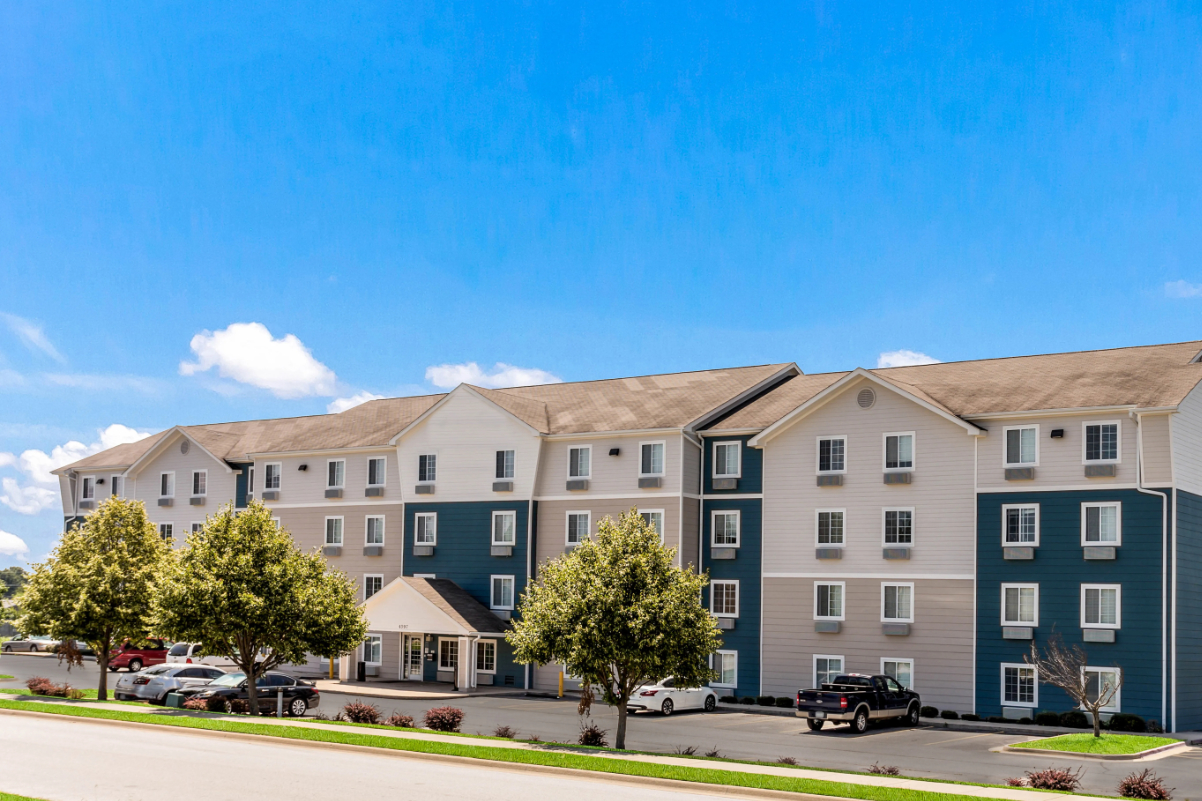
The U.S. extended-stay hotel sector is on the cusp of a significant shift, with market dynamics indicating a potential opening for substantial pricing power by 2027. Recent data from May revealed a robust 6.2% year-over-year increase in demand for extended-stay accommodations, marking the fastest growth rate in over four years. This surge in demand is occurring concurrently with a noticeable deceleration in new construction projects, suggesting an impending supply-demand imbalance that is highly favorable to operators and developers. Occupancy rates, already a healthy 77%, underscore the segment’s robust performance, setting the stage for what analysts project could be a prolonged period of elevated profitability.
A Surge in Demand Outpaces Broader Industry
May’s performance for the extended-stay segment was exceptional, with the 6.2% year-over-year demand growth representing the strongest monthly gain since February 2022, according to The Highland Group, a leading hospitality consulting firm. This acceleration in demand is particularly noteworthy as it significantly outpaced the broader hotel industry, a trend that has consistently characterized the extended-stay sector for many months. While general hotel demand has seen fluctuations, extended-stay properties have demonstrated remarkable resilience and growth, driven by a diverse set of factors.
The consistent outperformance points to a fundamental shift in how travelers and businesses utilize accommodation. Extended-stay hotels, characterized by their apartment-style amenities such as kitchenettes, separate living areas, and on-site laundry facilities, cater to guests requiring longer stays. This includes corporate project teams, individuals undergoing relocation, temporary employees, those seeking housing during home renovations or insurance claims, and a growing segment of leisure travelers opting for more self-sufficient and value-driven accommodations. The flexibility offered by these properties, often coupled with more competitive weekly or monthly rates compared to traditional hotels, makes them an attractive option for stays ranging from a few nights to several weeks or even months.
The Thinning Development Pipeline: A Critical Factor
While demand has accelerated, the construction pipeline for new extended-stay properties has begun to thin, creating a crucial bottleneck in future supply. Developers and brand executives are keenly observing this widening gap between accelerating demand and decelerating supply, identifying it as the primary catalyst for the anticipated window of pricing power.
Several macro and microeconomic factors contribute to the thinning pipeline. High construction costs, driven by persistent inflation in materials like steel, concrete, and lumber, have made new builds significantly more expensive. Labor shortages in the construction industry further exacerbate these costs and extend project timelines. Simultaneously, rising interest rates have increased the cost of capital for developers, making financing new projects less attractive and increasing the hurdle rate for investment. Supply chain disruptions, though somewhat eased since their peak during the pandemic, continue to pose challenges, leading to delays in obtaining critical components and fixtures. Furthermore, lengthy and complex permitting processes in many municipalities add to the time and expense of bringing new projects to fruition.
This confluence of factors has led to a slowdown in the number of new extended-stay hotels breaking ground and entering the development queue. While there might be projects already under construction, the rate of new starts has declined, implying a future scarcity of new inventory entering the market. Given the typical 18-to-36-month lead time for hotel construction from groundbreaking to opening, the impact of today’s thinning pipeline will not be felt immediately but will become acutely apparent in the coming years, particularly by 2027.
The Opening of a Pricing Power Window by 2027
For developers and brand executives, the year 2027 is emerging as a critical inflection point. This is when the full effect of the current slowdown in construction starts is expected to manifest as a significant reduction in new room supply. Coupled with sustained or increasing demand, this creates a classic economic scenario for "pricing power" – the ability of businesses to raise their prices without a significant loss of sales volume.
In the extended-stay hotel market, this means operators will likely be able to command higher average daily rates (ADRs) and potentially reduce promotional discounts, thereby boosting revenue per available room (RevPAR). This newfound leverage could lead to enhanced profitability margins, making extended-stay properties even more attractive as an asset class for investors. The Highland Group’s analysis underscores that the current market conditions are forming a textbook setup for such a shift, providing a clear forecast for strategic planning within the industry.
Historical Context: Extended-Stay’s Enduring Resilience
The extended-stay segment’s current trajectory is not an anomaly but rather a continuation of its remarkable resilience and adaptability, particularly evident over the past few years. During economic downturns, extended-stay properties often demonstrate a "recession-resistant" quality due to their value proposition and essential nature for specific travel needs. When budgets tighten, companies and individuals often gravitate towards more cost-effective and functional accommodations for longer durations.
The segment’s performance during and after the COVID-19 pandemic further solidified its reputation. While traditional hotels struggled with plummeting occupancy rates and widespread closures, extended-stay properties, with their self-contained units and emphasis on longer stays, were better positioned to maintain a base level of business. They became vital for essential workers, individuals needing temporary quarantine housing, and those seeking more private, flexible living arrangements away from home. This adaptability allowed extended-stay to rebound faster and stronger than many other hotel segments, consistently posting higher occupancy rates and more robust RevPAR growth in the post-pandemic recovery period.
Industry Reactions and Expert Commentary
Industry leaders are taking note of these trends, with many expressing optimism about the future profitability of the extended-stay sector. Sources close to major hotel brands, while not issuing official statements on pricing strategy, indicate a strategic focus on optimizing existing extended-stay portfolios and carefully evaluating new development opportunities.
"The data from May strongly validates the continued strategic importance of the extended-stay segment within our broader portfolio," commented a senior development executive at a global hospitality company, speaking on background. "We’ve seen consistent demand, and the thinning pipeline suggests that disciplined growth will be key. Our focus will be on maximizing returns from our existing assets and selectively pursuing new builds in high-demand submarkets where the economics are undeniably compelling, especially as we look towards 2027."
Analysts from firms like CBRE and STR (CoStar) echo The Highland Group’s sentiments, often highlighting the extended-stay segment as a top performer. They point to its diverse demand drivers as a key strength. "Extended-stay isn’t reliant on just one type of traveler," noted a senior hospitality analyst. "It captures corporate travel, relocation, leisure, and even specialized segments like healthcare-related stays. This diversification makes it incredibly robust against economic fluctuations." Investors, in turn, are increasingly viewing extended-stay assets as attractive long-term investments, seeking opportunities to acquire existing properties or fund strategic new developments that align with the anticipated pricing power window.
Key Factors Driving Sustained Demand
The sustained high demand for extended-stay properties is underpinned by several enduring societal and economic trends:
- Corporate and Project-Based Work: Companies continue to deploy project teams for assignments lasting weeks or months, such as consulting engagements, infrastructure development, or specialized training. Extended-stay hotels provide a cost-effective and comfortable solution for these workers.
- Relocation and Temporary Housing: The dynamic nature of the job market and personal circumstances means many individuals and families require temporary housing during job relocations, home purchases or sales, or extensive home renovations.
- Flexible Work Arrangements: The rise of remote and hybrid work models has empowered some individuals to embrace "work-from-anywhere" lifestyles, leading to longer stays in various locations, often leveraging the amenities of extended-stay properties.
- Value-Conscious Leisure Travel: Families and budget-conscious travelers are increasingly discovering the benefits of extended-stay for longer vacations, appreciating the ability to prepare meals in-room, save on dining expenses, and enjoy more space than a traditional hotel room.
- Specialized Needs: Healthcare-related travel, where patients or their families need accommodations near medical facilities for extended treatments, also contributes significantly to demand. Insurance companies often utilize extended-stay properties for clients displaced by natural disasters or home repairs.
Broader Impact and Future Outlook
The projected pricing power in the extended-stay segment has broader implications for the hospitality industry and the economy. It signifies a healthy sector capable of generating substantial returns, which can attract further investment and potentially spur innovation in property design and service offerings. For consumers, while higher rates may be anticipated, the segment’s fundamental value proposition and amenity-rich environment are likely to remain appealing, particularly for longer stays.
However, challenges persist. Operators will need to balance the opportunity for higher rates with the imperative to maintain guest satisfaction, especially given the longer duration of stays. Managing operating costs, particularly labor and utilities, will remain critical. While the current pipeline suggests limited new supply, a sustained period of high profitability could eventually incentivize a renewed surge in development, albeit with a lag.
In conclusion, the U.S. extended-stay hotel market is navigating a fascinating period of growth and strategic positioning. The convergence of accelerating demand, evidenced by robust May figures and consistent outperformance, with a shrinking supply pipeline, creates a compelling narrative for increased pricing power. As the industry looks towards 2027, this segment is poised to solidify its role as a key driver of profitability and innovation within the broader hospitality landscape, offering valuable insights into evolving travel patterns and economic resilience.



 Anjar Salim
 Chandra Hamzah
 Budi Mulyono
 Lukman Taruna Persada Ramadan
