
 Susilo Edi Turonggo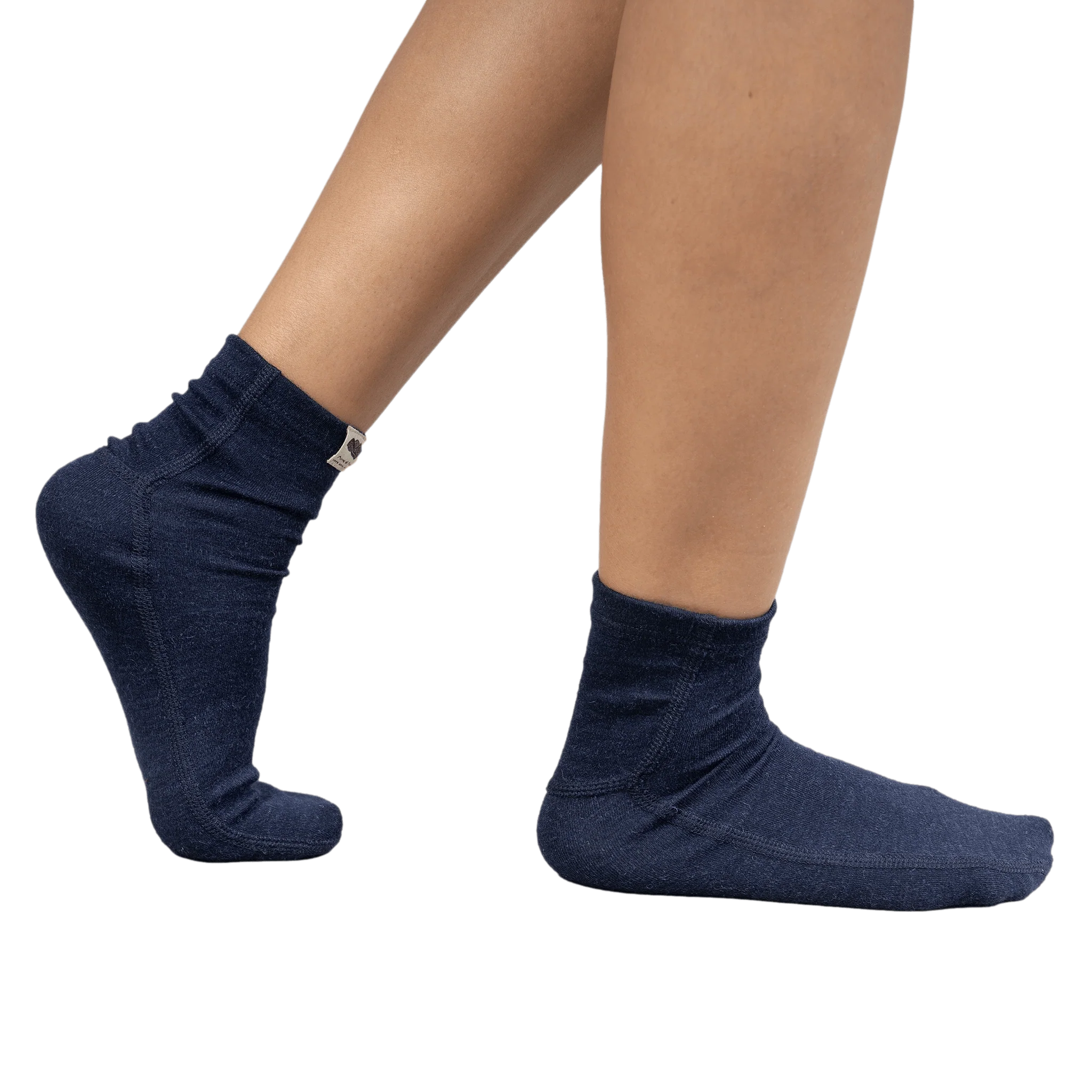
Socks, often relegated to the most utilitarian and least considered corner of one’s wardrobe, play a surprisingly pivotal role in both personal comfort and long-term health. Far from being a mere accessory, the materials and dyes used in their manufacture can significantly impact skin health and overall well-being. For individuals experiencing discomfort, itchiness, or allergic reactions from conventional, often brightly colored synthetic socks, a reevaluation of footwear choices is not just a preference but a health imperative. The shift towards natural fibers and skin-safe dyes represents a proactive step in mitigating exposure to potentially harmful chemicals.
The Silent Threat: Unpacking the Risks of Conventional Socks
The seemingly innocuous nature of everyday socks belies a deeper concern regarding their composition. Many mass-produced socks are crafted from synthetic, plastic-based materials such as polyester, nylon, and acrylic. While offering durability and elasticity, these materials are inherently less breathable than natural fibers. This lack of breathability creates an environment ripe for moisture retention, leading to unpleasant odors and fostering bacterial growth. Beyond mere discomfort, the chemical treatments and dyes applied to these synthetic textiles pose a more significant health risk.
A primary concern centers on azo-benzene disperse dyes, commonly employed in the coloration of polyester and other synthetic fabrics. Scientific research has identified these dyes as known skin sensitizers, capable of triggering allergic contact dermatitis, characterized by itching, redness, and inflammation. More alarmingly, certain azo dyes have been demonstrated to be carcinogenic when absorbed through the skin. This risk is particularly pronounced with socks, as the dyes can leach more rapidly into the skin, especially when feet are warm and perspiring. The occlusive environment inside a shoe further exacerbates this absorption, creating a direct pathway for these chemicals into the body. According to a 2018 study published in the Journal of Environmental and Public Health, exposure to certain textile dyes can lead to systemic absorption, with implications for various organ systems beyond localized skin reactions. Furthermore, the manufacturing processes for synthetic fibers and their dyes are often energy-intensive and contribute significantly to water pollution, releasing chemical effluents into ecosystems. The widespread issue of microplastic shedding from synthetic garments, including socks, further compounds the environmental burden, introducing persistent pollutants into waterways and food chains.
A Conscious Choice: Criteria for Selecting Safe and Sustainable Socks
Recognizing these risks, a growing segment of the textile industry and informed consumers are prioritizing non-toxic and sustainably produced socks. The selection process extends beyond mere aesthetics, encompassing material composition, dye safety, supply chain ethics, and packaging practices.
1. Natural Materials: The Foundation of Foot Health
For individuals with heightened skin sensitivities or pre-existing dermatological conditions, opting for socks made from 100% natural fibers is paramount. These fibers inherently offer superior breathability, moisture-wicking properties, and a reduced likelihood of allergic reactions compared to their synthetic counterparts. While completely synthetic-free socks are rare due to the need for some elasticity, typically provided by elastane, several pioneering brands have successfully developed pure natural fiber options. For instance, Cottonique and Arms of Andes stand out for their commitment to entirely synthetic-free constructions. For other brands, a small percentage of synthetics (below 20%) is generally considered acceptable and unlikely to cause irritation for most, though higher percentages warrant caution.
Among natural fibers, merino wool and alpaca wool are highly lauded for their exceptional qualities. They are naturally odor-resistant and possess remarkable moisture-wicking capabilities, keeping feet dry and comfortable in diverse conditions. When selecting wool products, consumers are encouraged to look for certifications such as the Responsible Wool Standard (RWS). RWS ensures that wool is sourced from farms that adhere to strict animal welfare principles, specifically prohibiting practices like mulesing – a painful surgical procedure on sheep. Beyond wool, organic cotton, Tencel (a regenerated cellulose fiber known for its softness and sustainability), linen (highly breathable and durable), and bamboo viscose (soft and moisture-absorbent) offer comfortable and breathable alternatives. For those not sensitive to synthetics but seeking sustainable options, blends incorporating recycled materials like nylon or polyester are available, though a majority natural fiber content remains advisable. The global market for organic textiles has seen a steady increase, with projections indicating a compound annual growth rate (CAGR) of over 15% through 2027, reflecting a strong consumer shift towards natural and sustainable fibers.
2. Non-Toxic Dyes and Finishes: Beyond the Rainbow
The vibrancy of a sock should not come at the expense of safety. For individuals sensitive to dyes, undyed socks, which showcase the natural hues of the fibers, offer the safest option. For colored socks, rigorous certifications provide crucial assurance. Oeko-Tex Standard 100 certification signifies that every component of the textile product, from thread to buttons, has been tested for harmful substances and found to be harmless for human health. Similarly, the bluesign® standard goes further, addressing environmental and worker safety throughout the entire textile production chain, ensuring that dyes and finishes do not contain hazardous chemicals. Brands that maintain a Restricted Substances List (RSL) demonstrate a proactive approach to chemical management, committing to avoid specific harmful substances in their manufacturing processes. This transparency in chemical use is a critical indicator of a brand’s commitment to consumer safety and environmental stewardship.
3. Traceable and Ethical Supply Chain: A Commitment to People
The journey of a sock from raw material to finished product often spans continents, involving numerous hands. Ensuring an ethical supply chain is vital for upholding human rights and fair labor practices. Brands that provide transparency regarding the locations of their supply chain partners – from fiber sourcing to spinning, dyeing, and sewing – allow consumers to verify their claims. In the absence of direct transparency, certifications from organizations like Fair Trade, WRAP (Worldwide Responsible Accredited Production), and B Corp offer robust third-party verification. Fair Trade certification focuses on fair wages, safe working conditions, and community development. WRAP certifies socially responsible and ethical manufacturing globally. B Corp certification assesses a company’s entire social and environmental performance, transparency, and accountability. These certifications provide assurance that the people involved in making the socks are treated fairly and work in safe environments. The increasing demand for ethical fashion has led to a rise in companies seeking these certifications, with the number of B Corps in the apparel sector growing by over 20% annually in recent years.
4. Sustainable Packaging: Minimizing Environmental Footprint
Even small items like socks can contribute to significant waste if packaged irresponsibly. Progressive brands recognize this and adopt sustainable packaging solutions. Look for brands that utilize compostable or biodegradable packaging materials, which return to the earth without harm. Recycled and recyclable materials, such as FSC-certified paper and cardboard, ensure that packaging minimizes its environmental impact by reducing virgin resource consumption and promoting circularity. The Forest Stewardship Council (FSC) certification guarantees that paper and wood products come from responsibly managed forests, promoting sustainable forestry practices. A consumer shift towards brands with eco-friendly packaging is a crucial driver in reducing the estimated 1.5 million tons of packaging waste generated by the fashion industry annually.
Leading the Charge: Brands Championing Non-Toxic Footwear
Several brands are at the forefront of producing non-toxic and sustainable socks, each with distinct strengths and commitments.
1. Harvest & Mill: This brand exemplifies localized, dye-free production. Harvest & Mill manufactures organic cotton socks in natural, undyed colors, with its cotton grown, spun, and knit entirely within the U.S. This shortened supply chain not only reduces carbon emissions but also supports domestic agriculture and manufacturing jobs. The brand is dedicated to waste reduction, repurposing or recycling all excess fabric and utilizing compostable packaging. A sensitive skin tester praised their crew-style socks for being super cozy, breathable, and lightweight despite their thickness, providing excellent protection without cuff pressure. Their commitment to purity makes them an ideal choice for those with extreme chemical sensitivities.
2. Subset (formerly Knickey): A Brooklyn-based brand, Subset is committed to PFAS-free (per- and polyfluoroalkyl substances) organic cotton socks. Their cotton is ethically sourced from an organic farm in India, where ginning, spinning, dyeing, and sewing also take place, ensuring a transparent and controlled supply chain. Subset holds Fair Trade and Oeko-Tex certifications, affirming both ethical labor practices and the absence of harmful chemicals. While a sensitive skin tester noted their thinness, making them suitable for tighter-fitting shoes or dressier occasions, the elastic cuff was well-embedded, preventing skin irritation. Consumers should note that Subset’s socks contain 24% synthetics, a factor for those seeking minimal synthetic content.
3. Paka: This certified B Corp specializes in durable, lightweight socks made primarily from alpaca wool and Tencel. Paka’s socks are renowned for their natural moisture-wicking and odor-resistant properties, crucial for active wear. The brand uses Oeko-Tex-certified dyes and partners with Peruvian artisans for spinning, supporting traditional craftsmanship. Their biodegradable and compostable packaging further enhances their sustainable profile. A sensitive skin tester found Paka socks to be exceptionally thick and warm, ideal for cold climates and winter hiking, noting minimal itching likely due to the natural texture of alpaca wool rather than a chemical reaction. Paka’s socks incorporate up to 50% recycled synthetics, offering a balance between natural fibers and recycled content.
4. Arms of Andes: A standout for its commitment to 100% synthetic-free socks, Arms of Andes offers slipper socks made entirely from alpaca fiber, sourced from free-range alpacas. These Oeko-Tex-certified socks are lightweight yet well-insulated, soft, and moisture-wicking. The brand maintains close collaborative relationships with co-op farmers in the Andes, overseeing the entire garment production process from sourcing to sewing. Their dedication to purity is complemented by the use of compostable packaging. This brand is a top choice for those requiring absolute freedom from synthetic materials.
5. Cottonique: Another pioneer in synthetic-free apparel, Cottonique specializes in 100% cotton, allergy-free socks. Their products are meticulously designed to be Latex-free, bleach-free, and hypoallergenic, featuring covered seams to prevent rubbing—a common irritant for sensitive skin. Cottonique collaborates with dermatologists to ensure its products meet the highest standards for sensitive skin. They source organic cotton from India and manufacture in the Philippines, utilizing compostable packaging. For severe allergy sufferers, Cottonique represents a vital resource for truly skin-safe options.
6. Boody: This Sydney-based brand provides a range of socks varying in thickness, suitable for diverse activities. Boody utilizes Oeko-Tex-certified organic bamboo viscose from India, alongside organic cotton and recycled nylon. The brand operates under a strict code of conduct and works with WRAP-certified facilities in China, Vietnam, and India, ensuring ethical manufacturing. Boody offers a blend of natural comfort and ethical production.
7. Kotn: A certified B Corp, Kotn builds direct, lasting relationships with Egyptian cotton farmers, ensuring fair prices and a traceable supply chain. Their socks are crafted from organic cotton and dyed with Oeko-Tex-certified dyes. Kotn’s commitment to transparency extends to its packaging, which is made from recycled and recyclable materials. A reviewer praised Kotn socks for their comfort, professional appearance, and ability to complete an outfit. Some Kotn pairs contain up to 20% synthetics.
8. Quinn: Designed with eczema sufferers in mind, Quinn’s organic cotton non-toxic socks prioritize longevity and comfort. Their collection includes dye-free, lightweight, and mid-weight options. Designed in Canada and ethically produced in Oeko-Tex-certified factories in Portugal and Sri Lanka, Quinn combines thoughtful design with certified safety. While their cotton is GOTS-certified, the specific sourcing location is less clear. A tester found both undyed cotton ankle socks and mid-weight merino wool socks extremely comfortable and breathable, with the merino wool offering extra warmth. Some Quinn socks contain up to 20% synthetics.
9. Cariloha: This certified B Corp produces hypoallergenic socks from bamboo viscose and organic cotton. Cariloha’s Oeko-Tex and Fair Trade-certified bamboo is sourced from China, and they use FSC-certified paper packaging. While their manufacturing locations are not explicitly detailed, their certifications provide a level of assurance regarding product safety and ethical sourcing of materials.
10. Dedicated: Dedicated offers Fair Trade organic cotton socks featuring bold patterns. The brand ensures ethical sourcing through WRAP-certified cotton suppliers and provides specific manufacturing details on each product page, enhancing supply chain transparency. Consumers should be aware that their socks contain up to 25% elastane, which is a higher synthetic content than some other brands.
11. Darn Tough: Renowned for durability and comfort, Darn Tough socks are made in Vermont in family-owned mills. They utilize RWS-certified merino wool in vibrant, colorful styles. The brand employs Oeko-Tex-certified materials and adheres to a strict Restricted Substances List, regularly testing for hazardous substances. Their packaging uses FSC-certified recycled paper, compostable bags, and vegetable-based inks. Despite their commitment to quality and sustainability, Darn Tough socks can contain up to 50% synthetics, primarily for enhanced durability and performance.
12. Nisolo: A certified B Corp recognized for its footwear, Nisolo also offers a line of stylish and comfortable socks. These socks are produced in a family-owned mill in North Carolina using upcycled cotton, linen, wool, and recycled polyester. Nisolo is committed to supply chain traceability and striving for living wages for all workers. Their packaging is made from recycled materials. It’s important to note that Nisolo’s socks can contain up to 70% synthetics, reflecting a focus on upcycled materials and durability, which may not suit those seeking primarily natural fibers.
13. Swedish Stockings: Specializing in knee-highs and ankle socks, Swedish Stockings offers classic, supportive, colorful, and patterned options. Their socks are manufactured in Italy using Oeko-Tex-certified materials, including bamboo viscose, organic cotton, organic wool, recycled polyester, and both virgin and recycled elastane. While offering a diverse range, some of their socks are fully synthetic, a point to consider for those prioritizing natural materials.
The Broader Impact: Towards a Sustainable and Healthier Future
The growing availability of non-toxic and sustainably produced socks signals a significant shift within the textile industry. This evolution is driven by increasing consumer awareness regarding health implications and environmental stewardship, alongside regulatory pressures for safer chemical management. The move away from harmful dyes and synthetic fibers represents not just a niche market trend but a foundational change towards more responsible manufacturing.
The implications extend beyond individual comfort, contributing to a healthier planet by reducing chemical pollution in waterways and lessening the demand for virgin synthetic materials. Furthermore, the emphasis on ethical supply chains promotes fair labor practices, empowering workers and fostering more equitable global trade. As consumers become more discerning, demanding transparency and accountability from brands, the market for truly sustainable and non-toxic apparel will continue to expand. This collective effort, from conscientious brands to informed consumers, is vital in fostering a future where personal well-being and environmental health are intrinsically linked through every purchase, even something as seemingly simple as a pair of socks. The journey towards a truly sustainable textile industry is ongoing, and every choice, no matter how small, contributes to its momentum.


 Budi Mulyono
 Anjar Salim
 Chandra Hamzah
 Tatiana Tantri Indah Sari

 Lukman Taruna Persada Ramadan