
 Chandra Hamzah
As the turquoise hues of the lagoon emerge from your aircraft window, or as majestic volcanic peaks draw your ship into port, a profound question often arises: why did you not embark on this journey sooner? The allure of Tahiti, a jewel in the South Pacific, is not merely in its breathtaking initial vistas but in an experience that deepens and enriches with every passing moment. This island nation offers a potent blend of warm, welcoming people steeped in Polynesian traditions, world-class opportunities for adventure and relaxation, and a pace of life so unhurried it feels as though the island itself whispers a gentle invitation to decelerate.
Tahiti’s distinctive figure-eight geography, formed by two volcanic masses interconnected by a slender isthmus, shapes its diverse landscapes. The larger segment, Tahiti Nui, serves as the island’s vibrant heart, housing the capital city of Papeete, alongside the majority of its commercial activities, rich cultural tapestry, and accessible coastline. In contrast, Tahiti Iti, often referred to as "Little Tahiti," extends to the southeast, presenting a wilder, more tranquil, and largely undeveloped character. A singular coastal road, Route 1, elegantly encircles much of Tahiti Nui, offering a straightforward framework for navigation. Venturing into the island’s interior, however, reveals an entirely different realm: a dense rainforest canopy giving way to sheer basalt cliffs and waterfalls that cascade into pristine, untouched valleys.
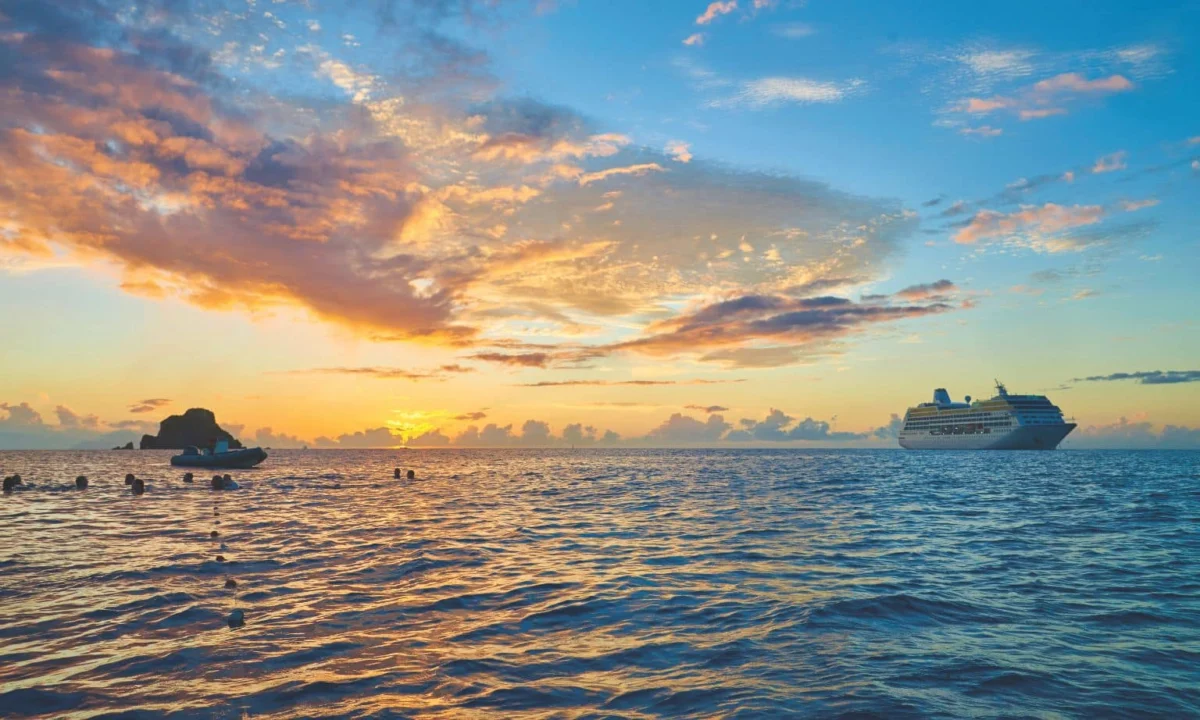
The gateway for most international travelers is Faa’a International Airport, situated just west of Papeete. Direct flights and convenient one-stop connections are readily available from major Australian cities such as Sydney, Melbourne, and Brisbane, underscoring Tahiti’s accessibility for regional visitors. For those arriving by sea, Papeete’s Motu Uta pier provides a welcoming arrival point, a short taxi or even a pleasant walk from the bustling town center.
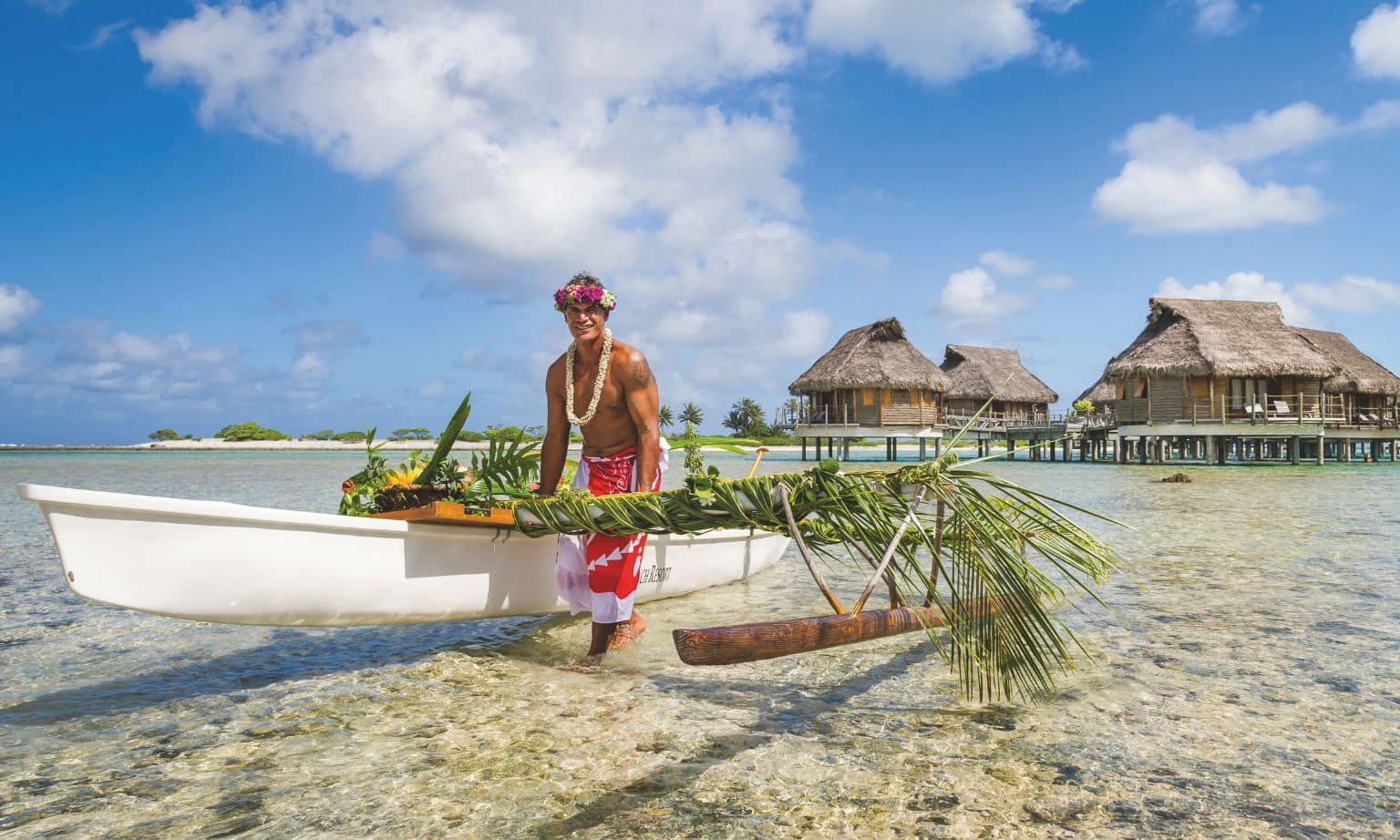
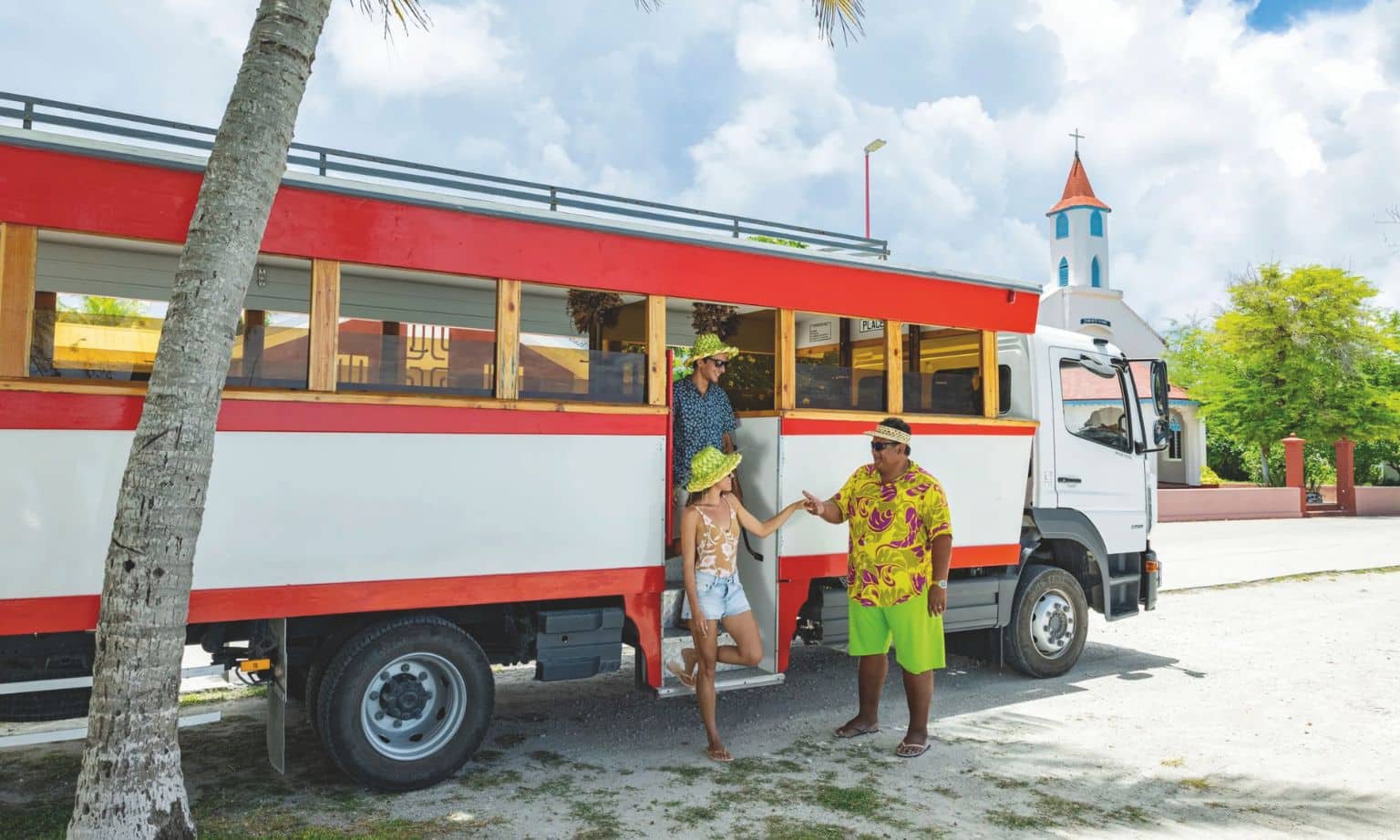
Navigating the island offers a variety of charming and practical options. The iconic open-sided, vibrantly colored "Le Truck" buses traverse the coastal routes with a cheerful, if occasionally approximate, schedule, providing an affordable and authentic local experience. Taxis are abundant, though their cost can be a consideration for budget-conscious travelers. For those seeking greater independence, rental cars and scooters are excellent choices for a day of self-guided exploration. The emergence of rideshare applications has also streamlined transportation within Papeete, enhancing convenience for visitors. While French is the official language, Tahitian is widely spoken, and English is generally well-understood within the tourism sector, ensuring effective communication for most visitors.
Natural Wonders: A Symphony of Land and Sea
The lagoons surrounding Tahiti are a mesmerizing spectacle, their colors shifting from vibrant turquoise to deep azure depending on their location and the play of light. The western coast, a popular hub for many resorts, boasts calm, swimmable turquoise lagoons, offering excellent conditions for snorkeling and diving. Here, coral gardens teem with a kaleidoscope of tropical fish, and the underwater visibility is often exceptional. In contrast, the eastern coast presents a more dramatic seascape. The lagoon narrows, becoming more exposed to the open ocean, with stronger currents and the rhythmic breaking of waves over the reef, crafting a rugged and untamed coastline.
Among Tahiti’s most celebrated beaches, Lafayette Beach stands out. Its soft black volcanic sand, a testament to the island’s geological origins, contrasts beautifully with the crystal-clear water and expansive ocean views. Vaiava Beach, located at PK18, is another gem, a sweeping expanse of white sand widely acclaimed as one of Tahiti’s most picturesque. Its tranquil waters make it an ideal location for paddleboarding, kayaking, and leisurely swims.
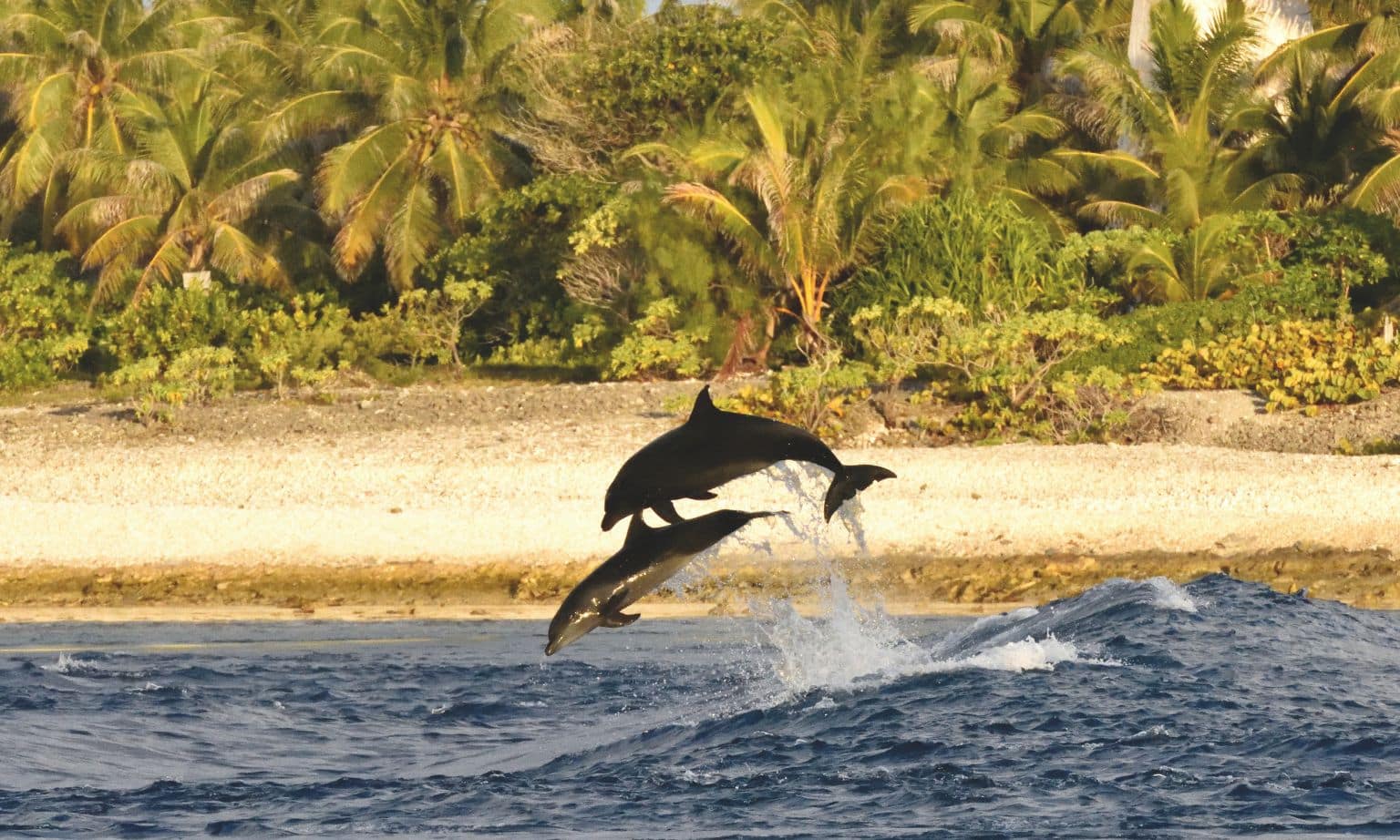
For cruise passengers and travelers with limited time, the convenience of half-day lagoon excursions is a significant draw. Many of these tours depart within easy walking distance of the Papeete cruise terminal, allowing for a seamless integration into a shore excursion itinerary. These boat tours typically visit two or three prime snorkeling sites. Visitors can expect to immerse themselves in vibrant coral gardens, explore submerged shipwrecks, and, for many, experience the thrill of swimming alongside reef sharks, graceful stingrays, and majestic sea turtles. During the months of August to November, the waters off Tahiti become a migratory route for humpback whales, offering a rare and unforgettable opportunity for sightings along the coast.

Scuba diving in Tahiti is an exceptional pursuit, with clear waters and abundant marine life providing world-class experiences year-round. For those seeking a novel underwater adventure, sea scooter tours have gained considerable popularity. These tours allow snorkelers to glide effortlessly through the water propelled by handheld devices, making them an accessible and enjoyable option for families and first-time divers alike.
However, Tahiti’s allure extends far beyond its captivating coastline. The interior of Tahiti Nui holds some of French Polynesia’s most profound and least-explored natural treasures. The Fautaua Valley hike offers an immersive journey through dense tropical forest, culminating in a breathtaking 40-meter waterfall that plunges into a serene jungle pool, a cherished spot among locals. Even more dramatic is the Papenoo Valley, best accessed via a 4WD day tour. Expert guides lead visitors to ancient marae (sacred stone temples), navigate river crossings, showcase volcanic crater lakes, and guide participants through a landscape that feels genuinely primeval. The opportunity to cool off with refreshing swims in crystal-clear waterfall pools adds to the rejuvenating experience. For the truly adventurous, the ascent of Mount Orohena, standing at 2,225 meters, offers the pinnacle of French Polynesian elevation. The panoramic views from its summit are nothing short of spectacular, providing a sweeping vista of the island and its surrounding ocean.
Cultural Immersion and Culinary Delights
Papeete’s Marché Municipal, the central market, serves as the vibrant heart of the island’s cultural and culinary scene. Arriving early, by 5 a.m., is recommended to witness its bustling energy. The downstairs level is a sensory feast, laden with aromatic vanilla pods, fragrant monoi oil, an abundance of exotic tropical fruits, and freshly caught tuna. Upstairs, the market transforms into a showcase of local crafts, featuring colorful pareos (sarongs), intricate shell jewelry, hand-woven hats, and a wide array of souvenirs.
The evening transforms the Papeete waterfront into a lively hub of culinary activity with the arrival of the roulottes, or food trucks. For approximately $15, visitors can indulge in a diverse array of delicious meals, from perfectly grilled mahimahi and savory chow mein to sweet crepes, classic steak-frites, and the quintessential Tahitian dish, Poisson Cru – raw fish delicately marinated in lime juice and coconut milk. For those preferring a sit-down dining experience, Tahiti offers a plethora of options. L’O à la Bouche provides exquisite French-style cuisine, while Meherio Tahitian Bistro, located on the marina, offers casual dining with picturesque views. The charming Maru Maru restaurant is renowned for its delectable food and cozy ambiance, with its lobster ravioli being a particular highlight.
Navigating Tahiti: Practicalities and Timing
Tahiti experiences two distinct seasons, each offering a unique appeal. The dry season, spanning from May to October, is characterized by cooler temperatures, lower humidity, and skies that often present a dramatic interplay of brilliant blue and cinematic cloud formations. This period is widely considered peak season due to its favorable weather conditions. The wet season, from November to April, is warmer and lusher, marked by short, intense rainfall. However, this period also presents advantages such as lower prices, fewer crowds, and exceptionally spectacular waterfalls, fed by the increased rainfall. With average temperatures consistently hovering between 24 and 30 degrees Celsius year-round, Tahiti remains an attractive destination regardless of the season.
A significant cultural highlight is the Heiva festival, which typically takes place in July. This vibrant two-week celebration features traditional dance competitions, thrilling outrigger canoe races, captivating music performances, elaborate costumes, and feats of strength such as stone-lifting contests. The festival draws participants from across the Pacific, offering an unparalleled glimpse into Polynesian heritage and athleticism. Visitors whose travel plans coincide with the Heiva festival are afforded a unique opportunity to witness this extraordinary cultural spectacle.
The island’s geographical layout, with Tahiti Nui and Tahiti Iti, offers distinct experiences. Tahiti Nui, home to Papeete, is the more developed and accessible part, ideal for those seeking a blend of urban amenities and natural beauty. Tahiti Iti, conversely, appeals to travelers yearning for a more secluded and raw natural experience, often accessed through guided tours or by those with a spirit of adventure willing to explore off the beaten path.
Understanding the local transportation system is key to maximizing a visit. While "Le Truck" offers an economical and immersive experience, its infrequent schedules can be a challenge for tightly planned itineraries. Taxis, readily available, provide convenience but at a higher cost. For comprehensive exploration, particularly of the interior regions, renting a vehicle or opting for organized tours is highly recommended. The integration of rideshare services has notably improved urban mobility in Papeete, offering a modern alternative for getting around the capital.
The linguistic landscape, while French and Tahitian are primary, presents little barrier for English-speaking tourists, particularly within the hospitality and tourism sectors. This linguistic accessibility ensures a comfortable and engaging experience for a broad range of international visitors.
The economic implications of tourism in Tahiti are significant, forming a cornerstone of the local economy. The influx of visitors, particularly from Australia and New Zealand, supports local businesses, from artisan crafts to tour operators and hospitality providers. The commitment to preserving Polynesian traditions while developing tourism infrastructure highlights a delicate balance aimed at sustainable growth. Analysis of tourism trends indicates a sustained interest in eco-tourism and cultural immersion, suggesting that the unique blend of natural beauty and cultural authenticity will continue to be Tahiti’s primary draw. The island’s efforts to promote responsible tourism practices are crucial for safeguarding its pristine environment and cultural heritage for future generations.



 Anjar Salim
 Tatiana Tantri Indah Sari
 Budi Mulyono
 Lukman Taruna Persada Ramadan
