
 Chandra Hamzah
For most airlines, the journey is a means to an end, a functional transfer from point A to point B. However, Air Tahiti Nui, French Polynesia’s esteemed flag carrier, appears to have embraced a more immersive philosophy, aiming to transport passengers directly into the heart of the islands from the moment they step aboard. This approach transforms air travel into an integral part of the holiday experience, setting a distinct tone for the South Pacific destination.
The airline’s commitment to this unique travel experience is evident from the initial boarding. Upon entering the Boeing 787-9 Dreamliner, passengers are greeted not merely by cabin crew, but by an environment meticulously designed to evoke the spirit of French Polynesia. The vibrant blues of the seats are intentionally reminiscent of the nation’s famed turquoise lagoons, while the air is filled with the joyous sounds of Polynesian music. This deliberate aesthetic choice moves beyond mere comfort, aiming for a full sensory immersion that prepares travelers for the tropical paradise that awaits them. This strategy is particularly impactful for those undertaking long-haul journeys, where the initial hours of travel can often feel arduous. By integrating cultural elements and visual cues from the destination, Air Tahiti Nui seeks to mitigate pre-flight stress and foster immediate anticipation.
Air Tahiti Nui is steadily increasing its visibility on the international stage, and for good reason. While the airline has long provided direct services to Papeete from key global hubs such as Auckland, Paris, Los Angeles, and Tokyo, a recent expansion in its route network now includes direct flights from Sydney. This significant development eliminates the often-inconvenient stopover in Auckland, a common bottleneck for travelers journeying from Australia to French Polynesia. Furthermore, for those continuing their journey to other islands within the archipelago, the new direct Sydney service bypasses the previously mandatory overnight stay in Tahiti. This streamlining of travel not only saves valuable time but also enhances the overall efficiency and appeal of the journey.
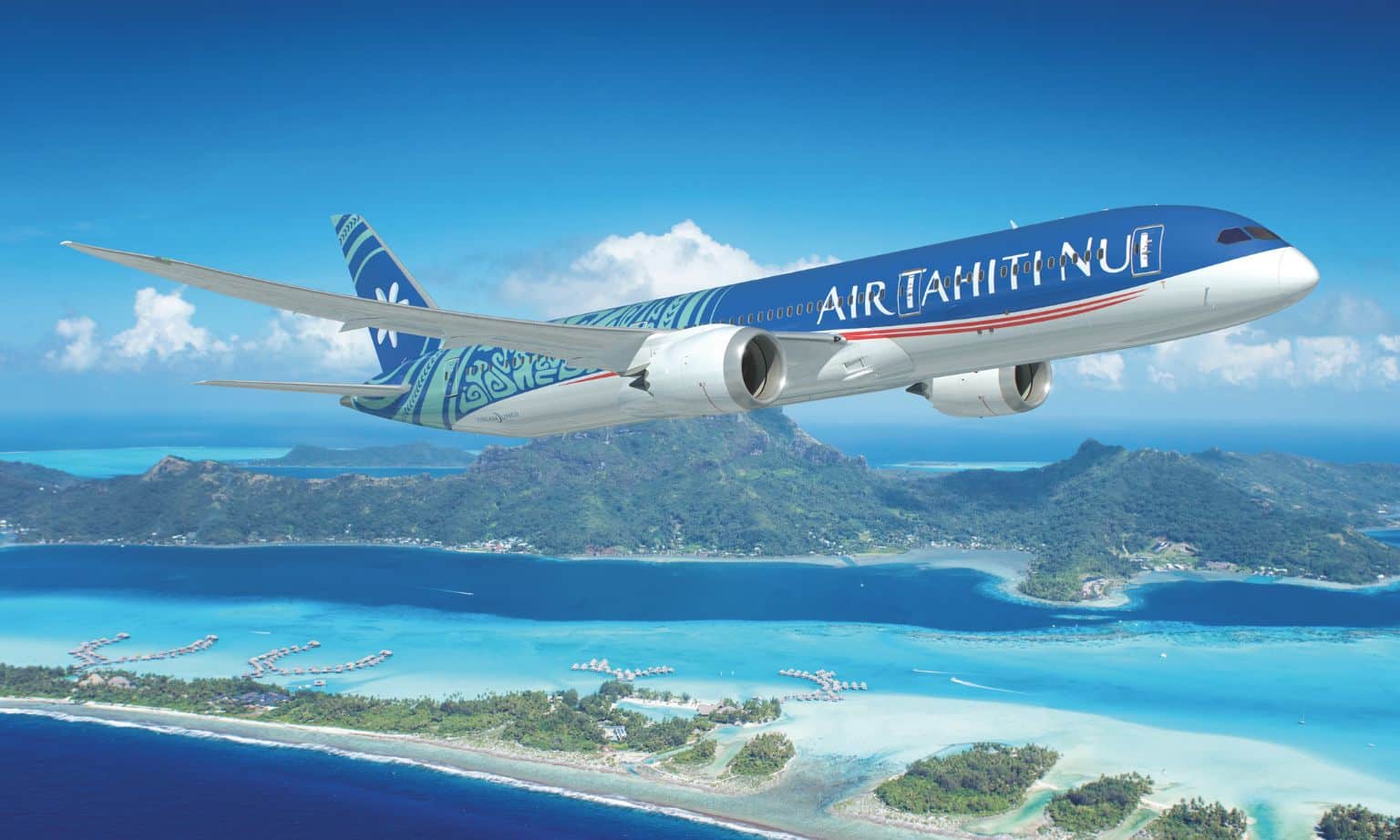
The airline’s fleet is exclusively composed of Boeing 787-9 Dreamliners, modern aircraft known for their fuel efficiency and passenger comfort. These aircraft are configured across three distinct cabin classes: Moana Economy, Manava Premium, and Poerava Business. Beyond the class offerings, the Dreamliners are equipped with advanced features such as anti-turbulence sensors, significantly quieter engines, and sophisticated air renewal systems, all contributing to a smoother and more comfortable flight. The inclusion of in-flight Wi-Fi further enhances the passenger experience, allowing for connectivity throughout the journey.
The author’s recent sixth visit to Tahiti provided an opportunity to experience two of Air Tahiti Nui’s cabin classes firsthand. The outward journey from Auckland to Papeete was undertaken in Moana Economy, while the return leg from Papeete to Auckland was experienced in Manava Premium Economy. While the allure of the Poerava Business class remains to be personally assessed, anecdotal reports suggest a similarly elevated standard of service and comfort.
Air Tahiti Nui Moana Economy: An Immersive Entry Point
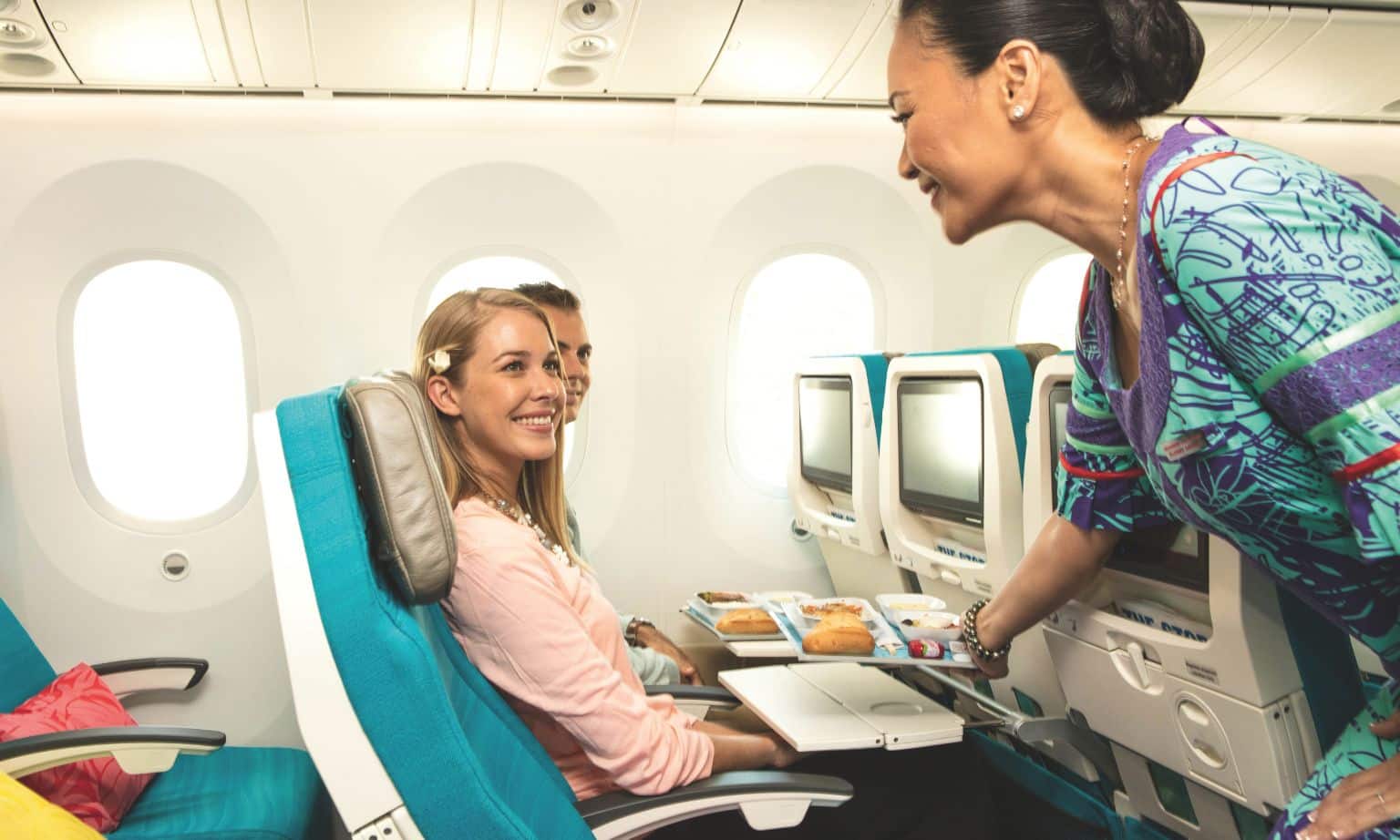
The experience of boarding Air Tahiti Nui’s Moana Economy cabin is far from the typical utilitarian entry into an aircraft. Instead, passengers are welcomed with warm smiles and a palpable sense of eagerness from the cabin crew, who seem genuinely invested in eliciting feedback on the thoughtfully designed interior. The cabin is adorned with turquoise accents, a deliberate design choice intended to evoke the breathtaking hues of Bora Bora’s iconic atolls. This approach to "color therapy" within the cabin environment aims to immediately connect passengers with the essence of French Polynesia.
The Moana Economy cabin features 232 seats arranged in a 3-3-3 configuration. Each seat offers a pitch of 79 centimeters (approximately 31 inches) and a recline of 15 centimeters (approximately 6 inches). While these figures may appear standard on paper, the actual in-flight experience proves to be more accommodating. The cabin’s design allows for ample space, enabling passengers to stretch out and relax. A unique feature is the "Tahitian Bliss LED lighting" system, which activates once the aircraft is airborne. This dynamic lighting system, designed to combat jetlag, creates a visually engaging atmosphere, described by the author as even inspiring a desire to don a sequined jumpsuit and dance.

While the author expresses a slight reservation about the "color-clashing cushions," acknowledging their intended representation of island colors, the practical amenities provided are commendable. Each seat is equipped with USB ports for device charging and a 30-centimeter (approximately 12-inch) Panasonic eX3 entertainment system. The comfort kit includes essential items such as earphones, socks, and a sleeping mask. The movie selection is described as decent, though the available music library could be more varied.
The flight to Papeete departed punctually and was characterized by its smoothness and overall pleasantness. This positive experience was largely attributed to the comfortable seating and a satisfying inflight meal. The meal service included beef cheeks with mash and vegetables, a turkey ham salad, passionfruit mousse, and a selection of cheese and crackers.
For prospective Moana Economy passengers, the airline offers fee-based à la carte seating options during the booking process. The author strongly recommends considering the "Extra Comfort" seats, specifically Row 18, seats 32DEF, and those adjacent to emergency exits, seats 31BC and 31JK. However, a note of caution is advised for seats 18 AB, 18KL, and 32DE, as these are located in front of bassinet positions. The cost for these enhanced seating options from Auckland is approximately NZD 20 (around $16 AUD), a modest price for the increased comfort and legroom, deemed well worth the investment.
Air Tahiti Nui Manava Premium: Elevated Comfort and Service
The experience in Manava Premium Economy begins even before boarding, with access to a dedicated check-in area, expedited security screening, and priority boarding. This seamless pre-flight process contributes to a relaxed state of mind upon settling into the spacious Z535 seat. The cabin’s aesthetic in Premium Economy features a deeper shade of blue, complemented by patterned cushions and headrests. A distinctive touch is the tiare flower pressed into the palm upon boarding, a traditional Tahitian greeting that many guests incorporate by tucking it behind their ear.
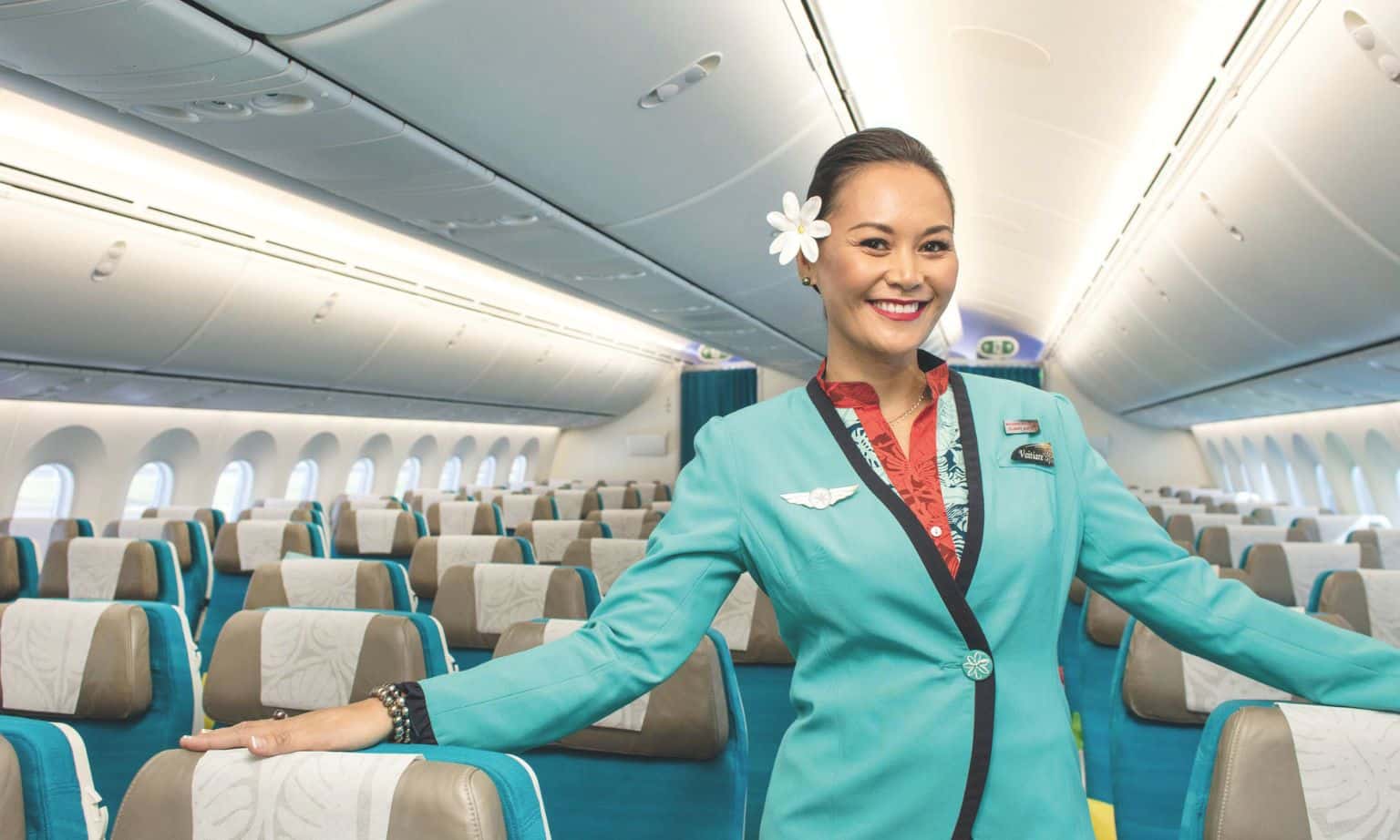
The Manava Premium cabin is configured in a 2-3-2 layout across five rows, offering a sense of spaciousness and exclusivity. The amenities kit provided in this class is more comprehensive, including noise-reducing earplugs, a bamboo toothbrush, a sleeping mask, and socks. The in-flight entertainment system boasts a larger 33-centimeter (approximately 13-inch) touchscreen, also equipped with a USB port for charging personal devices. For those requiring connectivity, Wi-Fi packages are available, starting at $25 for the "Maeva 50 Mo" package, which is suitable for emails, instant messaging, and social media. A more basic $11 package covers instant messages only.
While the cabin specifications highlight a 20-centimeter (approximately 8-inch) seatback recline and a generous 96.5-centimeter (approximately 38-inch) of space between rows, a significant portion of the author’s elevated satisfaction on this leg of the journey stemmed from the exceptional service. The cabin attendant’s attentiveness was particularly noted. Far from simply serving the breakfast, which included a rice pudding crepe with accompaniments, the attendant was proactive in offering wine at regular intervals, expressing a charming insistence that “Any time for wine is the right time.” This level of personalized service, coupled with a distinctly French and charming demeanor, fostered a feeling of being exceptionally pampered, as if being the sole guest on board. The author’s verdict is clear: while Moana Economy provides a solid travel experience, the upgrade to Manava Premium Economy is a worthwhile investment, delivering significant value for the additional cost.
Fleet Modernization and Route Expansion: Strategic Growth
Air Tahiti Nui’s strategic investment in its fleet, exclusively comprising the state-of-the-art Boeing 787-9 Dreamliners, has been a cornerstone of its recent success. These aircraft, which began entering the airline’s service in 2018, represent a significant upgrade in terms of passenger comfort, operational efficiency, and environmental performance. The 787-9 is renowned for its advanced composite materials, allowing for higher cabin pressure and humidity, which directly translates to reduced fatigue and improved well-being for passengers on long-haul flights. The twin-engine design also contributes to a quieter cabin environment, further enhancing the overall travel experience.
The airline’s fleet modernization has coincided with a calculated expansion of its route network. The introduction of direct flights from Sydney in 2023 was a pivotal moment, directly addressing a key demand from the Australian market. Prior to this, Australian travelers often faced lengthy layovers in Auckland, adding considerable time and complexity to their journeys. This new direct service has not only made French Polynesia more accessible but has also positioned Air Tahiti Nui as a primary carrier for this crucial demographic. The airline’s continued focus on direct routes from major international gateways underscores its commitment to providing seamless and efficient travel solutions for its global clientele.
The strategic decision to operate an all-Dreamliner fleet simplifies maintenance, pilot training, and operational logistics, allowing the airline to focus its resources on enhancing the passenger experience and expanding its reach. This streamlined approach is indicative of a forward-thinking airline management strategy, aimed at maximizing efficiency while delivering a premium product.
Implications for Tourism and Passenger Experience
The enhancements offered by Air Tahiti Nui have significant implications for both the tourism industry in French Polynesia and the overall passenger experience. By providing a more comfortable, efficient, and culturally immersive journey, the airline actively contributes to making the destination more attractive to international visitors. The elimination of inconvenient stopovers and the introduction of premium cabin options cater to a broader range of travelers, from budget-conscious tourists to those seeking a more luxurious travel experience.
The focus on in-flight comfort and service, particularly the integration of Polynesian cultural elements, serves as an extended welcome to the islands. This approach can set a positive tone for the entire vacation, potentially leading to increased visitor satisfaction and repeat tourism. For a region heavily reliant on tourism, such as French Polynesia, the role of its national carrier in shaping initial impressions and facilitating access is paramount.
Furthermore, the airline’s investment in modern aircraft technology, such as the anti-turbulence sensors and advanced air systems, contributes to a safer and more reliable travel experience. This technological edge, combined with the airline’s commitment to service excellence, positions Air Tahiti Nui as a competitive player in the global aviation market, capable of meeting the evolving expectations of modern travelers. The airline’s strategic vision appears to be one of not just transporting passengers, but of curating an experience that begins long before arrival and extends throughout the journey, solidifying its role as an ambassador for French Polynesian culture and hospitality.



 Anjar Salim
 Tatiana Tantri Indah Sari
 Budi Mulyono
 Lukman Taruna Persada Ramadan
