
 Budi Mulyono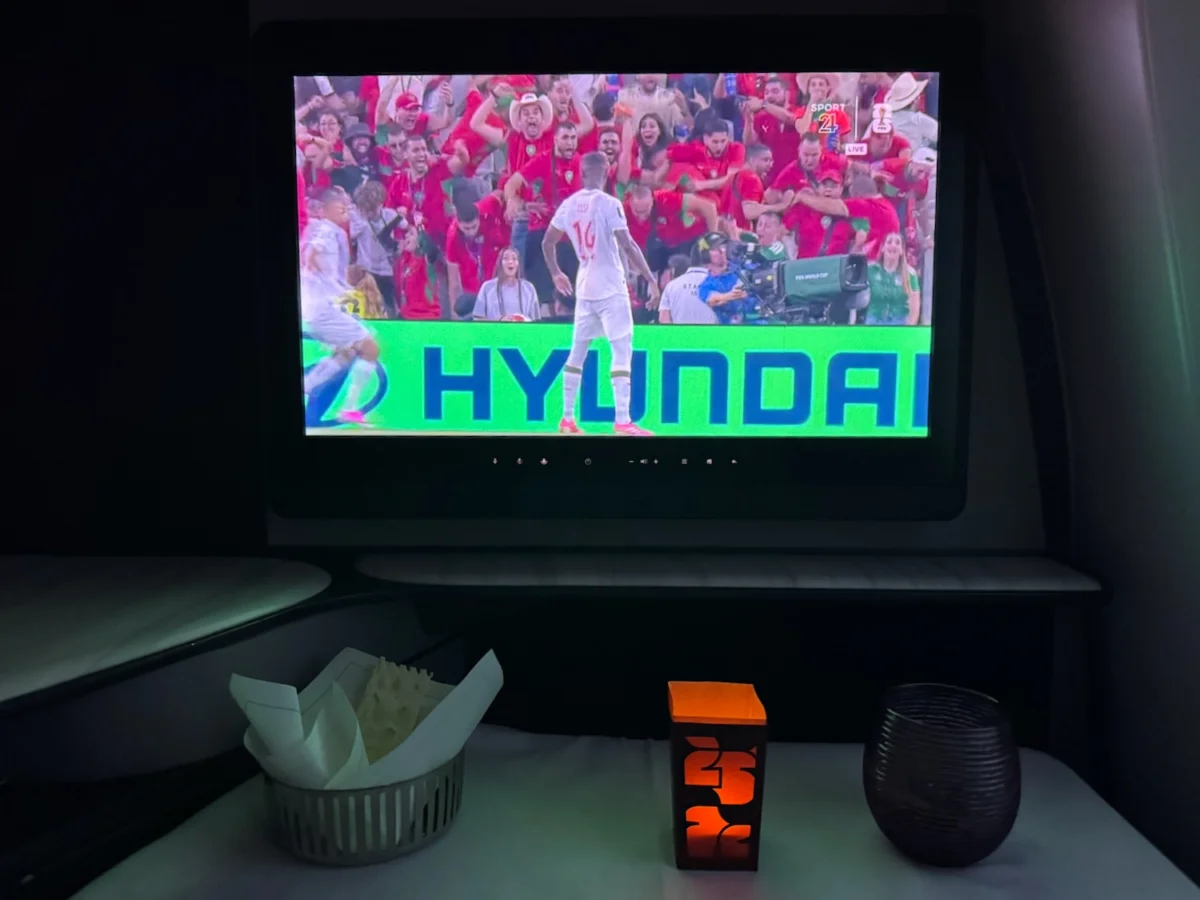
A long-haul journey between Los Angeles International Airport (LAX) and Hamad International Airport (DOH) in Doha, typically characterized by the hushed luxury of Qatar Airways’ premium service, was recently transformed into a raucous viewing arena. The incident occurred aboard an Airbus A350-900, where the integration of high-speed Starlink satellite internet and live television capabilities allowed passengers to stream a high-stakes World Cup match in real-time. What began as a standard transcontinental flight evolved into a scene of significant disruption as a group of passengers in the business class cabin reacted with vocal intensity to the sporting events unfolding on their screens.
The match in question featured a knockout-stage confrontation between Morocco and the Netherlands. For much of the game, the Dutch side maintained a 1-0 lead, a scoreline that held until the 90th minute. As the match entered stoppage time, Morocco scored a dramatic equalizing goal, triggering the first wave of disturbances. According to witnesses on board, the previously serene cabin environment was shattered by repeated, high-volume profanities and shouting that lasted for several minutes. The emotional volatility of the spectators continued through the extra time period and culminated in a penalty shootout, which Morocco won 3-2. The victory sparked a secondary, even more intense chorus of yelling and hooting, causing significant distress to other passengers attempting to rest during the 15-hour flight.
The Evolution of In-Flight Connectivity and Its Consequences
The incident highlights a growing tension in the aviation industry: the balance between providing cutting-edge connectivity and maintaining cabin decorum. Qatar Airways has been a pioneer in the rollout of Starlink’s low-earth orbit (LEO) satellite internet, promising "space-speed" Wi-Fi that allows for seamless streaming and live sports broadcasting. While this technology is marketed as a premier amenity for the modern traveler, it also imports the high-energy, often volatile atmosphere of a sports bar into the confined, pressurized environment of an aircraft cabin.
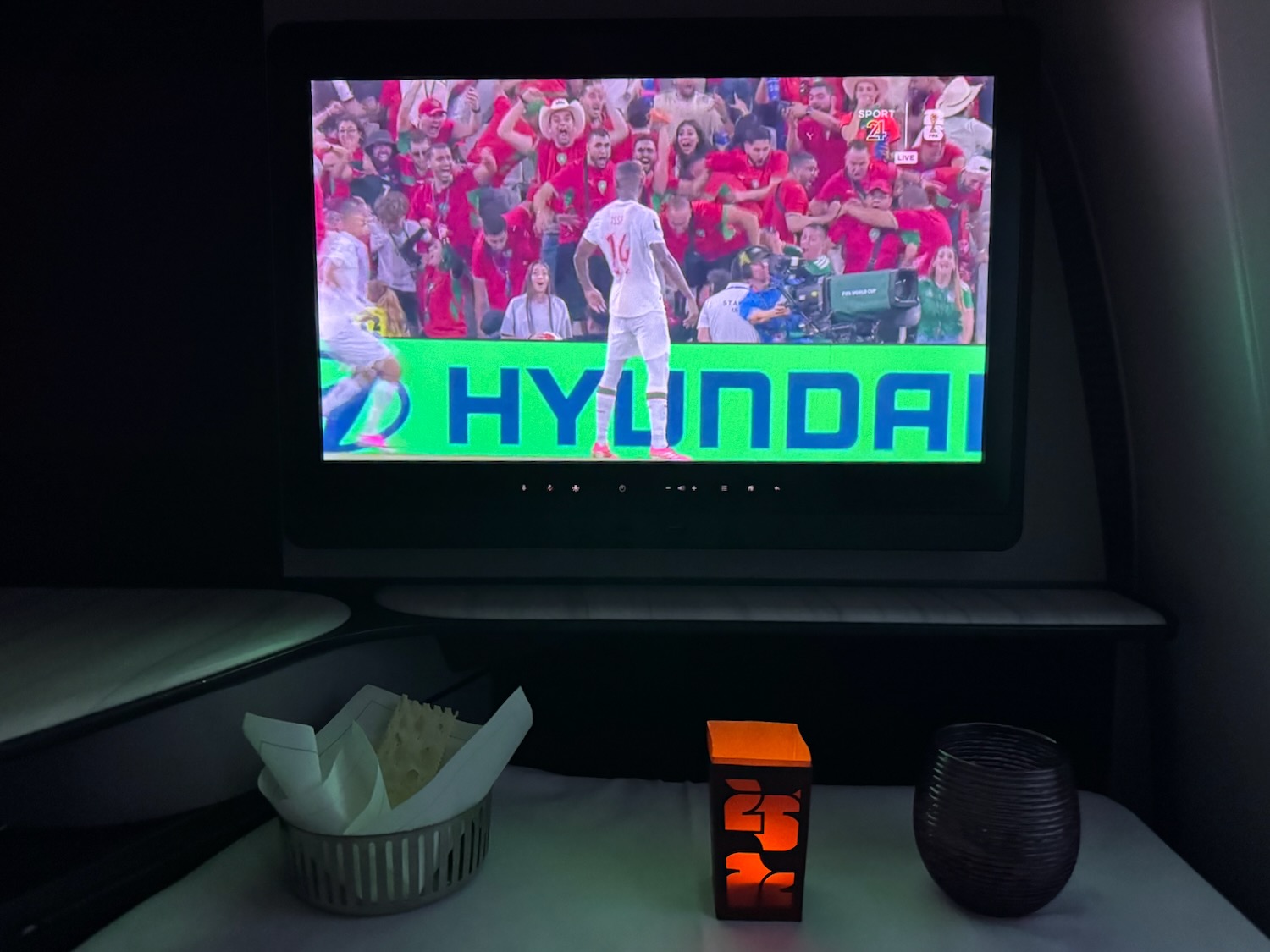
In a traditional stadium or home setting, vocal outbursts are expected during a World Cup match. However, the social contract of the "quiet cabin," particularly in business class where passengers pay a significant premium for privacy and sleep, is increasingly being challenged by live events. The Airbus A350-900 is designed with advanced soundproofing and humidity controls to enhance passenger comfort, yet these engineering feats were rendered ineffective against the human element of the disruptive spectators.
Chronology of the In-Flight Disturbance
The flight, which spans approximately 8,300 miles and serves as a major arterial link between the United States and the Middle East, was roughly midway through its duration when the match reached its climax. The timeline of the disruption followed the rhythm of the game:
- The 90th Minute Equalizer: As Morocco scored to tie the game 1-1, the first major outburst occurred. Witnesses reported passengers jumping from their seats and shouting expletives that were audible throughout the business class section and likely into the forward economy cabin.
- The Penalty Shootout: After a scoreless extra time, the tension peaked during the shootout. The cabin atmosphere remained charged, with audible groans and cheers accompanying every kick.
- The Final Whistle: Upon Morocco’s 3-2 victory in penalties, the noise reached its zenith. The celebration involved sustained shouting and "hooligan-like" behavior, according to one passenger, which persisted despite the late hour and the fact that many other travelers were using noise-canceling headphones in an attempt to sleep.
Throughout the nearly two-hour window of the match and its immediate aftermath, the flight crew remained largely hands-off. While flight attendants are trained in de-escalation techniques for unruly passengers, the collective nature of this disruption—involving five to six individuals simultaneously—presented a unique challenge for the cabin crew.
Technical Specifications and the Role of Starlink
The availability of high-fidelity live TV is a relatively new feature for Qatar Airways’ A350 fleet. The airline’s partnership with Starlink, owned by SpaceX, provides bandwidth speeds of up to 350 Mbps per plane. This capacity allows every passenger on board to stream high-definition content simultaneously without lag.
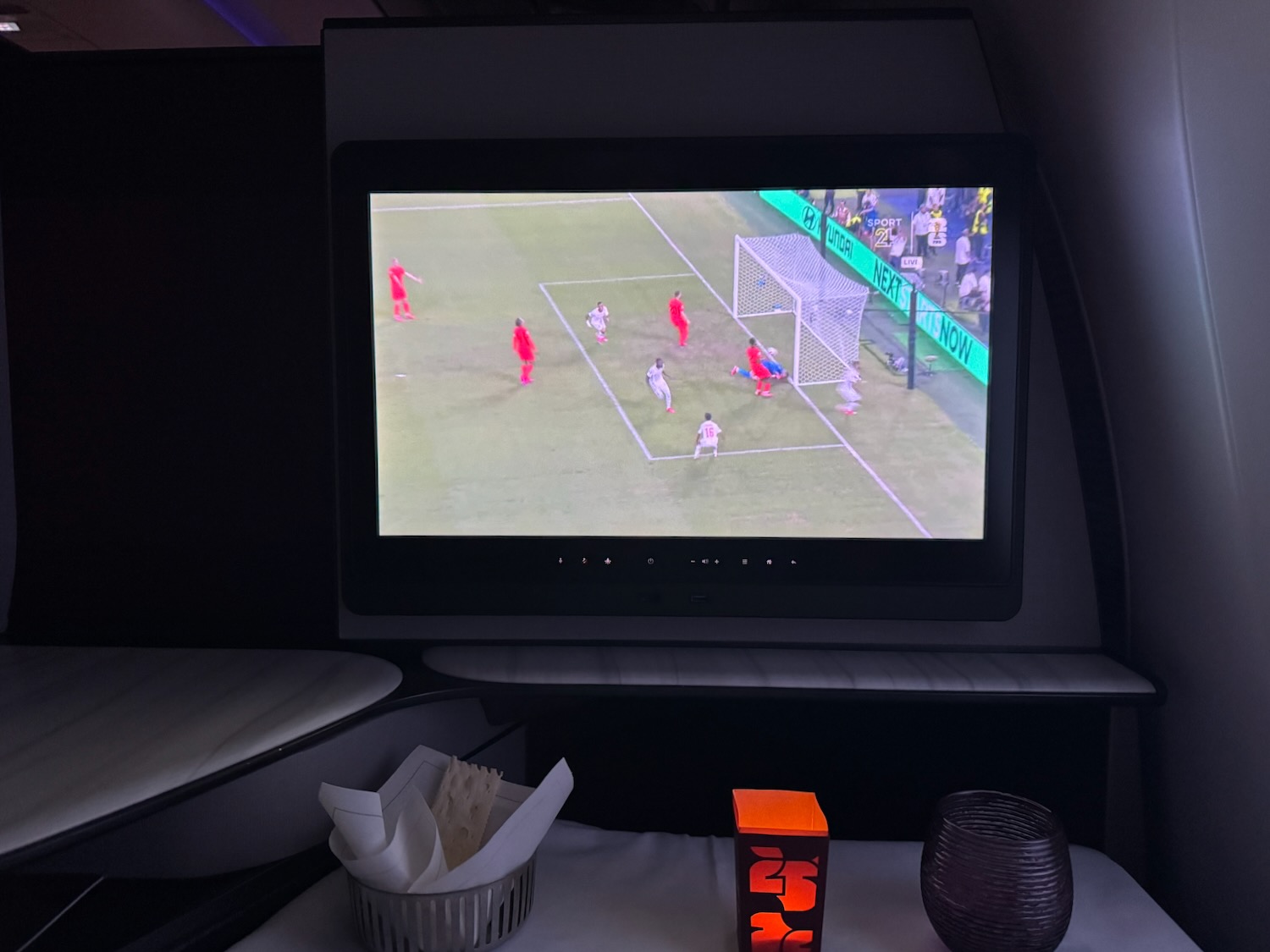
While Qatar Airways has received numerous awards for its In-Flight Entertainment (IFE) system, "Oryx One," the integration of live sports via Starlink has created a new variable in cabin management. Unlike pre-recorded movies or television shows, which are consumed individually and at different times, live sports create a synchronized experience. When a goal is scored, the entire "viewing" population of the plane reacts at the exact same millisecond, creating a concentrated "sonic boom" of noise that can startle sleeping passengers and crew members alike.
Official Responses and Passenger Etiquette
Following the conclusion of the match, the cabin eventually returned to its expected state of quiet. However, the psychological impact on non-viewing passengers was notable. One traveler reported discussing the matter with a flight attendant later in the journey. The crew member reportedly expressed regret, characterizing the behavior of the football fans as "extremely inappropriate," but noted the difficulty of intervening when multiple high-tier passengers are involved in a group celebration.
Under international aviation guidelines, "unruly behavior" is defined broadly. The International Air Transport Association (IATA) classifies such incidents into four levels, ranging from minor non-compliance (Level 1) to life-threatening behavior (Level 4). While the shouting on this flight likely falls into Level 1 (disruptive behavior, suspicious or threatening), it highlights a gray area in enforcement. Traditionally, Level 1 incidents involve a single individual. When a group of passengers collectively disrupts the cabin due to a shared external stimulus—like a sporting event—crew members often find it difficult to issue individual citations or warnings without escalating the situation further.
Broader Implications for the Future of Long-Haul Travel
This incident serves as a case study for the "democratization of the live experience" in aviation. As more airlines, including United, Delta, and Air New Zealand, move toward high-speed, free Wi-Fi and live TV, the industry may need to establish new protocols for "Live Event Etiquette."
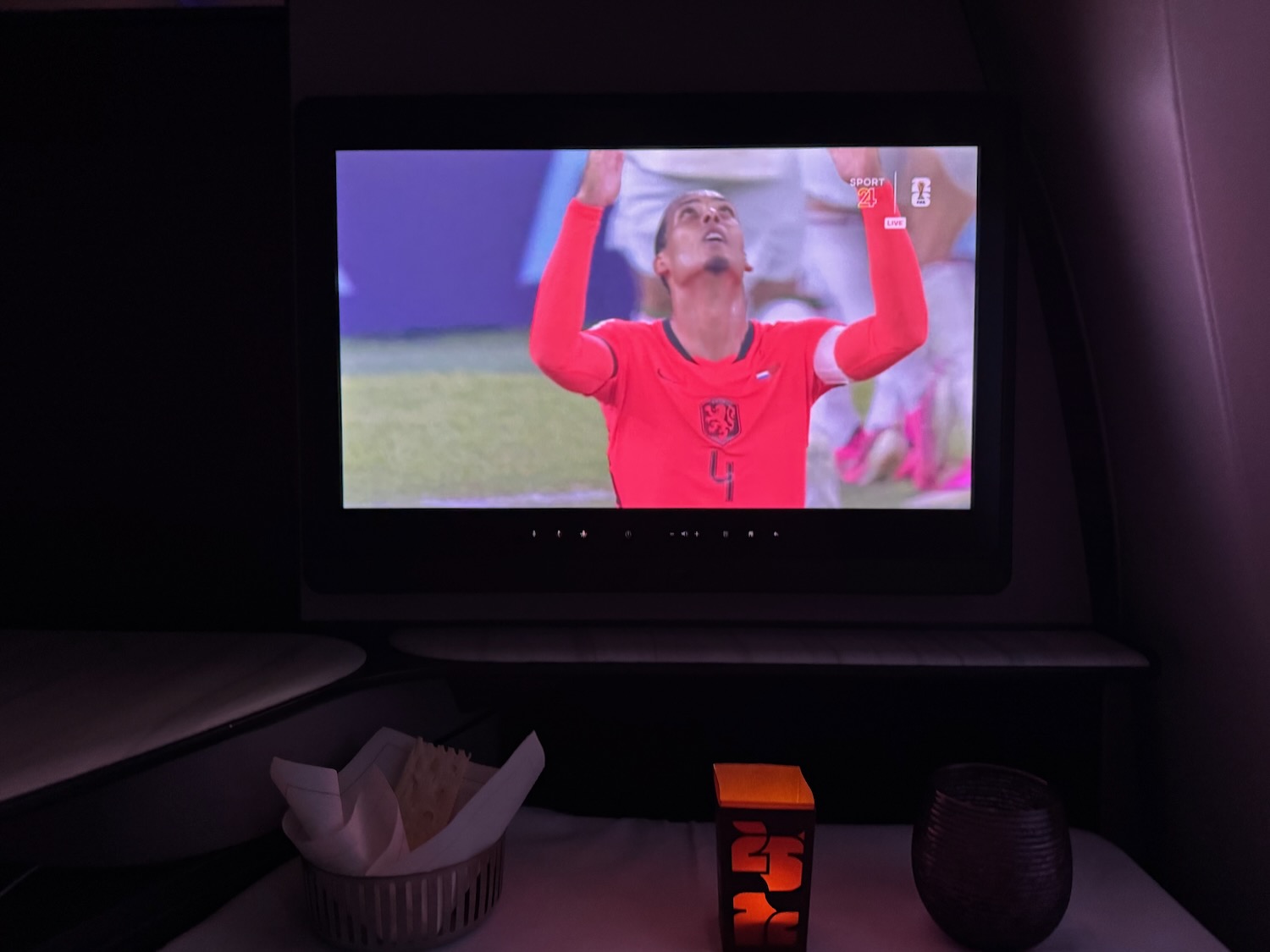
Several potential solutions have been proposed by aviation analysts:
- Designated Viewing Zones: Similar to the onboard lounges found on Emirates or Qatar’s A380s, airlines could encourage fans to congregate in social areas rather than their individual suites.
- PA Announcements: Before major events, pilots or cabin leads could issue a "courtesy reminder" asking passengers to remain mindful of their neighbors during the broadcast.
- Software Restrictions: In extreme cases, airlines could theoretically throttle bandwidth or disable live TV during "quiet hours" on ultra-long-haul flights, though this would likely be met with significant passenger backlash.
The Cultural Significance of the Morocco-Netherlands Match
To understand the intensity of the reaction, one must consider the cultural context of the match. Morocco’s performance in recent international tournaments has been a source of immense pride across the Arab world and the African continent. For a flight bound for Doha—a city that recently hosted the World Cup and remains a global hub for football culture—the stakes were perceived as exceptionally high.
The Netherlands and Morocco also share a complex footballing history, with many players of Moroccan descent having played in the Dutch league system. This "rivalry" often translates into high-octane emotional displays from supporters. However, aviation experts argue that regardless of the cultural or emotional significance of the event, the safety and comfort of the flight must remain the priority. The use of profanity and sustained shouting in a pressurized cabin is not merely a nuisance; it can be interpreted as a security threat if it masks other sounds or distracts the crew from their safety duties.
As Qatar Airways continues to lead the industry in cabin innovation, the "Bedlam on the A350" serves as a reminder that technology often outpaces social norms. The transition from the "silent sky" to the "streaming sky" will require a recalibration of what it means to be a "good passenger" in the age of total connectivity. For now, travelers on long-haul flights during major sporting seasons are advised to pack high-quality earplugs alongside their noise-canceling headphones, as the roar of the stadium is no longer confined to the ground.



 Anjar Salim
 Chandra Hamzah
 Tatiana Tantri Indah Sari
 Lukman Taruna Persada Ramadan
