
 Susilo Edi Turonggo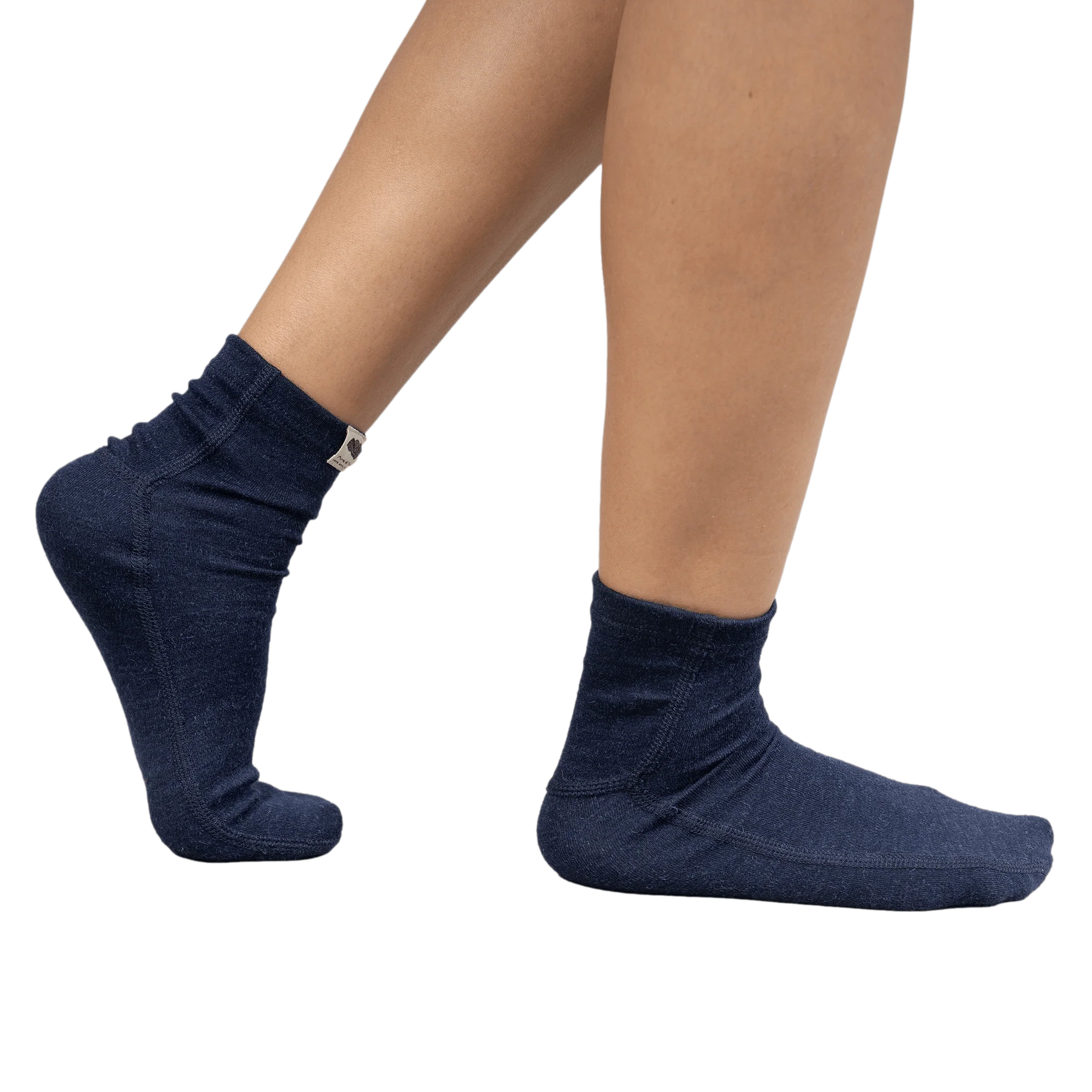
The seemingly innocuous choice of socks, a fundamental component of daily attire, is increasingly under scrutiny as consumers become more aware of the potential health and environmental implications of textile manufacturing. Far from being a mere accessory, socks can significantly impact foot comfort and, more critically, expose wearers to a range of synthetic chemicals and dyes that pose documented health risks. This growing awareness is driving a significant shift in the apparel industry, fostering the emergence of brands dedicated to producing non-toxic, natural fiber socks that prioritize both consumer well-being and environmental sustainability.
Understanding the Problem: Chemical Sensitivities and Health Risks in Textiles
For many, the discomfort associated with synthetic socks extends beyond mere itchiness. Plastic-based fabrics, such as polyester and nylon, are known to trap moisture and odors, creating an environment conducive to bacterial growth. More concerning, however, is the chemical cocktail often used in their production and dyeing. Azo-benzene disperse dyes, commonly employed for vibrant colors on synthetic fibers, are identified as known skin sensitizers. Research, including studies cited by the National Center for Biotechnology Information (NCBI), indicates their potential carcinogenicity upon dermal absorption. This risk is particularly elevated with socks, as the dyes can migrate to the skin more rapidly when feet sweat, facilitating absorption into the body.
Beyond dyes, other chemicals like per- and polyfluoroalkyl substances (PFAS), sometimes used for water or stain resistance in textiles, present additional health concerns, linked to various adverse health effects. The widespread use of these substances in conventional textile manufacturing contributes not only to direct consumer exposure but also to significant environmental pollution, impacting water systems and ecosystems through wastewater discharge. The textile industry is one of the largest polluters globally, with dyeing and finishing processes being particularly water and chemical intensive.
The Evolution of Textile Standards and Consumer Awareness
The journey toward safer textiles is a relatively recent development, rooted in increased scientific understanding of chemical impacts and a burgeoning environmental movement. Historically, textile dyeing involved natural pigments, but the industrial revolution brought forth synthetic dyes, offering unparalleled colorfastness and vibrancy at a lower cost. For decades, the health and environmental consequences of these chemicals went largely unaddressed.
The late 20th and early 21st centuries marked a turning point. Public awareness campaigns, scientific studies, and advocacy from non-governmental organizations began to highlight the ecological footprint of the fashion industry and the direct health risks posed by certain textile chemicals. This led to the development of rigorous voluntary certifications designed to ensure product safety and environmental responsibility. Organizations like Oeko-Tex, founded in 1992, established standards to test textiles for harmful substances, becoming a benchmark for human-ecological safety. Similarly, bluesign, established in 2000, focuses on sustainable textile production processes, aiming to eliminate harmful substances from the very beginning of the manufacturing chain. Other certifications like the Global Organic Textile Standard (GOTS) for organic fibers, the Responsible Wool Standard (RWS) for ethical wool sourcing, and Fair Trade for social equity in supply chains, have collectively provided a framework for brands to operate more responsibly and for consumers to make informed choices. This chronology of evolving standards reflects a concerted global effort to mitigate the negative impacts of an industry that is integral to everyday life.
The Search for Safer Soles: Key Criteria for Non-Toxic Socks
Choosing non-toxic and sustainable socks requires an understanding of several critical factors beyond just aesthetic appeal. These criteria encompass material composition, dyeing practices, supply chain ethics, and packaging, all contributing to a product that is healthier for the wearer and the planet.
1. Natural Materials:
The foundation of non-toxic socks lies in their material composition. For individuals sensitive to synthetics or prone to skin conditions like eczema, 100% natural fibers are paramount. Cottonique and Arms of Andes exemplify brands that achieve this rare feat, offering socks entirely free of synthetic components. Most socks, however, incorporate a small percentage of elastane (spandex) for stretch and shape retention. While a small amount (typically under 5%) is generally considered benign for most individuals, brands with higher synthetic content (20% or more) should be noted, especially for highly sensitive skin.
Beyond organic cotton, which is lauded for its breathability and softness, materials like merino wool and alpaca wool offer superior performance characteristics. These natural fibers are inherently odor-resistant and moisture-wicking, making them ideal for active wear and temperature regulation. However, ethical sourcing is crucial. Certifications like the Responsible Wool Standard (RWS) ensure that wool is harvested from sheep treated humanely, prohibiting practices such as mulesing, a painful procedure. Other excellent natural options include Tencel (a regenerated cellulosic fiber known for its softness and breathability), linen (durable and moisture-wicking), and bamboo viscose (soft and absorbent, though its processing can be chemically intensive, making certified options vital). For those not highly sensitive to synthetics, blends containing recycled materials like nylon and polyester can be considered, provided the majority fiber content remains natural, balancing durability with comfort and sustainability. Dermatologists frequently recommend natural, breathable fibers to patients with skin sensitivities, underscoring their health benefits.
2. Non-Toxic Dyes & Finishes:
The coloring process is often where the most hazardous chemicals are introduced. For individuals with dye sensitivities, undyed socks, which showcase the natural hues of the fibers, offer the safest option. For colored socks, rigorous certification is key. Oeko-Tex Standard 100 certifies that every component of a textile product, from thread to buttons, has been tested for harmful substances and is harmless for human health. Bluesign certification goes a step further, ensuring sustainable production practices throughout the supply chain, including the responsible use of resources and the elimination of hazardous substances from the outset. Brands that implement a Restricted Substances List (RSL) demonstrate proactive chemical management, actively screening for and avoiding problematic chemicals in their manufacturing processes. Environmental groups consistently advocate for such transparency and adherence to stringent chemical management protocols to protect both workers and the environment.
3. Traceable & Ethical Supply Chain:
The ethics behind a product’s creation are as important as its material composition. A truly sustainable product comes from a supply chain that is transparent, fair, and respectful of labor rights. Brands that openly share the locations of their manufacturing facilities and suppliers demonstrate a commitment to transparency. Third-party certifications like Fair Trade ensure that workers receive fair wages and work in safe conditions, empowering communities and fostering economic stability. WRAP (Worldwide Responsible Accredited Production) certification focuses on ethical manufacturing, guaranteeing legal, humane, and ethical production processes. B Corp certification signifies that a company meets high standards of verified performance, accountability, and transparency on factors from employee benefits and charitable giving to supply chain practices and input materials. These certifications provide consumers with assurance that their purchase supports responsible labor practices globally.
4. Sustainable Packaging:
Even small items like socks can contribute to significant waste if packaged irresponsibly. Brands committed to sustainability extend their efforts to packaging. Look for options that are compostable or biodegradable, returning safely to the earth. Recycled and recyclable materials, such as post-consumer recycled paper or cardboard, reduce the demand for virgin resources. Certifications like the Forest Stewardship Council (FSC) ensure that paper and cardboard products are sourced from responsibly managed forests, promoting ecological balance and preventing deforestation. These seemingly minor details reflect a brand’s holistic commitment to environmental stewardship.
Leading the Change: Brands Pioneering Non-Toxic Sock Production
Several brands are at the forefront of this movement, offering diverse options that meet stringent criteria for non-toxic and sustainable sock production:
1. Harvest & Mill:
Harvest & Mill stands as a testament to localized, transparent production. This brand distinguishes itself by crafting dye-free organic cotton socks entirely within the United States – from cultivation and spinning to knitting. This vertically integrated approach significantly shortens the supply chain, bolstering domestic agriculture and minimizing carbon footprints associated with global shipping. The use of unbleached, natural-colored cotton ensures maximum skin safety. Beyond its production practices, Harvest & Mill is committed to circularity, repurposing or recycling all fabric scraps and utilizing compostable packaging. Consumer feedback highlights the dye-free socks as exceptionally cozy and breathable, with a crew-style design that offers ample ankle protection without restrictive cuffs, despite their thick cotton feel, they remain lightweight. This brand exemplifies a commitment to "seed-to-sew" ethical manufacturing.
Price Range: $11-$12 for single pairs, $33-$66 for packs. Available in: Most countries.
2. Subset (formerly Knickey):
Brooklyn-based Subset, known for its PFAS-free apparel, extends its commitment to non-toxic production to its Fair Trade and Oeko-Tex-certified organic cotton socks. The brand maintains a transparent supply chain, sourcing its organic cotton from an Indian farm where it is also ginned, spun, dyed, and sewn. While praised for its ethical production and certifications, Subset’s socks contain 24% synthetics, a point of consideration for those with extreme sensitivities. Despite this, a sensitive skin tester noted the well-embedded elastic in the cuff, preventing direct skin contact. These thinner socks are described as feeling dressier and well-suited for tight-fitting shoes.
Price Range: $12. Available in: The U.S., Australia, Canada, and most European countries.
3. Paka:
Paka, a certified B Corp, leverages the remarkable properties of alpaca wool to create durable yet lightweight socks. Blending majority alpaca wool with Tencel, these socks offer natural moisture-wicking and odor-resistant qualities. The brand’s commitment to ethical production is evident in its use of Oeko-Tex-certified dyes and its collaboration with Peruvian artisans for spinning, supporting local craftsmanship. Paka’s use of biodegradable and compostable packaging further reinforces its sustainability ethos. A sensitive skin tester lauded these thick socks for their exceptional warmth, making them ideal for harsh winters and long hikes, noting that any minor itchiness was likely due to the natural texture of alpaca wool rather than a chemical reaction. However, it’s important to note that Paka’s socks contain up to 50% recycled synthetics for enhanced durability.
Price Range: $20-$24 for single pairs, $48-96 for bundles. Available in: Worldwide.
4. Arms of Andes:
Arms of Andes is distinguished as one of the few brands offering socks crafted entirely without synthetics. Its 100% alpaca fiber slipper socks are sourced from free-range alpacas, ensuring animal welfare. These Oeko-Tex-certified socks are lightweight yet provide excellent insulation, combining softness with natural moisture-wicking capabilities. The brand maintains a close relationship with co-op farmers in the Andes, overseeing the entire garment production process from sourcing to sewing. Their dedication to sustainability is further demonstrated through the use of compostable packaging for all orders.
Price Range: $20-$25 for single pairs, $65 for packs. Available in: The U.S., the EU, and the UK.
5. Cottonique:
A leader in allergy-free apparel, Cottonique specializes in 100% cotton, synthetic-free socks. These products are rigorously designed to be Latex-free, bleach-free, and hypoallergenic, featuring covered seams to prevent skin irritation. Cottonique collaborates closely with dermatologists to ensure its products meet the highest standards for sensitive skin. The brand sources its organic cotton from India and conducts manufacturing in the Philippines, maintaining compostable packaging. Its unwavering commitment to pure, unadulterated cotton makes it a go-to for severe sensitivities.
Price Range: $16 for single pairs of thigh highs, $16-$21 for packs. Available in: Most countries.
6. Boody:
Sydney-based Boody offers a versatile range of socks, from relaxed styles to performance-oriented options. The brand utilizes Oeko-Tex-certified organic bamboo viscose from India, complemented by organic cotton and recycled nylon. Boody upholds a strict code of conduct and partners with WRAP-certified facilities in China, Vietnam, and India, ensuring ethical labor practices. Their focus on bamboo viscose, known for its softness and breathability, provides a comfortable, sustainable alternative.
Price Range: $9.95-$17.95 for singles, $54 for bundles. Available in: The U.S. and Canada.
7. Kotn:
Kotn, a certified B Corp, is deeply committed to ethical sourcing and direct trade. The brand builds enduring relationships with local Egyptian cotton farmers, ensuring fair prices and community support. Its socks are crafted from organic cotton and dyed with Oeko-Tex-certified dyes. Kotn boasts a fully traceable supply chain and uses recycled and recyclable packaging. While some pairs contain up to 20% synthetics, the brand’s overall transparency and ethical commitment are commendable. Consumer reviews praise these socks not only for comfort but also for their professional aesthetic, making them versatile for various occasions.
Price Range: $10-$18 for single pairs. Available in: Most countries.
8. Quinn:
Quinn designs garments specifically for individuals with eczema and focuses on durability. Their selection of organic cotton non-toxic socks includes dye-free, lightweight, and mid-weight options. Designed in Canada, these socks are ethically produced in Oeko-Tex-certified factories in Portugal and Sri Lanka. While their cotton is GOTS-certified, the specific sourcing location remains unclear. Some pairs contain up to 20% synthetics. A tester found both the undyed cotton ankle socks and merino wool options to be exceptionally comfortable and breathable, with the merino wool featuring an extra-thick heel for enhanced warmth and cushioning, ideal for both hiking and relaxation.
Price Range: $15 for singles up to $75 for packs. Available in: Most countries.
9. Cariloha:
Cariloha, a certified B Corp, specializes in hypoallergenic socks made from a blend of bamboo viscose and organic cotton. The brand’s Oeko-Tex and Fair Trade-certified bamboo is sourced from China, emphasizing both product safety and ethical labor. Cariloha utilizes FSC-certified paper packaging, demonstrating a commitment to responsible forestry. However, the specific manufacturing locations are not explicitly disclosed, which is a point for consumers seeking complete supply chain transparency.
Price Range: $10-$15 for singles, $30-$45 for bundles. Available in: The U.S., Australia, and Canada.
10. Dedicated:
Dedicated produces Fair Trade organic cotton socks featuring bold and playful patterns. The brand’s cotton suppliers are WRAP-certified, ensuring ethical working conditions. Committed to transparency, Dedicated provides manufacturing location details on each product page, allowing consumers to trace their purchases. A consideration for some may be that their socks contain up to 25% elastane, which is higher than some other natural fiber options.
Price Range: $9-$59. Available in: Worldwide.
11. Darn Tough:
Hailing from Vermont, Darn Tough manufactures its socks in family-owned mills, emphasizing comfort and extreme durability. Their socks are crafted from RWS-certified merino wool and come in a wide array of fun and colorful styles. Darn Tough uses Oeko-Tex-certified materials and maintains a Restricted Substances List, regularly testing for hazardous substances. Their commitment to sustainability extends to packaging, utilizing FSC-certified recycled paper, compostable bags, and vegetable-based inks. While renowned for their quality and lifetime guarantee, Darn Tough socks do contain up to 50% synthetics to achieve their signature durability and performance characteristics.
Price Range: $15-$35 for singles, up to $84 for packs. Available in: The U.S., the UK, and the EU.
12. Nisolo:
Nisolo, a certified B Corp primarily known for its leather footwear, also offers a charming and comfortable line of socks. These socks are produced in a family-owned mill in North Carolina, utilizing upcycled cotton, linen, wool, and recycled polyester. Nisolo is dedicated to supply chain traceability and actively works towards paying a living wage to all individuals involved in its production process. Its packaging is made with recycled materials. A significant aspect to consider is that Nisolo’s socks contain up to 70% synthetics, primarily recycled polyester, reflecting a balance between repurposing materials and utilizing natural fibers.
Price Range: $15-$20 for single pairs. Available in: The U.S., Australia, Canada, and most European countries.
13. Swedish Stockings:
Swedish Stockings specializes in knee-highs and ankle socks, offering classic, supportive, colorful, and patterned options. Manufactured in Italy, these products use Oeko-Tex-certified materials, including bamboo viscose, organic cotton, organic wool, recycled polyester, and both virgin and recycled elastane. While the brand excels in offering sustainable options for hosiery, it’s important to note that some of their socks are fully synthetic, particularly in their more sheer or supportive ranges.
Price Range: $19 for ankle sock bundles, $22-$45 for single knee highs, and $50-$90 for knee-high bundles. Available in: Most countries.
The Broader Implications: A Shift Towards Conscious Consumption
The growing demand for non-toxic and sustainable socks is indicative of a broader transformation within the consumer market. Increasingly, consumers are moving beyond price and aesthetics, prioritizing health, ethical production, and environmental impact in their purchasing decisions. This shift is driving innovation across the textile industry, compelling more brands to adopt transparent supply chains, utilize safer materials and dyes, and embrace sustainable packaging solutions.
The implications of this trend are far-reaching. For consumer health, it means reduced exposure to potentially harmful chemicals, mitigating risks of skin irritation, allergic reactions, and long-term health issues. Environmentally, the move towards natural fibers, non-toxic dyes, and responsible manufacturing significantly lessens the ecological footprint of textile production, conserving water, reducing chemical pollution, and minimizing waste. The rise of certifications and traceable supply chains also fosters greater social equity, ensuring fair wages and safe working conditions for garment workers globally.
As regulatory bodies worldwide continue to explore stricter chemical controls in textiles, and as technological advancements offer new sustainable material and dyeing solutions, the non-toxic textile industry is poised for further growth. This collective effort, driven by informed consumers and responsible brands, represents a crucial step towards a more sustainable and healthier future for fashion.
In conclusion, the choice of socks, once a simple matter, has evolved into a statement of personal health and environmental responsibility. By opting for products made with natural fibers, non-toxic dyes, and ethical, transparent supply chains, consumers contribute not only to their own well-being but also to a more sustainable and equitable global textile industry.


 Budi Mulyono
 Anjar Salim
 Chandra Hamzah
 Tatiana Tantri Indah Sari

 Lukman Taruna Persada Ramadan