
 Susilo Edi Turonggo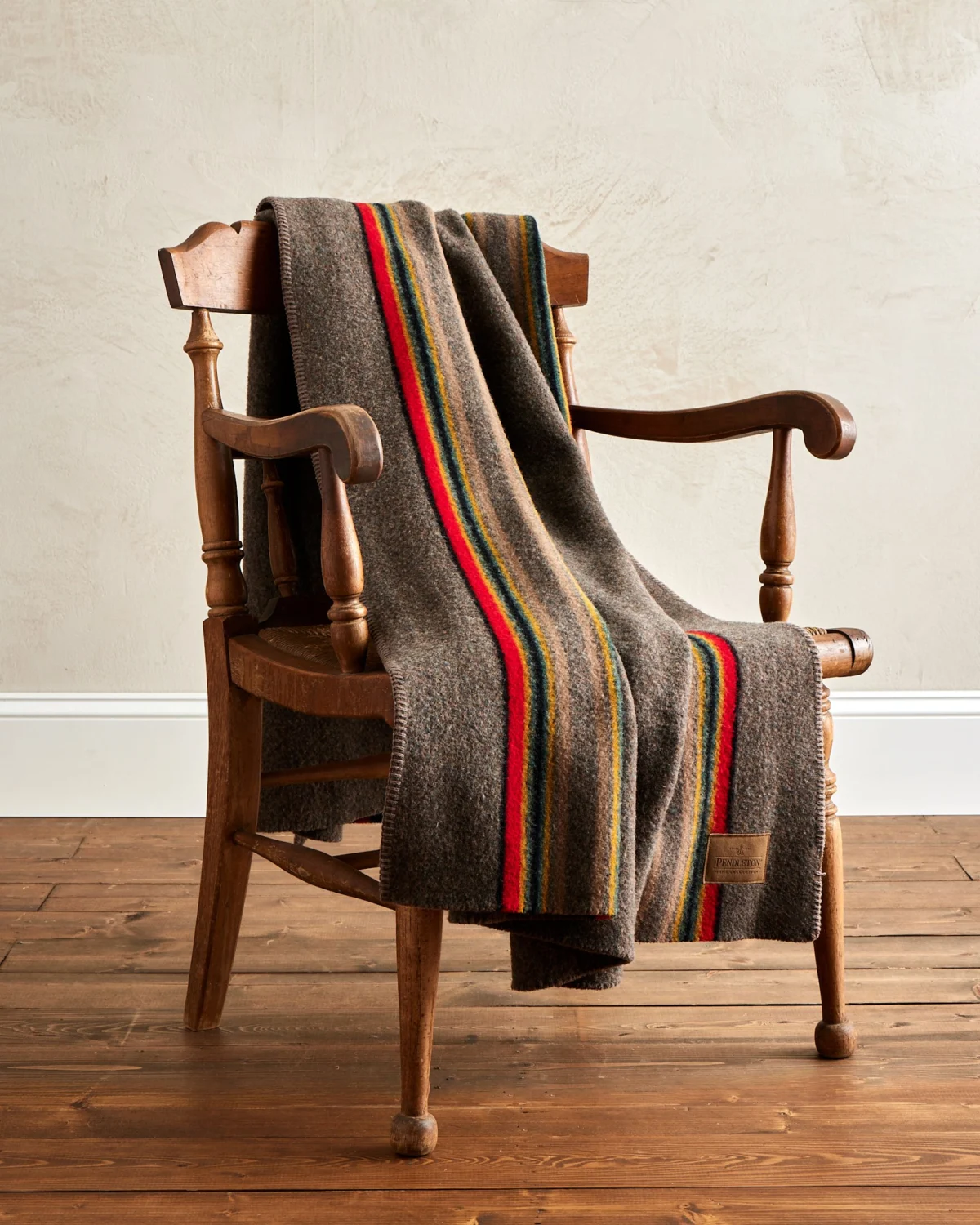
Beyond their primary function of providing warmth, blankets have evolved into significant elements of home décor, personal comfort, and, increasingly, a statement of consumer values. As global awareness concerning environmental degradation and social inequalities intensifies, the demand for sustainable and ethically produced home goods, including blankets, has surged. This comprehensive guide explores the critical factors that define a truly responsible blanket, delves into the industry’s shift towards greener practices, and highlights pioneering brands that are setting new benchmarks for conscious comfort.
The Environmental and Health Imperative: Why Sustainable Textiles Matter
The textile industry, a colossal global enterprise, is notorious for its significant environmental footprint and, at times, questionable labor practices. Understanding these impacts is crucial for appreciating the value of sustainable alternatives.
-
The Hidden Cost of Conventional Textiles:
- Water Consumption and Pollution: Traditional textile production, particularly for conventional cotton, is incredibly water-intensive. It can take thousands of liters of water to produce just one kilogram of cotton. Beyond cultivation, dyeing and finishing processes contribute massively to water pollution. Industrial wastewater, laden with chemicals, often flows untreated into rivers and oceans, contaminating ecosystems and threatening human health.
- Chemical Dependency and Toxicity: Synthetic textiles, which dominate the market, are frequently dyed with immuno-sensitizing azo-benzene disperse dyes. These chemicals are not inert; they can leach from the fabric, causing skin reactions upon contact or breaking off into household dust. This dust can then be inhaled or ingested, posing potential health risks to occupants, especially children. Furthermore, the agricultural practices for conventional cotton rely heavily on pesticides and insecticides, which deplete soil health, contaminate groundwater, and harm biodiversity.
- Energy Consumption and Carbon Emissions: The manufacturing of synthetic fibers, the operation of textile machinery, and the global transportation of raw materials and finished goods are all energy-intensive processes, contributing substantially to greenhouse gas emissions and accelerating climate change.
- Microplastic Contamination: Synthetic blankets, made from materials like polyester, shed microscopic plastic fibers with every wash and even with daily use. These microplastics enter waterways, contaminate food chains, and contribute to the pervasive global plastic pollution crisis.
-
The Health Angle: The intimate contact we have with blankets underscores the importance of their composition. The hazardous substances found in conventional dyes and finishes can lead to allergic reactions, respiratory issues, and other long-term health concerns. For vulnerable populations, such as infants and individuals with chemical sensitivities, opting for skin-safe, naturally dyed, and chemical-free blankets is a critical health consideration. The aspiration for a non-toxic home environment naturally extends to the fabrics we embrace daily.
Pillars of Ethical Production: Defining a Responsible Blanket
A truly sustainable and ethical blanket is distinguished by its adherence to several key principles that span material sourcing, manufacturing processes, and labor standards.
-
Material Innovation and Natural Fibers: The foundation of a sustainable blanket lies in its raw materials.
- Organic Cotton: Cultivated without synthetic pesticides, herbicides, or genetically modified organisms, organic cotton significantly reduces environmental impact compared to its conventional counterpart. It promotes healthier soil, conserves water, and supports biodiversity.
- Alpaca Wool: Praised for its luxurious softness, warmth, and hypoallergenic properties, alpaca wool is also remarkably sustainable. Alpacas have soft footpads that minimize soil erosion, and their grazing habits are less destructive than other livestock. Alpaca fibers are often naturally colored, reducing the need for dyes, and the animals are shorn humanely. Its low environmental footprint makes it a superior alternative to cashmere.
- Merino Wool: Renowned for its fine fibers, merino wool is renewable, biodegradable, and offers exceptional temperature regulation and moisture-wicking properties. Its natural anti-odor qualities mean less frequent washing, extending its lifespan and conserving resources.
- Linen: Derived from the flax plant, linen is a highly sustainable fiber. Flax requires minimal water and pesticides to grow and thrives in poor soil conditions. Linen fabric is exceptionally durable, breathable, and becomes softer with age.
- Tencel (Lyocell): A regenerated cellulosic fiber made from sustainably sourced wood pulp, Tencel is produced using an environmentally responsible closed-loop process that recycles water and solvents. It offers excellent breathability, softness, and durability.
- Hemp: A rapidly growing crop, hemp requires little water, no pesticides, and naturally enriches the soil. Its fibers are incredibly strong and durable, making for long-lasting blankets.
-
Non-Toxic Dyes and Finishes: The commitment to health and environment extends to the dyes and finishes. Brands prioritizing sustainability utilize low-impact, azo-free, or natural dyes, ensuring that the finished product is free from hazardous chemicals that could harm consumers or pollute waterways.
-
Durability and Lifecycle: A truly sustainable product is one that lasts. Brands focused on durability intentionally choose high-quality materials and employ robust construction techniques. This emphasis on longevity, coupled with timeless designs, ensures that blankets remain cherished items for years, reducing the cycle of consumption and waste. Consumers are encouraged to check care instructions to maximize the lifespan of their investment.
-
Traceability and Ethical Supply Chains: Beyond environmental considerations, ethical production addresses the human element.
- Fair Labor Practices: This includes ensuring fair wages, reasonable working hours, and safe working conditions for all individuals involved in the production process, from fiber harvesting to weaving and finishing.
- Support for Artisan Communities: Many sustainable brands partner directly with artisans, often in developing countries, to preserve traditional craftsmanship and provide stable economic opportunities. These collaborations ensure that cultural heritage is maintained and that artisans receive fair compensation for their specialized skills.
- Transparency: A fully traceable supply chain allows consumers to understand the journey of their blanket, from the origin of its raw materials to its final assembly, fostering trust and accountability.
Decoding Certifications: A Consumer’s Guide to Trust and Verification
In a market increasingly saturated with "eco-friendly" claims, certifications serve as vital third-party verification, offering consumers confidence in a product’s ethical and environmental integrity.
- Oeko-Tex Standard 100: This globally recognized certification ensures that textiles are tested for harmful substances at every stage of production. Products certified by Oeko-Tex are guaranteed to be free from concentrations of substances known to be detrimental to human health.
- bluesign: The bluesign system focuses on minimizing environmental impact throughout the textile supply chain, from raw materials to finished products. It addresses resource productivity, consumer safety, water and air emissions, and occupational health, ensuring environmentally friendly production processes.
- Fair Trade USA & World Fair Trade Organization (WFTO): These certifications guarantee that products are produced under fair labor conditions, meaning workers receive fair wages, work in safe environments, and have opportunities for community development. Fair Trade also promotes environmental stewardship and transparent business practices.
- B Corp Certification: Awarded to companies that meet rigorous standards of social and environmental performance, accountability, and transparency. B Corps balance purpose and profit, committing to using business as a force for good.
- Global Organic Textile Standard (GOTS): While not explicitly mentioned for every brand, GOTS is the world’s leading processing standard for textiles made from organic fibers. It ensures organic status from harvesting of the raw materials through environmentally and socially responsible manufacturing up to labeling, providing a credible assurance to the end consumer.
Industry Evolution and Market Trends: A Timeline of Consciousness
The journey towards sustainable textiles is a story of rediscovery and innovation. Historically, textiles were inherently sustainable, relying on natural fibers, local resources, and handcrafted techniques. The Industrial Revolution ushered in an era of mass production, synthetic fibers, and a disconnection from the environmental and social costs of manufacturing. However, the late 20th and early 21st centuries have witnessed a profound shift. Growing environmental movements, coupled with increasing consumer awareness of chemical impacts and labor exploitation, sparked a demand for "organic," "eco-friendly," and "ethically made" products. This consumer-driven demand has compelled brands to re-evaluate their supply chains, invest in sustainable materials, and adopt transparent practices.
The global sustainable textile market, valued at approximately $29 billion in 2022, is projected to grow significantly, reaching over $60 billion by 2030, underscoring a fundamental change in consumer values and industry priorities. This growth is fueled by innovations in eco-friendly materials, advancements in recycling technologies, and a collective push for circular economies.
Leading the Way: Brands Championing Sustainable Blanket Production
The market for sustainable blankets is diverse and dynamic, featuring brands that prioritize various aspects of ethical production, from domestic manufacturing to global artisan partnerships.
1. Legacy and Domestic Craftsmanship
-
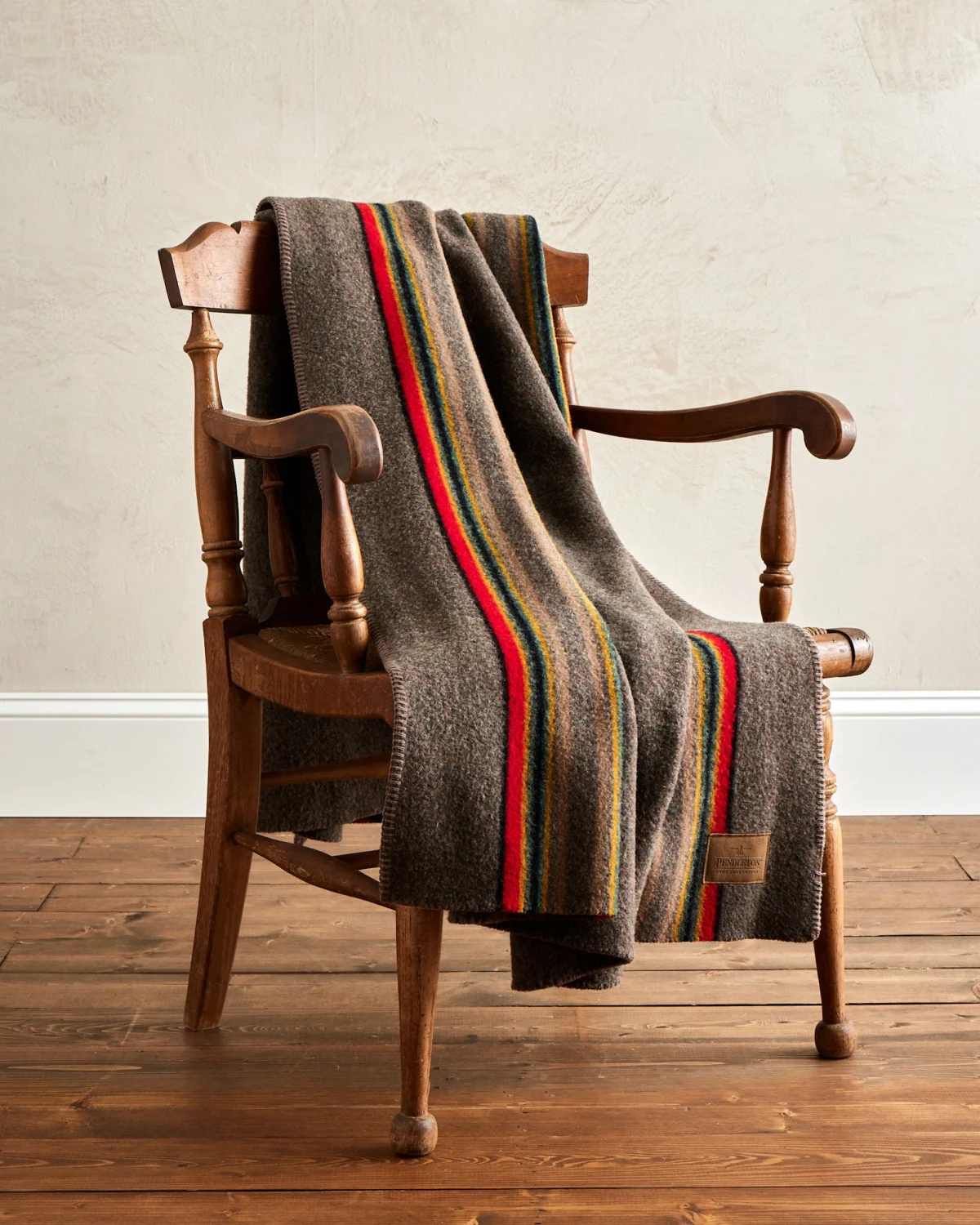
Pendleton: A testament to enduring quality and American heritage, Pendleton has been a beacon of woolen craftsmanship since 1909. Operating two of the few remaining woolen mills in the U.S., the brand meticulously handles every step from scouring and dyeing to spinning, weaving, and hand-finishing wool and cotton for its Oeko-Tex-certified blankets. Pendleton’s commitment extends to fostering long-standing relationships with local wool farmers and collaborating with indigenous artists whose iconic patterns are intricately woven on looms, celebrating cultural heritage and supporting local economies. The preservation of domestic manufacturing not only ensures high-quality control but also minimizes transportation-related carbon emissions.
- Price Range: $60-$529
- Available in: The U.S.
-
Savvy Rest: This certified B Corp bedding brand specializes in organic cotton dye-free blankets, available in sizes from throw to king. Their commitment to domestic production is evident, with cotton grown and woven into blankets entirely within the United States. By focusing on dye-free options and localized production, Savvy Rest minimizes chemical exposure and supports American agricultural and manufacturing sectors.
- Price Range: $89-$198
- Available in: The United States
2. Artisan Partnerships and Global Impact
-
Minna: A certified B Corp and queer-led business based in Upstate New York, Minna exemplifies the power of direct artisan collaboration. Their blankets, featuring abstract patterns and minimalist designs, are handmade in small batches using alpaca, Oeko-Tex-certified cotton, and merino wool. Minna cultivates strong relationships with artisan partners in Central and South America, ensuring fair compensation and safe working conditions. The transparency of listing the artisan who made each blanket on its product page fosters a deep connection between consumer and maker, highlighting the human element in ethical production.
- Price Range: $165-$398
- Available in: Most countries.
-
April Notes: Dedicated to soft and earth-friendly home linens, April Notes offers a collection of blankets crafted from linen, cotton, and merino wool. These textiles are certified free of harmful chemicals and synthetic dyes, ensuring they are naturally breathable and hypoallergenic. The brand operates on an on-demand production model, significantly minimizing textile waste and overproduction. April Notes works closely with a boutique atelier in Lithuania, prioritizing craftsmanship, fair wages, and safe working conditions for its skilled artisans, thereby supporting traditional textile arts.
- Price Range: $149-$180
- Available in: The U.S., Canada, the U.K., Australia, New Zealand, Mexico, Norway, Switzerland, Gibraltar, and all European Union countries.
-
The Citizenry: As a Fair Trade brand, The Citizenry is dedicated to creating warm and lightweight blankets, quilts, and throws from ethically sourced, Oeko-Tex-certified materials, including alpaca wool, mohair, linen, and cotton. The brand’s commitment to transparency is evident in its practice of listing all international partners and detailing where each blanket was handwoven and loomed on its product page. This model not only ensures fair wages and safe conditions but also brings unique, culturally rich designs into homes, fostering a global appreciation for artisan skill. While some blankets may contain a small amount of polyester, these instances are clearly disclosed, allowing for informed consumer choice.
- Price Range: $189-$299
- Available in: The U.S. and Canada.
-
Boll & Branch: This Fair Trade Certified bedding company places a high priority on non-toxic processes to deliver safe and exceptionally soft blankets. Its throws are crafted by artisans in India, Turkey, and Pakistan using traceable, Oeko-Tex-certified organic cotton and alpaca. Boll & Branch’s dedication to a transparent and ethical supply chain from farm to finished product sets a high standard for responsible manufacturing within the home goods sector.
- Price Range: $149-$699
- Available in: The U.S. and Canada.
3. Comprehensive Eco-Consciousness and Material Innovation
-
Avocado: A Los Angeles-based certified B Corp, Avocado is renowned for its holistic approach to sustainable bedroom stylings. Its throw blankets are made with Oeko-Tex-certified organic cotton, alpaca wool, cashmere, merino wool, and recycled cotton. A unique feature is the use of naturally occurring colors in their alpaca wool throws, eliminating the need for dyes, while other blankets utilize azo-free dyes. Avocado sources its wool from Northern India and maintains a regularly audited supply chain, ensuring consistent adherence to its high ethical and environmental standards.
- Price Range: $39-$349
- Available in: The U.S.
-
Coyuchi: Committed to creating high-quality home goods with minimal environmental impact, Coyuchi sources organic cotton and wool from India. Their blankets are woven in Fair Trade-certified factories located in Turkey, Portugal, and Germany, reflecting a global network of ethical production. Coyuchi further aids consumer decision-making with a comprehensive blanket guide, helping individuals find the perfect product that aligns with their needs and values, showcasing a full-circle approach to sustainability.
- Price Range: $58-$478
- Available in: The U.S.
-
Under the Canopy: This brand’s blankets are produced in India, Pakistan, Turkey, and China, utilizing Oeko-Tex-certified low-impact dyes. They employ merino wool from Argentina and organic cotton from Turkey to craft intentional designs built for longevity. Under the Canopy’s global manufacturing footprint is managed with a strong emphasis on certifications and ethical practices, demonstrating that a broad supply chain can still adhere to rigorous sustainability standards.
- Price Range: $178-$212
- Available in: The U.S.
-
Bearaby: Specializing in weighted blankets designed for sleep and anxiety, Bearaby also offers comfortable and lightweight throws. The brand innovatively uses Tencel from Austria, organic cotton from India, and Oeko-Tex-certified recycled polyester. The inclusion of recycled polyester, particularly when Oeko-Tex certified, represents a more sustainable alternative to virgin synthetic fibers, mitigating waste and reducing the reliance on new petroleum-based plastics. Bearaby offers blankets in multiple weights and sizes, catering to diverse comfort needs with an eco-conscious approach.
- Price Range: $149-$309
- Available in: The U.S.
4. Modern Design Meets Responsible Production
-
Cold Picnic: This brand transforms home goods into exquisite art pieces, primarily using domestically-sourced Oeko-Tex-certified recycled cotton. Designed in Brooklyn, their blankets are made in small batches in the U.S. by a family-owned company, supporting local industry. Their quilts are handmade in India by artisans, combining modern aesthetics with traditional craftsmanship. While some blankets may incorporate polyester, its recycled and Oeko-Tex certified status mitigates environmental concerns associated with virgin synthetics, offering a more responsible choice.
- Price Range: $130-$560
- Available in: Worldwide.
-
Parachute: As a direct-to-consumer brand, Parachute is committed to creating quality and durable home goods with a timeless modern design. Their blankets are crafted from Oeko-Tex-certified materials, including cotton, alpaca wool, and linen. Parachute partners with Fair Trade manufacturers in Portugal and Turkey, ensuring an ethical supply chain that upholds worker rights and environmental standards. Similar to other brands, some blankets may contain a small percentage of polyester, but these are clearly indicated, allowing consumers to make choices based on their sensitivities and preferences.
- Price Range: $99–$289
- Available in: The U.S. and Canada.
5. Curated Marketplaces for Conscious Choices
- Made Trade: This online marketplace serves as a meticulously vetted platform for truly sustainable and transparent products. Made Trade empowers consumers to shop by their specific values, offering filters for blankets that are USA Made, handcrafted, or Fair Trade. Shoppers can also select by preferred materials such as organic cotton, recycled polyester, hemp, linen, and merino and alpaca wool. This comprehensive filtering system allows for highly personalized and ethically aligned purchasing decisions, making it easier to navigate the complexities of sustainable consumption and avoid conventional synthetics.
- Price Range: $40-$719
- Available in: The U.S., Australia, Canada, the U.K., most European and Asian countries.
The Broader Implications: A Future of Ethical Textiles
The movement towards sustainable and ethical blankets is more than a niche market trend; it represents a significant paradigm shift in consumer behavior and industrial responsibility.
- Consumer Empowerment: Every purchase made by a conscious consumer acts as a vote for a more sustainable future. By choosing ethically produced blankets, individuals collectively drive demand, compelling more brands to adopt responsible practices.
- Economic Justice: The commitment to fair trade and artisan partnerships provides stable livelihoods, fair wages, and safe working environments for communities around the globe. This fosters economic development and helps preserve traditional crafts and cultural heritage.
- Environmental Restoration: The shift to organic fibers, non-toxic dyes, and resource-efficient manufacturing reduces chemical pollution, conserves water, minimizes waste, and lowers carbon footprints, contributing to a healthier planet.
- Innovation and Progress: The demand for sustainable products spurs continuous innovation in material science, leading to the development of new eco-friendly fibers and more sustainable production technologies.
- Challenges and Opportunities: While progress is evident, challenges remain, including combating greenwashing, scaling sustainable practices across the entire industry, and ensuring affordability. However, these challenges also present opportunities for further innovation, collaboration, and consumer education.
In conclusion, selecting a blanket today involves more than just aesthetics or warmth; it is an act of informed responsibility. By prioritizing brands that champion transparency, ethical labor, and environmental stewardship, consumers can contribute to a healthier home, a more just society, and a sustainable future for the textile industry.



 Chandra Hamzah
 Tatiana Tantri Indah Sari
 Budi Mulyono
 Anjar Salim

