
 Budi Mulyono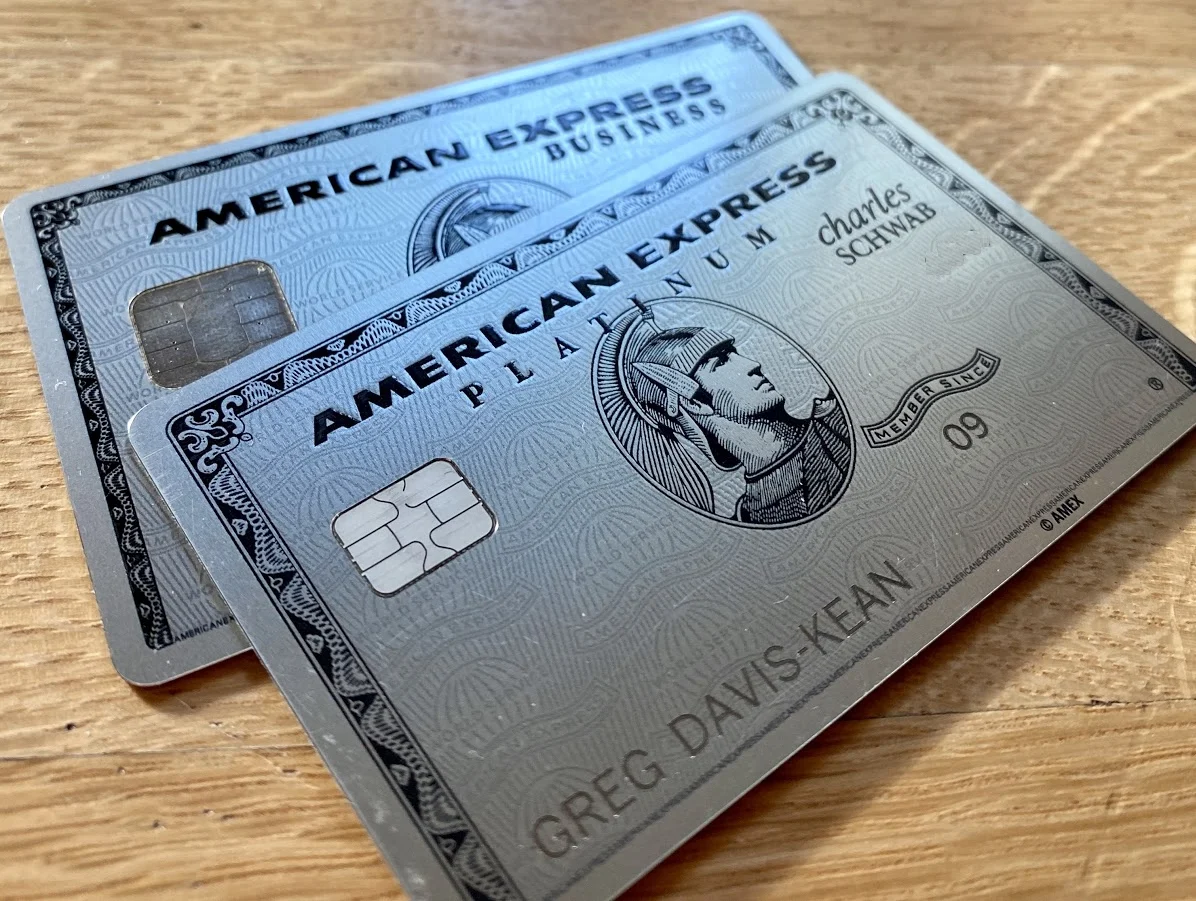
The landscape of premium financial products has undergone a significant transformation over the last several years, with American Express remaining at the forefront of the high-annual-fee market. As of 2026, the American Express Platinum suite has evolved from a traditional travel-centric charge card into a comprehensive lifestyle and business ecosystem. With an annual fee now set at $895 across both consumer and business variants, the value proposition of these cards relies heavily on a cardholder’s ability to maximize a complex web of statement credits, elite statuses, and exclusive access. This analysis explores the current state of the Platinum portfolio, detailing the universal benefits, specialized variations, and the economic implications for high-net-worth individuals and corporate entities.
The Evolution of Premium Credit: A Chronology of the Platinum Card
The American Express Platinum Card was first introduced in 1984 as an invite-only product, eventually becoming a public offering that defined the "prestige" tier of the credit card industry. For decades, its primary value was rooted in airport lounge access and concierge services. However, the competitive landscape shifted dramatically with the 2016 launch of the Chase Sapphire Reserve, prompting American Express to initiate a series of aggressive "refreshes."
In 2021, American Express implemented a major overhaul of the consumer Platinum card, increasing the annual fee and adding a suite of lifestyle credits including Walmart+ and digital entertainment subsidies. By 2024 and 2025, further adjustments were made to the Business Platinum card to include modern operational tools like ChatGPT Business credits and expanded Dell reimbursements. The 2026 iteration of these cards represents the culmination of this "lifestyle-centric" strategy, where the card serves as a pre-paid subscription bundle as much as a payment tool.
Universal Travel Benefits: The Core Platinum Experience
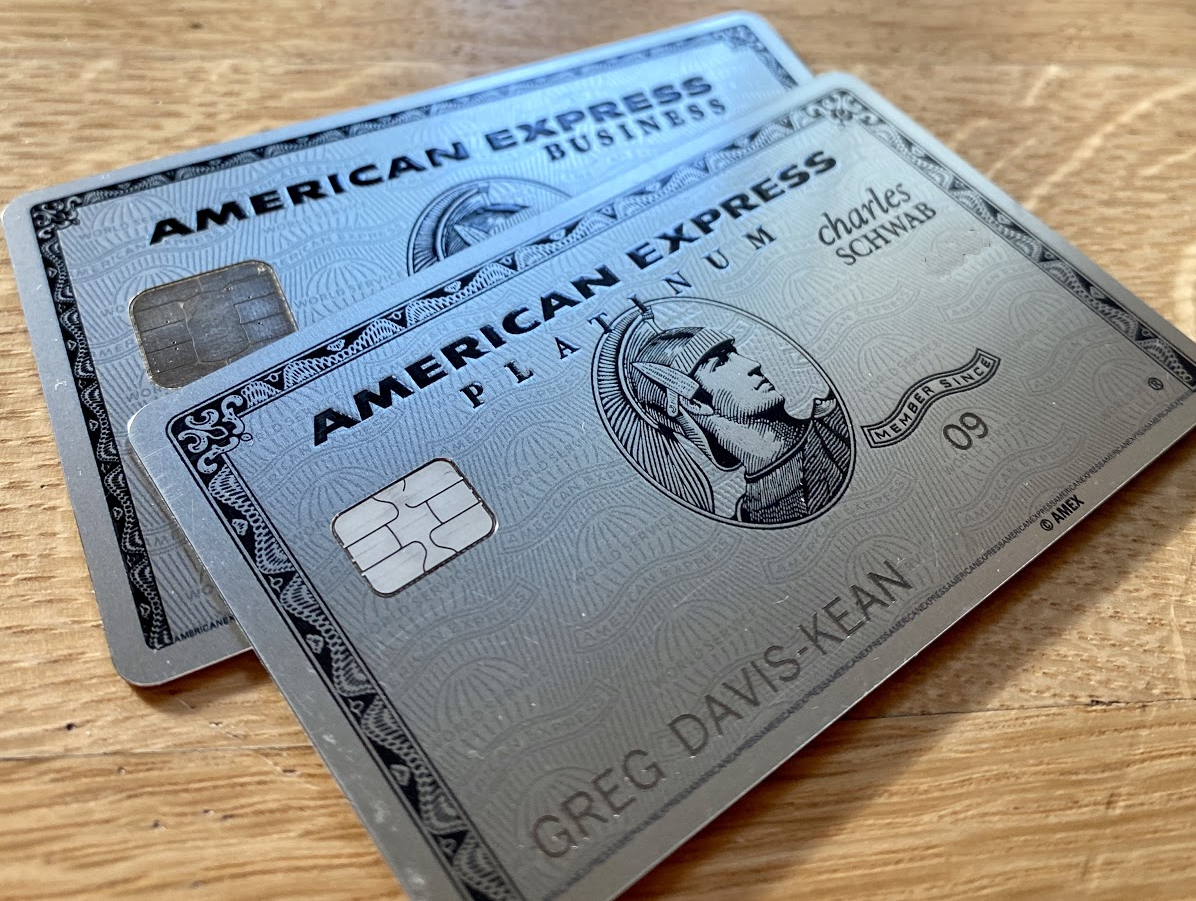
Regardless of the specific version—Consumer, Business, Morgan Stanley, or Schwab—all Platinum cards share a foundational layer of travel-heavy perks designed for the frequent flyer. The most prominent of these is the 5X Membership Rewards earning rate on prepaid hotel and airline bookings made through American Express Travel.
The "Global Lounge Collection" remains a cornerstone of the card’s value. Cardholders receive complimentary access to over 1,400 lounges globally, including the proprietary Centurion Lounges, Escape Lounges, and Plaza Premium Lounges. However, 2026 marks a significant transition period for lounge access. Delta Sky Club access is now restricted to 10 visits per year for cardholders unless they meet a $75,000 annual spend threshold, a move implemented to combat overcrowding. Furthermore, the long-standing partnership providing access to select Lufthansa Lounges is scheduled to terminate on October 1, 2026, marking a shift in the card’s European utility.
Complementing lounge access are the $219 CLEAR+ credit and the Global Entry or TSA PreCheck reimbursement (available once every four years). In the hospitality sector, the Fine Hotels + Resorts (FHR) program continues to offer outsized value, providing room upgrades, daily breakfast for two, and late check-outs, alongside a $600 semi-annual hotel credit (split into two $300 increments) for bookings made through the Amex portal.
The Consumer Platinum Ecosystem: Lifestyle and Dining Integration
The consumer version of the Platinum Card is tailored for individuals whose spending patterns prioritize dining, entertainment, and personal wellness. The 2026 benefit structure emphasizes "statement credit optimization," requiring cardholders to engage with various partner brands to offset the $895 annual fee.
Key lifestyle benefits include:
- Dining and Entertainment: A $400 Resy Dining Credit (distributed as $100 quarterly) and a $300 Digital Entertainment Credit ($25 monthly) covering services such as Disney+, Hulu, and The New York Times.
- Mobility and Delivery: $200 in annual Uber credits ($15 monthly with a $35 December bonus) and a $120 Uber One membership credit.
- Retail and Wellness: A $300 lululemon credit ($75 quarterly), a $300 Equinox credit, and a $200 annual credit for the purchase of an Oura Ring.
- Daily Essentials: A full reimbursement for a monthly Walmart+ subscription, which provides free delivery and fuel discounts.
Industry analysts suggest that this "coupon book" approach allows American Express to lower its effective cost of benefits, as many cardholders fail to utilize every credit. However, for the disciplined consumer, these credits can theoretically provide over $2,000 in annual value, far exceeding the cost of membership.
The Business Platinum Card: Operational Efficiency and Scalability
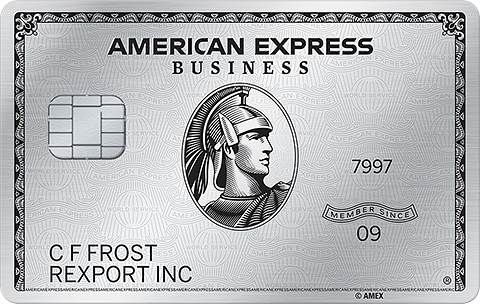
The Business Platinum Card from American Express is distinct in its focus on back-office operations and high-volume spend. While it shares travel perks like lounge access and the $600 hotel credit with the consumer card, its unique features are designed for the Small to Medium Enterprise (SME) market.
One of the most significant advantages for business owners is the 35% Airline Bonus. When using "Pay with Points" for flights booked through Amex Travel, cardholders receive 35% of those points back (up to 1 million points per year). This effectively increases the value of Membership Rewards points to approximately 1.54 cents each when redeemed for airfare.

The 2026 Business Platinum credit suite includes:
- Technology and Software: Up to $1,150 in Dell credits (including a $1,000 bonus for $5,000 in spend) and a $300 credit for ChatGPT Business subscriptions.
- Professional Services: $360 for Indeed recruitment services and $250 for Adobe Creative Cloud or Acrobat purchases.
- Infrastructure: $120 in wireless telephone service credits and $200 in Hilton credits ($50 quarterly).
- High-Spend Rewards: For firms spending over $250,000 annually, the card unlocks a $1,200 flight credit and a $2,400 credit for American Express One AP, an automated accounts payable solution.
Specialized Variations: The Morgan Stanley and Schwab Advantage
For clients of major brokerage firms, American Express offers co-branded versions of the Platinum card that provide unique financial integration.
The Morgan Stanley Platinum Card is particularly notable for its "Engagement Bonus." Clients with a Platinum CashPlus account may receive a $895 credit from Morgan Stanley, effectively neutralizing the annual fee. Furthermore, this version allows for one Platinum authorized user at no additional cost—a significant saving compared to the $195 fee on the standard card. This card also allows points to be cashed out into a brokerage account at a 1:1 ratio.
The Schwab Platinum Card remains a favorite for "points-to-cash" enthusiasts. It allows cardholders to invest their Membership Rewards points into an eligible Schwab account at a rate of 1.1 cents per point. For high-balance clients, Schwab offers an annual statement credit of $100 (for those with $250,000+ in assets) or $200 (for those with $1,000,000+ in assets), further subsidizing the card’s cost.

Economic Analysis: The Break-Even Point and Market Strategy
The shift toward an $895 annual fee represents a calculated move by American Express to filter its customer base toward high-spending, high-engagement users. Financial data indicates that the "break-even" point for a Platinum cardholder has risen. In 2020, a user might have justified the card through travel alone; in 2026, justification requires a holistic adoption of the Amex partner ecosystem.
Critics of the current model argue that the "break-up" of benefits into monthly or quarterly increments creates "breakage"—value that the company advertises but never actually has to pay out because the user forgets to trigger the credit. From a journalistic perspective, this strategy is a masterclass in behavioral economics, incentivizing cardholders to check the Amex app frequently, thereby increasing brand stickiness and opportunities for cross-selling other financial products.
Competitive Landscape and Future Outlook
American Express does not operate in a vacuum. The premium card sector is currently a three-way battle between the Amex Platinum, the Chase Sapphire Reserve ($550 fee), and the Capital One Venture X ($395 fee). While Chase and Capital One offer simpler, broader travel credits, American Express has doubled down on its identity as a "luxury club."
The 2026 landscape shows that American Express is increasingly leaning into its role as a service provider rather than just a credit issuer. By integrating tools like ChatGPT and One AP for businesses, and Oura and Equinox for consumers, the company is attempting to make the Platinum card indispensable to the daily lives of its members.

As the October 2026 deadline for Lufthansa lounge access approaches, and as Delta continues to refine its Sky Club policies, the "best" Platinum card will continue to be a moving target. For the investor, the Schwab or Morgan Stanley versions offer the most objective financial upside. For the entrepreneur, the Business Platinum’s 35% point rebate remains an industry-leading feature. For the luxury traveler, the card remains the undisputed heavy hitter in terms of lounge access and hotel elite status, provided one is willing to navigate the complexities of its extensive benefit ledger.




 Anjar Salim
 Chandra Hamzah
 Tatiana Tantri Indah Sari
 Lukman Taruna Persada Ramadan
