
 Tatiana Tantri Indah Sari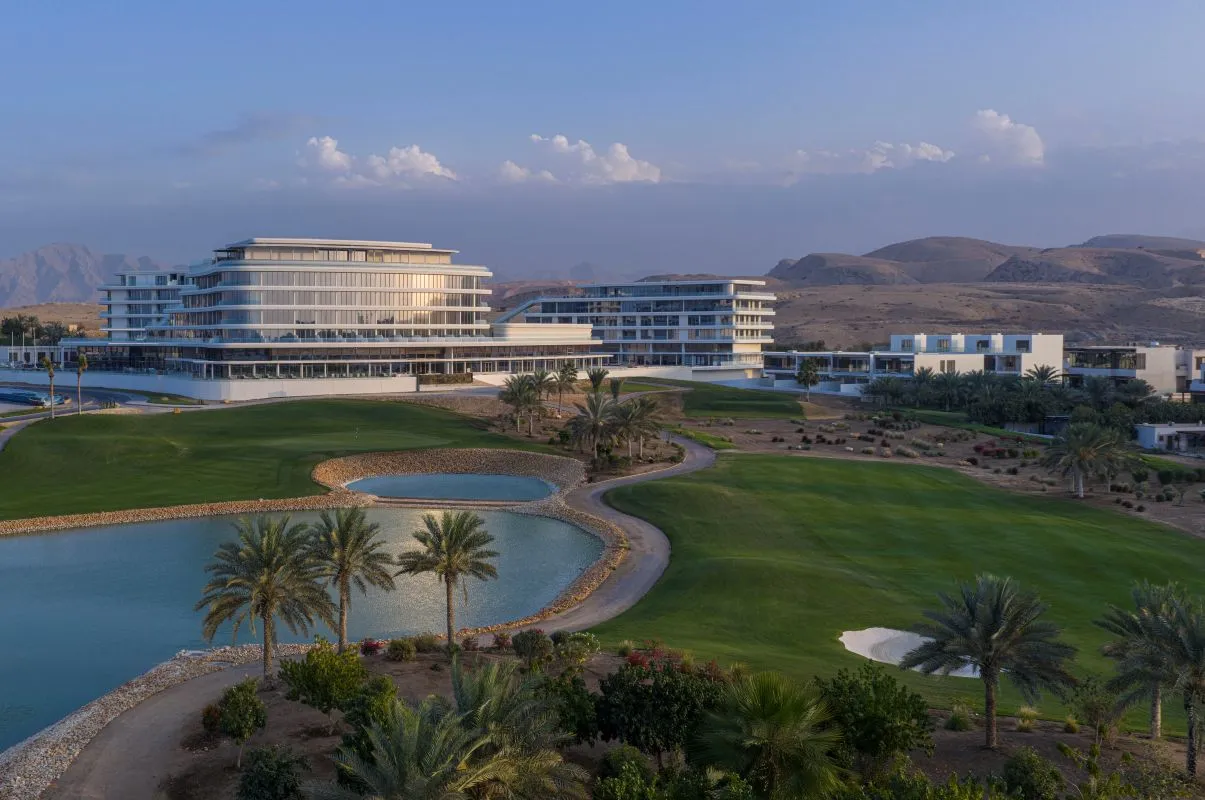
When geopolitical tensions between the United States and Iran escalated significantly in the first quarter, triggering widespread disruptions and a wave of hotel cancellations across most Gulf markets, Minor Hotels swiftly recalibrated its growth strategy, according to Amir Golbarg, the company’s Chief Operating Officer for the Middle East and Africa. The global hospitality group proactively shifted its focus towards perceived "safe havens" in Oman and Africa, demonstrating an agile response to regional instability that has become an increasingly significant factor in global investment decisions. This strategic pivot underscores a broader industry trend where operators seek to mitigate risks by diversifying their portfolios into stable and promising emerging markets.
Geopolitical Undercurrents: The Q1 Escalation and Its Regional Impact
The first quarter witnessed a marked escalation in U.S.-Iran tensions, characterized by a series of events that heightened regional anxiety and uncertainty. These included, but were not limited to, naval incidents in vital shipping lanes, drone strikes, retaliatory military actions, and heightened rhetoric between Washington and Tehran. Such developments inevitably cast a long shadow over the Gulf Cooperation Council (GCC) states, many of which are key hubs for international business, tourism, and transit. The perceived risk of broader conflict led to immediate and tangible consequences for the hospitality sector.
Travel advisories were updated by several Western nations, insurance premiums for travel and operations in the region surged, and corporate entities reassessed their travel policies. This confluence of factors resulted in a significant downturn in bookings, particularly for leisure and MICE (Meetings, Incentives, Conferences, and Exhibitions) segments that are highly sensitive to stability concerns. Major cities like Dubai, Abu Dhabi, Doha, and Riyadh, which typically attract millions of international visitors annually, experienced a noticeable slump in occupancy rates and forward bookings. Airlines adjusted routes, and potential visitors, both business and leisure, opted for destinations perceived as more secure, even if geographically proximate. This immediate economic fallout necessitated a strategic rethink for hospitality players with significant stakes in the region, prompting a re-evaluation of existing portfolios and future investment trajectories.
Minor Hotels’ Strategic Recalibration: Navigating Volatility
Minor Hotels, a Bangkok-based multinational hospitality owner, operator, and investor with a portfolio of over 540 hotels and resorts in 56 countries, demonstrated a pragmatic approach to this evolving landscape. Recognizing the immediate need to safeguard existing investments and maintain growth momentum, the company executed a strategic pivot towards markets less directly impacted by the immediate U.S.-Iran tensions. Amir Golbarg articulated this strategy, emphasizing the identification and leveraging of "safe havens" – destinations that offer political stability, robust tourism infrastructure, and strong growth potential despite regional headwinds. This approach is not merely reactive but also proactive, aligning with a long-term vision for diversified, sustainable growth.
The decision to concentrate resources on Oman and various African markets reflects a careful assessment of geopolitical risk against market opportunity. These regions, while part of the broader Middle East and Africa continent, often operate under different geopolitical dynamics and possess unique attractions that appeal to a diverse global clientele. The agility required to shift focus and resources quickly in such a capital-intensive industry highlights Minor Hotels’ sophisticated risk management framework and its commitment to sustained expansion even in challenging global environments.
The Omani Advantage: A Haven for Growth and Stability
Oman emerged as a primary beneficiary of this strategic redirection. At the close of March, Minor Hotels marked a significant milestone with the opening of Tivoli La Vie in Muscat, a lifestyle-oriented property designed to cater to the discerning modern traveler. This launch was timely, coinciding with a period where regional travel was being diverted away from more exposed markets. Beyond new developments, Golbarg confirmed that Minor Hotels’ existing properties in Oman, specifically those in Salalah and Jabal Akhdar, experienced a notable uplift in demand. These established resorts, known for their unique natural settings – Salalah for its monsoon-fed greenery and pristine coastline, and Jabal Akhdar for its dramatic mountain landscapes and cooler climes – became attractive alternatives for travelers seeking tranquility and authentic cultural experiences away from perceived hotspots.
Oman’s appeal as a "safe haven" is multifaceted. The Sultanate has long cultivated a foreign policy characterized by neutrality, diplomacy, and a commitment to regional stability. This, coupled with its natural beauty and rich heritage, positions it as an increasingly attractive destination for international tourism. The country’s hotel sector is undergoing rapid expansion, a trend supported by robust government initiatives under Oman Vision 2040, which aims to diversify the economy away from oil and gas dependence, with tourism identified as a pivotal growth engine. According to real estate consultancy Cavendish Maxwell, Oman currently boasts approximately 36,800 hotel rooms, with an additional 3,300 rooms expected to come online by 2027. This represents a substantial 9% increase in capacity, indicative of strong investor confidence and a burgeoning pipeline of hospitality projects.
The Omani Ministry of Heritage and Tourism has actively promoted the Sultanate as a secure and culturally rich destination, emphasizing its pristine natural environments, ancient forts, vibrant souqs, and luxurious resorts. Efforts to streamline visa processes, enhance infrastructure such as new airports and improved road networks, and promote sustainable tourism practices have further bolstered its position. Industry analysts note that while overall GCC hotel occupancy saw fluctuations during the Q1 tensions, Oman’s key tourism areas maintained relatively stable, and in some cases, improved performance, benefiting directly from the regional diversion of travel. This stability underscores the effectiveness of Minor Hotels’ decision to deepen its presence in the Sultanate.
African Horizons: A Continent of Opportunity
Beyond Oman, Minor Hotels has significantly amplified its commitment to the African continent, recognizing its immense untapped potential and growing tourism appeal. Africa, with its diverse landscapes, rich cultural tapestry, and burgeoning economies, presents a compelling growth narrative for the global hospitality sector.
Egypt’s Expanding Portfolio: In a major move, Minor Hotels sealed a joint venture agreement in Egypt, initially set to manage 25 hotels. The ambitious plan is to more than double this footprint, aiming for a portfolio exceeding 50 hotels in the coming years. This expansion is strategically aligned with Egypt’s own aggressive tourism recovery and growth agenda. The country, renowned for its ancient wonders, the Red Sea’s diving paradises, and vibrant cultural cities, has been investing heavily in tourism infrastructure and promotional campaigns. The opening of the Grand Egyptian Museum and continued efforts to enhance visitor experiences are attracting a new wave of international tourists. Minor Hotels’ entry into the Egyptian market, likely through its diverse brand portfolio including Tivoli, NH, and Avani, positions it to capitalize on the increasing inbound tourism from Europe, Asia, and other parts of Africa, as well as a growing domestic travel market fueled by a rising middle class. Industry observers project that Egypt’s tourism sector will continue its robust recovery trajectory, with visitor numbers potentially surpassing pre-pandemic levels in the medium term, making it an attractive proposition for long-term hospitality investment.
Morocco’s World Cup Boost: Further west, Minor Hotels is also setting its sights on Morocco, with planned expansions across key cities including Rabat, Marrakech, Agadir, and Casablanca. This strategic initiative is notably timed ahead of the 2030 FIFA World Cup, which Morocco will co-host with Spain and Portugal. Major international events like the World Cup are colossal catalysts for infrastructure development, urban regeneration, and a massive influx of tourists and media attention, creating unprecedented demand for high-quality accommodation.
Morocco’s existing allure as a destination – offering a blend of ancient imperial cities, vibrant souqs, Atlas Mountain adventures, and Atlantic coastlines – is already strong. The World Cup provides an additional, powerful impetus for accelerated growth in its hospitality sector. The Moroccan government has outlined ambitious plans to enhance its tourism offerings and infrastructure in preparation for the global event, including significant investments in transportation, sports facilities, and hospitality. Minor Hotels’ expansion in these strategic cities will allow it to tap into both the immediate surge in demand generated by the World Cup and the sustained growth in tourism that such global exposure often brings.
Africa’s Overall Demand Uplift: Amir Golbarg highlighted a significant "uplift in demand, both inbound and outbound" across Africa. This trend is supported by several factors. Inbound tourism is benefiting from increased interest from global travelers seeking authentic safari experiences, cultural immersion, and pristine coastal getaways. Improved air connectivity, greater political stability in many regions, and targeted marketing campaigns are contributing to this growth. Concurrently, the continent’s burgeoning middle class is fueling a substantial increase in outbound and domestic travel, leading to greater demand for quality hotel offerings within Africa itself. The World Tourism Organization (UNWTO) has consistently noted Africa’s potential as a growth frontier for tourism, with many countries investing in developing their tourism assets and welcoming international partnerships. This dual demand surge presents a robust and diversified growth platform for hospitality groups like Minor Hotels.
Broader Industry Implications and Future Outlook
Minor Hotels’ strategic pivot offers several significant implications for the broader hospitality industry and regional investment trends. Firstly, it underscores the increasing necessity for global hotel chains to build resilience and adaptability into their investment strategies. Geopolitical stability, while always a factor, has arguably moved higher up the hierarchy of considerations, prompting a re-evaluation of portfolio diversification across different risk profiles. This may lead other major operators to similarly diversify away from historically concentrated regions if instability persists.
Secondly, the focus on Oman, Egypt, and Morocco highlights the enduring appeal and growth potential of these specific markets. Their respective governments’ commitments to tourism development, coupled with unique cultural and natural attractions, make them compelling destinations for long-term investment. This strategic shift is expected to have a positive economic impact on these nations, contributing to job creation, stimulating local supply chains, and attracting further foreign direct investment into their tourism ecosystems.
Finally, Minor Hotels’ actions demonstrate a sophisticated understanding of market dynamics and risk management. By identifying and investing in "safe havens" during periods of regional uncertainty, the company not only mitigates immediate risks but also positions itself for sustained growth in markets with strong underlying fundamentals. This proactive approach ensures that the company can continue its global expansion trajectory, cementing its presence in key emerging markets while demonstrating agility in navigating an increasingly complex global landscape. The long-term success of this strategy will likely serve as a blueprint for other international hospitality groups seeking to balance growth ambitions with geopolitical realities.




 Anjar Salim
 Chandra Hamzah
 Budi Mulyono

