
 Tatiana Tantri Indah Sari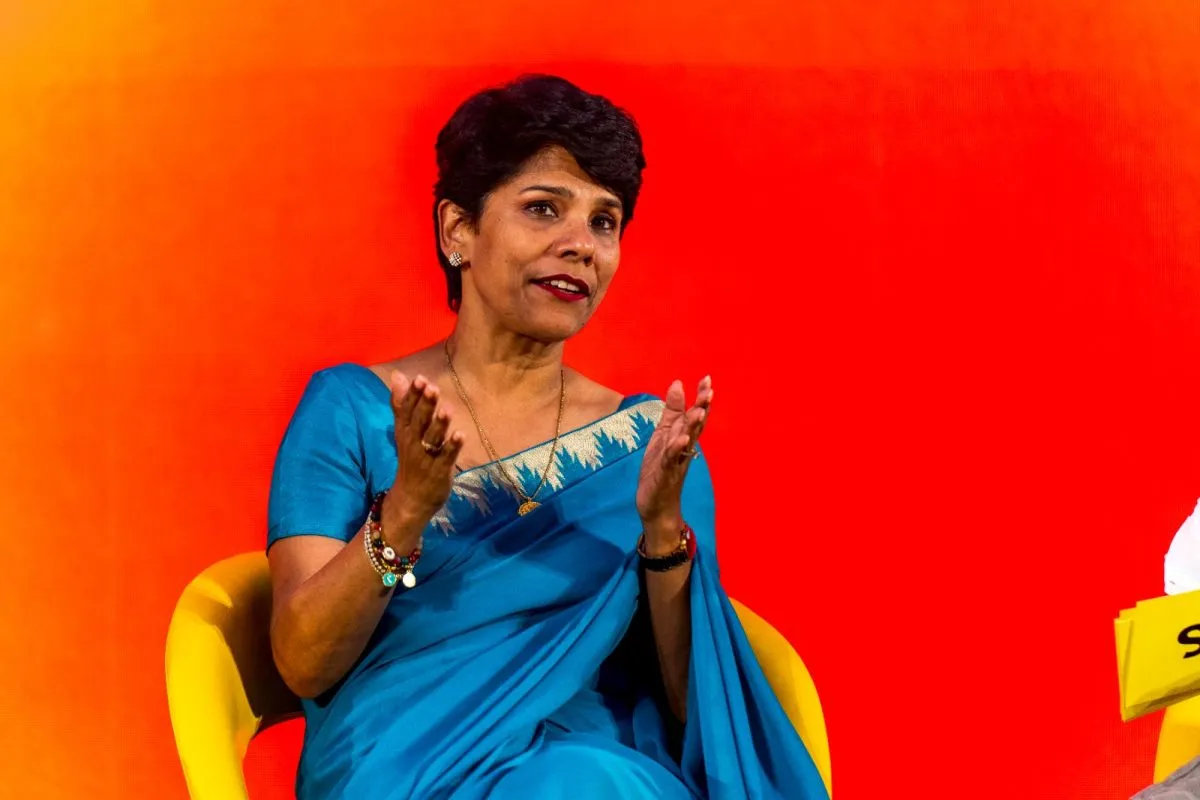
Nine months into her tenure as CEO of Accor’s South Asia business, Ranju Alex is orchestrating a significant strategic pivot, signaling that the next phase of the hotel group’s formidable expansion in India will be powered by the introduction of a more eclectic and comprehensive mix of its global brands. This move marks a departure from previous growth models, emphasizing market maturity and the burgeoning demand for specialized hospitality experiences across the subcontinent.
In an exclusive interview, Alex confirmed that Accor has successfully signed Movenpick for the Indian market, a move that introduces an upscale brand known for its Swiss heritage and distinctive culinary offerings. Furthermore, the group is reportedly "on the verge" of securing MGallery, Accor’s collection of unique, boutique hotels, which promises to add a layer of sophisticated, locally-inspired luxury to its portfolio. These high-profile signings are complemented by a definitive timeline for new openings, with the trendy Hoxton brand slated to debut in Bengaluru in November. The strategic intent is clear: to leverage Accor’s vast global portfolio of 45 brands, only nine of which currently operate in India, to tap into a rapidly evolving and diversifying hospitality landscape.
A New Era of Diversification Under Ranju Alex’s Leadership
Ranju Alex’s appointment in January 2023 marked a pivotal moment for Accor’s operations in South Asia. Bringing a wealth of experience from over two decades in the hospitality sector, including leadership roles at Marriott International and previous stints at Accor, Alex’s mandate was understood to involve reinvigorating growth and refining market strategy. Her vision, articulated within her first year, underscores a profound understanding of India’s dynamic market, which she believes has matured sufficiently to absorb a far more diversified hospitality portfolio than previously thought possible.
The existing Accor footprint in India, while substantial, has largely been concentrated around established brands suchifying into segments like economy (Ibis), midscale (Mercure, Novotel), and luxury (Fairmont, Pullman, Raffles, Sofitel, Grand Mercure). With 45 brands globally, Accor possesses an unparalleled toolkit to cater to virtually every segment, from budget travelers to ultra-luxury connoisseurs, and niche lifestyle segments. Alex’s strategy is to unlock this potential, ensuring Accor captures a broader spectrum of India’s booming travel and tourism market.
Key Brand Introductions and Their Strategic Significance
The confirmed and impending brand launches are not merely additions; they are strategic entries designed to fill specific market gaps and cater to emerging consumer preferences.
-
Movenpick: The signing of Movenpick is a significant step into the upscale segment, known for its distinct F&B experiences, sustainable practices, and family-friendly atmosphere. Globally, Movenpick operates over 100 hotels and resorts, offering a blend of contemporary design and personalized service. Its introduction in India is likely to target both business and leisure travelers seeking quality accommodations with a strong emphasis on culinary excellence and comfortable stays. This brand could thrive in major metropolitan areas as well as burgeoning secondary cities, offering a unique proposition within its segment.
-
MGallery: As a collection of boutique hotels, MGallery is celebrated for its unique storytelling and local immersion. Each MGallery property is distinct, offering a personalized experience rooted in its location’s culture and heritage. Its "on the verge" signing suggests Accor is ready to introduce a brand that caters to experiential travelers, seeking authenticity and individuality over standardized luxury. This move positions Accor to compete in the rapidly growing boutique and lifestyle luxury segment, appealing to discerning guests who prioritize unique design, local character, and intimate service. Cities with rich cultural histories or vibrant contemporary scenes, such as Jaipur, Goa, or even specific neighborhoods within Mumbai and Delhi, would be ideal locations for MGallery properties.
-
The Hoxton (Bengaluru): The planned November opening of The Hoxton in Bengaluru is particularly telling. Hoxton, part of Accor’s Ennismore lifestyle division, is renowned for its vibrant public spaces, design-led rooms, and strong community focus, often featuring co-working areas, trendy F&B outlets, and cultural programming. Bengaluru, India’s tech capital, with its youthful demographic, thriving startup culture, and significant influx of international business travelers, presents an ideal environment for The Hoxton’s unique brand of hospitality. This launch marks a clear intent to capture the modern, digitally-native traveler who values connectivity, design, and a lively social atmosphere within their accommodation choice.
-
Morgans Originals (Roswyn, Mumbai): The May opening of Roswyn in Mumbai, under Ennismore’s Morgans Originals brand, was a precursor to this aggressive push. Morgans Originals is another lifestyle brand, recognized for its sophisticated design and curated experiences. Its debut in Mumbai, India’s financial and entertainment capital, underscores the market’s readiness for high-design, experiential hotels that blend luxury with a contemporary, often artistic, sensibility. This move demonstrates Accor’s commitment to bringing cutting-edge lifestyle brands to India, targeting affluent urbanites and international visitors seeking distinctive, high-end experiences.
Beyond these named brands, Alex’s statement about evaluating "three to four additional brands" indicates a sustained and robust pipeline. This could include brands from Accor’s extensive portfolio such as Tribe (midscale, design-led), Mama Shelter (playful, community-focused), or even specific extended-stay brands like Adagio, catering to long-term business travelers or digital nomads, a segment growing significantly in India.
The Maturing Indian Hospitality Market: A Fertile Ground for Growth
Alex’s assertion that "the India market has matured enough to absorb a much more diversified hospitality portfolio" is backed by compelling economic and demographic trends. India is one of the fastest-growing major economies globally, with a burgeoning middle class, increasing disposable incomes, and a youthful population eager for travel and new experiences.
- Economic Growth and Tourism: India’s GDP growth consistently outperforms many global counterparts. This economic buoyancy translates directly into increased domestic tourism and business travel. The Ministry of Tourism reported a significant rebound in domestic tourist visits post-pandemic, surpassing pre-pandemic levels. International tourist arrivals are also steadily recovering.
- Demographic Shifts: A large, young population, increasingly exposed to global trends through digital media, is driving demand for diverse hospitality offerings beyond traditional luxury or budget options. There’s a growing appetite for lifestyle hotels, experiential stays, and brands that align with personal values, such as sustainability or local authenticity.
- Emerging Markets: Alex’s comment, "What surprises me is the fact that there are markets opening up that we never ever thought would," highlights the rise of Tier 2 and Tier 3 cities. These cities, once considered secondary, are now experiencing rapid urbanization, industrial growth, and infrastructure development, making them attractive new frontiers for hospitality investment. Cities like Lucknow, Ahmedabad, Kochi, and Chandigarh are witnessing increased business activity and leisure travel, creating demand for quality accommodations across various segments. Accor’s strategy to diversify its brand mix allows it to tailor offerings specifically to the unique characteristics and demand profiles of these emerging markets.
- Infrastructure Development: Significant government investment in infrastructure – including new airports, improved road networks, and high-speed rail corridors – is enhancing connectivity and making more regions accessible for tourism and business, further fueling hospitality growth.
Accor’s Existing Footprint and Global Scale
Accor currently operates a significant number of properties in India under its nine existing brands. While the exact count fluctuates, this includes established names like Novotel (a major player in the midscale segment), Ibis (economy), Mercure (midscale), Pullman (upscale/luxury), Sofitel (luxury), Fairmont (luxury), Raffles (ultra-luxury), and Grand Mercure (upscale all-suite). These brands have laid a robust foundation, allowing Accor to build brand recognition and operational expertise in the diverse Indian market.
Globally, Accor is a hospitality behemoth, boasting over 5,500 properties and 800,000 rooms across 110 countries, under its impressive portfolio of 45 brands. This vast global presence provides Accor with unparalleled resources, operational best practices, and a deep understanding of varied consumer segments, which it is now strategically deploying in India. The ability to cross-pollinate learnings and leverage global partnerships is a significant competitive advantage.
From Reorganization to Execution: The InterGlobe Context
The excerpt briefly alludes to "Reorganization to Execution" and Accor’s "relationship with InterGlobe E." This refers to a significant chapter in Accor’s Indian history. For many years, Accor operated in India through a joint venture with InterGlobe Hotels, a partnership that was instrumental in establishing brands like Ibis and Novotel across the country. This model provided Accor with local market expertise and accelerated its initial growth.
However, over time, large international hotel groups often seek to streamline their operations and gain more direct control over their assets and strategy in key markets. While the specific details of the evolution of the Accor-InterGlobe relationship are complex, it’s clear that Accor has moved towards a more direct, self-driven growth strategy in recent years. This transition allows Accor to have full strategic autonomy, enabling it to implement global brand diversification initiatives more swiftly and align its Indian operations more closely with its worldwide vision. Ranju Alex’s current mandate to aggressively introduce new brands is a direct consequence of this strategic shift, moving from a phase of foundational build-out and reorganization to one of direct, accelerated execution and market capture.
Competitive Landscape and Broader Implications
Accor’s aggressive brand diversification strategy in India is set to intensify competition within the country’s hospitality sector. Major global players like Marriott International, IHG Hotels & Resorts, and Hilton, along with strong domestic chains such as Indian Hotels Company (Taj), ITC Hotels, and The Leela Palaces, Hotels and Resorts, are all vying for market share. These competitors also have extensive pipelines and are similarly exploring new segments and cities.
- For Accor: This strategy promises increased market share, enhanced brand visibility, and a more resilient portfolio capable of catering to diverse economic cycles and consumer preferences. By offering a wider array of choices, Accor can foster greater brand loyalty and cross-sell experiences.
- For Consumers: The influx of new and varied brands translates into more choices, better quality, and innovative experiences. Travelers will benefit from specialized hotels that cater to their specific needs, whether it’s a design-led lifestyle hotel, a culturally immersive boutique, or a sustainable upscale option.
- For the Industry: Accor’s move is likely to spur other international and domestic players to re-evaluate their own brand portfolios and expansion strategies in India. This could lead to a broader industry trend of introducing more niche and lifestyle brands, fostering innovation and pushing service standards higher across the board.
- Economic Impact: The expansion signifies substantial investment in India’s hospitality infrastructure, leading to job creation across various skill levels – from construction to hotel operations, F&B, and management. It also boosts local economies through procurement from local suppliers and increased tourism revenue.
Future Outlook
Ranju Alex’s first nine months have set a clear trajectory for Accor in India: a future defined by bold brand expansion and a deep understanding of India’s evolving consumer landscape. The introduction of Movenpick, MGallery, The Hoxton, and the successful debut of Morgans Originals are just the beginning. With "the slate open" and an eye on previously untapped markets, Accor is positioning itself not just to grow its physical footprint but to fundamentally reshape its presence, becoming a more comprehensive and nuanced hospitality provider in one of the world’s most dynamic travel markets. The coming years will undoubtedly see Accor solidify its position as a leading diversified hospitality player in India, adapting its global expertise to local nuances and capturing the imagination of a new generation of travelers.



 Anjar Salim
 Chandra Hamzah
 Budi Mulyono
 Lukman Taruna Persada Ramadan
