
 Walid Sujud Trenggono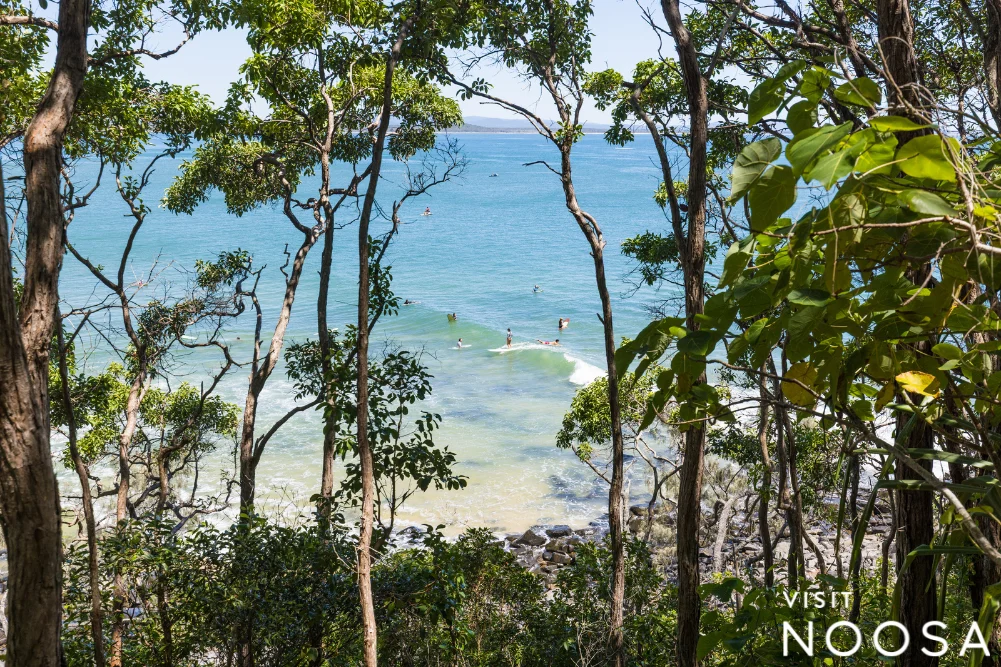
The Queensland coastal region of Noosa has officially entered its peak winter season, launching the "Your Noosa Reset Winter 2026" campaign to capitalize on the increasing demand for sustainable and high-end regional travel. As the tourism sector in Australia continues to evolve toward "slow travel" and experiential luxury, Noosa stands as a critical case study in how a destination can balance environmental preservation with economic growth. Known for its lack of high-rise development and its commitment to ecological integrity, the region’s winter offering focuses on a combination of subtropical climate stability, UNESCO-protected biodiversity, and a diversified hospitality sector.
The winter season in Noosa, typically spanning June through August, offers a distinct atmospheric shift from the high-intensity summer months. With average daily temperatures maintaining a consistent 20 degrees Celsius, the region provides a temperate alternative for domestic travelers from southern states and international visitors seeking relief from the northern hemisphere’s summer heat or the southern hemisphere’s harsher winter climates. This period is characterized by calmer sea conditions and lower humidity, facilitating a surge in outdoor recreation and wellness-focused tourism.
The Evolution of Noosa as a UNESCO Biosphere Reserve
The current status of Noosa as a premier destination is rooted in a decades-long commitment to urban planning and conservation. In 2007, Noosa was designated as a UNESCO Biosphere Reserve, a title that recognizes regions where the community demonstrates an innovative approach to living and working in harmony with the environment. This designation covers approximately 150,000 hectares of land and sea, ensuring that the development of tourism infrastructure does not come at the cost of local biodiversity.
Historically, Noosa’s development trajectory diverged from other Queensland hubs, such as the Gold Coast, in the late 20th century. Local advocacy groups and council members successfully campaigned against high-rise developments and the encroachment of large-scale fast-food franchises. This preservationist stance has created a unique market position in 2026; Noosa is now one of the few global coastal destinations where the skyline remains dominated by native flora rather than concrete structures. This aesthetic and ecological commitment serves as the primary driver for the region’s high-value, low-impact tourism model.
The Economic Landscape of the 2026 Winter Season
Data from Tourism and Events Queensland (TEQ) suggests that the Sunshine Coast region, with Noosa as its flagship, contributes significantly to the state’s multibillion-dollar tourism economy. The "Winter Reset" initiative is designed to smooth out the seasonality of the tourism cycle, ensuring that local businesses—ranging from boutique retailers on Hastings Street to hinterland agricultural producers—maintain steady revenue streams outside of the traditional Christmas and Easter peaks.
According to economic analysts, the 2026 winter season is expected to see a 4.5% increase in domestic overnight expenditure compared to the previous year. This growth is attributed to the "premiumization" of the Noosa experience. By targeting the luxury and wellness segments, the region attracts high-yield visitors who prioritize quality of service and environmental ethics over budget-driven travel. The 2026 strategy emphasizes longer stays, encouraging visitors to move beyond the coastal fringe and into the Noosa Hinterland, thereby distributing economic benefits more equitably across the shire.
Strategic Development in Luxury and Boutique Accommodation
The accommodation sector in Noosa has undergone a strategic shift toward "practical luxury" and bespoke experiences. On Hastings Street, the direct beachfront remains the most valuable real estate in the region. Establishments such as Netanya Noosa Resort and Fairshore Noosa continue to anchor the luxury market, offering direct access to Noosa Main Beach and the Coral Sea. These properties have recently undergone refurbishments to integrate more sustainable technologies, reflecting the broader goals of the Biosphere Reserve.
For the 2026 season, there is a noted trend toward diversified accommodation types. While No. 1 Hastings Street caters to the high-end urban-coastal market, larger-scale resorts such as RACV Noosa Resort and Peppers Noosa Resort have expanded their family-oriented offerings. These facilities bridge the gap between luxury and utility, providing expansive amenities that encourage multi-generational travel. Furthermore, the rise of "Stay Noosa" and "Noosa Secret Destinations" indicates a growing consumer preference for privacy and curated stays, with boutique properties in the hinterland and quieter coastal pockets seeing a 12% rise in bookings for the winter quarter.
Wellness Tourism and the Rise of the Slow Travel Movement
A central pillar of the 2026 Winter Reset is the wellness sector. The global wellness tourism market is projected to reach record highs this decade, and Noosa is positioning itself as Australia’s answer to this demand. The Noosa Springs Spa remains a focal point for this industry, utilizing hydrotherapy and immersive "spa packages" to attract visitors seeking mental and physical recuperation.
The "slow travel" movement—defined by a desire to connect deeply with a local culture and environment rather than ticking off tourist landmarks—is particularly prevalent in Noosa’s winter strategy. Industry experts suggest that the "Reset" campaign is a direct response to the increasing levels of professional burnout and "nature deficit disorder" observed in urban populations. By promoting activities like the thermal pools at Netanya or extended stays in the hinterland, Noosa is marketing "tranquility" as a tangible commodity.
Environmental Stewardship and Recreational Infrastructure
The Noosa National Park, which serves as the region’s "green lung," remains one of the most visited parks in Queensland. In 2026, the management of this asset focuses on sustainable access. The coastal walking trails provide critical infrastructure for low-impact recreation, allowing visitors to engage with the environment without the need for motorized transport.
Recreational businesses have adapted to this eco-conscious consumer base. "By Earth and Ocean" and "Bike On Noosa" provide carbon-neutral ways to explore the Noosa River system and the hinterland. The Noosa River, a complex waterway known for its calm conditions and biodiversity, is increasingly being utilized for educational tourism. Kayaking tours and amphibious excursions, such as those offered by Aquaduck Sunshine Coast, provide a dual function of entertainment and environmental awareness, highlighting the delicate balance of the river’s ecosystem.
Culinary Diversification and Regional Gastronomy
Noosa’s dining scene in 2026 has transitioned into a sophisticated culinary ecosystem that prioritizes local provenance. The "hinterland-to-table" movement has become a standard rather than a niche, with restaurants like Rickys River Bar and Restaurant and Lucio’s Marina leveraging their waterside locations to showcase regional seafood and produce.
The 2026 season sees a notable diversification in the types of cuisine available. The success of Bandita Cantina Latina and Sabrosa Dim Sum House indicates a shift away from traditional modern Australian fare toward more eclectic, international influences. This evolution is seen as a maturation of the local market, catering to a sophisticated demographic that expects global standards of gastronomy in a regional setting. Additionally, the emergence of establishments like Alsahwa Estate and Humble on Duke underscores a commitment to ethical sourcing and boutique dining experiences that resonate with the "slow food" philosophy.
The Noosa Hinterland and the Expansion of the Tourism Footprint
A key objective of the 2026 Winter Reset is the promotion of the Noosa Hinterland. As the coastal strip reaches its sustainable capacity, the hinterland offers a "second tier" of tourism that focuses on agriculture, village culture, and artisanal industries. Villages such as Cooroy, Pomona, and Kin Kin are becoming integral to the Noosa brand.
The expansion into the hinterland is a strategic move to prevent "over-tourism" on Hastings Street while providing visitors with a broader understanding of the Noosa Biosphere. The hinterland offers a different pace of life, characterized by village bakeries, craft breweries, and farming country. This "dual-destination" approach—beach and bush—is a primary selling point for the 2026 winter packages, appealing to visitors who have previously visited Noosa and are looking for a deeper, more varied experience.
Implications for Future Regional Development
The "Your Noosa Reset Winter 2026" campaign is more than a marketing exercise; it is a blueprint for the future of regional Australian tourism. By focusing on sustainability, wellness, and high-value experiences, Noosa is insulating itself against the volatility of the mass-market tourism sector. The implications of this strategy are significant for regional planning.
Firstly, the success of the 2026 season reinforces the economic viability of environmental conservation. It proves that maintaining strict development controls can lead to higher property values and more resilient tourism revenue. Secondly, the integration of the hinterland into the primary tourism offering provides a model for other coastal regions struggling with seasonal overcrowding.
In conclusion, as Noosa navigates the 2026 winter season, the focus remains on maintaining the "unhurried character" that has defined the region for decades. Through a combination of strategic marketing, environmental stewardship, and a high-standard hospitality sector, Noosa continues to set the benchmark for subtropical tourism in Australia. The full range of winter packages and experiences, now available through Visit Noosa, reflects a region that is confident in its identity and clear in its commitment to a sustainable future.


 Anjar Salim
 Chandra Hamzah
 Tatiana Tantri Indah Sari
 Budi Mulyono

