
 Walid Sujud Trenggono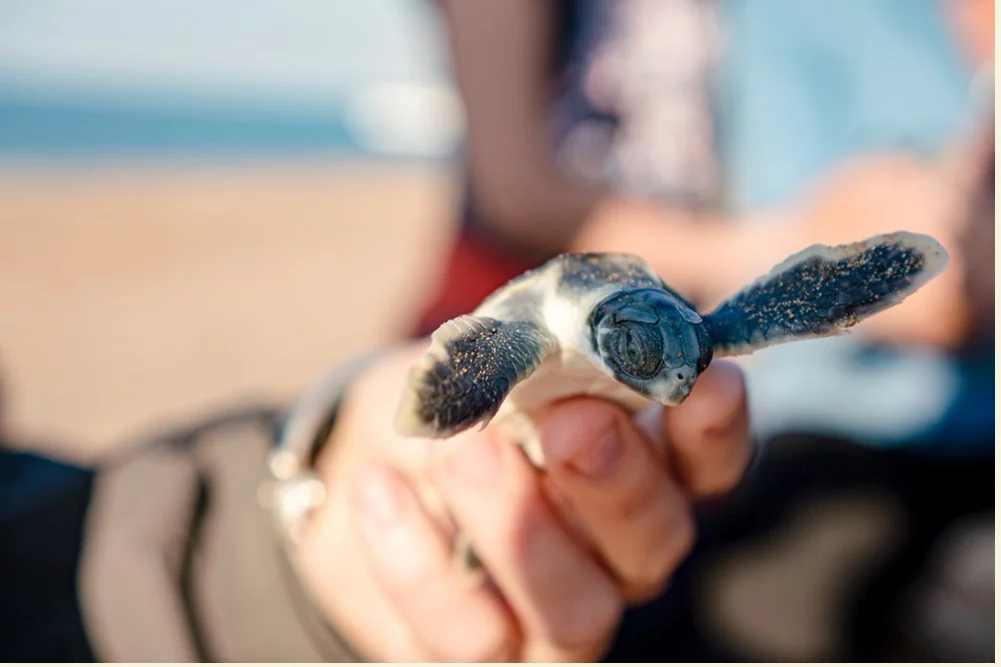
Located on the remote periphery of the Joseph Bonaparte Gulf in the Northern Territory, Bare Sand Island serves as a critical biological frontier for one of the world’s most enigmatic marine species: the flatback turtle (Natator depressus). Unlike the other six species of sea turtles, which have circumglobal distributions, the flatback is unique to the continental shelf of Australia, nesting nowhere else on Earth. Despite this exclusivity, the species remains shrouded in scientific mystery, classified as "data deficient" by both the International Union for Conservation of Nature (IUCN) and the Northern Territory government. This lack of definitive data has spurred a dedicated contingent of researchers and volunteers from the non-profit organization AusTurtle to conduct intensive, nocturnal monitoring programs during the winter nesting season, seeking to translate anecdotal observations into the robust datasets required for formal conservation status upgrades.
The Biological Profile of Natator Depressus
The flatback turtle derives its name from its distinctively flattened, low-domed carapace, which features upturned edges. This morphological trait distinguishes it from the more common green or loggerhead turtles. Adult flatbacks typically weigh between 70 and 90 kilograms and measure approximately 90 centimeters in length. Their biological life cycle is notably different from other marine turtles; while most species undergo an oceanic phase where hatchlings drift into the open sea, flatback hatchlings remain in the relatively shallow, turbid waters of the Australian continental shelf.
This localized habitat makes them particularly susceptible to regional environmental changes and industrial activities. However, the most significant gap in scientific knowledge involves the "lost years"—the roughly 30-year period between a hatchling entering the surf and its eventual return to its natal beach as a breeding adult. Because flatbacks do not migrate across deep oceans, tracking their movements during this multi-decade maturation period requires sophisticated satellite telemetry and long-term flipper tagging, efforts that are currently centered on the Bare Sand Island research station.
Chronology of Conservation and Research at Ngulbitjik
Bare Sand Island, known as Ngulbitjik to the Kenbi Traditional Owners, has a complex history that transitioned from military utility to environmental sanctuary. During the mid-20th century, the island’s isolation led to its use as a military firing range, evidenced today by the occasional discovery of weathered gunnery shells among the dunes. The shift toward conservation began in the 1980s when marine biologists identified the island as a significant rookery for flatback turtles.
In 2016, following the resolution of the longest-running Aboriginal land claim in Australian history, native title over the island was officially awarded to the Kenbi clan. This legal milestone integrated traditional ecological knowledge with contemporary western science. Today, the island is managed under a framework that respects Indigenous sovereignty while allowing for the continuation of a 30-year longitudinal study led by AusTurtle. The research camp operates annually from May to September, coinciding with the peak nesting window triggered by the winter solstice.
Field Operations: The Midnight Research Cycle
The research methodology employed on Bare Sand Island is rigorous and dictated by the lunar and tidal cycles. Flatback turtles typically utilize a four-hour window—two hours on either side of the high tide—to emerge from the sea. This timing minimizes the distance the heavy reptiles must "lumber" across the sand to reach the safety of the dunes, where they deposit their eggs.
The AusTurtle team, comprised of marine biologists, students, and citizen scientists, operates in total darkness, using only red-spectrum headlamps to avoid disorienting the nesting females. When a turtle emerges, the team follows a strict protocol:
- Tagging and Identification: Previously tagged turtles have their identification numbers recorded; new arrivals are fitted with titanium flipper tags or Passive Integrated Transponder (PIT) tags.
- Morphometric Data Collection: Researchers measure the curved carapace length (CCL) and width to track growth rates and health over decades.
- Nest Analysis: Once the turtle begins the "trance-like" state of egg-laying, researchers record the nest temperature and count the clutch. Flatbacks lay approximately 50 eggs per clutch, which are the largest of any sea turtle species relative to the mother’s body size.
- Hatchling Rescue: In the early morning hours, the team surveys previous nest sites. If a nest has collapsed, trapping hatchlings beneath the sand, researchers excavate the site to rescue stragglers, which are then released under the cover of darkness the following evening to avoid predation by birds and the island’s resident saltwater crocodiles.
Cultural Intersection and Sustainable Harvesting
The involvement of the Kenbi clan introduces a cultural dimension to the conservation efforts. For millennia, the Kenbi people have harvested turtle eggs as a primary protein source. Following the 2016 land title grant, elders and youth frequently visit Ngulbitjik to exercise their traditional rights.
While the harvesting of eggs by Indigenous groups might appear contradictory to conservation goals, researchers like Andrew Raith argue that the practice is sustainable. Raith posits that the "value" assigned to the nests by the Kenbi people ensures the long-term protection of the habitat. Statistical modeling suggests that the 0.1% survival rate of flatback hatchlings is largely influenced by environmental factors and industrial bycatch rather than the regulated harvest of eggs by Traditional Owners. This synergy between cultural practice and scientific monitoring creates a holistic management model for the island.
Climate Change and the Threat of Feminization
The most pressing threat to the Bare Sand Island rookery is the global trend of rising temperatures. Like many reptiles, sea turtles exhibit Temperature-dependent Sex Determination (TSD). The temperature of the sand during the middle third of the incubation period determines the sex of the hatchlings: cooler temperatures produce males, while warmer temperatures produce females.
Data collected by AusTurtle indicates a worrying trend toward higher nest temperatures. If sand temperatures consistently exceed the "pivotal temperature" (approximately 29°C for most sea turtles), the resulting hatchlings will be predominantly female. A sustained sex-ratio imbalance could lead to a population collapse, as there would be insufficient males to maintain genetic diversity and reproductive rates. Furthermore, rising sea levels pose a physical threat to the rookery; Bare Sand Island is a low-lying landform, and increased storm surges could inundate nests, drowning the embryos before they can hatch.
Ecological Implications of Species Loss
The potential extinction or significant decline of the flatback turtle would have a cascading effect on the Northern Territory’s marine ecosystem. As an "indicator species," the health of the flatback population reflects the overall vitality of the coastal waters. Flatbacks are omnivorous, feeding on soft corals, jellyfish, sea cucumbers, and seagrasses. By foraging across the continental shelf, they regulate the populations of these organisms and facilitate nutrient cycling.
The loss of these turtles would weaken the structural integrity of the ecosystem, affecting everything from invertebrate populations to the apex predators that occasionally prey on them. Furthermore, because flatbacks are endemic to Australia, their disappearance would represent an irrecoverable loss of global biodiversity.
Analysis of the Path Forward
To transition the flatback turtle from "data deficient" to a more secure conservation status, continued investment in longitudinal studies is essential. The work on Bare Sand Island provides a blueprint for how low-impact, volunteer-driven research can fill critical gaps in federal and international environmental data.
However, the responsibility does not rest solely with researchers. Policy implications include the need for stricter regulations on commercial fishing bycatch in the Joseph Bonaparte Gulf and the implementation of climate mitigation strategies to protect low-lying nesting sites. As the Northern Territory continues to grapple with the dual pressures of industrial development and environmental preservation, the flatback turtle remains a silent sentinel of the coast—a reminder that the health of the ocean is inextricably linked to the survival of its most ancient inhabitants. Through the combined efforts of the Kenbi people, the scientific community, and dedicated volunteers, there remains a narrow but viable window to ensure that the "halcyon days" of the flatback turtle continue for generations to come.




 Chandra Hamzah
 Tatiana Tantri Indah Sari
 Budi Mulyono
 Anjar Salim

