
 Diana Nuri Rohmawati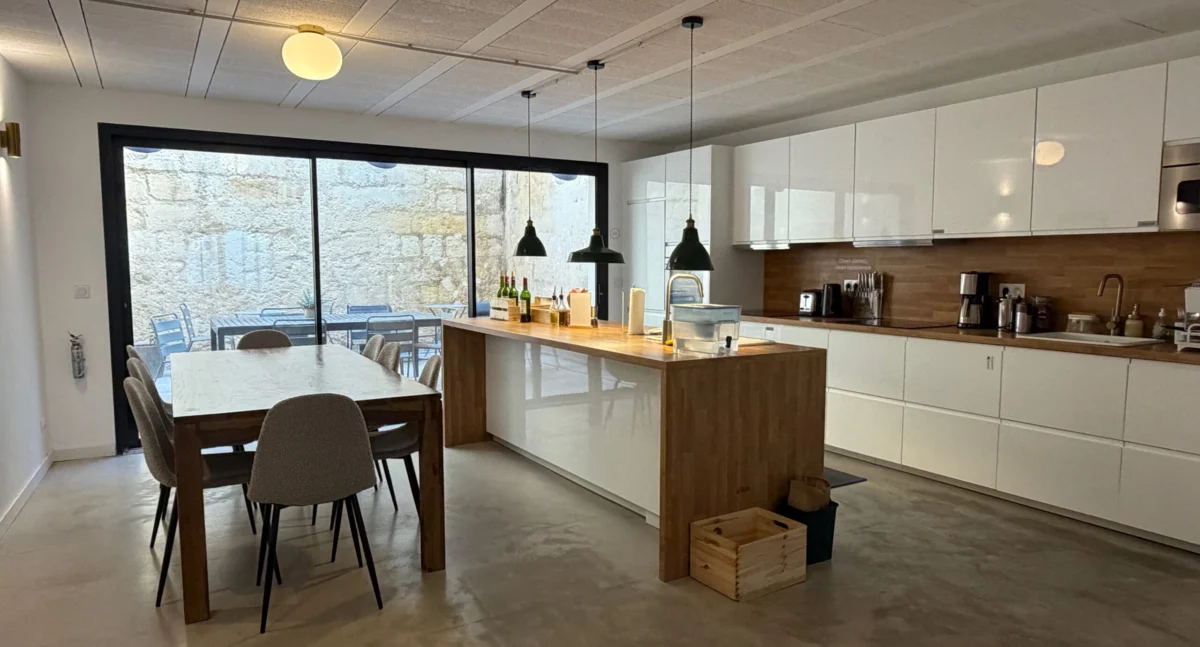
The traditional boundaries between professional environments and personal travel have undergone a seismic shift in the wake of the global pandemic, giving rise to a sophisticated infrastructure designed to support the "work-from-anywhere" lifestyle. At the forefront of this movement is Outsite, a global coliving and coworking network that has transitioned from a niche startup into a dominant player in the location-independent hospitality sector. As digital nomadism matures from a fringe movement of budget backpackers into a mainstream lifestyle for high-earning professionals, companies like Outsite are redefining the requirements of the modern traveler, prioritizing high-speed connectivity, ergonomic workspaces, and curated community over the basic amenities of traditional lodging.
The Genesis and Growth of the Coliving Model
Founded in 2015, Outsite began as a targeted solution for a specific demographic: remote workers who sought a balance between outdoor recreation and professional productivity. The company’s inaugural property in Santa Cruz, California, was designed for individuals who wanted to surf in the morning and manage corporate responsibilities in the afternoon. This "work-play" synergy proved to be a viable business model, leading to a rapid expansion that now encompasses over 50 locations worldwide and a membership base exceeding 5,000 individuals.
The evolution of Outsite mirrors the broader trajectory of the digital nomad market. According to research from MBO Partners, the number of American digital nomads increased by 131% between 2019 and 2023, reaching an estimated 17.3 million individuals. This demographic shift has created a lucrative market for "professionalized" coliving. Unlike traditional hostels, which cater to younger, budget-conscious travelers in communal dormitories, or Airbnbs, which often lack reliable professional infrastructure, coliving spaces provide a hybrid environment. They offer the privacy of a boutique hotel, the technical reliability of a corporate office, and the social networking opportunities of a private club.
Operational Framework and Membership Structures
Outsite operates on a membership-based model designed to foster brand loyalty and long-term engagement. While the properties are accessible to non-members, the company incentivizes joining through a tiered pricing structure. An annual membership is currently positioned at $199, while a lifetime membership is offered for a one-time fee of $499.
The benefits of membership extend beyond simple discounts. Members receive access to exclusive locations, early notification of "flash sales" with up to 50% discounts, and significant price reductions on extended stays of four weeks or more. Furthermore, the membership grants access to a proprietary digital ecosystem, including a job board, a subletting platform, and a global directory of fellow remote workers. This structure effectively transforms a hospitality service into a professional network, catering to the specific needs of location-independent entrepreneurs and corporate employees.
The Anatomy of a Professional Coliving Space: A Case Study in Bordeaux
The operational standards of the coliving industry can be observed through the lens of specific urban hubs, such as Outsite’s location in Bordeaux, France. This property exemplifies the transition from casual travel to professional living. Rather than the makeshift setups often found in short-term rentals, these facilities are engineered for deep focus.
Key infrastructure features include:
- Enterprise-Grade Connectivity: Redundant, high-speed Wi-Fi capable of supporting high-bandwidth video conferencing and large data transfers.
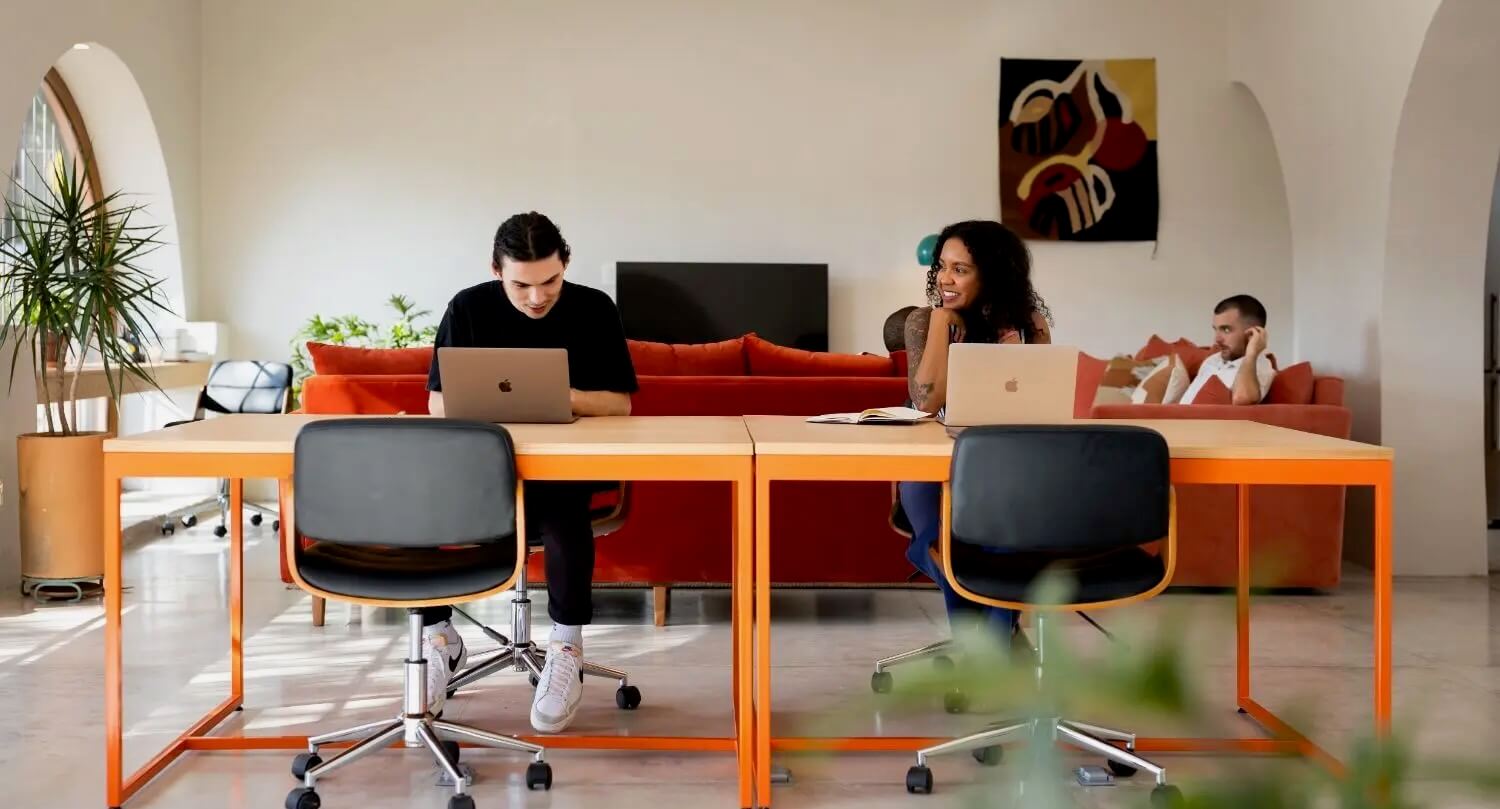
- Ergonomic Workstations: Dedicated coworking areas equipped with professional-grade chairs, multiple power outlets, and external monitors.
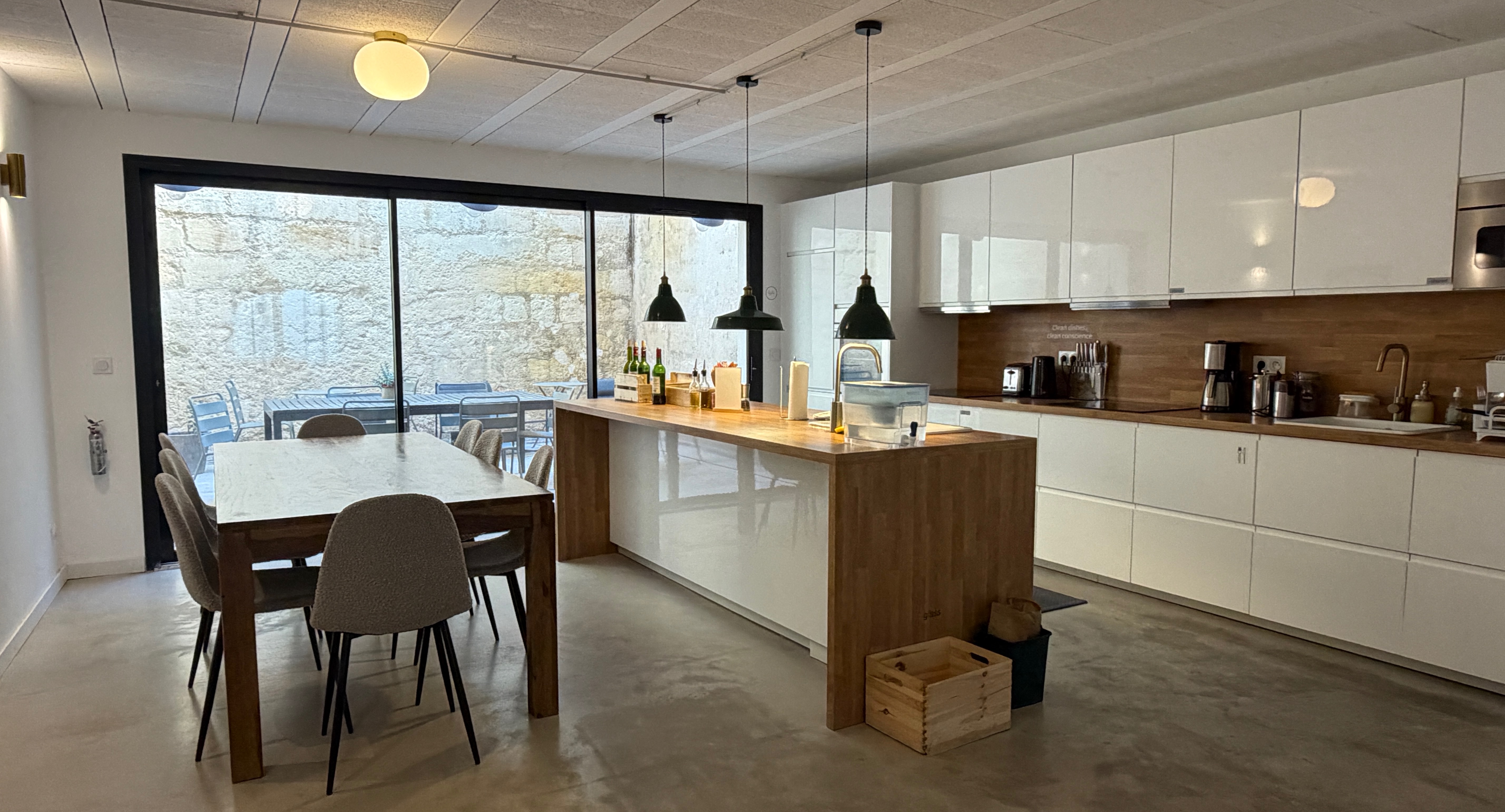
- Communal Culinary Facilities: High-end, chef-style kitchens that allow for long-term residency and cost-effective meal preparation, a stark contrast to the limited facilities of a standard hotel room.
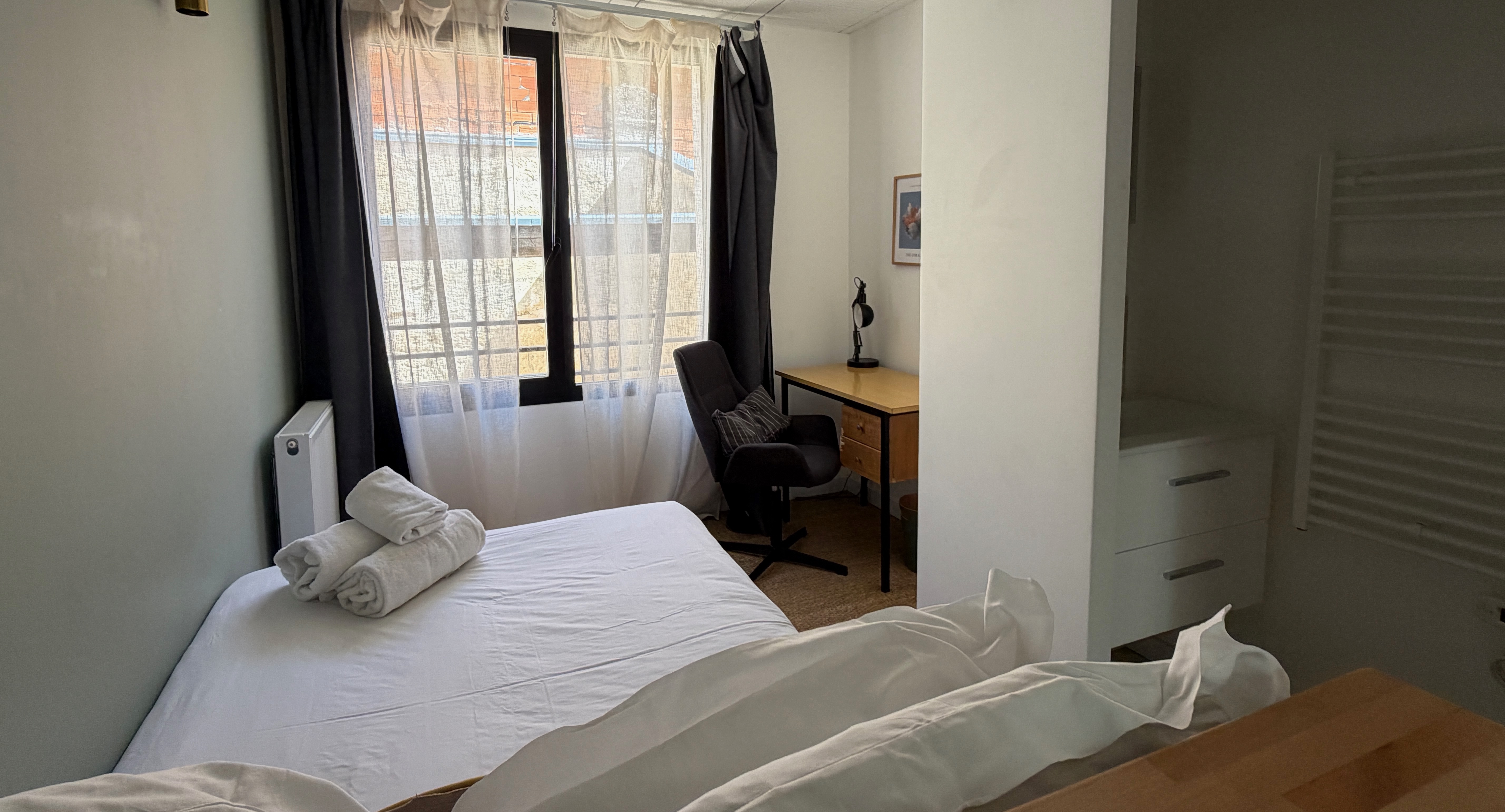
- Private Accommodations: A focus on private bedrooms with en-suite bathrooms, acknowledging the privacy requirements of an older, professional demographic (typically aged 25 to 45).
The Bordeaux location also highlights the importance of "community management." Each property is overseen by a dedicated manager who serves as both a logistical facilitator and a social architect. This role involves organizing weekly "family-style" dinners, Friday night social outings, and weekend excursions, as well as maintaining local WhatsApp groups to ensure seamless communication among residents.
Addressing the Isolation of the Remote Workforce
One of the primary challenges identified by remote workers is the psychological toll of isolation. A 2022 study by Buffer found that 24% of remote workers struggle with loneliness, a factor that can lead to burnout and decreased productivity. The coliving model addresses this by curating a peer group of like-minded professionals.
In a traditional travel setting, digital nomads often find themselves at odds with their environment—either surrounded by vacationers who do not understand the demands of a 40-hour workweek or isolated in a private apartment. Coliving spaces like Outsite solve this by ensuring that every resident is operating on a similar professional wavelength. This shared understanding creates a supportive atmosphere where "deep work" hours are respected, and social hours are maximized for meaningful networking.
Economic and Logistical Considerations for the Modern Nomad
While the benefits of professional coliving are clear, the model presents specific economic and logistical hurdles. Outsite is explicitly not a budget option; it is positioned as a premium service. For many travelers, the nightly rate of a private room in a coliving space can significantly exceed that of a local hostel or a budget hotel.
However, industry analysts suggest that when the "hidden costs" of remote work are factored in—such as the price of a monthly coworking pass (often $200–$500), the premium for high-speed internet in a private rental, and the time lost to logistical troubleshooting—the coliving model often proves more cost-effective.
Furthermore, the surge in demand for these spaces has led to availability constraints. Popular "nomad hubs" such as Lisbon, Portugal, or Santa Teresa, Costa Rica, often require bookings several months in advance. This lack of spontaneity can be a deterrent for travelers who prefer a more fluid itinerary. Additionally, some major metropolitan areas, such as New York City, have implemented strict local housing laws that require minimum stays of 30 days, further complicating the "pop-in" nature of the digital nomad lifestyle.
Chronology of the Coliving Movement
- 2014-2015: The emergence of early coliving players like Outsite and Roam. The focus is on coastal and surf-heavy locations.
- 2016-2018: Expansion into major European and Asian hubs. The industry begins to attract venture capital as the "future of living."
- 2020-2021: The COVID-19 pandemic creates a temporary halt in travel but a permanent shift in corporate policy. Major firms (Twitter, Shopify, etc.) announce permanent remote work options.
- 2022-2023: A "gold rush" in coliving. Outsite expands its portfolio to over 50 locations. Digital nomad visas are introduced by over 50 countries, including Spain, Portugal, and Mexico.
- 2024 and Beyond: The professionalization phase. Focus shifts to sustainability, high-end amenities, and integrating with local communities to mitigate the "gentrification" critiques often leveled at nomad enclaves.
Broader Implications and Future Outlook
The rise of platforms like Outsite indicates a fundamental change in the global labor market. As companies increasingly prioritize talent over physical location, the infrastructure of the world’s cities must adapt. We are seeing the "hotelization" of housing and the "residentialization" of offices.
However, the growth of the coliving sector is not without its critics. In cities like Lisbon and Mexico City, the influx of high-earning digital nomads has been linked to rising rents and the displacement of local residents. Professional coliving companies are increasingly under pressure to demonstrate "local impact," whether through hiring local staff, supporting neighborhood businesses, or ensuring their properties do not deplete the long-term housing stock for residents.
Despite these challenges, the trajectory for coliving remains upward. The demand for a "turnkey" lifestyle—where one can arrive in a new country and be fully operational within minutes—is no longer a luxury but a requirement for the modern global workforce. Outsite’s success in Bordeaux and beyond suggests that the future of travel is not just about seeing new places, but about finding a "tribe" and a desk in every corner of the globe. As the industry matures, the focus will likely shift toward even more specialized niches, catering to specific industries, age groups, or lifestyle interests, further solidifying coliving as a permanent pillar of the global real estate and hospitality landscape.




 Anjar Salim
 Chandra Hamzah
 Tatiana Tantri Indah Sari
 Budi Mulyono
 Lukman Taruna Persada Ramadan
