
 Diana Nuri Rohmawati
Nearly two decades after its emergence as a secluded backpacker haven, the Thai island of Ko Lipe has become a central case study in the complex debate surrounding sustainable tourism, rapid coastal development, and the environmental degradation of Southeast Asia’s marine ecosystems.
Once defined by intermittent electricity, minimal infrastructure, and pristine natural surroundings, the island has undergone a dramatic transformation. This shift highlights the broader systemic challenges facing destination management in Thailand’s marine national parks, raising critical questions about carrying capacity, resource management, and the economic realities of local displacement.
The Evolution of a Remote Sanctuary
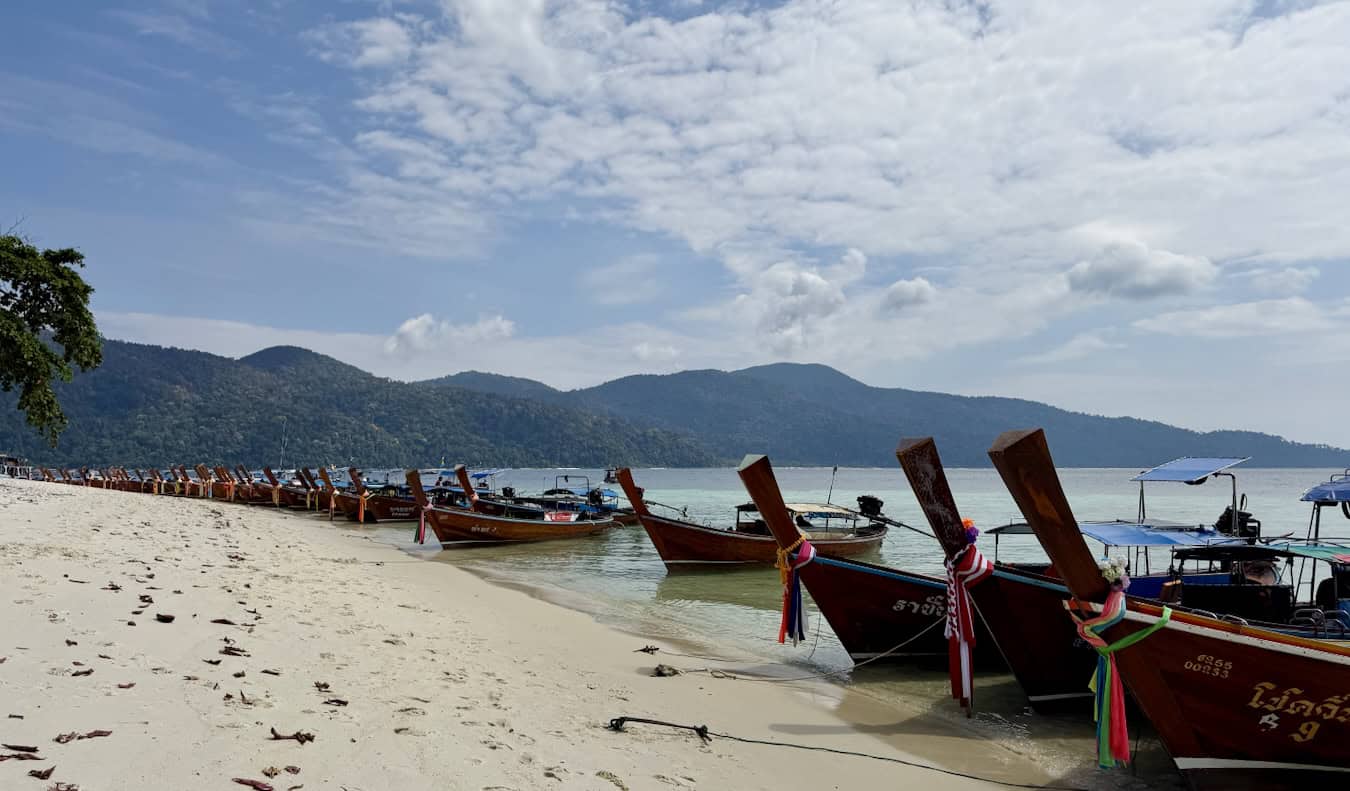
In the mid-2000s, Ko Lipe functioned as an isolated destination accessible primarily by seasonal maritime transport. Located near the border of Malaysia within the Tarutao National Marine Park region, the island operated with rudimentary amenities. Power generators ran for limited hours daily, accommodations consisted of basic beachside bungalows costing nominal nightly rates, and commercial activity was restricted to a handful of local establishments.
For early travelers, the appeal lay in the absence of mass tourism infrastructure. The economy was heavily localized, and visitor numbers remained low due to logistical barriers. However, as regional infrastructure expanded and international low-cost carriers increased flight capacities into southern Thailand, the island gained wider exposure through digital travel platforms and word-of-mouth promotion.
Infrastructure Boom and Environmental Pressures
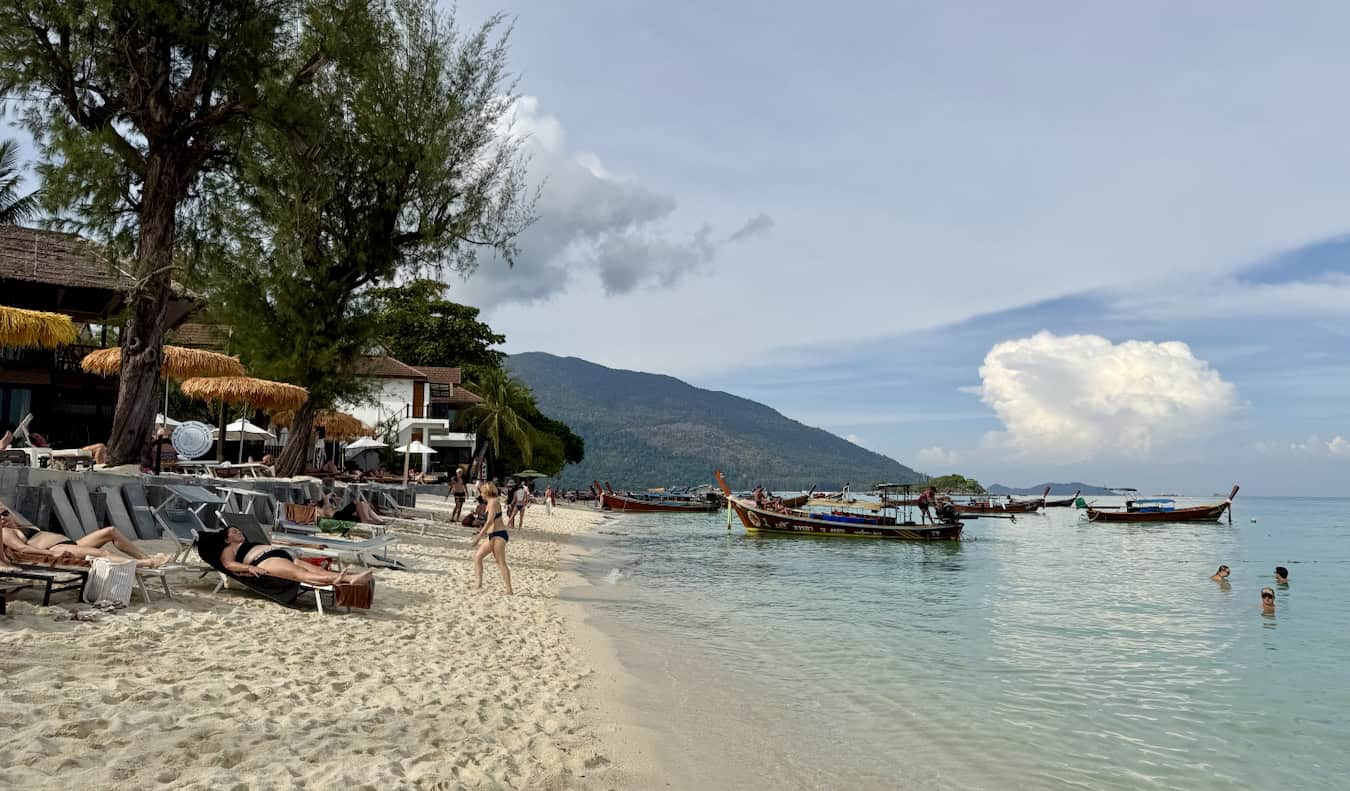
The trajectory of Ko Lipe mirrors that of other overdeveloped Thai destinations, such as Ko Phi Phi and sections of Phuket. Over the past decade, capital investment from mainland developers has accelerated the conversion of natural landscapes into commercial zones. Dirt footpaths have been systematically replaced by concrete thoroughfares to accommodate motorized vehicles and heavy construction machinery.
This rapid urbanization has introduced significant environmental strains on an island lacking a natural freshwater table. High-end resorts equipped with swimming pools and modern amenities place immense demands on local aquifers and energy grids. Waste management infrastructure, historically insufficient for the surge in seasonal arrivals, has struggled to keep pace with the generation of solid waste and wastewater.
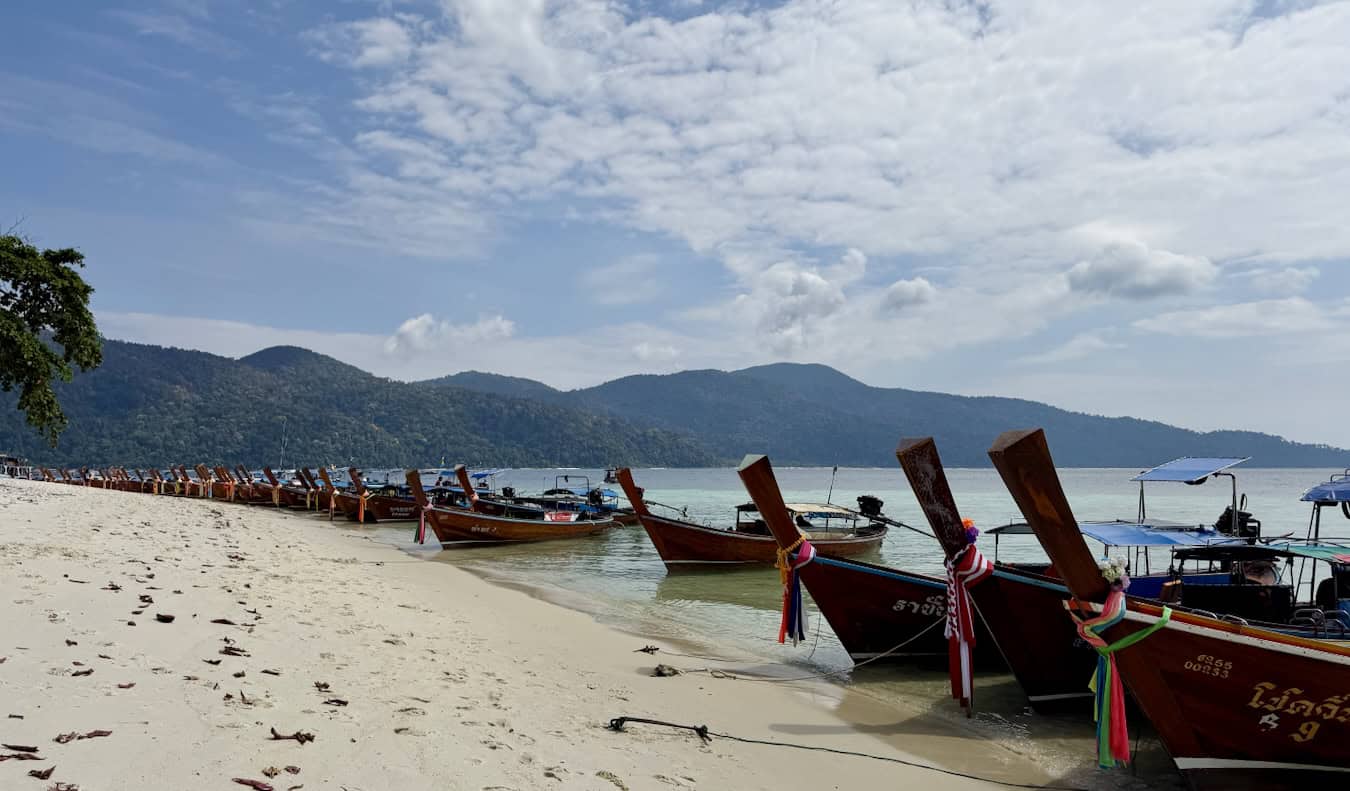
Marine biologists and environmental organizations have documented concurrent degradation in the surrounding coral reef ecosystems. Increased maritime traffic—characterized by high volumes of longtail and speedboat operations—contributes to anchor damage, fuel pollution, and acoustic disturbance. The resulting turbidity and hydrocarbon residues have measurably impacted marine biodiversity, compounding stressors already induced by regional ocean warming events.
Socioeconomic Shifts and Local Displacement
The economic boom on Ko Lipe has generated complex socioeconomic outcomes for its indigenous inhabitants, primarily the Urak Lawoi (sea nomadic) communities who historically inhabited the archipelago. Escalating land values and property taxes have pressured many local residents to sell ancestral land holdings to external investors from the Thai mainland.
Consequently, a significant portion of the island’s contemporary labor force is imported from mainland provinces, filling service and hospitality roles while retaining limited equity in the tourism economy. Economists and regional planners note that while overall tourism revenues have risen exponentially, the distribution of economic benefits remains skewed away from traditional residents, mirroring patterns observed across vulnerable island economies globally.
Comparative Analysis Within Southern Thailand
Ko Lipe’s current status reflects regional development policies overseen by the Thai Department of National Parks, Wildlife and Plant Conservation. While national authorities have implemented temporary closures and visitor caps at severely degraded sites—most notably the multi-year closure of Maya Bay on Ko Phi Phi Leh—enforcement and regulatory frameworks vary widely across smaller island jurisdictions.
Tourism officials and regional hospitality associations frequently balance conservation mandates with the economic imperatives of employment generation and foreign exchange earnings. Proponents of ongoing development argue that modernization improves safety, healthcare access, and material standards of living. Conversely, conservation advocates contend that the unchecked authorization of resort construction undermines the ecological foundations that attract visitors in the first place.
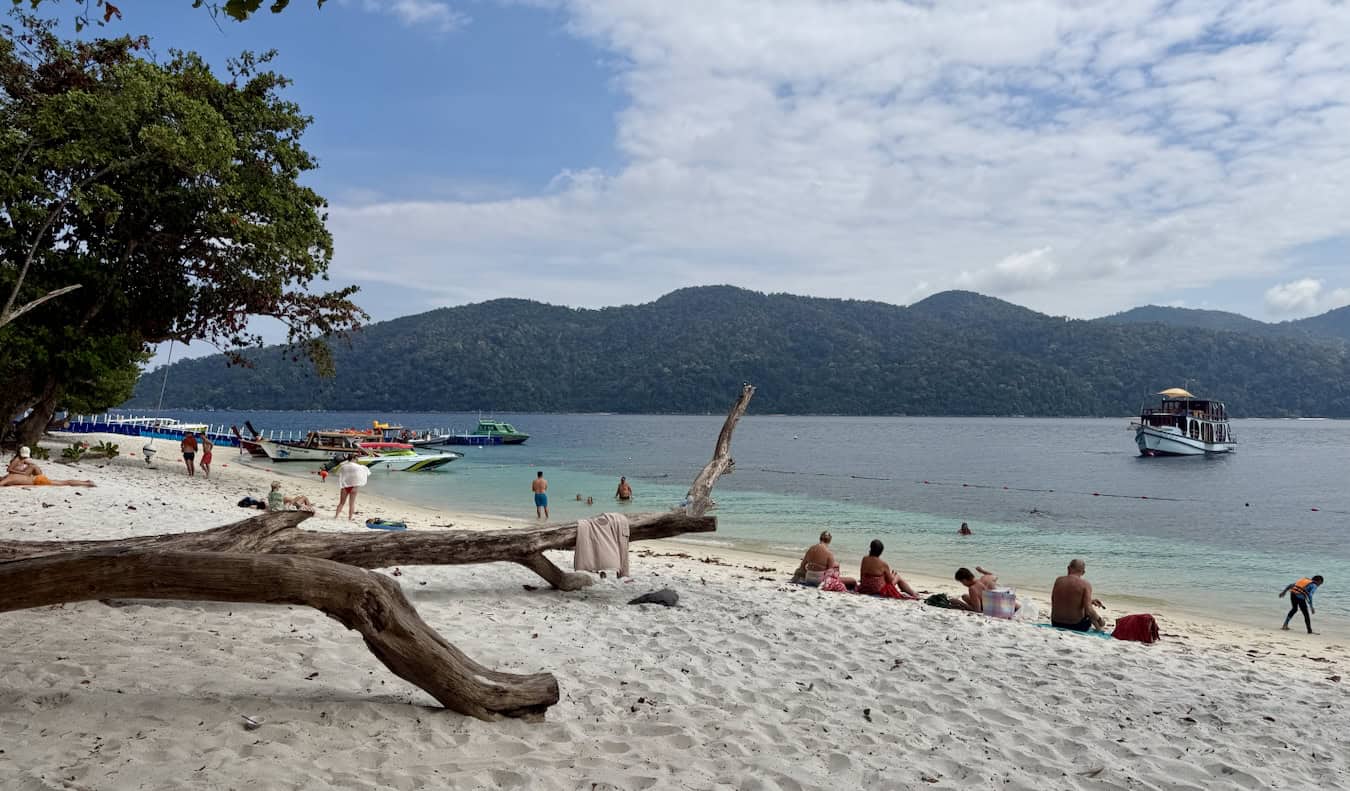
Alternative destinations within the Andaman Sea region, such as Ko Lanta, Ko Jum, and Ko Mook, have maintained more stringent local zoning laws or slower development trajectories, serving as comparative models for managed growth. Travel industry analysts suggest that consumer preference is increasingly shifting toward these lower-impact alternatives, driven by heightened awareness of environmental footprints.
Implications for Future Travel Behavior
The discourse surrounding Ko Lipe encapsulates a broader reckoning within the global tourism sector regarding overtourism and ethical consumption. Consumer advocacy campaigns targeting practices such as captive elephant tourism and unsustainable wildlife interactions have demonstrated that collective traveler behavior can influence corporate and operational standards.
Industry observers note that addressing the challenges of destinations like Ko Lipe requires a multifaceted approach, combining stricter carrying-capacity limits, investment in green infrastructure, and decentralized economic models that directly benefit host communities. Until such systemic reforms are realized, travel analysts and environmental groups increasingly recommend directing visitor demand toward sustainably managed locales to mitigate further strain on compromised ecosystems.



 Anjar Salim
 Chandra Hamzah
 Tatiana Tantri Indah Sari
 Budi Mulyono
 Lukman Taruna Persada Ramadan
