
 Tatiana Tantri Indah Sari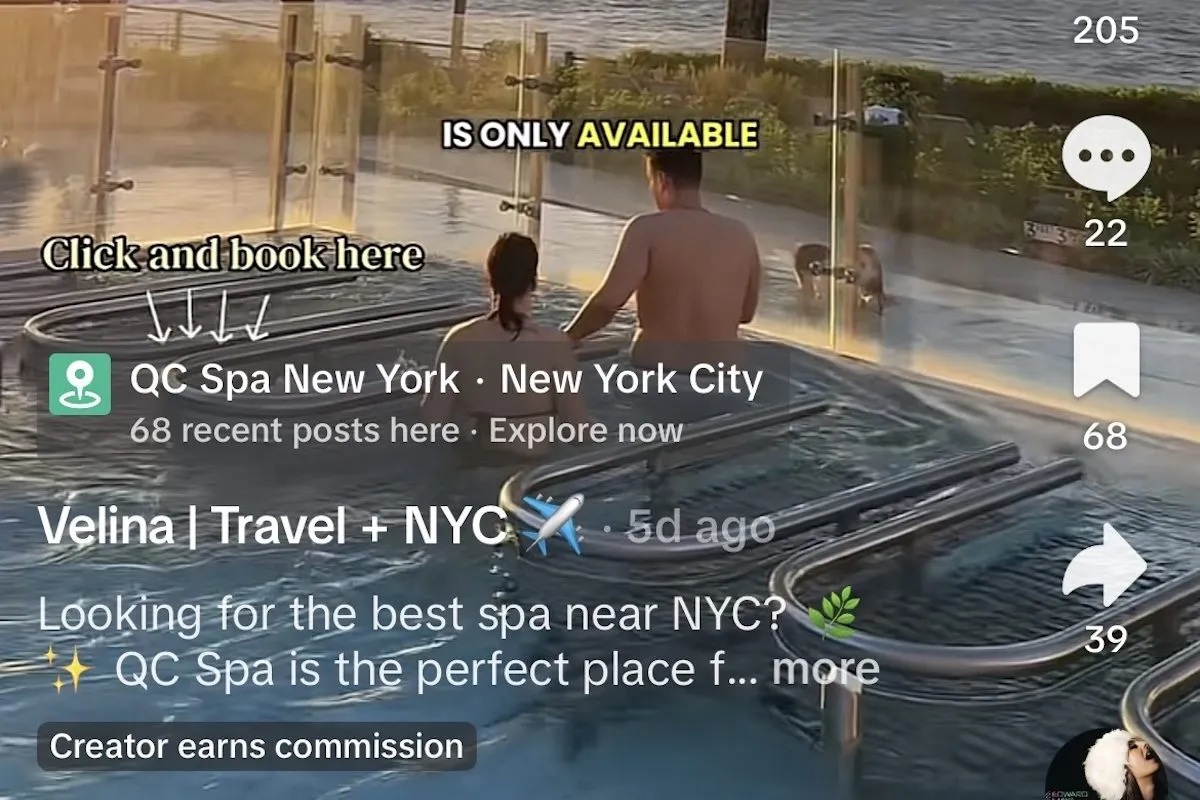
With a digital footprint of just over 6,000 followers, Velina Bloom occupies the increasingly influential realm of the "micro-creator," a stark contrast to the global behemoths of travel influencing who command millions. Yet, her meticulously curated content is demonstrating an extraordinary capacity to translate engagement into tangible sales, challenging conventional metrics of digital influence within the travel sector. Her success underscores a pivotal shift in how travel experiences are discovered, marketed, and ultimately purchased, signaling a maturation of the creator economy where authenticity and niche appeal often outweigh sheer reach.
Bloom, who prefers to be identified by her social media moniker for privacy reasons, is based in New York City and has rapidly become a compelling case study for the efficacy of performance-based affiliate marketing. Her content, primarily short-form video, captures the imagination and provides a direct pathway to purchase. A May video showcasing a helicopter tour over Manhattan, for instance, has garnered more than 800,000 views, indicating a broad appeal that far surpasses her follower count. Similarly, a March production highlighting the unique interiors of Texas’ Meow Wolf attraction, coupled with a promotional caption offering a 10% discount for tickets purchased via TikTok, also surpassed 800,000 views. These figures are not mere vanity metrics; they represent significant exposure that directly feeds into her revenue model.
The mechanism behind Bloom’s financial success is straightforward yet powerful: affiliate marketing. With a single tap on her content, users are seamlessly redirected to booking pages hosted by prominent travel aggregators like Viator and GetYourGuide. For every sale generated through her unique affiliate links, Bloom earns a commission. This model, particularly potent for a micro-creator, forms the bedrock of her social media side gig. In a notable instance, a recent post promoting a Midtown hotel in New York City generated approximately $30,000 in sales for the property over a 60-day period. Bloom’s 5% commission on these sales illustrates the lucrative potential of this direct-response marketing approach. This direct correlation between content, engagement, and revenue positions micro-creators as indispensable assets in a rapidly evolving digital marketing landscape.
The Power of the Niche: Micro-Creators Redefine Influence
Micro-creators are typically defined as individuals with follower counts ranging from 1,000 to 100,000. While their audience size might appear modest compared to celebrity influencers, their strength lies in their high engagement rates, perceived authenticity, and deep connection with a specific, often highly targeted, niche audience. Unlike macro-influencers, who often work with a broad spectrum of brands and whose content can sometimes feel overly commercialized, micro-creators are seen as more relatable and trustworthy by their followers. This authenticity translates directly into higher conversion rates, as consumers are more inclined to act on recommendations from someone they perceive as a peer or a genuine enthusiast rather than a paid spokesperson.
Velina Bloom exemplifies this phenomenon. Her travel experiences, whether soaring over Manhattan or exploring an immersive art installation, resonate with an audience seeking genuine recommendations for unique activities. The specific examples of her high-performing videos underscore this point. The Manhattan helicopter tour video wasn’t just visually stunning; it tapped into a desire for aspirational yet accessible experiences. The Meow Wolf feature, with its embedded discount, offered not just inspiration but an immediate, tangible incentive for booking. These are not merely product placements; they are integrated experiences presented as authentic recommendations, leveraging the creator’s personal brand and credibility. Industry analysis frequently cites that micro-influencers can achieve engagement rates up to 7% or higher, significantly outperforming macro-influencers whose rates often hover between 1-3%. This enhanced engagement is a critical factor in driving direct bookings, as followers are more likely to interact with, trust, and ultimately convert from content that feels genuinely curated for them.
From Inspiration to Transaction: The Affiliate Marketing Engine
The shift from purely inspirational travel content to direct transactional pathways marks a significant evolution in digital marketing. Affiliate marketing, long a staple of e-commerce, has found a particularly fertile ground within the creator economy, especially in travel. Platforms like TikTok, with its short-form, highly engaging video format, have become instrumental in this transition. The platform’s "shoppable video" capabilities and direct linking features eliminate friction between discovery and purchase. Users are no longer just browsing; they are being guided through an entire consumer journey, from initial interest to final booking, all within a few taps.
For Bloom, this ecosystem is a well-oiled machine. Her content acts as the initial spark, inspiring viewers with captivating visuals and compelling narratives. The integrated links to Viator and GetYourGuide provide the immediate call to action, allowing impulse decisions to be converted into bookings without navigating away from the content or platform. These aggregators benefit immensely by leveraging a vast network of creators to drive traffic to their extensive inventory of tours, activities, and experiences. They handle the complex logistics of booking, customer service, and payment processing, allowing creators to focus on what they do best: creating engaging content. The commission structure, typically ranging from 3% to 10% in the travel sector, provides a clear performance-based incentive for creators, aligning their success directly with the sales they generate for their partners. Bloom’s reported 5% commission on the $30,000 hotel sales, netting her $1,500 for a single post over two months, demonstrates the viability of this model as a substantial income stream, even for those without a massive following.
A Maturing Market: The Evolution of Creator Commerce
The trajectory of creator commerce, particularly within travel, can be traced through several distinct phases. In the early 2010s, the landscape was dominated by travel bloggers and early YouTubers who shared long-form narratives and detailed guides, often monetizing through display advertising or sponsored posts that were more brand awareness-focused than direct sales. The mid-2010s saw the rise of Instagram, making visual storytelling paramount. Travel influencers became synonymous with aspirational photography, and brand partnerships evolved to include product placements and destination marketing campaigns.
The late 2010s marked a professionalization of the industry, with influencer marketing agencies emerging to connect brands with creators and measure campaign effectiveness. However, many campaigns remained focused on impressions and engagement rather than direct conversions. The early 2020s, accelerated by the COVID-19 pandemic’s impact on traditional travel marketing and the subsequent rebound, witnessed a paradigm shift. With travel restrictions necessitating digital discovery and planning, and platforms like TikTok exploding in popularity, the focus pivoted sharply towards performance-based marketing. Short-form video, with its addictive algorithms and capacity for rapid trend dissemination, became a powerful vehicle for direct-to-consumer sales. This era has seen the democratization of influence, where micro-creators, armed with authenticity and direct commerce tools, can compete effectively with established names. The ability to embed direct shopping links and offer exclusive discounts has cemented TikTok’s role as a major player in the travel booking ecosystem, moving beyond pure entertainment to a formidable commerce platform.
Data-Driven Decisions: The Economic Impact of Micro-Influencers
The success of micro-creators like Velina Bloom is not an anomaly but a reflection of broader market trends and robust supporting data. The global influencer marketing market size, valued at approximately $16.4 billion in 2022, is projected to grow to over $24 billion by 2025, with a significant portion of this growth attributed to the increasing effectiveness of smaller creators. Within this burgeoning market, affiliate marketing alone contributes a substantial share, with the global affiliate marketing industry estimated to be worth over $17 billion annually.
Specifically in the travel sector, social media plays a critical role in consumer decision-making. Reports indicate that over 60% of travelers use social media for inspiration before booking a trip, and a growing percentage are comfortable making direct purchases through social platforms. A study by Statista revealed that 49% of consumers rely on influencer recommendations for product and service purchases, highlighting the trust factor that creators command. For travel brands, the return on investment (ROI) from micro-influencer campaigns often surpasses that of larger-scale celebrity endorsements. While a macro-influencer might command substantial upfront fees for reach, micro-influencers offer a more cost-effective model with higher conversion rates, often delivering an ROI of up to $5.20 for every dollar spent, significantly higher than traditional advertising channels. This data reinforces why companies like Viator and GetYourGuide are actively cultivating extensive affiliate networks, recognizing that a distributed sales force of authentic creators can drive more targeted and profitable bookings.
Industry Perspectives: Voices from the Travel and Tech Sectors
The burgeoning success of micro-creators has not gone unnoticed by key stakeholders across the travel and technology industries. Representatives from major travel brands and hospitality groups have increasingly acknowledged the strategic value of these partnerships. "We’ve observed a remarkable shift in consumer behavior, with a clear preference for authentic, peer-generated content over polished corporate advertisements," stated a marketing director for a leading hotel chain, who preferred to remain anonymous due to competitive considerations. "Micro-creators offer us a cost-effective and highly targeted way to reach specific demographics who are genuinely interested in our offerings, resulting in measurable bookings and a strong return on investment."
From the platform side, executives emphasize their commitment to empowering creators and streamlining commerce. "Our mission is to seamlessly connect creators with innovative monetization tools, transforming inspiration into tangible economic opportunities," a spokesperson for a prominent social media platform indicated, without naming specific individuals. "By providing direct booking pathways and robust analytics, we empower creators to build sustainable careers while offering businesses a powerful channel for direct-to-consumer sales. The travel sector, with its inherently visual and aspirational nature, is a perfect fit for this model." Similarly, representatives from major travel aggregators like Viator and GetYourGuide have publicly reiterated their dedication to expanding their affiliate programs, recognizing them as vital channels for customer acquisition. "These partnerships democratize marketing, allowing unique experiences to reach highly engaged audiences through trusted voices," noted an e-commerce strategist associated with a leading tour booking platform. Industry analysts, meanwhile, view this trend as a sign of the creator economy’s maturation. "The move towards performance-based affiliate marketing signifies a crucial evolution, where creators are no longer just brand ambassadors but direct sales agents," explained Dr. Eleanor Vance, a digital marketing expert at the Institute for Media Studies. "This model ensures that value is generated for all parties: the creator, the platform, the business, and the consumer, who receives genuine recommendations and direct access to deals."
Navigating the Landscape: Challenges and Opportunities
While the micro-creator model offers immense opportunities, it is not without its challenges. The rapid growth of the creator economy also brings concerns about market saturation, making it increasingly difficult for new creators to stand out. Maintaining authenticity, which is the cornerstone of micro-creator success, can also be challenging as partnerships become more frequent and commercial pressures mount. Regulatory bodies are also increasingly scrutinizing influencer marketing, with stricter guidelines around disclosure of sponsored content (e.g., FTC regulations in the US), requiring creators to clearly label affiliate links and paid partnerships to maintain consumer trust. Failure to comply can result in fines and damage to a creator’s reputation.
Despite these hurdles, the opportunities for both creators and businesses are substantial. For aspiring creators, the success of individuals like Velina Bloom demonstrates that a massive following is not a prerequisite for financial viability. By focusing on a niche, cultivating a highly engaged audience, and leveraging direct commerce tools, individuals can build meaningful revenue streams. For travel businesses, this model offers a flexible, scalable, and often more cost-effective alternative to traditional advertising. It allows them to tap into highly targeted audiences, benefit from authentic endorsements, and gain valuable insights into consumer preferences through performance data. The emphasis on direct conversion also provides a clear and measurable ROI, making marketing spend more accountable.
The Future of Travel Marketing: Hyper-Personalization and Direct Sales
The trajectory set by micro-creators like Velina Bloom points towards a future of travel marketing characterized by hyper-personalization and seamless direct sales. Consumer behavior has irrevocably shifted; travelers are increasingly seeking recommendations from trusted sources within their digital communities rather than relying solely on corporate advertisements. This trend is likely to intensify, with algorithms becoming even more adept at connecting niche content with highly relevant audiences.
The continued integration of commerce features into social media platforms, possibly enhanced by artificial intelligence for even more precise content recommendations and personalized deals, will further solidify the direct booking model. The role of creators will evolve, moving beyond mere content production to become essential nodes in the sales funnel, driving significant economic activity for local tourism, global travel aggregators, and individual businesses. The success of micro-creators is not just a fleeting trend; it represents a fundamental re-calibration of influence and commerce in the digital age, establishing a new paradigm where genuine connection and tangible results go hand in hand. Velina Bloom’s journey from a modest follower count to generating substantial bookings is a testament to this powerful, evolving ecosystem, cementing the micro-creator’s critical role in shaping the future of travel.



 Budi Mulyono
 Anjar Salim
 Chandra Hamzah

 Lukman Taruna Persada Ramadan