
 Tatiana Tantri Indah Sari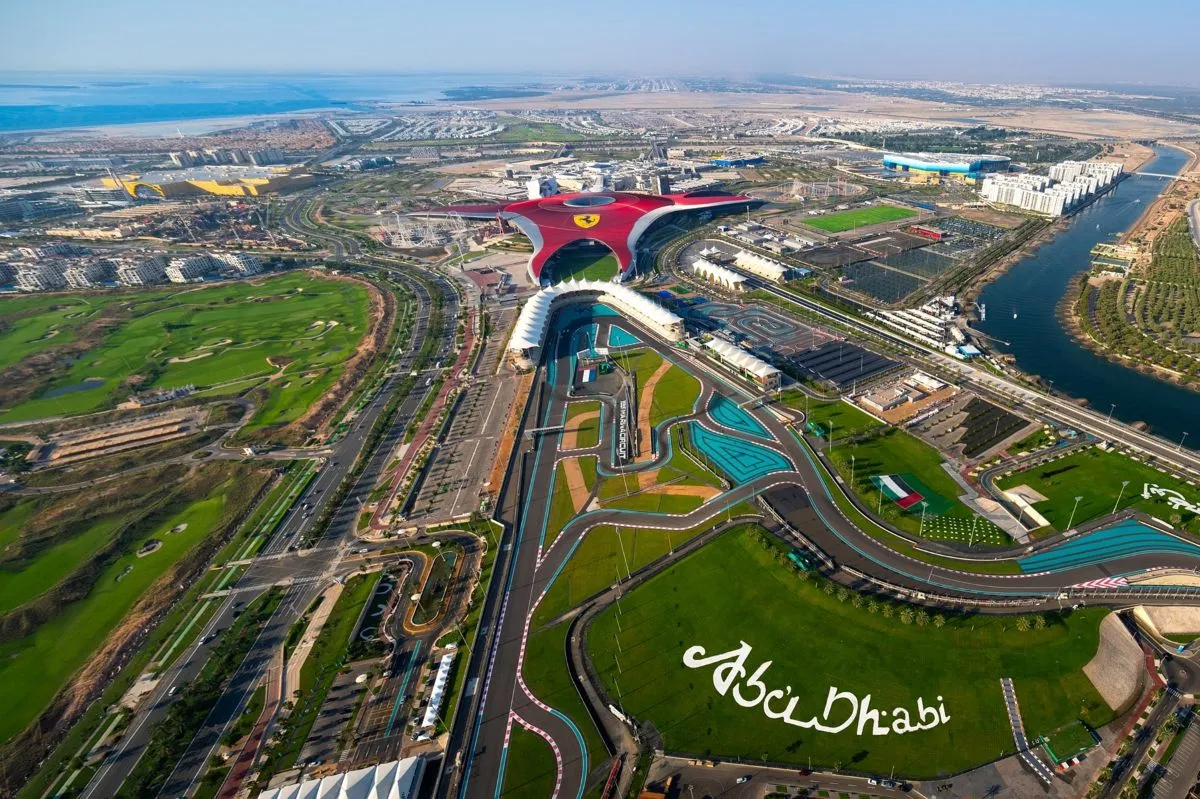
Abu Dhabi is pulling out all the stops for its final quarter, pinning its tourism recovery hopes on high-profile cultural landmarks, global sporting spectacles, and an aggressively packed calendar of business and entertainment events. The strategic push comes in direct response to a challenging macroeconomic and geopolitical landscape that has seen the emirate experience a 14.2 percent year-to-date decline in hotel guests, bringing the total down to 3.2 million visitors amid ongoing security concerns related to the United States-Iran conflict.
Exclusive data shared with industry analysts indicates that the downturn has been persistent throughout the summer months. Hotel guest arrivals for August alone recorded a 5.2 percent year-on-year drop, dipping to 512,000 visitors. While these figures reflect a temporary cooling of international tourism inflows, regional authorities remain optimistic that a heavily front-loaded fourth-quarter events schedule will successfully close the performance gap and stabilize the hospitality ecosystem for the remainder of the fiscal year.
Geopolitical Pressures and Regional Fallout
The friction point for Abu Dhabi’s tourism sector lies largely outside of its borders. The intensification of geopolitical tensions stemming from the U.S.-Iran conflict has injected an element of caution into international travel markets, particularly long-haul source markets in North America and Europe. Potential travelers, corporate planners, and event organizers have demonstrated heightened risk aversion, frequently delaying travel decisions or opting for destinations perceived as entirely insulated from regional friction.
Abdulla Yousuf, director of international relations at the Department of Culture and Tourism (DCT) Abu Dhabi, addressed the downturn with a pragmatic assessment of the external pressures facing the destination. "We are slightly below last year, but for reasons beyond our control," Yousuf noted, highlighting that the dip is not indicative of any structural failure in the emirate’s tourism proposition, but rather a reflection of broader global uncertainties impacting traveler sentiment across the wider Middle East.
Despite the headwinds in international arrivals, Abu Dhabi’s tourism framework has found a reliable cushion in domestic and regional markets. Intra-GCC travel, staycations, and visiting friends and relatives (VFR) travel segments have continued to perform steadily, preventing a more severe contraction. However, the high-yielding international corporate segment and large-scale MICE (Meetings, Incentives, Conferences, and Exhibitions) gatherings remain critical to achieving the emirate’s long-term hospitality revenue targets.
Chronology of a Challenging Year
To fully understand Abu Dhabi’s current hospitality trajectory, it is necessary to examine the timeline of events that have shaped the tourism landscape over the past twelve months:
- First Quarter: Abu Dhabi initiated the year with strong momentum, building upon a successful 2023 tourism campaign. Occupancy rates remained high, driven by early-year leisure travel and regional festivals.
- Second Quarter: As geopolitical rhetoric escalated between Washington and Tehran, forward-looking bookings for international leisure and corporate travel began to plateau. Several multinational corporations adopted a wait-and-see approach, pausing regional travel authorizations.
- July to August: The summer peak witnessed a noticeable contraction. August figures officially confirmed a 5.2 percent year-on-year drop, with total guests settling at 512,000. During this window, event organizers and corporate planners actively pushed scheduled autumn bookings further into the calendar year to secure greater operational certainty.
- Third to Fourth Quarters (Current Phase): DCT Abu Dhabi has enacted a recalibrated strategy, accelerating the promotion of Q4 mega-events, cultural openings, and major sporting fixtures to capture deferred corporate and leisure demand.
The Strategic Pivot: MICE Rebound and Corporate Resilience
A cornerstone of Abu Dhabi’s recovery narrative is the anticipated resurgence of the corporate and MICE sectors. According to DCT officials, the contraction witnessed in the middle quarters of the year was not an outright cancellation of business, but rather a postponement. Event organizers, unwilling to risk lower attendance or logistical disruptions during heightened geopolitical uncertainty, elected to move their conferences, exhibitions, and corporate retreats to the final quarter of the year.
Yousuf emphasized that this pent-up corporate demand is primed to flood the market over the coming months. "Corporate and MICE business is expected to rebound strongly in the third and fourth quarters as postponed events finally take place," he explained.
Hotels across Yas Island, Saadiyat Island, and the capital’s central business district are already reporting an uptick in inquiries and forward bookings for large-scale corporate functions. This influx is expected to boost not only hotel occupancy rates but also average daily rates (ADR) and revenue per available room (RevPAR), which are vital metrics for hotel operators navigating fluctuating operational costs.
Mega-Events and Cultural Openings as Catalysts
To accelerate this recovery trajectory, Abu Dhabi is relying on a robust pipeline of world-class attractions and events designed to capture global media attention and drive inbound tourism.
The Formula 1 Etihad Airways Abu Dhabi Grand Prix
As has been the tradition for over a decade, the season-ending Formula 1 race at the Yas Marina Circuit serves as the crown jewel of Abu Dhabi’s tourism calendar. The event consistently commands near 100 percent hotel occupancy across the emirate, drawing tens of thousands of international motorsport enthusiasts, high-net-worth individuals, and global media representatives. Tourism authorities are leveraging the race weekend not only for immediate hospitality revenue but as a global marketing platform to showcase Abu Dhabi’s safety, modern infrastructure, and entertainment credentials.
The Guggenheim Abu Dhabi Opening
Adding significant weight to the cultural tourism portfolio, the much-anticipated opening of the Guggenheim Abu Dhabi on Saadiyat Island represents a watershed moment for the emirate’s ambition to become a global capital of arts and culture. Joining the Louvre Abu Dhabi and Zayed National Museum, the Frank Gehry-designed museum is expected to attract high-value cultural tourists from Europe, Asia, and the Americas, helping to diversify the visitor demographic away from purely business and entertainment travelers.
A Packed Q4 Entertainment Calendar
Beyond sports and high art, Abu Dhabi’s final quarter is saturated with international concerts, esports tournaments, culinary festivals, and family entertainment. This intentional clustering of events is designed to maximize the length of stay for incoming visitors, encouraging longer itineraries that span multiple weekends and drive broader economic impact across retail, dining, and leisure sectors.
Economic Implications and Future Outlook
The broader economic implications of Abu Dhabi’s current tourism strategy extend far beyond hotel balance sheets. Tourism is a foundational pillar of the emirate’s Economic Vision, designed to diversify government revenue streams away from hydrocarbon dependency and foster a knowledge-based, service-oriented economy.
While the 14.2 percent year-to-date decline in hotel guests highlights the vulnerability of the travel sector to external geopolitical shocks, the proactive policy response by DCT Abu Dhabi demonstrates a high degree of destination resilience. By leaning into its cultural infrastructure—such as the Saadiyat Cultural District—and maintaining its commitment to world-class sporting events, the emirate is positioning itself to capture shifting travel patterns as global confidence stabilizes.
Industry analysts suggest that if the fourth-quarter rebound materializes as projected, Abu Dhabi will successfully mitigate the summer losses, paving the way for a more resilient tourism ecosystem in the years ahead. As international flight connectivity continues to expand and new architectural marvels open their doors, Abu Dhabi remains firmly on course to cement its status as a premier global destination for both business and leisure.




 Anjar Salim
 Chandra Hamzah
 Budi Mulyono
 Lukman Taruna Persada Ramadan
