
 Tatiana Tantri Indah Sari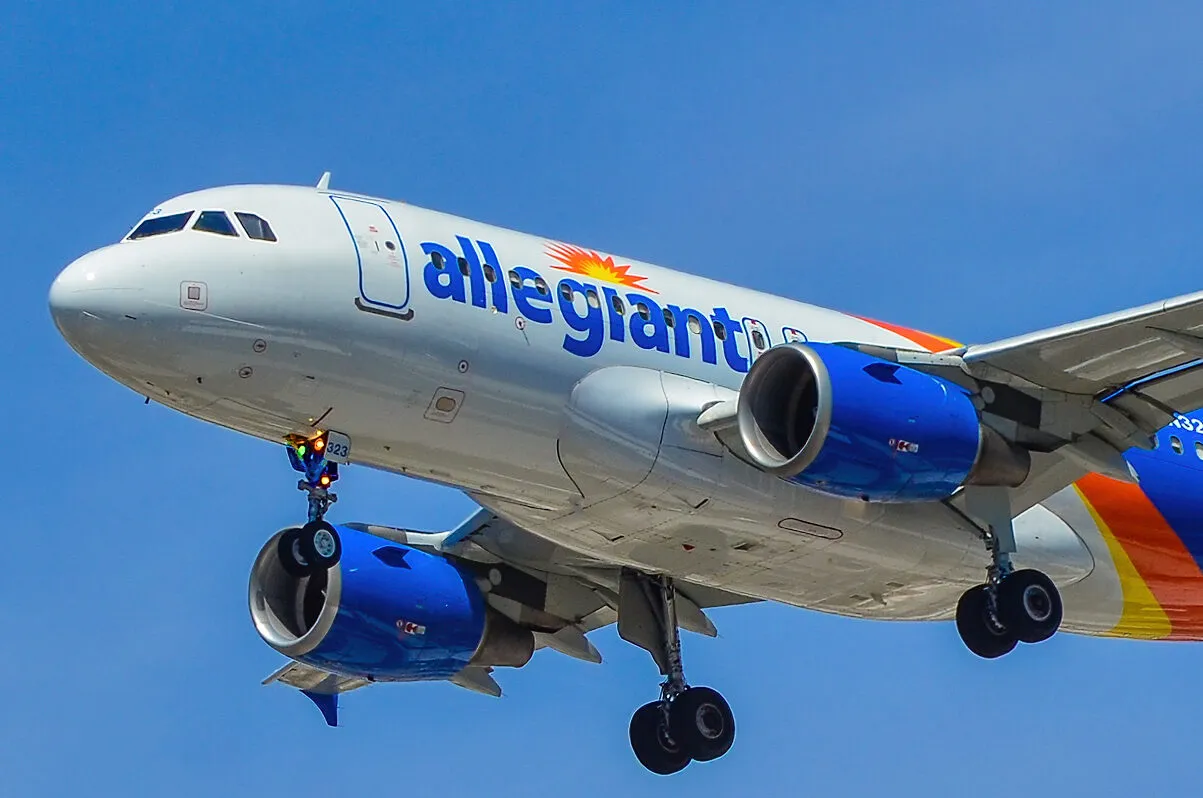
Allegiant Air, the Las Vegas-based ultra-low-cost carrier renowned for its steadfast commitment to direct distribution, has executed an exclusive 12-month agreement with Expedia Group, designating it as the airline’s inaugural authorized online travel agency (OTA) distributor. This landmark deal signifies a profound strategic pivot for Allegiant, which had consistently championed its direct-only model as advantageous, a stance it maintained even for its future outlook up to February 2026. The move places Allegiant in a similar trajectory to European low-cost giant Ryanair, which also famously shunned OTAs for years before embracing a multi-OTA distribution strategy.
A Decisive Departure from Core Strategy
For many years, Allegiant Air meticulously cultivated a direct-to-consumer sales strategy, relying heavily on its own website and mobile app, complemented by visibility on metasearch engines like Google Flights and Kayak. This approach was deeply embedded in its business model, designed to maximize ancillary revenue capture, maintain direct customer relationships, and avoid the commission costs associated with third-party distributors. Allegiant, which often bills itself as a travel company rather than just an airline, leverages its direct channel to bundle flights with hotel stays, rental cars, and attraction tickets, all sold directly to leisure travelers seeking vacation packages to popular destinations, primarily from smaller, underserved airports. The shift to partner with a major OTA like Expedia Group, therefore, represents a fundamental re-evaluation of this core principle and an acknowledgment of the evolving landscape of travel distribution.
The rationale behind Allegiant’s long-standing direct distribution strategy was multifaceted. Firstly, it allowed the airline unparalleled control over its pricing, particularly its ability to unbundle services and charge for everything from seat assignments to carry-on bags and priority boarding. This "ancillary revenue" model is crucial for ultra-low-cost carriers (ULCCs), often contributing a significant portion, sometimes exceeding 40-50%, of their total revenue. By selling directly, Allegiant could ensure that customers were exposed to and purchased these add-ons seamlessly. Secondly, direct sales fostered a direct relationship with the customer, enabling personalized marketing, loyalty program engagement (though Allegiant’s loyalty program is less traditional), and direct communication regarding flight changes or service disruptions. Lastly, it eliminated the commission fees that OTAs typically charge, which can range from single-digit percentages to upwards of 15-20% for certain bookings, thereby preserving higher revenue per passenger.
The Ryanair Precedent: A Blueprint for Change
Allegiant’s decision draws immediate parallels with Ryanair, another fiercely independent low-cost carrier that, until recently, maintained an equally rigid stance against OTA distribution. For years, Ryanair vociferously criticized OTAs, accusing them of price gouging, misrepresenting fares, and lacking transparency regarding ancillary fees. However, starting in late 2023 and early 2024, Ryanair dramatically reversed course, announcing a series of partnerships with multiple OTAs, including prominent players like Loveholidays, Kiwi, TUI, and even Expedia Group.
A critical aspect of Ryanair’s new OTA strategy, and one that analysts will closely scrutinize in Allegiant’s case, is the commercial model. Ryanair has publicly stated that it pays no commissions to its OTA distributors. Instead, the partnerships are structured to allow OTAs to access Ryanair’s inventory directly and present the true, full cost of flights and ancillary services to customers, thereby eliminating the opaque practices Ryanair had previously decried. This commission-free model allows Ryanair to benefit from increased reach and incremental passenger volume without incurring direct distribution costs, shifting the value proposition to the OTAs through increased booking volume and the ability to bundle flights with other travel components like hotels and car rentals, where they derive their margins.
Unpacking the Allegiant-Expedia Deal: Terms and Implications
While Allegiant has confirmed the exclusive 12-month deal with Expedia Group, specific financial terms and the precise business model have not been publicly detailed. This lack of transparency immediately positions the deal’s commercial structure as a key area of focus for industry analysts and investors. The central question revolves around whether Allegiant has adopted a commission-free model akin to Ryanair’s, or if it has agreed to pay traditional OTA commissions, which would directly impact its revenue per passenger.
If Allegiant is paying commissions, even at a reduced rate, it would represent a tangible cost increase for acquiring customers through this channel. This would necessitate a careful balancing act: the incremental revenue from new passengers gained through Expedia’s vast reach would need to outweigh the commission costs. Furthermore, how Allegiant’s highly profitable ancillary revenue will be managed through the Expedia platform is paramount. Allegiant’s historical average ancillary revenue per passenger is significantly higher than many legacy carriers, often exceeding $50-$60 per traveler. Ensuring that customers booking via Expedia are still seamlessly presented with and encouraged to purchase these add-ons (like baggage, seat selection, and priority boarding) is vital for the airline’s profitability. A failure to effectively integrate ancillary sales could dilute the overall profitability of Expedia-sourced bookings.
Conversely, if Allegiant has secured a commission-free arrangement, similar to Ryanair, the deal could unlock substantial benefits. It would grant Allegiant access to Expedia Group’s immense global customer base, including travelers who might not typically seek out Allegiant directly or are accustomed to booking their entire trip through a single OTA platform. This expanded reach could help fill seats on flights, particularly during off-peak seasons or on newer routes, thereby improving load factors and overall network utilization. For an airline focused on leisure travel to specific destinations, tapping into Expedia’s broad marketing capabilities and user interface could introduce Allegiant to new customer segments.
Broader Impact and Strategic Analysis
This strategic shift by Allegiant has several layers of implications:
- Customer Acquisition and Market Penetration: Expedia Group’s extensive network and marketing power will undoubtedly expose Allegiant to a wider audience. This could be particularly beneficial for Allegiant’s unique point-to-point network, which often connects smaller, underserved cities to popular vacation destinations like Las Vegas, Orlando, and Phoenix. Many of these routes may not be heavily advertised, and an OTA partnership could serve as a powerful discovery tool for potential travelers.
- Revenue Diversification and Stability: While direct sales offer higher margins, relying solely on them can limit growth potential. Partnering with Expedia could provide a more diversified revenue stream, potentially smoothing out demand fluctuations and offering access to corporate or package travel segments that are more likely to use OTAs.
- Brand Control vs. Reach: The trade-off for increased reach is often a degree of brand control. While Allegiant maintains its branding on Expedia, the customer’s primary interaction is with the OTA platform. Allegiant will need to ensure that its unique value proposition and ancillary offerings are clearly communicated and managed to avoid customer confusion or dissatisfaction.
- Competitive Landscape: Allegiant operates in a highly competitive ULCC space. Its move could pressure other budget carriers to re-evaluate their distribution strategies. If this partnership proves successful for Allegiant in terms of incremental revenue and profitability, it could signal a broader industry trend where even the most direct-centric airlines seek strategic OTA alliances.
- Data and Customer Relationship: A key advantage of direct distribution is the ownership of customer data. While Expedia will likely share some booking data, the direct relationship for marketing and future engagement will primarily reside with the OTA for these specific bookings. Allegiant will need to leverage its internal data analytics to understand the full lifecycle of Expedia-generated customers.
Timeline and Recent Context
Allegiant has historically maintained its direct distribution strategy with unwavering resolve. As recently as its investor calls in late 2023 and early 2024, executives reiterated the strengths of their direct model, even projecting its advantages well into the future, as evidenced by the "February 2026" reference. This makes the announcement of the Expedia deal a remarkably swift and significant change of direction.
The broader industry context also plays a role. The post-pandemic travel recovery has seen a surge in demand, but also increased competition. Airlines are constantly seeking ways to optimize load factors and maximize revenue. For ULCCs, every seat filled and every ancillary service sold directly impacts the bottom line. The success of Ryanair’s pivot to OTAs, even with its unique commission-free model, likely provided a compelling case study for Allegiant to consider. Ryanair’s deals, which began materializing in late 2023, demonstrated that a carefully constructed OTA partnership could be beneficial without necessarily sacrificing core principles or profitability.
Analyst and Industry Reactions
While official statements from Allegiant and Expedia have been concise, industry analysts are expected to provide detailed assessments in the coming weeks. Many will likely view the move as a pragmatic decision aimed at growth and market expansion, acknowledging that the digital travel landscape continues to evolve. However, the lack of detail on the financial terms will keep a spotlight on Allegiant’s upcoming earnings reports, where executives will likely face questions regarding the initial performance of the Expedia partnership and its impact on key financial metrics like revenue per available seat mile (RASM) and ancillary revenue per passenger.
Expedia Group, for its part, stands to benefit by expanding its inventory with a unique carrier like Allegiant, known for its distinct routes and leisure-focused offerings. This enhances Expedia’s position as a comprehensive travel marketplace, offering more choices to its diverse customer base.
The Road Ahead
The 12-month exclusive deal serves as an experimental phase for Allegiant. It allows the airline to test the waters, evaluate the incremental passenger volume, assess the impact on its revenue mix, and refine its integration with Expedia’s platform. The success of this partnership will not only shape Allegiant’s future distribution strategy but could also influence other direct-centric airlines globally.
The industry will be watching closely to see if Allegiant can effectively leverage Expedia’s reach while maintaining its strong ancillary revenue performance, which has been a cornerstone of its financial success. The outcome of this strategic pivot will provide valuable insights into the evolving relationship between airlines and online travel agencies in an increasingly interconnected and competitive global travel market.




 Anjar Salim
 Chandra Hamzah
 Budi Mulyono
 Lukman Taruna Persada Ramadan
