
 Anjar Salim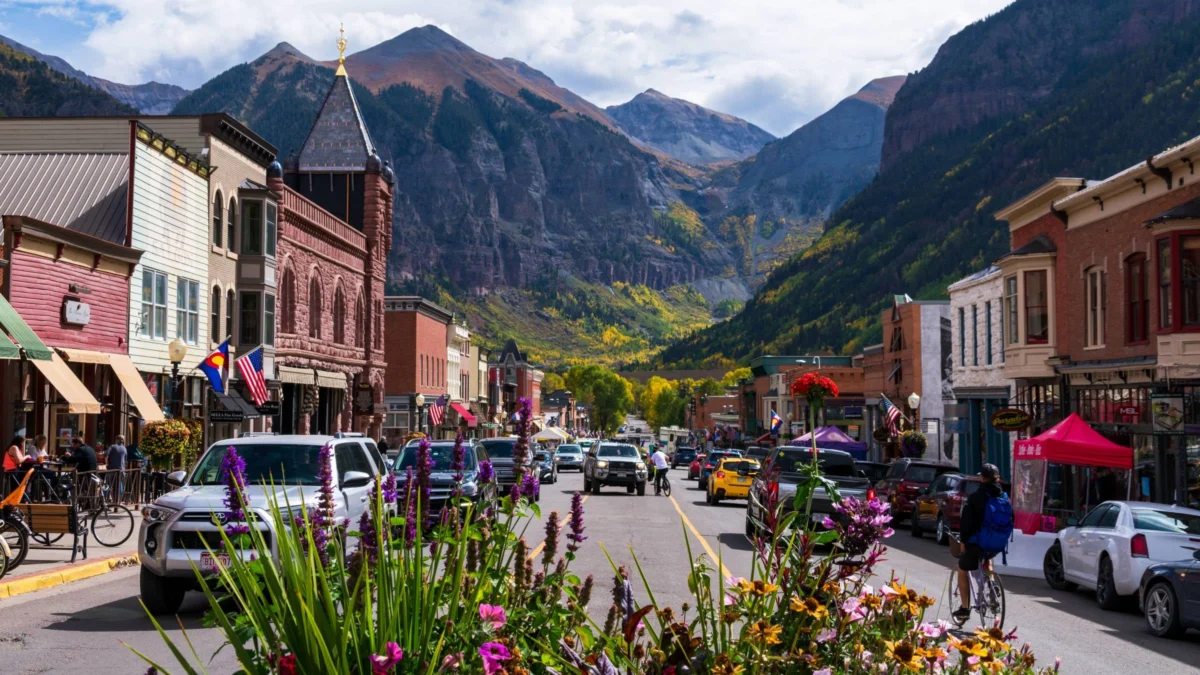
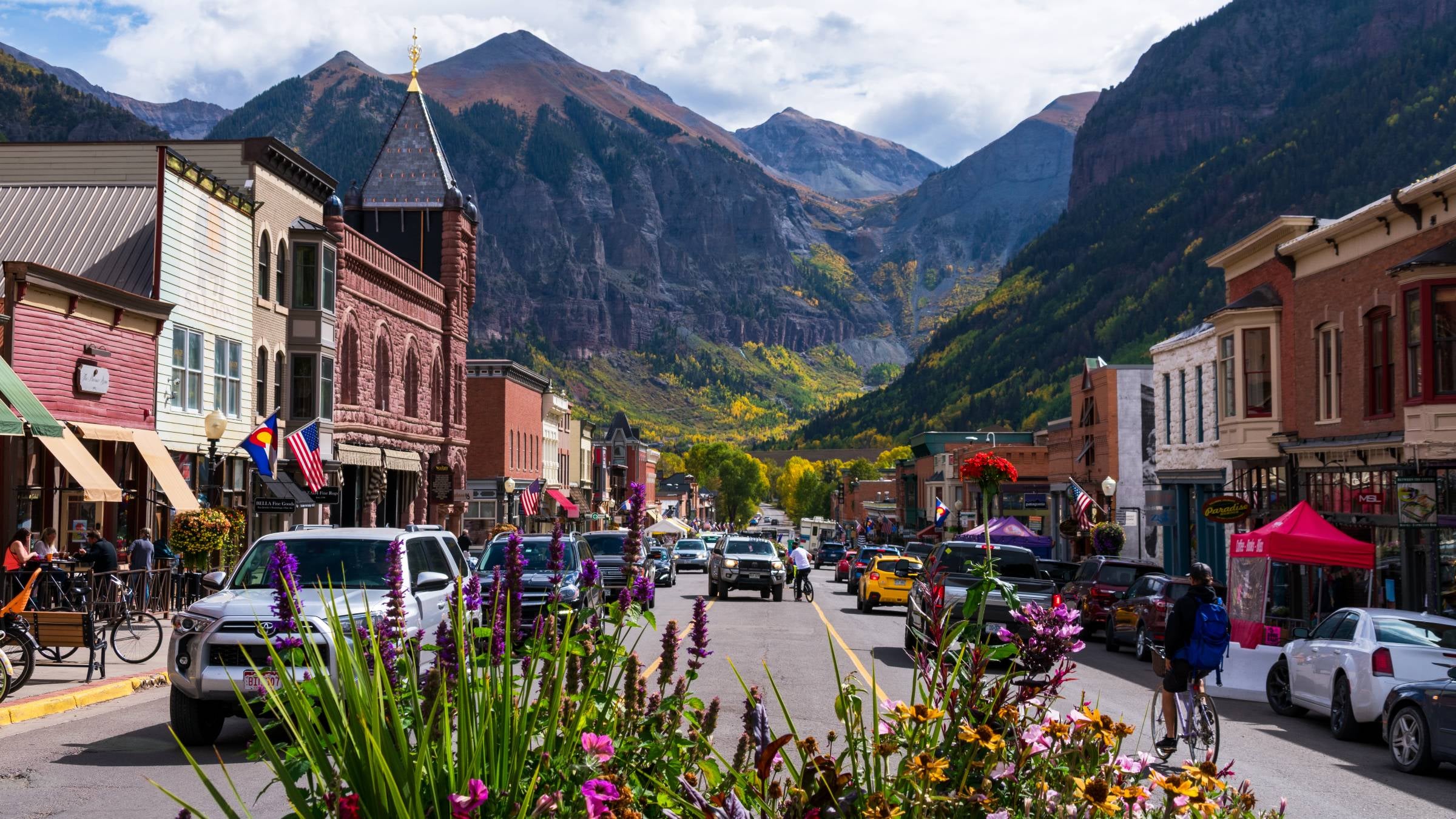
The tension between long-term residents of mountain towns and the influx of new residents and tourists has reached a critical juncture, as surging housing costs and overcrowded infrastructure force a national conversation on the ethics of "gatekeeping" outdoor destinations. While the desire to preserve the character and accessibility of "adventure towns" is a common sentiment among locals, a growing body of economic data and policy analysis suggests that the transition from resource-extraction economies to tourism-and-amenity-based economies is both inevitable and, in many cases, a necessary lifeline for struggling municipalities. This phenomenon, often characterized by "best places to live" lists and social media exposure, has transformed once-sleepy hamlets into high-demand real estate markets, creating a paradox where the very features that attract people—natural beauty, outdoor recreation, and a slower pace of life—are threatened by the volume of people seeking them.
The Evolution of the Mountain Town Identity
The history of the American mountain town is largely defined by a shift from industrial utility to recreational luxury. In the mid-20th century, towns in regions such as the Appalachian Mountains, the Rockies, and the Sierra Nevada were primarily hubs for mining, logging, or agriculture. Residents typically lived in these areas due to proximity to labor-intensive jobs rather than lifestyle preferences. However, beginning in the 1970s and accelerating through the 1990s, a demographic shift known as "amenity migration" began to take hold. This trend saw individuals moving to specific geographies based on the availability of natural amenities—mountains, lakes, and trails—rather than industrial employment.
Boulder, Colorado, serves as a primary historical example of this transition. By the late 20th century, the city had moved away from its industrial roots to become a center for outdoor recreation and graduate-level research. This shift established a new social hierarchy where "what you do" for work became secondary to "what you do" for play, such as skiing, climbing, or mountain biking. This cultural template eventually spread to other regions, including Asheville, North Carolina, which has seen its population and national profile swell over the last two decades. As these towns became "media darlings," the resulting growth brought a mixture of economic revitalization and significant logistical challenges.
Economic Data and the Housing Affordability Crisis
The most acute symptom of the mountain town boom is the rapid escalation of housing prices. According to national real estate data, home appreciation in "gateway communities"—towns bordering national parks or major outdoor recreation areas—has frequently outpaced national averages. In Asheville, North Carolina, home prices have seen a steady upward trajectory for over 20 years, a trend that was supercharged by the COVID-19 pandemic and the subsequent rise of remote work.
The "Zoom town" phenomenon, where high-earning professionals relocated from metropolitan centers to mountain towns, led to a disconnect between local wages and housing costs. In many of these communities, the workforce required to sustain the tourism industry—including hospitality staff, teachers, and emergency responders—finds it increasingly difficult to live within the town limits. This has led to "displacement by gentrification," where the original character of the town is altered not just by the presence of tourists, but by the loss of the local workforce.
Data from the National Association of Realtors and various mountain-state housing authorities indicate that in towns like Breckenridge, Colorado, and Big Sky, Montana, the median home price has reached levels that are unattainable for those earning the local median income. The proliferation of short-term rentals (STRs) via platforms like Airbnb and VRBO has further constrained supply, as property owners find higher profit margins in vacation rentals than in long-term leases for residents.
Policy Responses and Legislative Interventions
In response to these pressures, several states and municipalities have begun implementing aggressive legislative measures to mitigate the negative impacts of tourism and growth. These interventions represent a shift from passive growth to active management of the "mountain town" brand.
Taxation and Revenue Reallocation
In Florida, legislative debates have centered on the Tourist Development Tax (TDT). Historically, these funds were strictly earmarked for the promotion of tourism. Recent proposals have suggested redirecting a significant portion of this revenue toward lowering property taxes for residents or funding local infrastructure, arguing that the industry should directly offset the cost of living for those it affects.
In Colorado, a 2022 law allowed counties to utilize lodging taxes—previously reserved for tourism marketing—to fund workforce housing and childcare. This reflects a growing consensus that a sustainable tourism industry requires a stable, housed workforce.
Specific Municipal Strategies
- Breckenridge, Colorado: The town has utilized a combination of public lodging taxes and private investment to develop nearly 1,000 units of workforce housing. By taking an active role in real estate development, the municipality aims to ensure that essential workers are not priced out of the community.
- Crested Butte, Colorado: This community implemented a 2.9% excise tax on short-term rentals. The revenue is funneled directly into an affordable housing fund, creating a circular economy where tourism activity funds resident stability.
- Leadville, Colorado: Recognizing the barrier of entry for first-time buyers, Leadville offers down-payment assistance specifically for local residents, attempting to combat the influx of "all-cash" offers from out-of-state investors.
- Big Sky, Montana: This resort community employs a luxury tax on certain goods and services. The funds are used to develop infrastructure and affordable housing. Additionally, the town has experimented with cash incentives for property owners who agree to rent to local workers rather than tourists.
The Case for Managed Growth in Struggling Regions
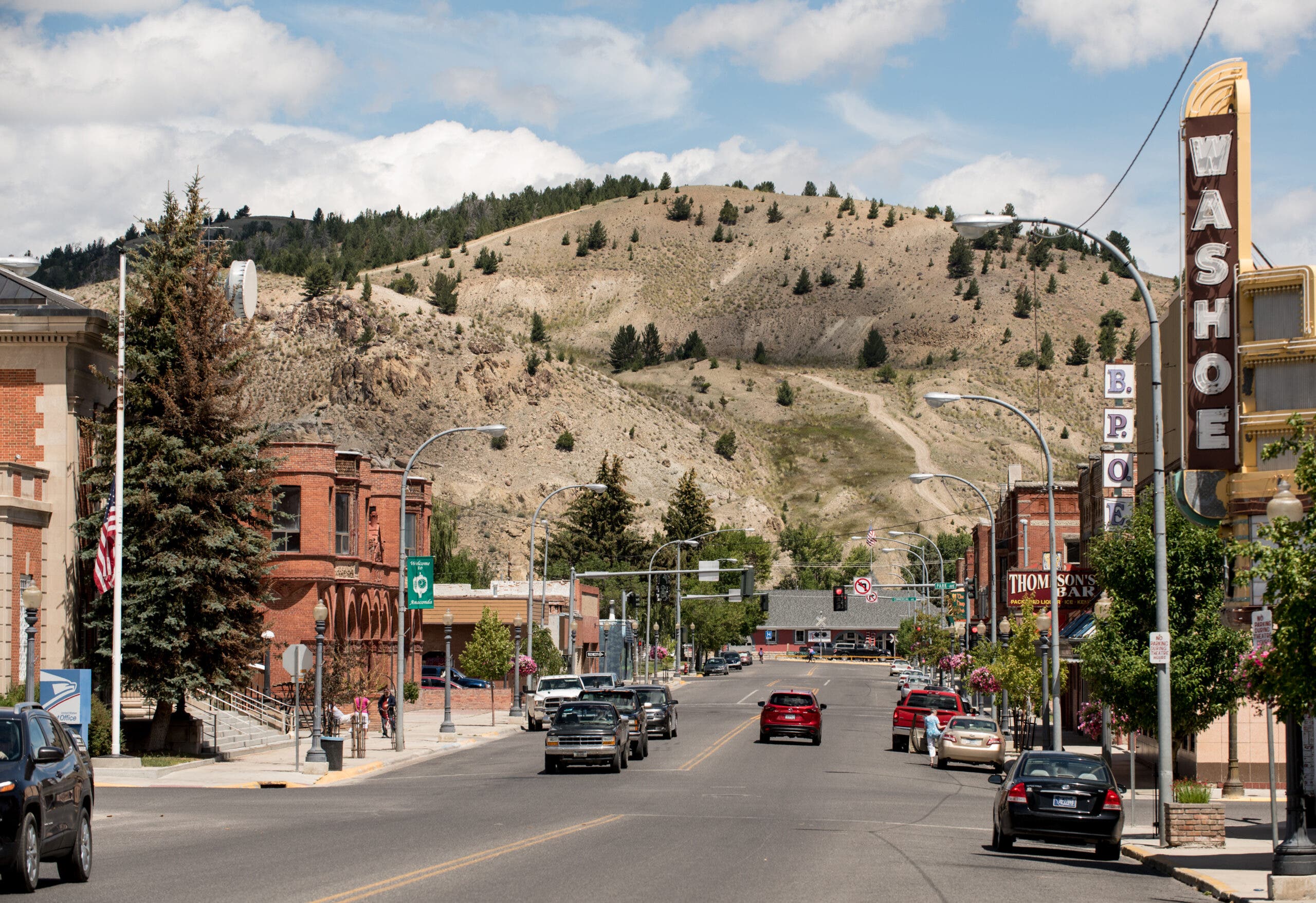
While established mountain towns struggle with over-tourism, other regions are actively seeking the same influx of residents and visitors to replace dying industries. West Virginia serves as a primary case study for this "new mountain economy." Historically dependent on coal mining and logging, the state has faced a persistent "brain drain," with younger generations leaving to find economic opportunities elsewhere.
To combat this, the "Ascend West Virginia" program was launched, offering remote workers $12,000 and free outdoor recreation packages to relocate to towns like Fayetteville and Morgantown. For these communities, adventure tourism is not an annoyance but a vital economic springboard. The transition to a recreation-based economy is seen as a way to preserve the landscape from further industrial extraction while providing a sustainable tax base. Analysts suggest that for such regions, "gatekeeping" would be economically catastrophic, as the survival of the town depends on being "discovered."

Environmental and Social Implications
The debate over mountain town growth also carries significant environmental weight. Increased traffic at trailheads and the over-usage of backcountry "swimming holes" have led to concerns regarding ecological degradation. Environmental advocates emphasize the necessity of "Leave No Trace" principles and the implementation of permit systems for popular outdoor destinations.
Socially, the phenomenon of "last settler syndrome"—where a person moves to a beautiful place and immediately wants to "close the door" behind them to prevent further growth—creates a friction between "old locals" and "new locals." However, journalistic and sociological analysis suggests that this gatekeeping is often unsustainable. The growth of mountain towns is a reflection of a broader national shift in priorities toward health, wellness, and outdoor access.
Broader Impact and Future Outlook
The challenge for the coming decade will be balancing the democratic right to access public lands with the logistical reality of finite space and resources. If mountain towns are to remain viable communities rather than exclusive enclaves for the wealthy, urban planning must prioritize density and affordable housing over sprawl and luxury development.
The "secret" of the mountain town is effectively over, as digital connectivity and the remote work revolution have made these areas accessible to a global population. The focus is now shifting from whether these towns should grow to how they should grow. Sustainable growth models that include caps on short-term rentals, robust public transportation to trailheads, and aggressive affordable housing mandates are becoming the standard for successful gateway communities.
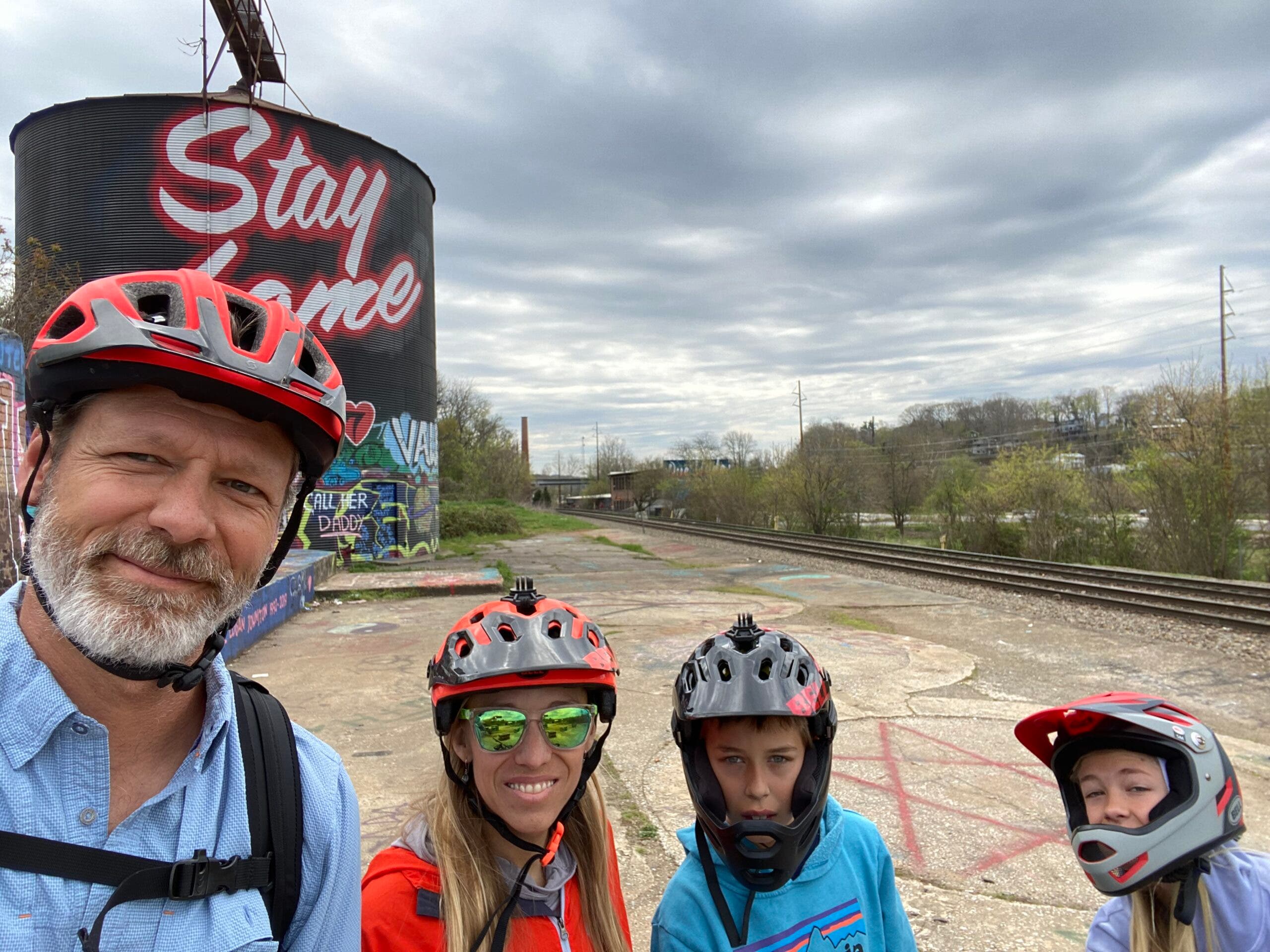
Ultimately, the influx of people into mountain towns is a symptom of a society that increasingly values the outdoors. While this creates immediate friction in the form of crowded trails and rising rents, it also fosters a larger constituency of people invested in the protection of public lands and the environment. The transition from a "secret" spot to a managed destination is a difficult but necessary evolution for the modern American mountain town.




 Budi Mulyono
 Chandra Hamzah
 Tatiana Tantri Indah Sari

 Lukman Taruna Persada Ramadan