
 Cholid Fahmi Thalib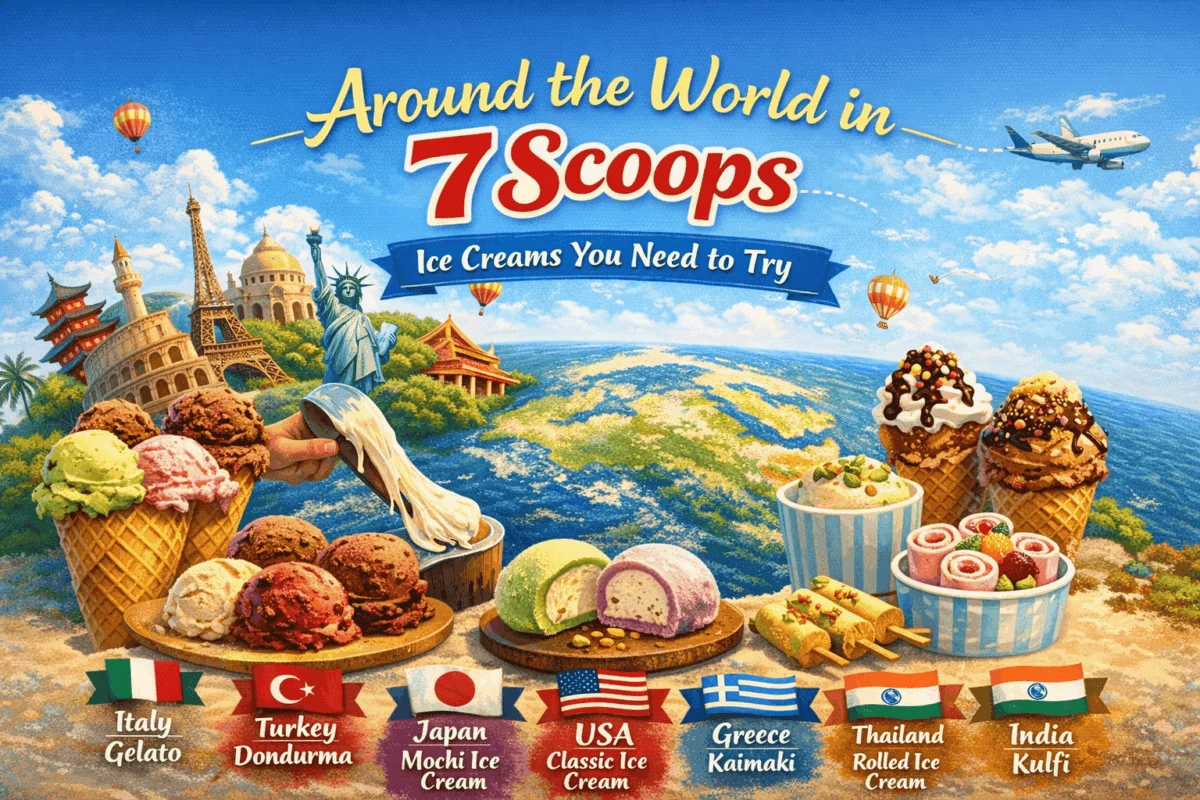
The seemingly simple pleasure of ice cream transcends borders, evolving into a rich tapestry of flavors, textures, and cultural expressions across the globe. While the classic vanilla cone remains a beloved staple, a deeper dive reveals a world of frozen delights, each steeped in tradition and innovation. This exploration ventures beyond the familiar, uncovering the unique characteristics of ice cream creations from seven distinct countries, offering a glimpse into how a universally adored dessert can be reimagined through local ingredients, culinary techniques, and cultural narratives.
The Art of Frozen Delights: A Country-by-Country Exploration
The journey begins in Italy, the birthplace of gelato, a confection synonymous with artisanal craftsmanship and intense flavor. Unlike its American counterpart, traditional Italian gelato is characterized by a higher proportion of milk to cream, resulting in a denser, richer texture with less air churned into it. This meticulous preparation, often involving slower churning speeds, contributes to its smoother mouthfeel and allows the nuanced flavors of ingredients like pistachios, hazelnuts, and dark chocolate to shine through with remarkable clarity. Gelato is typically served at a slightly warmer temperature than ice cream, further enhancing its silky texture and the full spectrum of its taste profile. The Italian gelateria is not merely a shop; it’s a cultural institution where generations of experience are poured into crafting these frozen masterpieces, reflecting a deep-seated appreciation for quality ingredients and time-honored techniques. The global popularity of gelato, evident in its proliferation in major cities worldwide, underscores its status as a benchmark for frozen dessert excellence.
Transitioning to Turkey, we encounter Dondurma, an ice cream that challenges conventional expectations with its extraordinary elasticity and chewiness. This unique characteristic is attributed to the inclusion of salep, a flour derived from the roots of wild orchids, and mastic, a resin that imparts a subtle pine-like aroma. The production of Dondurma is an art form in itself, often involving a dramatic display by vendors who stretch, pull, and fold the frozen mixture using long-handled paddles. This theatrical presentation, a hallmark of Turkish street food culture, adds an element of entertainment to the consumption experience. The resulting texture is remarkably resilient, making it a slow-melting and satisfying treat that stands apart from lighter, airier ice creams. Dondurma is more than just a dessert; it’s a cultural symbol, embodying Turkish hospitality and the joy of shared culinary experiences. Its resilience in warmer climates also makes it a practical and beloved treat throughout the year.
Japan offers a delicate and artful interpretation of ice cream with Mochi Ice Cream. This delightful confection involves encasing a scoop of ice cream within a soft, chewy shell made from mochi, a pounded rice dough. The contrast between the yielding exterior and the cold, creamy interior creates a unique textural interplay that has captivated palates worldwide. Japanese mochi ice cream often features innovative and culturally significant flavors such as matcha green tea, red bean paste (anko), and yuzu. The meticulous craftsmanship involved in creating the perfectly formed mochi balls reflects Japan’s broader culinary philosophy, which emphasizes precision, balance, and sensory harmony. While mochi ice cream has gained international recognition, experiencing it freshly made in Japan provides an unparalleled appreciation for its delicate balance and authentic flavors. The global demand for this treat has spurred significant market growth, with companies investing in advanced freezing technologies to maintain the integrity of the mochi texture.
In the United States, "Classic American Ice Cream" embodies a spirit of unbridled indulgence and innovation. This category encompasses a vast spectrum of styles, from the ubiquitous soft-serve dispensed at roadside stands to the premium, artisanal creations found in specialty creameries. American ice cream is typically characterized by a higher fat content, derived from a generous use of cream, which contributes to its rich, decadent texture. The emphasis is often on bold flavors and generous inclusions, with popular varieties featuring chunks of cookies, swirls of fudge, and ribbons of caramel. The American ice cream industry is a significant economic force, with major brands investing heavily in research and development to create new flavor profiles and product formats. The "indulgence" factor is a key driver of consumer preference, positioning American ice cream as a symbol of comfort, celebration, and accessible luxury. The market size for ice cream in the US alone is estimated to be in the billions of dollars annually, reflecting its deep cultural penetration.
Greece presents Kaimaki, an ice cream with a distinctly aromatic and complex flavor profile. Its uniqueness stems from mastic, a natural resin harvested from the mastic tree that grows exclusively on the island of Chios. This key ingredient imparts a subtle, almost floral and earthy essence that is unlike any other ice cream. Kaimaki boasts a dense, smooth, and velvety texture, often enhanced by a sprinkle of crushed pistachios, which adds a delightful crunch. This is not a fleeting trend but a centuries-old tradition, deeply rooted in Greek culinary heritage. The production process emphasizes slow freezing and careful blending to achieve its signature consistency. Consuming Kaimaki is akin to tasting a piece of Greek history, a testament to the enduring power of traditional ingredients and methods. The limited geographical origin of mastic also contributes to Kaimaki’s exclusivity and its status as a sought-after delicacy.
Thailand’s contribution to the global ice cream scene is the visually captivating and deliciously fresh Rolled Ice Cream, also known as khao niao mamuang ice cream in some variations. This popular street food phenomenon involves pouring a liquid ice cream base onto an extremely cold metal plate. Fresh fruits, candies, or other flavorings are then meticulously chopped and mixed into the base. The mixture is then spread thinly and scraped into delicate rolls, creating a visually appealing and refreshing dessert. The made-to-order nature of rolled ice cream ensures peak freshness, and its smooth, light texture is a welcome departure from heavier frozen desserts. Originating on the streets of Bangkok, this innovative preparation method has since spread to food stalls and parlors across the globe, demonstrating the power of a visually engaging and customizable dessert experience. The rapid growth of the rolled ice cream market reflects its appeal to a younger demographic seeking interactive and photogenic food experiences.
Finally, India offers Kulfi, a dense, slow-melting frozen dessert that embodies patience and rich flavor. Unlike churned ice creams, Kulfi is traditionally made by slowly simmering milk for extended periods, allowing it to reduce and thicken significantly. This labor-intensive process creates a naturally creamy and dense base. Cardamom, saffron, rose water, and pistachios are common flavorings, infusing the Kulfi with aromatic complexity and vibrant taste. Kulfi is typically molded into conical shapes or disc-like forms and served on sticks, as its density means it melts much slower than Western-style ice creams, making it ideal for savoring in warmer climates. Kulfi represents a more traditional and time-honored approach to frozen desserts in India, emphasizing depth of flavor achieved through slow cooking and natural ingredients. Its popularity spans across the Indian subcontinent and has garnered a dedicated following in international markets seeking authentic ethnic flavors.
Broader Implications and the Future of Frozen Desserts
The diverse array of ice creams from these seven countries highlights a global trend: the increasing appreciation for artisanal, culturally specific food experiences. As consumers become more globally connected and food-savvy, the demand for authentic flavors and unique textures continues to rise. This has led to a flourishing market for niche frozen desserts, moving beyond mass-produced options to embrace regional specialties. The success of Kulfi, Gelato, and Rolled Ice Cream in international markets demonstrates that cultural heritage, when translated into exceptional culinary products, can achieve significant commercial appeal.
The economic implications are substantial. Local producers and small businesses specializing in these unique ice creams can tap into global demand, fostering economic growth and cultural exchange. Furthermore, the tourism industry benefits, as travelers actively seek out authentic local culinary experiences, including trying regional ice cream specialties. This phenomenon creates a virtuous cycle where culinary traditions are preserved and promoted through their delicious, frozen manifestations.
Looking ahead, the future of ice cream is likely to be characterized by continued innovation rooted in tradition. We can anticipate further cross-pollination of ideas, with chefs and entrepreneurs drawing inspiration from global flavors and techniques. Sustainability will also play an increasingly important role, with a focus on ethically sourced ingredients and environmentally conscious production methods. The journey of ice cream, from a simple frozen treat to a complex cultural ambassador, is far from over, promising a future filled with even more delightful discoveries for taste buds around the world.


 Anjar Salim
 Chandra Hamzah
 Tatiana Tantri Indah Sari
 Budi Mulyono
 Lukman Taruna Persada Ramadan
