
 Anjar Salim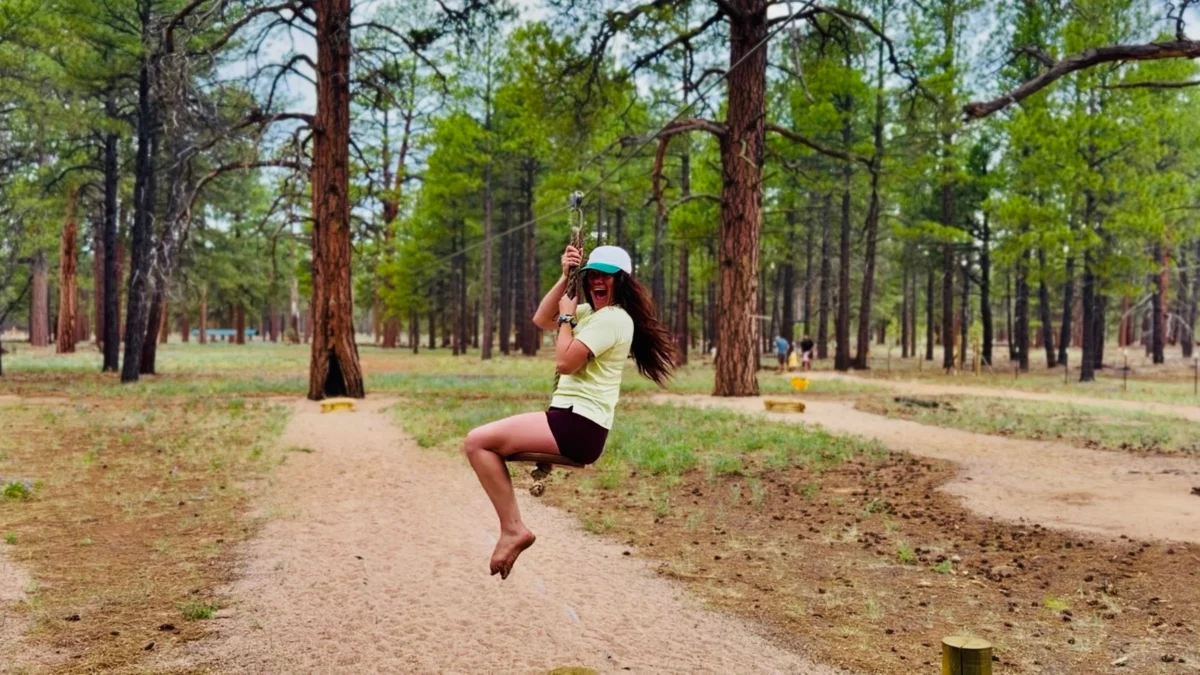
The intersection of extreme physical endurance and alternative recovery methods has found a new focal point in the high-altitude forests of Northern Arizona. Following a punishing 40-mile expedition through the Grand Canyon’s Havasu Falls region during a record-breaking June heatwave, a group of hikers recently sought relief at the nation’s inaugural "earthing" park. Known as the Barefoot Trail, this facility located near Flagstaff serves as a specialized venue for grounding—a therapeutic practice gaining traction within the wellness industry that emphasizes direct physical contact with the Earth’s surface to promote healing and stress reduction.
The emergence of the Barefoot Trail coincides with a broader national trend toward nature-based therapy and "slow tourism," where travelers prioritize recovery and mindfulness over traditional high-impact activities. For those navigating the volatile climate and demanding geography of the American Southwest, the park represents a significant departure from the standard industrial approach to recovery, offering a curated environment designed to soothe the physiological toll of long-distance trekking.
The Physical Toll of the Grand Canyon Trek
The journey leading to the Barefoot Trail began in the depths of the Grand Canyon, specifically within the Havasu Falls corridor. This region is world-renowned for its turquoise waters and travertine pools, but the approach requires navigating some of the most unforgiving terrain in the United States. During the month of June, temperatures in the canyon often exceed 100 degrees Fahrenheit, creating a high-risk environment for dehydration, heat exhaustion, and significant foot trauma.
The specific trek in question covered 40 miles over four days, a distance that subjects the human foot to repetitive stress, friction, and moisture accumulation. Despite the use of high-quality, "broken-in" hiking boots, the group reported more than a dozen blisters among three participants. This phenomenon is a staple of long-distance hiking; even weathered and calloused skin eventually succumbs to the "hot spots" generated by the relentless friction of heavy footwear against uneven, rocky trails. By the end of the excursion, the hikers’ feet were characterized by inflammation and extreme sensitivity, making the prospect of further movement in traditional shoes untenable.
The Science and Philosophy of Grounding
Upon arriving in Flagstaff, the group transitioned from the rugged trails of the canyon to the manicured paths of the Barefoot Trail. The facility is marketed by its founders as the first dedicated "grounding" or "earthing" trail in the United States. Grounding is a practice rooted in the theory that the Earth’s surface possesses a subtle electric charge (free electrons) that can be transferred to the human body through direct skin contact.
Proponents of the practice cite a growing body of research suggesting that this electron transfer may help neutralize free radicals, thereby reducing chronic inflammation. A study published in the Journal of Inflammation Research indicated that grounding could potentially shorten the recovery time for delayed-onset muscle soreness (DOMS) and influence inflammatory markers such as white blood cell counts and cytokines. Furthermore, research indexed by the National Institutes of Health (NIH) suggests that grounding may improve sleep quality and stabilize circadian rhythms by modulating cortisol levels.
While the scientific community remains divided on the extent of these benefits—with some critics labeling the effects as largely placebo-driven—the experiential evidence among users often centers on the immediate sensory relief provided by the practice. For the Grand Canyon hikers, the transition to the cool forest floor provided an immediate cooling effect on inflamed tissues, serving as a form of natural cryotherapy and reflexology.
Park Infrastructure and the Barefoot Trail Foundation
The Barefoot Trail is managed by the Barefoot Trail Foundation, a nonprofit organization dedicated to promoting outdoor exercise and environmental connectivity for families and individuals. The park is situated within a dense ponderosa pine forest, an ecosystem unique to the high-elevation regions of the Southwest.
The trail itself is a one-mile loop, meticulously maintained to ensure safety while providing a variety of sensory inputs. Key features of the park include:
- Reflexology Segments: Sections of the trail are designed with varying textures, including smooth stones, soft mulch, and pine needles, intended to stimulate pressure points on the soles of the feet.
- Mud Baths and Hydration Stations: Muddy foot baths allow for deep cooling and skin conditioning, which is particularly beneficial for hikers recovering from heat-related swelling.
- Sensory Installations: The trail features "rainbow ribbon tunnels" and adventure stations, including child-sized ziplines, aimed at engaging younger visitors.
- Interactive Elements: To encourage mindfulness and environmental awareness, the park includes hidden gnomes that visitors are encouraged to count, with prizes awarded for accuracy at the end of the journey.
Park manager Betzy Spiro describes the initiative as a "barefoot revolution," aimed at helping visitors disconnect from the "chaos of the world" and reconnect with nature. The foundation emphasizes that the trail is cleaned daily to remove sharp debris, though it maintains a level of natural ruggedness to ensure visitors remain attentive to their surroundings.
Environmental and Logistical Considerations
The Barefoot Trail is located at an elevation of approximately 7,200 feet. This altitude presents specific challenges for visitors, including thinner air and rapidly shifting weather patterns. During the group’s visit, a clear "bluebird" morning quickly transitioned into a high-altitude thunderstorm, a common occurrence in the Flagstaff area during the summer monsoon season.
The park operates on a seasonal basis, typically opening in May and closing in October. To manage capacity and preserve the integrity of the trail, the foundation utilizes a tiered pricing structure:
- Advance Online Reservations: $12 for children (ages 3–17) and $14 for adults.
- Same-Day Walkup Tickets: $15 per person.
- Group Discounts: $10 per person for groups of ten or more.
Visitors are advised to arrive in the early morning to avoid the peak intensity of the sun, particularly on sections of the trail that are more exposed. While the park encourages barefoot exploration, it is recommended that visitors carry a backpack with water, snacks, and a pair of sandals for "tactical" sections where skin sensitivity might be a concern.
Regional Tourism and Economic Impact
The presence of the Barefoot Trail contributes to Flagstaff’s reputation as a premier destination for outdoor enthusiasts and wellness seekers. The park is located near Village Camp Flagstaff, an upscale outdoor resort that caters to the "glamping" and luxury RV demographic. This proximity allows the Barefoot Trail to tap into a market of travelers who value high-end amenities—such as swimming pools and pickleball courts—alongside unique nature-based experiences.
The integration of wellness facilities like the Barefoot Trail into the local tourism economy reflects a shift in consumer behavior. As the Grand Canyon continues to attract millions of visitors annually, there is an increasing demand for "post-canyon" recovery options. Flagstaff, with its cooler temperatures and forest-heavy landscape, serves as the logical staging ground for this recovery.
Broader Implications for Health and Recreation
The success of the Barefoot Trail suggests a potential shift in how public and private parks approach trail design. Traditionally, trails are designed for durability and ease of use with heavy footwear. However, the "earthing" model prioritizes the sensory relationship between the walker and the ground.
From a public health perspective, the Barefoot Trail Foundation’s mission aligns with efforts to combat "nature deficit disorder," a term coined by author Richard Louv to describe the psychological and physical costs of alienation from the natural world. By providing a low-stakes, high-sensory environment, the park lowers the barrier to entry for individuals who may find traditional hiking too strenuous but still seek the therapeutic benefits of the outdoors.
Furthermore, the focus on reflexology and sensory stimulation offers a non-pharmacological approach to pain management and stress reduction. For the hikers who emerged from the Grand Canyon with battered feet and exhausted spirits, the trail provided more than just a place to walk; it offered a structured environment for presence and recovery.
As the Barefoot Trail enters its next season, the foundation plans to expand its programming to include monthly live music and food truck events, further cementing its role as a community hub. Whether the "barefoot revolution" spreads to other parts of the country remains to be seen, but in the ponderosa forests of Flagstaff, the movement has already found firm footing among those looking to heal, one step at a time.



 Chandra Hamzah
 Tatiana Tantri Indah Sari
 Budi Mulyono
