
 Anjar Salim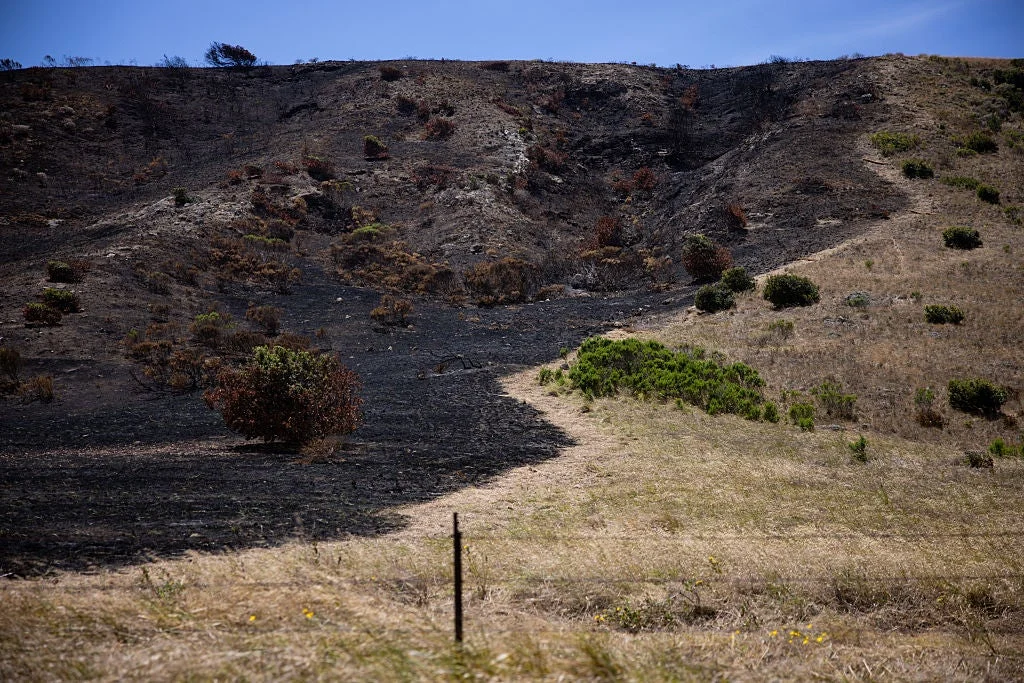
The 2026 wildfire season is projected to be among the most volatile in the history of the United States, driven by a convergence of extreme climatic conditions and structural shifts within federal land management agencies. As record-breaking droughts persist across the American West and the U.S. Forest Service undergoes a period of significant administrative restructuring, the risks to outdoor enthusiasts—hikers, campers, and backcountry travelers—have reached an unprecedented level. In June 2026, a vivid reminder of this danger occurred near Arizona’s Vermillion Cliffs National Monument, where a fast-moving blaze forced the immediate evacuation of hikers on the Arizona National Scenic Trail. The incident highlights a critical gap in public preparedness: while many know how to prevent fires, few are equipped with the tactical knowledge required to survive an encounter with one.
To address these concerns, fire management veterans Bill Kaage and Riva Duncan have provided a comprehensive framework for survival. Kaage, who retired in 2022 as the chief for the National Park Service Division of Fire and Aviation, brings nearly four decades of experience from the Everglades to the Sierras. Duncan, a former U.S. Forest Service Fire Chief and current president of Grassroots Wildland Firefighters, offers a perspective forged in over 30 years of frontline advocacy and management. Their insights form the basis of a modern survival protocol for the increasing number of citizens finding themselves in the path of a wildfire.
The 2026 Wildfire Context: A Perfect Storm
The urgency of these survival strategies is underscored by the current environmental landscape. Meteorologists and fire ecologists point to three primary factors contributing to the 2026 crisis. First, the "Mega-Drought" of the 2020s has left fuel loads—grass, brush, and timber—at record-low moisture levels. Second, the U.S. Forest Service is navigating a complex restructuring phase aimed at modernization, which has temporarily impacted crew availability and rapid-response logistics. Third, the expanding "Wildland-Urban Interface" means more recreationalists are entering remote areas that lack traditional infrastructure for emergency communication.
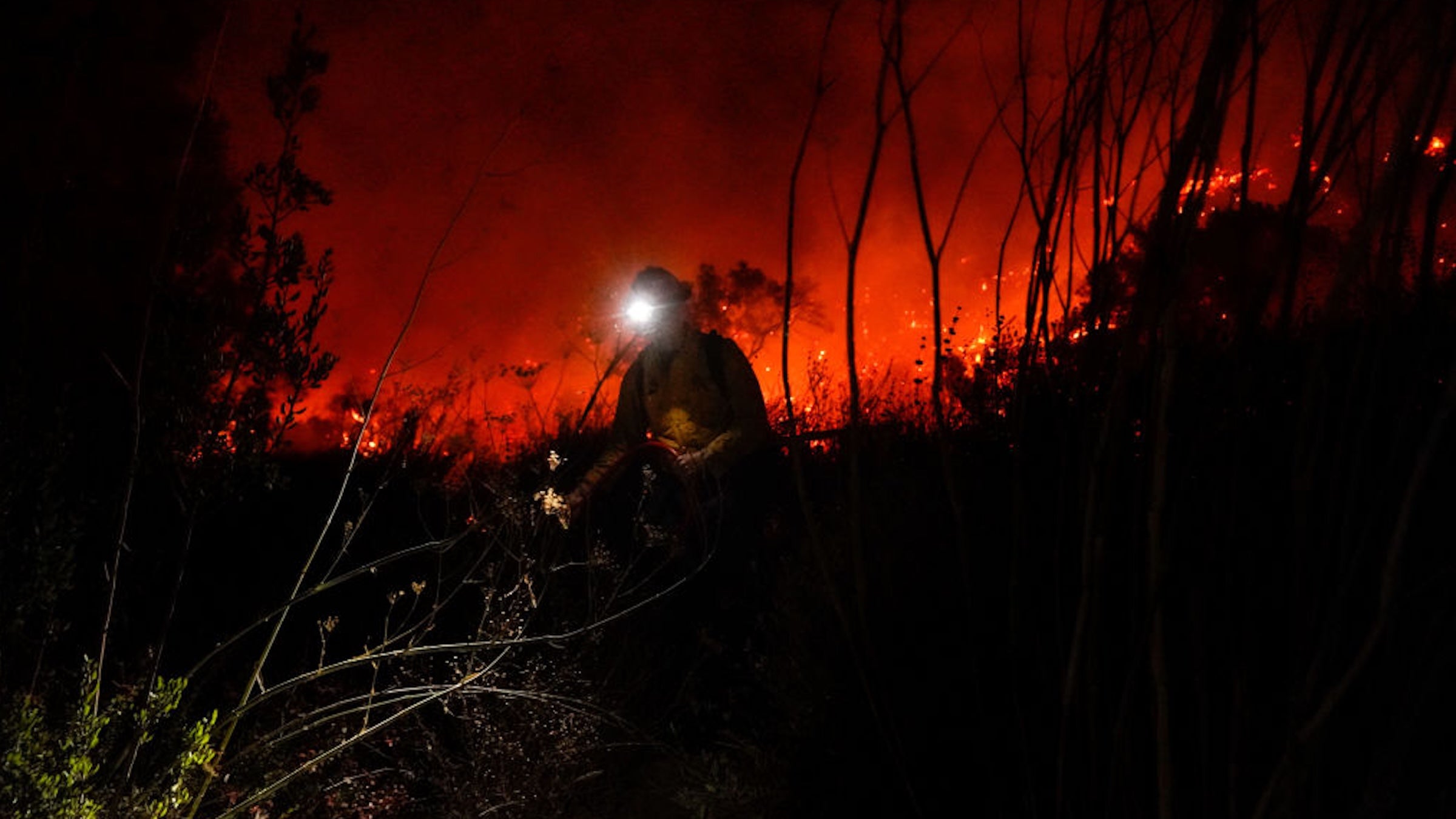
Data from the National Interagency Fire Center (NIFC) indicates that wildfire behavior is becoming more erratic. Fires are now more likely to exhibit "extreme behavior," including pyrocumulus cloud formation and spotting (where embers start new fires miles ahead of the main front), making traditional escape routes less reliable.
Immediate Protocols Upon Sighting a Wildfire
The moment a plume of smoke is spotted or an emergency SOS alert is received, the window for safe evacuation begins to close. Experts emphasize that the first action must be reporting, followed immediately by a movement toward safety.
Verification and Communication
If cellular service is available, travelers should contact 911 immediately. It is a common and dangerous misconception that a fire has already been reported. When speaking with dispatchers, provide specific coordinates if possible. Kaage recommends using GPS devices or physical maps to note the fire’s exact location, the direction of the smoke, and the type of vegetation currently burning. Identifying whether the fuel is light grass or heavy timber can help fire managers predict the speed of the spread.
Situational Assessment
Once a report is made, hikers must assess their own position relative to the fire. "Are you on the other side of the ridge, above the fire, or down canyon?" Kaage asks. This assessment determines the immediate threat level. If camping, the protocol is to pack up and move instantly. If hiking, the group must turn back. Crucially, Duncan notes that a group is only as fast as its slowest member; evacuation plans must be calibrated to the pace of the least mobile individual.
The Physics of Fire: Why Topography Matters
Understanding how fire moves across a landscape is vital for choosing an escape route. One of the most dangerous errors a person can make is attempting to outrun a fire by heading uphill.
The Upward Velocity of Flames
Fire travels significantly faster uphill than it does on flat ground or downhill. This is due to two factors: heat transfer and wind. As heat rises, it pre-heats and dries out the vegetation above the fire, turning it into highly combustible fuel before the flames even arrive. Furthermore, in mountainous regions, daytime winds typically blow upslope, essentially "pushing" the fire into the faces of those trying to escape.
"We all remember that heat rises," Duncan explains, "but the radiant heat from the flames dries out the vegetation uphill as the fire is moving." Consequently, the primary rule of movement in a wildfire emergency is to seek lower elevations and open spaces.
Strategic Survival: "One Foot in the Black"
If a fire moves too quickly to be outrun, survivors must look for "safety zones"—areas where the fire has already passed or where there is no fuel to sustain it.
The Safety of Burned Areas
In the wildland firefighting community, the mantra "keep one foot in the black" refers to staying near or within areas that have already been scorched. While it may seem counterintuitive to walk toward a blackened landscape, these areas are often the safest because the fuel has already been consumed. However, Duncan warns that not all "black" is equal. A "hot burn" that has consumed all low-lying brush and grass is safer than a "patchy burn" where leaves and needles remain, as the latter can re-ignite.
Natural Barriers and Buffers
Other potential safety zones include:
- Rocky Scree Slopes: Areas of rock with no vegetation can act as a buffer, provided they are large enough to protect against radiant heat.
- Wet Meadows and Bogs: While these provide some protection, they can still be overcome by smoke.
- Dirt Roads and Ditches: These serve as a "last resort" if no other open space is available.
Environmental Hazards Beyond the Flames
Statistics show that the majority of wildfire fatalities are not caused by direct contact with flames. Instead, smoke inhalation, superheated gases, and secondary environmental hazards are the primary killers.
Airway Protection and Hypoxia
Fires consume vast quantities of oxygen and replace it with carbon monoxide and other toxic gases. Superheated air can burn the lining of the lungs instantly. To protect the airway, experts advise staying low to the ground where the air is marginally cooler and clearer. Unlike popular depictions in cinema, one should never use a wet cloth over the mouth. The heat of the fire can turn the moisture in the cloth into steam, causing severe internal burns to the respiratory system. A dry cloth is the preferred method for filtering large ash particles.
Gravity and Falling Debris
Wildfires destabilize the environment. The burning of root systems and the intense winds generated by the fire’s own weather system can cause "snags" (dead trees) and live trees to topple without warning. Furthermore, the loss of vegetation on slopes often triggers rockfalls. Kaage notes that "gravity" is one of the five leading causes of firefighter fatalities, and it remains a lethal threat to civilians in the backcountry.
The Myth of Water Refuges
While jumping into a river or lake is a common trope in survival films, it is a strategy fraught with danger. Steep canyons can trap radiant and convective heat, essentially turning a waterway into an oven.
"Streams are seductive since water puts out fire," Kaage says. "That said, if you’re in a steep canyon, you could be subjected to all the methods of heat transfer: convection, conduction, and radiant." Additionally, the risk of drowning or hypothermia is significant, especially if the survivor must remain in the water for hours while the fire passes overhead. If water is the only option, experts suggest creating a "tent" over the head to maintain a small pocket of breathable air.
Gear Management and Physiological Maintenance
The decision to keep or ditch gear can be the difference between life and death. While a heavy pack slows movement, it often contains the very tools needed for survival, such as water and communication devices.
Hydration and Cooling
Dehydration accelerates the onset of heat exhaustion and confusion. Kaage advises survivors to drink water steadily to allow the body to cool itself through perspiration. "Let your body do the work of cooling you from within," he notes.
Clothing Materials
The composition of a hiker’s clothing can determine the severity of burn injuries. Synthetic fabrics like polyester and nylon have low melting points; in the presence of intense radiant heat, these materials can melt onto the skin. Duncan advocates for natural fibers—wool, cotton, or silk—which are more resilient to high temperatures. This is why professional wildland firefighters wear Nomex (a flame-resistant meta-aramid) or natural fiber blends.
Broader Implications for Public Safety
The increasing frequency of these events suggests a permanent shift in how the public must approach outdoor recreation. Federal agencies are likely to implement more frequent "preventative closures" of public lands during peak fire seasons to mitigate the risk of human-caused ignitions and to prevent the need for high-risk search and rescue operations.
The integration of technology, such as the FEMA app and satellite-enabled SOS messaging on modern smartphones, has improved the chances of survival. However, as the 2026 season demonstrates, technology is a supplement to, not a replacement for, fundamental survival knowledge. The expertise provided by Kaage and Duncan emphasizes a shift toward self-reliance. As wildfire seasons grow longer and more intense, the responsibility for safety rests increasingly on the individual’s ability to read the landscape, understand the weather, and act decisively when the first signs of smoke appear on the horizon.




 Chandra Hamzah
 Tatiana Tantri Indah Sari
 Budi Mulyono
 Lukman Taruna Persada Ramadan