
 Anjar Salim
The Helinox Cot One Convertible has emerged as a focal point in the discussion regarding high-end outdoor equipment, positioning itself as a premium solution for backcountry sleep systems. While the outdoor industry has long prioritized weight reduction and minimalism, a growing segment of the market is shifting toward "comfort-focused" engineering, particularly for multi-week expeditions where physical recovery is paramount. Recent field testing conducted during a 16-night rafting expedition through the Grand Canyon suggests that this cot, often referred to by enthusiasts as the "Rolls-Royce of cots," offers a significant departure from traditional inflatable sleeping pads. The device is designed to elevate the user off the ground, providing a level of orthopedic support and environmental protection that traditional ground-based systems struggle to replicate.
Engineering and Technical Specifications
At the core of the Helinox Cot One Convertible is the use of proprietary DAC aluminum alloy. Helinox is a brand under the umbrella of DAC (Dongah Aluminum Corp), the world’s leading manufacturer of high-strength aluminum poles for expedition-grade tents. The Cot One utilizes TH72M aluminum, a material known for its high strength-to-weight ratio. This allows the cot to support up to 320 pounds (145 kg) while maintaining a trail weight of approximately 5 pounds, 1 ounce (2.3 kg).
The design philosophy centers on a unique lever-locking system. Unlike traditional cots that require significant upper-body strength to tension the fabric, the Helinox system uses three oversized levers that provide mechanical advantage. When engaged, these levers stretch the polyester ripstop fabric across the frame with enough tension to prevent sagging, yet with sufficient "give" to accommodate the contours of the human body. This tension is critical for side sleepers, who frequently experience pressure-point pain on the hips and shoulders when using standard inflatable pads.
The Grand Canyon Field Test: A 16-Day Chronology
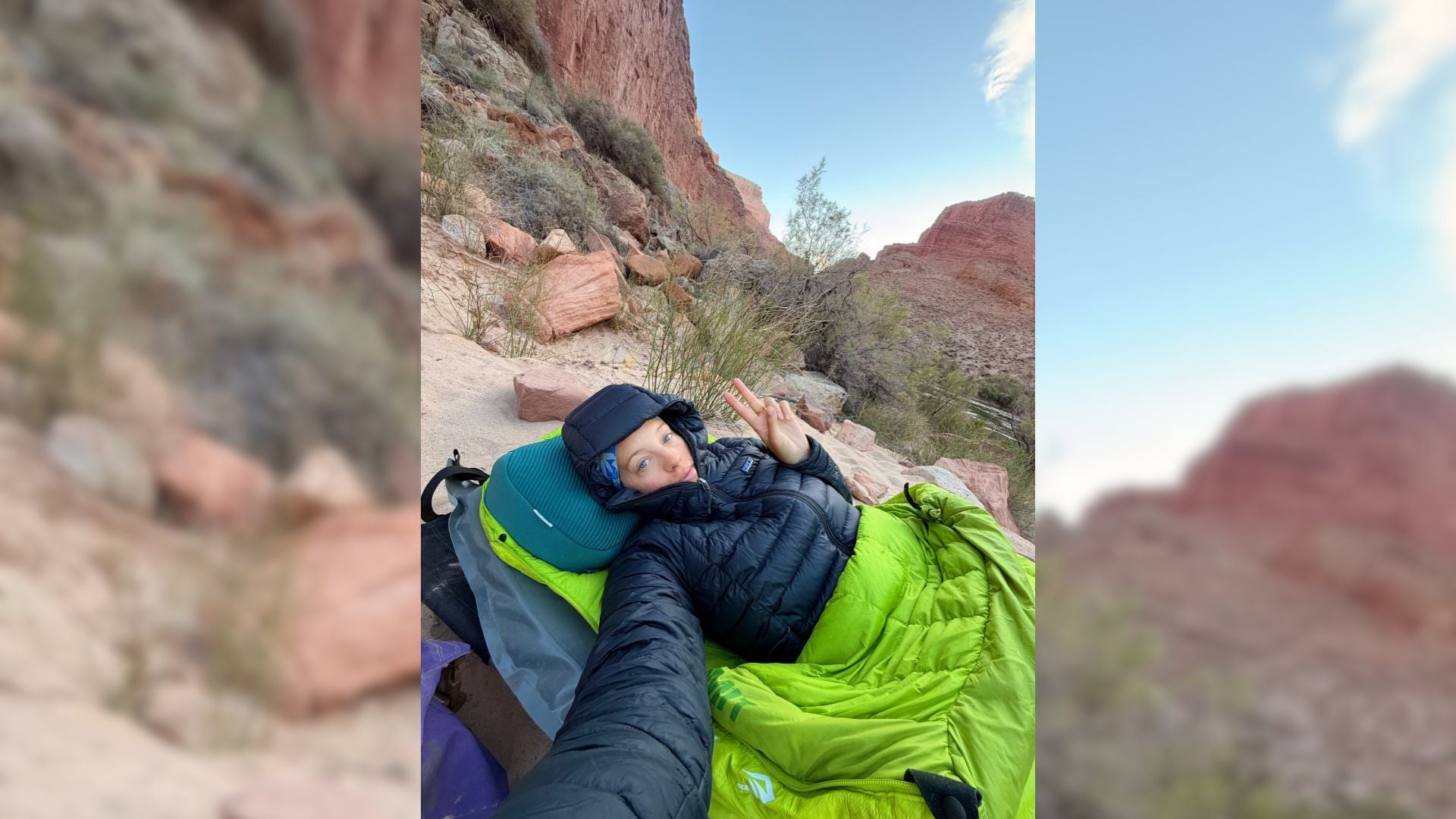
The efficacy of the Cot One Convertible was recently evaluated during a 226-mile river transit of the Grand Canyon. This environment serves as a rigorous testing ground due to its extreme temperature fluctuations, abrasive silt, and uneven rocky terrain.
During the first three days of the expedition, testers noted the psychological and physical transition from ground-sleeping to elevation. In the initial phase of the trip, the primary benefit observed was the mitigation of the "rotisserie chicken" effect—a common phenomenon where sleepers must constantly rotate to relieve pressure on joints. By day seven, the cumulative effect of high-quality sleep became evident in the testers’ physical performance during daytime rowing and hiking activities.
By the midpoint of the 16-day journey, the cot’s secondary benefits became more pronounced. The Grand Canyon’s riparian zones are characterized by fine, invasive sand and the presence of nocturnal desert fauna, including scorpions and various insects. Elevating the sleeping surface 6.5 inches off the ground created a structural barrier that kept the sleeping bag and pillow free of grit and out of the direct path of crawling wildlife.
Comparative Analysis: Cot vs. Inflatable Pad
The outdoor industry has traditionally relied on inflatable pads for insulation and comfort. However, pads rely on air pressure, which can fluctuate with temperature changes throughout the night, often resulting in a "bottoming out" effect where the user’s hip makes contact with the hard ground.
In contrast, the Helinox Cot One Convertible provides a consistent, suspended surface. While it is not intended to replace an insulated pad—especially in cold climates where "convective heat loss" occurs underneath the cot—it serves as a superior foundation. Field reports indicate that pairing the cot with a thin self-inflating pad, such as an NRS Snooze Pad or a Sea to Summit inflatable, creates a sleep system that rivals residential mattresses.
The Cot One’s height is also a strategic advantage. At 6.5 inches, it is low enough to fit inside most three-season backpacking tents without the user’s face touching the tent ceiling, yet high enough to provide clearance over rocks, roots, and uneven sand dunes. For users seeking even more height, Helinox offers optional leg extensions that raise the cot to 15 inches, though these are typically reserved for car camping or basecamp scenarios rather than river trips.
Market Positioning and Consumer Sentiment
The primary criticism of the Helinox Cot One Convertible is its price point, which typically ranges between $350 and $450 depending on the size and configuration. This puts it in a category of "luxury" gear that many casual campers find difficult to justify. However, consumer data from retailers like REI suggests a high level of "post-purchase satisfaction."
One reviewer, identified as David, famously compared the cot to a Rolls-Royce Phantom, stating that while the price is difficult to justify on paper, the experience of using it renders the cost secondary. This sentiment is echoed by long-distance expeditioners who view sleep as a "performance-enhancing" variable. In the context of a multi-week trip, the cost-per-night of the cot decreases significantly, and the prevention of chronic back or hip pain is viewed as a worthy investment by the aging demographic of outdoor enthusiasts.
Assembly and Operational Considerations
Despite its sophisticated engineering, the Cot One requires a brief learning curve. The tensioning levers must be oriented in a specific direction to lock correctly. Product specialists recommend that users watch instructional videos and practice assembly in a controlled environment before attempting it in the field, particularly in low-light conditions or inclement weather.
For taller individuals, the "Long" version of the cot is frequently recommended. Standing at six feet tall, a user on a standard-length cot may find their heels hanging off the edge, which can lead to discomfort over several hours. The Long version extends the frame to 82.5 inches, ensuring that the entire body remains supported within the tensioned zone of the fabric.
Broader Industry Implications and Trends
The success of the Helinox Cot One Convertible is indicative of a broader trend in the $25 billion outdoor recreation industry: the "premiumization" of camping gear. As more people participate in outdoor activities, there is an increasing demand for equipment that bridges the gap between rugged utility and domestic comfort.
This shift has implications for gear manufacturers and retailers. There is a growing realization that "roughing it" is not a requirement for wilderness engagement. By providing equipment that accommodates different body types and physical needs, brands like Helinox are expanding the accessibility of long-duration wilderness trips to those who might otherwise be deterred by the physical toll of sleeping on the ground.
Furthermore, the durability of DAC aluminum and high-denier polyester ensures that these luxury items have a long lifecycle. Unlike cheaper, disposable camping furniture, the Cot One is designed to be a "legacy" piece of gear, potentially lasting for decades of use. This longevity aligns with a growing consumer interest in sustainability and "buying less but buying better."
Conclusion
The Helinox Cot One Convertible represents a significant advancement in backcountry sleep technology. While its weight makes it less suitable for ultralight backpacking, its performance in river rafting, car camping, and trailhead overnights is virtually unparalleled. By addressing the fundamental ergonomic failures of ground-based sleeping systems, Helinox has created a product that justifies its "luxury" label through tangible physical benefits.
For the serious expeditioner or the side sleeper prone to joint pain, the cot is more than an indulgence; it is a critical piece of equipment that facilitates recovery and extends the duration of time one can comfortably spend in the wild. As the outdoor market continues to evolve, the Cot One stands as a benchmark for how engineering and comfort can coexist in the harshest environments on Earth. Whether navigating the depths of the Grand Canyon or setting up camp at a local state park, the ability to wake up rested and pain-free remains the ultimate luxury in the outdoors.




 Chandra Hamzah
 Tatiana Tantri Indah Sari
 Budi Mulyono
 Lukman Taruna Persada Ramadan