
 Anjar Salim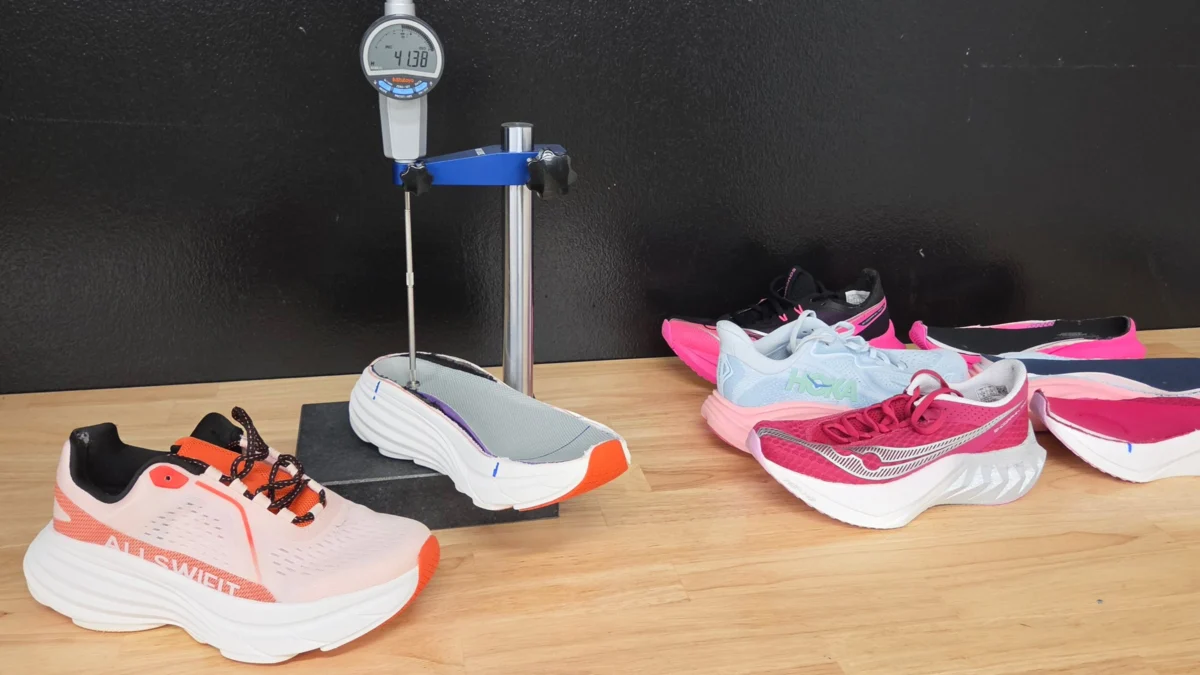
The modern running shoe industry operates on a cycle of planned obsolescence necessitated by the physical limits of polymer science. Unlike heavy-duty hiking boots or cycling frames, which are often marketed as "buy it for life" investments, running shoes are strictly consumable goods. Regardless of maintenance, the fundamental components—the outsole rubber, the midsole foam, and the engineered mesh upper—inevitably succumb to the repetitive stresses of the human gait. Industry standards suggest that the functional lifespan of a standard trainer ranges from 300 to 500 miles, which for a dedicated runner can mean a replacement cycle as frequent as every four to six months.
In July 2026, a comprehensive study conducted by the Outside Lab at the University of Colorado Denver sought to determine if the high price tags of premium footwear—often exceeding $200—actually translate to increased longevity or superior performance compared to budget-tier alternatives. The investigation centered on a direct comparison between a $50 Amazon-sourced model, the Nortiv 8 Allswifit ActiveAiry, and established performance models from Hoka and Saucony. The results challenge long-held assumptions about the relationship between price, durability, and technical performance.
Methodology and the Outside Lab Testing Framework
The evaluation was structured in two distinct phases: qualitative field testing followed by rigorous quantitative laboratory analysis. Initial field tests were conducted by gear specialist Maggie Slepian, who performed a side-by-side comparison of the $50 Nortiv 8 against mid-range and premium trainers. Her initial findings suggested that for casual use, the budget model provided a "bouncy" sensation comparable to its more expensive counterparts, though the construction felt noticeably more "chunky" and simplified.
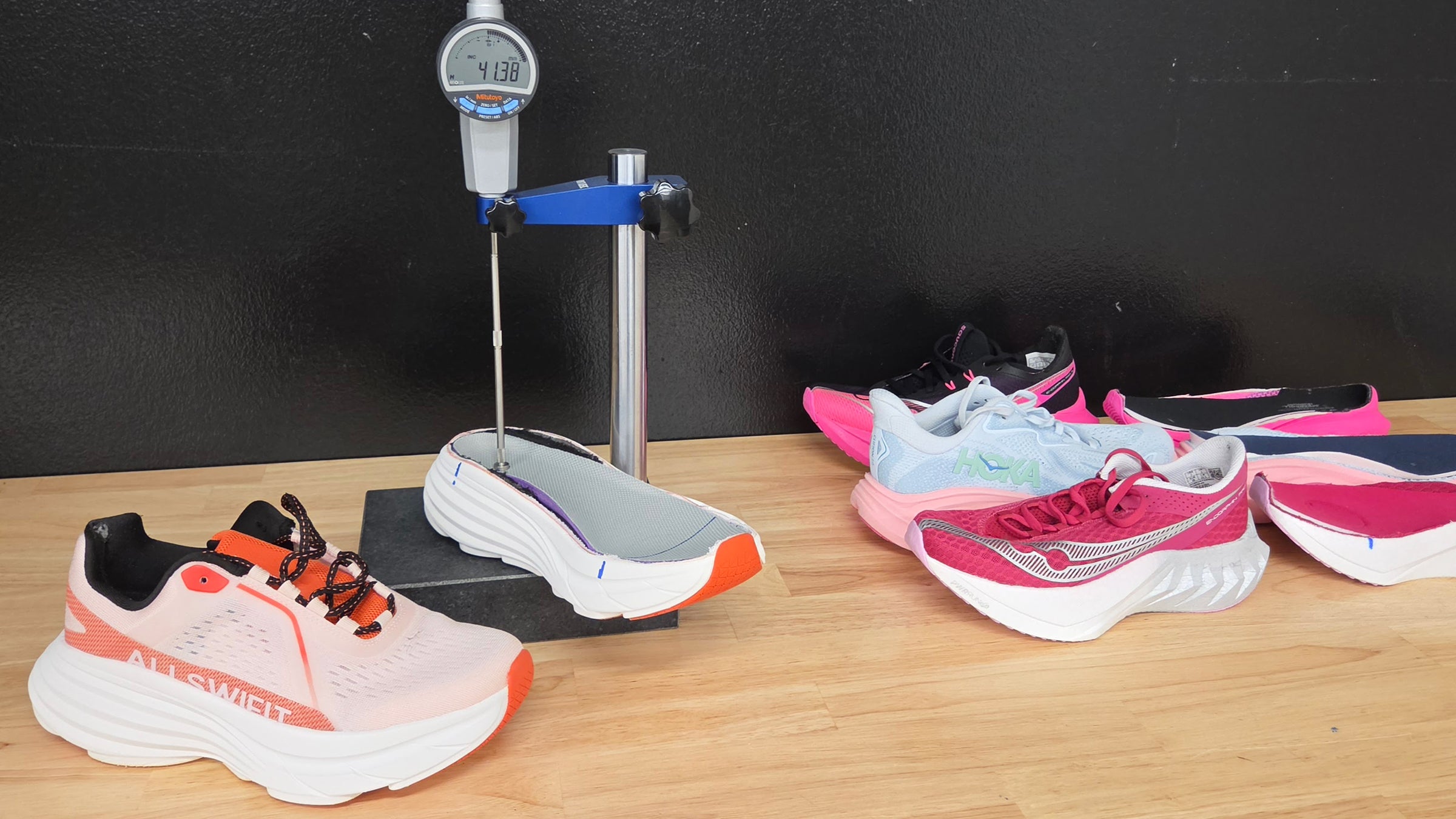
To move beyond subjective impressions, Outside’s Lab Test Editor and Engineer, Adam Trenkamp, subjected fresh pairs of each shoe to a battery of four standardized tests. These procedures utilized specialized equipment designed to simulate months of wear in a matter of days. The tests included:
- AquAbrasion Testing: Measuring the resistance of the upper material to physical wear.
- Static Breathability Assessment: Quantifying moisture vapor transfer through the toe box.
- Universal Compression Testing: Analyzing the force-return and stiffness of the midsole foam.
- Heeluxe Time Machine Simulation: Replicating the impact of a 180-pound runner over a 125-mile distance.
The Paradox of Abrasion and Breathability
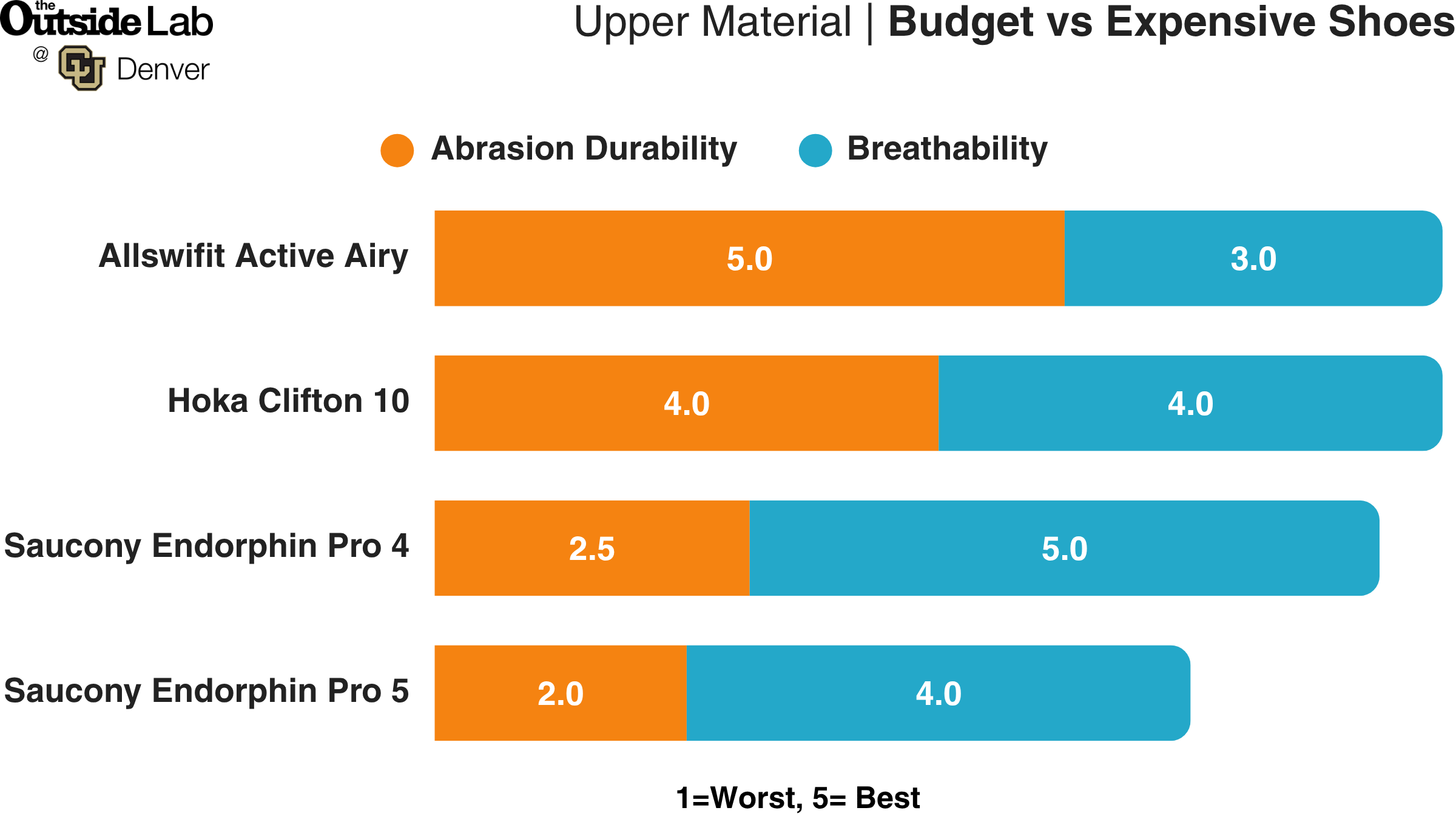
One of the most significant findings of the study was the inverse relationship between price and upper-material durability. Using a James Heal AquAbrasion machine, the lab tested the shoes against both wool fabric (simulating normal wear) and more aggressive abradents (simulating extreme conditions).
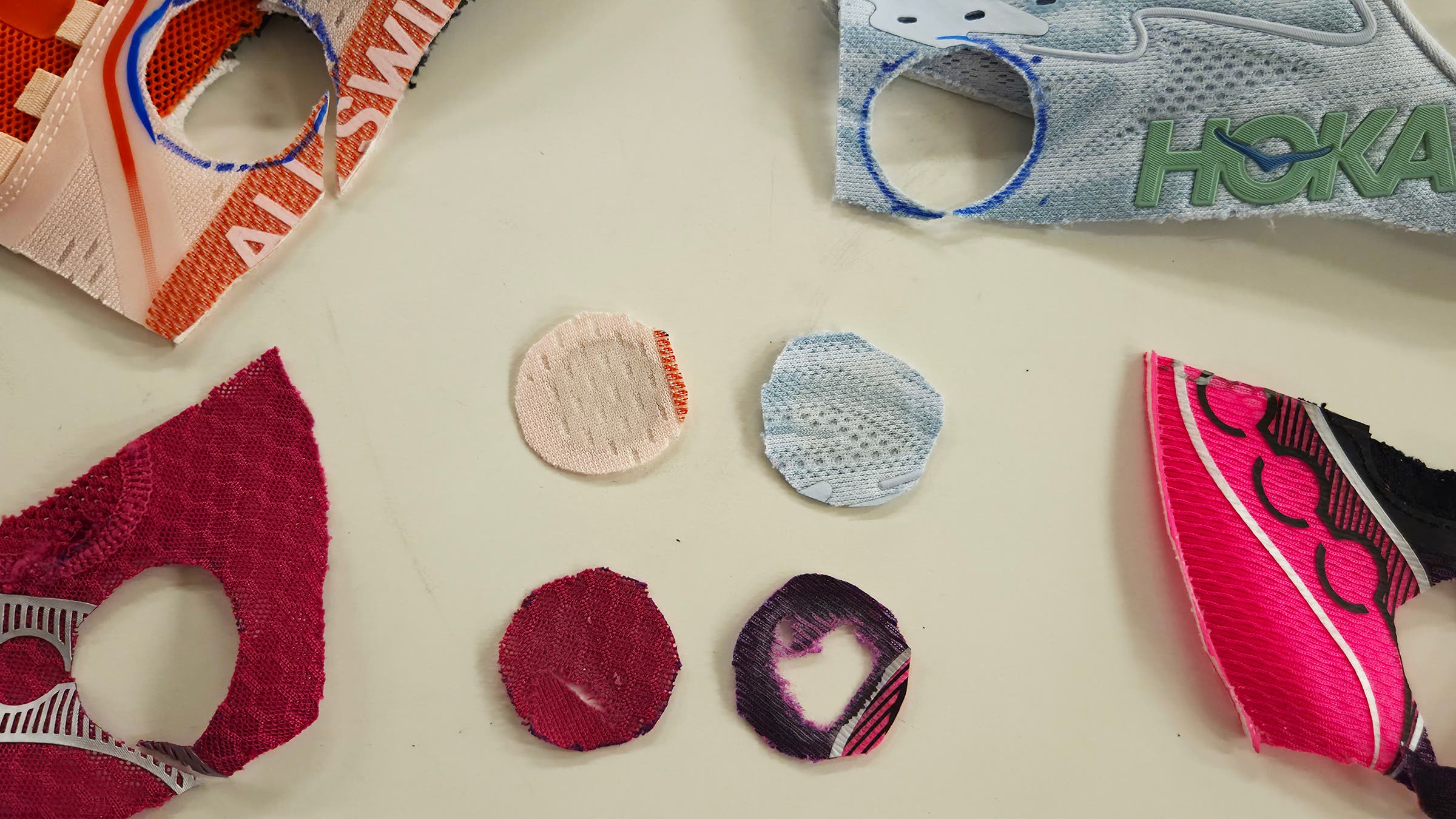
The $50 Nortiv 8 Allswifit earned a perfect score of 5 on the visual abrasion scale, showing almost no signs of material failure. In contrast, the premium Saucony models—specifically the Endorphin Pro series, which retails for approximately four times the price of the Nortiv 8—received middling-to-low scores. This discrepancy is attributed to the "performance trade-off" inherent in elite footwear. To achieve the lightweight profile required for competitive racing, premium manufacturers use thinner, highly engineered meshes. While these materials are optimized for speed, they are significantly more susceptible to snags and friction-based tearing.
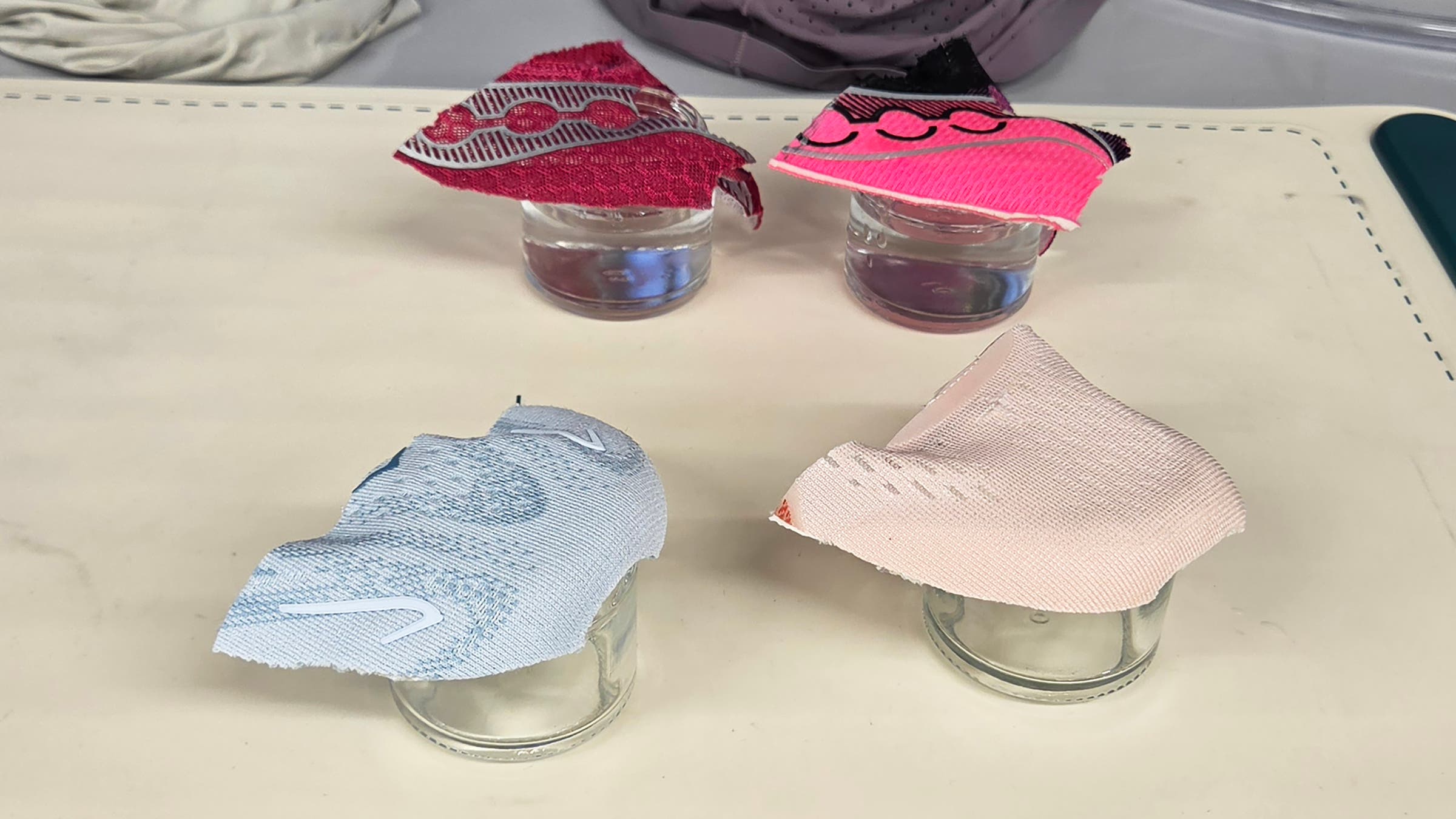
However, the premium shoes reclaimed their lead in the breathability category. The lab measured the weight loss of heated water jars sealed with sections of the shoes’ toe boxes. In Denver’s dry environment (25-35% relative humidity), the more expensive models allowed for significantly higher rates of moisture evaporation. The thinner weaves of the Hoka and Saucony models facilitate superior sweat management, a critical factor for long-distance runners prone to blistering or overheating. The budget Nortiv 8, while tougher, acted as a more effective barrier against moisture escape, potentially leading to discomfort during high-intensity workouts.
Midsole Engineering: The Science of "Squish" vs. Stiffness
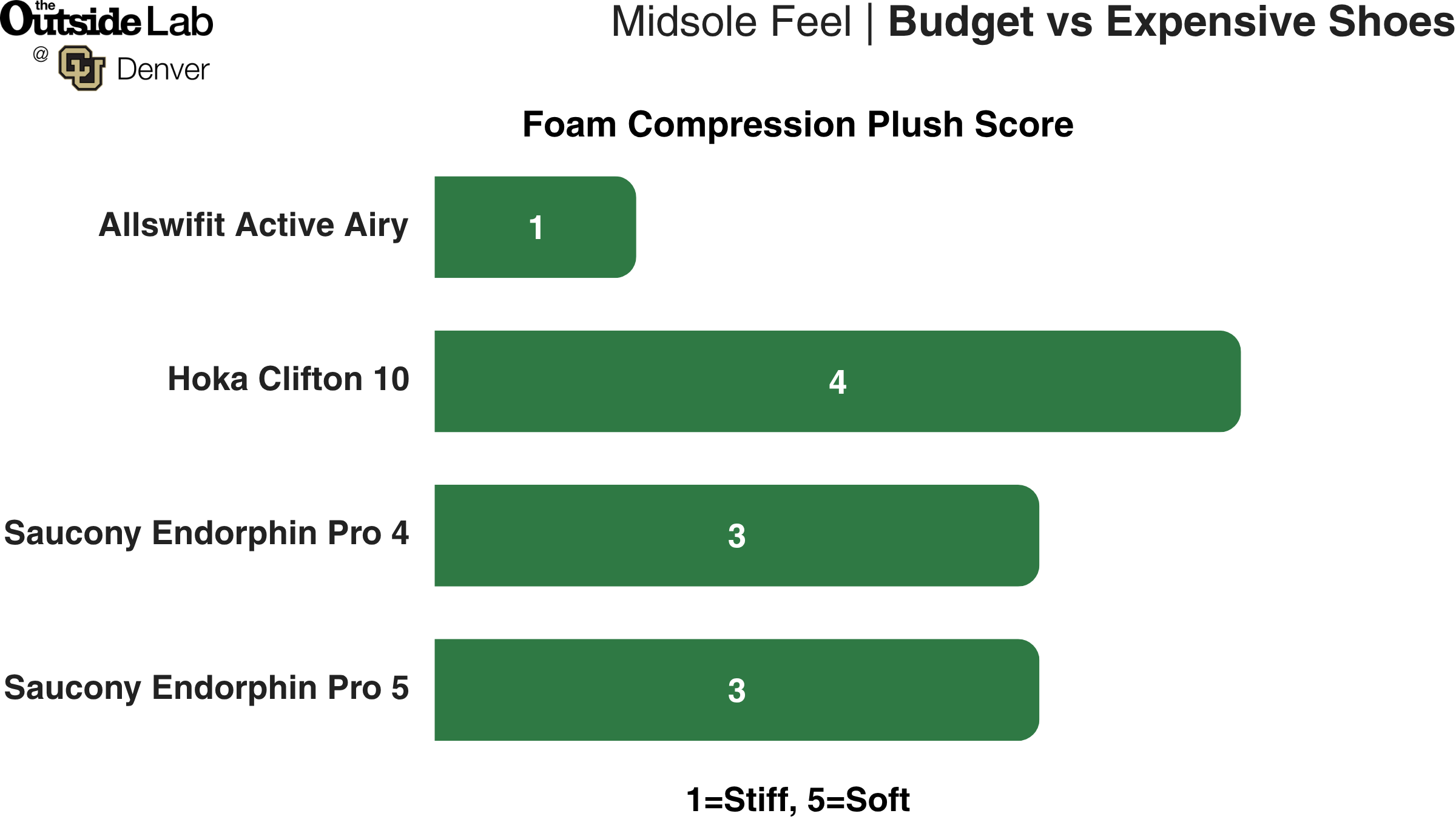
The core of a running shoe’s value proposition usually lies in its midsole—the layer of foam responsible for shock absorption and energy return. The Outside Lab utilized a universal test machine to compress the heel and forefoot impact zones 26 times, recording the force required to reach specific depths.
The data revealed that the budget Nortiv 8 was a significant outlier in terms of foam properties. It received a score of 1 on the stiffness-to-softness scale, indicating a much firmer and less responsive ride. The Hoka and Saucony models scored 4 and 3, respectively, showcasing the "plush" feel that has become the hallmark of modern maximalist footwear.
Biomechanical experts note that while "squish" is often equated with comfort, stiffness is not inherently a defect. Some runners prefer a firm platform for stability or a more "grounded" feel. However, the lab results confirm that the advanced chemical engineering found in proprietary foams—such as Saucony’s PWRRUN or Hoka’s compression-molded EVA—provides a level of energy return and impact protection that budget manufacturers cannot yet replicate with generic materials.
The 125-Mile Durability Threshold
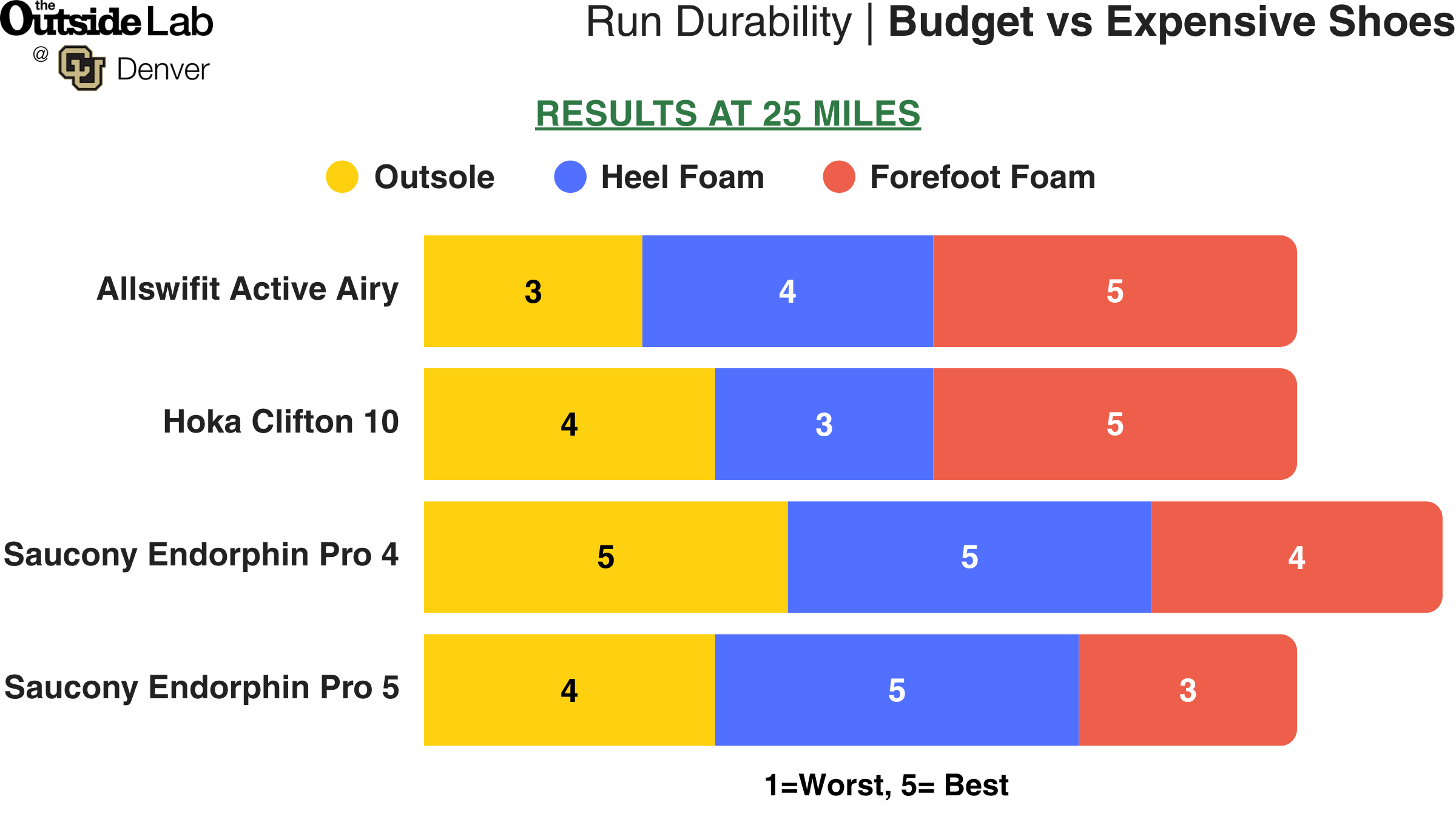
To simulate long-term wear, the lab employed the Heeluxe Time Machine. This device uses flexible footforms and tensioned springs to mimic the stride of a 180-pound person maintaining an eight-minute-mile pace. The shoes were "run" for a total of 125 miles, with performance benchmarks recorded at the 10, 25, and 125-mile marks.
At the 25-mile mark, the differences between the shoes were negligible. All models maintained their structural integrity and cushioning properties, suggesting that for a single marathon or a few weeks of light jogging, a $50 shoe performs adequately.
However, as the mileage increased to 125 miles, the "premium gap" became evident.
- The Saucony models maintained the highest overall scores, demonstrating that despite their delicate uppers, their "supershoe" midsoles were engineered to withstand sustained high-mileage training.
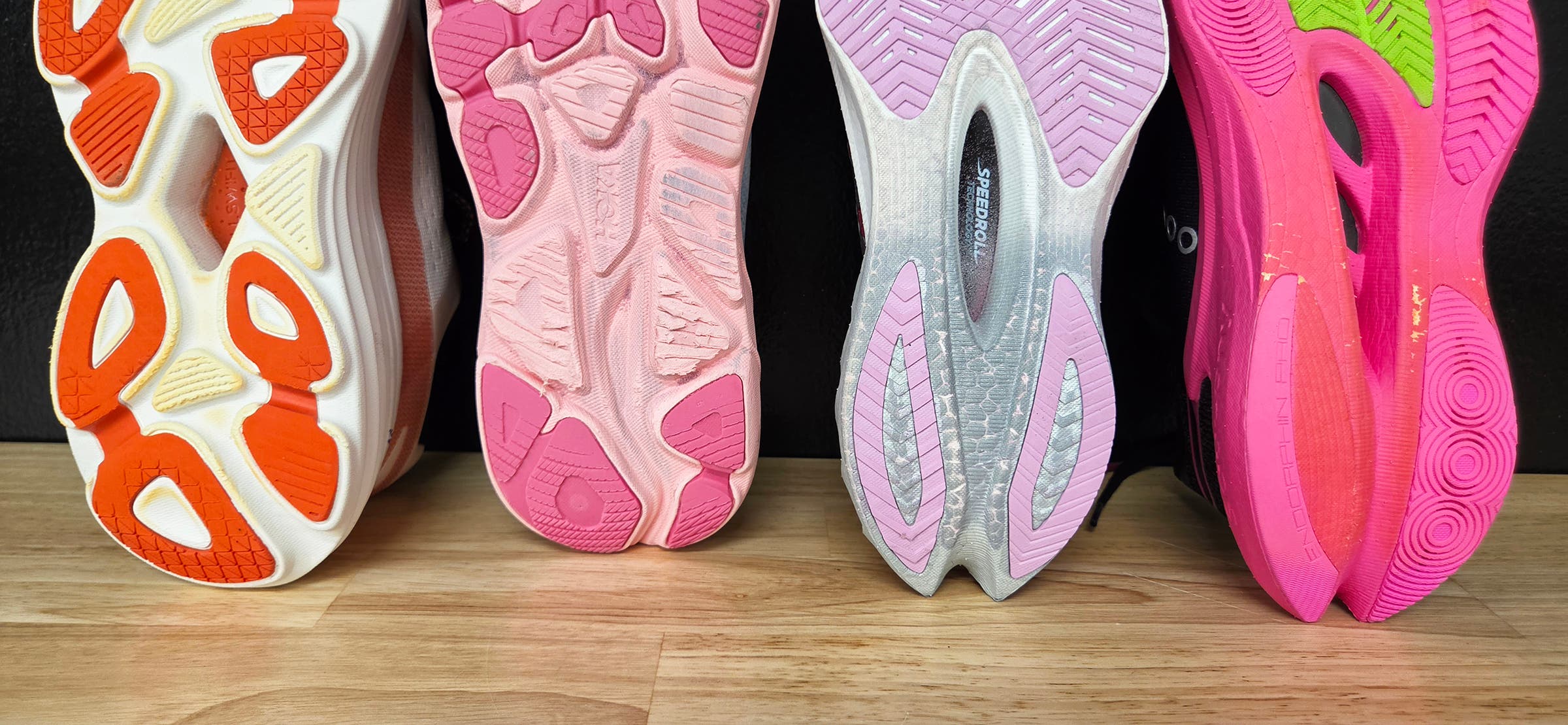
- The Nortiv 8 showed significant degradation in the outsole. The lab recorded "excessive rubber shedding," indicating that the tread would likely smooth out long before the 300-mile industry average.
- The Hoka models sat in the middle, showing consistent but predictable wear.
This data suggests that the "cost per mile" of a budget shoe may actually be higher for high-volume runners. If a $50 shoe loses its grip or cushioning at 150 miles, but a $200 shoe remains viable for 500 miles, the price-to-utility ratio begins to equalize.
Industry Implications and Consumer Behavior
The results of the Outside Lab study arrive at a time when the running industry is facing increased pressure from direct-to-consumer (DTC) brands and third-party retailers like Amazon. Traditional manufacturers have long justified high prices through Research and Development (R&D) investments in foam chemistry and carbon-plate technology.
Market analysts suggest that the "toughness" of budget shoes could appeal to a growing segment of "hybrid" athletes—those who move between pavement and light trails. For these users, the fragility of a $225 racing shoe is a liability. Conversely, the lab’s findings on breathability and foam compression reinforce the "elite" status of legacy brands, confirming that for serious performance, there is currently no substitute for high-end engineering.
The study also highlights a growing environmental concern. As budget shoes with lower outsole durability enter the market, the volume of footwear entering landfills could increase. "If the rubber is shedding excessively at 125 miles, we are looking at a product with a very short functional life," noted the lab report. This may prompt future regulations or "sustainability scores" that factor in the mileage-to-waste ratio of athletic gear.
Final Analysis: Choosing the Right Tool
The Outside Lab’s findings provide a clear roadmap for consumers navigating the 2026 footwear market. The decision to "splurge" or "save" should be dictated by specific usage patterns rather than brand loyalty alone.
For the casual walker, the beginner runner, or the gym-goer who spends limited time on the road, the $50 Nortiv 8 Allswifit offers a durable upper and sufficient cushioning for low-mileage applications. Its superior abrasion resistance makes it a surprisingly hardy choice for those who are "hard" on their gear.
For the marathoner, the daily high-mileage trainer, or those living in warm climates, the investment in premium footwear remains justified. The superior breathability of the Hoka and Saucony models, combined with the longevity of their advanced midsole foams, provides a performance edge that becomes more apparent the further one runs.
As the lab concluded, "running shoes are highly personal." While the data can quantify the physics of a shoe, the "best" shoe remains the one that fits the individual’s foot shape and biomechanical needs. The 2026 study serves as a reminder that in the world of athletic gear, you often get exactly what you pay for—but what you need might not always be the most expensive option on the shelf.




 Chandra Hamzah
 Tatiana Tantri Indah Sari
 Budi Mulyono
 Lukman Taruna Persada Ramadan