
 Anjar Salim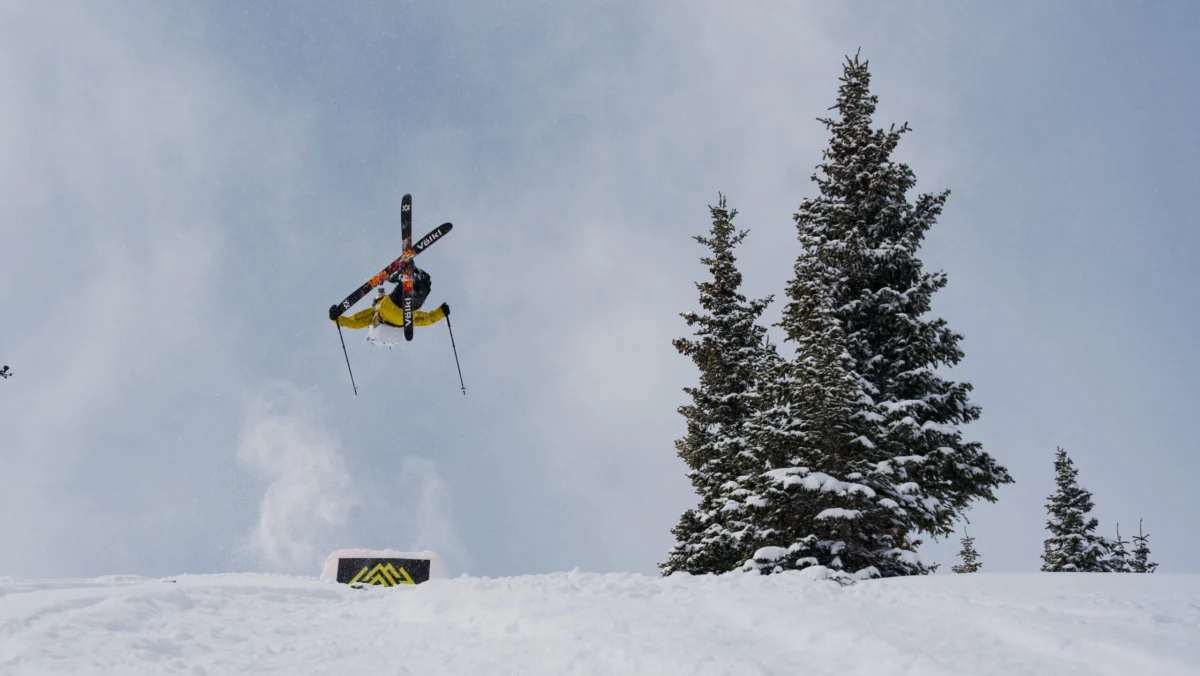
The high-stakes landscape of multi-disciplinary outdoor sports has reached a critical juncture with the release of the seventh episode of Ultimate Mountain Athlete season two, where eight elite competitors transitioned from the grueling demands of uphill mountain biking to the high-velocity technicality of freestyle skiing. Hosted at the formidable Silverton Mountain in Colorado, the competition serves as a definitive test of athletic versatility, requiring participants to demonstrate mastery across rock climbing, mountain biking, and backcountry snow sports. As the leaderboard takes shape following the conclusion of the "Impossible Climb," the focus has shifted to a custom-engineered freestyle course designed to challenge the limits of gravity and technical execution.
The current stage of the competition represents more than a mere change in equipment; it signifies a total shift in physiological and psychological requirements. Athletes who dominated the previous ascent-based challenges now find themselves needing to pivot from the slow-twitch endurance of a mountain bike climb to the fast-twitch explosiveness and spatial awareness required for big-mountain skiing. This transition is the cornerstone of the Ultimate Mountain Athlete philosophy, a collaborative production between Outside and Toyota Trucks, which seeks to identify the most well-rounded mountain sport professional in North America.
The Impossible Climb: Analytical Review of the Mountain Bike Segment
Before the athletes could strap into their skis, the competition concluded its most physically taxing mountain bike segment: the Impossible Climb. This event was strategically placed in the schedule to fatigue the athletes and test their grit under hypoxic conditions. Silverton Mountain, known for its high-altitude terrain and steep verticality, provided a backdrop where the air is thin and the traction is minimal.
The Impossible Climb was designed as a vertical-gain sprint on loose, technical terrain. In this discipline, the scoring was predicated on both the time of ascent and the ability to maintain momentum on grades exceeding 20 percent. Data from the event indicated that the top performers were those who could manage their heart rates while navigating a surface of scree and decomposed granite. The separation between the leaders and the chasers in this segment was measured in seconds, creating a tight points race heading into the final freestyle ski event.
The results of the Impossible Climb have established a clear hierarchy among the four men and four women remaining in the hunt for the title. While those with a background in cross-country cycling saw a significant boost in their overall standings, the multi-sport nature of the event means that no lead is safe. The points earned on the dirt are now being weighed against the potential for high scores on the snow, where style, airtime, and technical difficulty are the primary metrics.
Transitioning to the Slopes: The Logistical Challenge of Silverton Mountain
Silverton Mountain is an outlier in the American ski industry. Unlike traditional resorts that feature groomed runs and high-speed chairlifts, Silverton is an expert-only destination characterized by raw, un-groomed backcountry terrain and a single chairlift that deposits skiers into a world of steep couloirs and massive bowls. This environment was chosen specifically to ensure that the freestyle event would not be a sanitized "park" competition, but rather a test of true big-mountain prowess.
The transition from the mountain bike segment to the freeskiing event required a massive logistical undertaking by the production crew and the athletes. Within a compressed timeframe, the "Impossible Climb" course was cleared, and the focus shifted to a custom-built freestyle features set. This course was engineered to blend naturally with the rugged topography of the San Juan Mountains, featuring natural drops, wind lips, and man-made kickers designed to facilitate high-amplitude maneuvers.
For the eight athletes, the transition also meant a rapid change in gear and mindset. The physiological recovery required after a maximum-effort mountain bike climb at 10,000 feet is significant. Sports science experts associated with the production noted that the primary challenge for the athletes was clearing the lactic acid from the biking segment to ensure the leg strength and coordination necessary for landing high-impact jumps on the ski course.
The Freeskiing Finale: Technical Criteria and Scoring
The freestyle event at Silverton Mountain is the final opportunity for contenders to bridge the gap in the standings. The scoring for this round is judged by a panel of experts who evaluate four primary categories: line choice, fluidity, control, and air/style.
- Line Choice: Judges look for the most difficult path down the mountain. This includes navigating narrow chutes and selecting the largest natural features to jump.
- Fluidity: This metric measures how well an athlete maintains their momentum. Stops, hesitations, or "power slides" to scrub speed result in point deductions.
- Control: In the high-consequence terrain of Silverton, maintaining a centered stance and showing mastery over the skis is paramount for safety and scoring.
- Air and Style: This is where the freestyle element truly shines. Athletes are expected to incorporate spins, grabs, and flips into their run. The degree of difficulty of the trick is balanced against the cleanliness of the landing.
As the episode reveals, the leaders from the climbing and biking segments are adopting a "defensive" strategy—aiming for clean, high-scoring runs without excessive risk. Conversely, the "chasers" or underdogs are forced to take significant risks, attempting high-consequence tricks and "gnarly" lines to secure the maximum possible points to leapfrog the leaders.
Strategic Partnership and Brand Integration
The Ultimate Mountain Athlete series is a high-profile collaboration between Outside and Toyota Trucks. This partnership is built on the shared values of durability, versatility, and performance in rugged environments. Toyota’s involvement, specifically through its truck lineup, mirrors the demands placed on the athletes. Just as the competitors must be capable across multiple terrains, the vehicles are marketed as the essential tool for accessing the remote locations where these sports take place.
"The synergy between the athlete and the environment is what we wanted to capture," a spokesperson for the production noted during the filming. "By bringing Toyota into the fold, we are highlighting the infrastructure required to support these high-level mountain pursuits. Whether it’s hauling gear to the trailhead or navigating the access roads of Silverton, the truck is as much a part of the mountain lifestyle as the skis or the bike."
The production of Season 2 has seen an increase in technical sophistication, using drone cinematography and high-frame-rate cameras to capture the nuances of the athletes’ movements. This high-definition approach allows viewers to see the micro-adjustments made by a skier in mid-air or the strain on a cyclist’s face during the Impossible Climb, providing a more immersive experience than traditional sports broadcasting.
Chronology of the Season: The Path to Episode 7
To understand the significance of the freestyle event, one must look at the progression of the season. The competition began with a focus on verticality and upper-body strength in the rock-climbing segments. These initial rounds winnowed the field and established the early frontrunners.
- Phase 1: Rock Climbing. Testing technical skill on granite faces, focusing on grip strength, flexibility, and mental fortitude.
- Phase 2: Mountain Biking (The Descent). A test of high-speed navigation and downhill technicality.
- Phase 3: The Impossible Climb (MTB Ascent). A grueling test of aerobic capacity and leg power.
- Phase 4: Freeskiing (The Final Frontier). The current stage, combining all previous elements of bravery, technical skill, and physical conditioning.
This chronological progression ensures that the "Ultimate Mountain Athlete" is not just a specialist who happens to be good at other things, but a true generalist capable of performing at an elite level regardless of the season or the medium.
Broader Implications for Mountain Sports
The Ultimate Mountain Athlete competition arrives at a time when "multi-sport" is becoming a dominant trend in the outdoor industry. The era of the hyper-specialist is giving way to the era of the "hybrid athlete." This shift is driven by a desire for a more holistic connection with the mountain environment.
Industry analysts suggest that events like these help to break down the "silos" between different outdoor communities. A viewer who primarily identifies as a mountain biker may be drawn into the world of backcountry skiing by following their favorite athlete through the transition. This cross-pollination is beneficial for gear manufacturers and resort operators alike, as it encourages a year-round engagement with mountain sports.
Furthermore, the focus on Silverton Mountain highlights the importance of preserving raw, undeveloped mountain spaces. As more traditional resorts move toward a high-density, luxury-focused model, the "silverton style"—minimalist, rugged, and challenging—retains a core appeal for the most dedicated segment of the outdoor population.
Conclusion of Episode 7 and Looking Forward
As Episode 7 concludes, the tension at Silverton Mountain is palpable. With the scores from the Impossible Climb now finalized and the freestyle runs underway, the path to the championship is narrowing. The eight athletes have pushed their bodies to the absolute limit, enduring the thin air of the San Juan Mountains and the relentless pace of the competition.
The freestyle show currently unfolding on Silverton Mountain is being described as a "show for the ages," not just because of the tricks being performed, but because of the context in which they are happening. To see an athlete land a 360-degree spin on a backcountry kicker just days after completing a vertical mountain bike climb is a testament to the evolving capabilities of the human body in extreme environments.
The final results, which will be revealed in the concluding episodes, will do more than just crown a winner. They will provide a benchmark for what it means to be an outdoor athlete in the 21st century. As the "Ultimate Mountain Athlete" title hangs in the balance, the eyes of the outdoor world remain fixed on the steep, snow-covered slopes of Silverton, where style and skill are meeting their ultimate test.




 Chandra Hamzah
 Tatiana Tantri Indah Sari
 Budi Mulyono

