
 Chandra Hamzah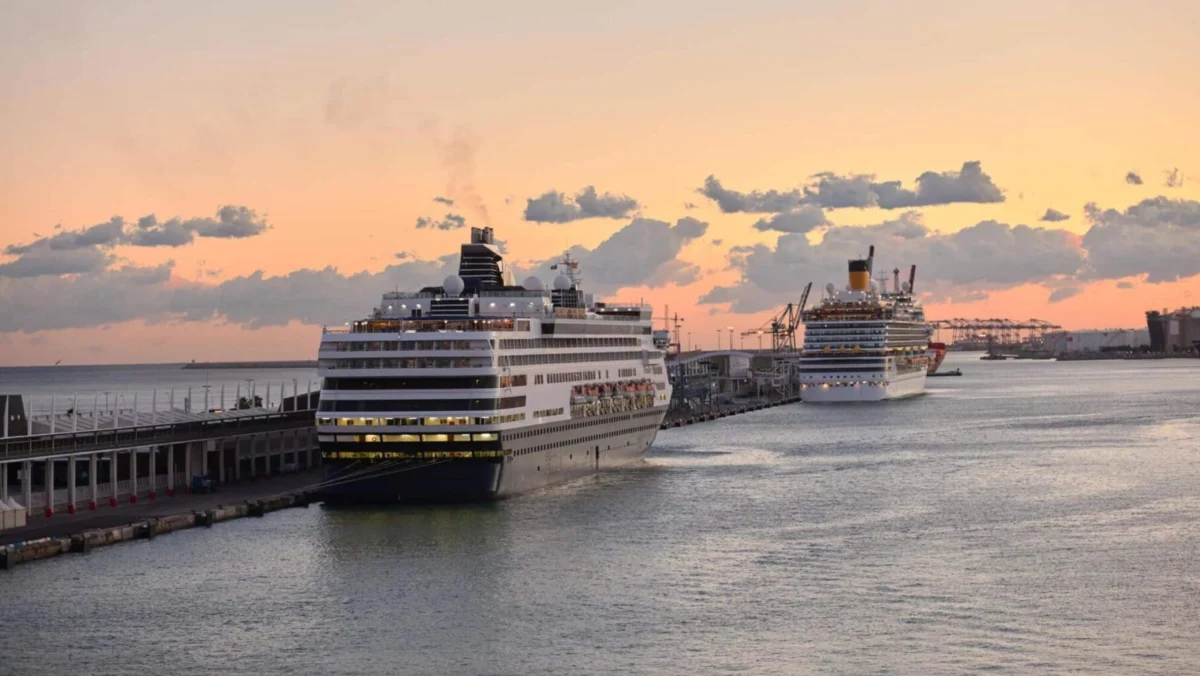
The arrival of the Legend of the Seas in Barcelona this week signifies far more than the deployment of another technologically advanced cruise vessel. For Royal Caribbean, it represents a critical test case: can the world’s largest and most innovative cruise ship successfully navigate and potentially shift perceptions in one of Europe’s most vocal cities against cruise tourism? Barcelona, a global emblem of overtourism, has become synonymous with public outcry, including images of protests targeting tourists, leading city authorities to implement stricter cruise policies, reduce terminal capacity, and repeatedly question the role of mega-ships in its urban future. In this charged atmosphere, Royal Caribbean’s decision to deploy its newest flagship, the Legend of the Seas, directly into this debate is a remarkably bold statement, with the entire industry watching the outcome with keen interest.
Europe’s First Icon Class Ship: A New Horizon for Cruising
The Legend of the Seas is the third vessel in Royal Caribbean’s groundbreaking Icon Class, but it holds the distinction of being the first designed for an inaugural season in Europe, rather than its traditional Caribbean home. Following a media preview voyage departing from Malaga, the ship has commenced its first passenger sailings, charting a course between Rome and Barcelona before its eventual repositioning to Florida later this year. Michael Bayley, President and CEO of Royal Caribbean, who has been actively present on board, has emphasized that Europe has always been an integral part of the Icon Class vision. When the Legend of the Seas was first announced, Bayley characterized it as "the next bold step" for the company, stating, "We look forward to bringing the revolutionary line-up of experiences to more families and adventurers across Europe, the Caribbean and beyond." He had previously indicated that an Icon Class ship sailing European waters was an inevitability, posing the question of whether Europe can embrace these mega-ships with the same enthusiasm seen in the American market. While their Caribbean deployments have consistently achieved record occupancy on short-haul voyages from Florida, the European market presents a distinct set of challenges and expectations.
Barcelona’s Complex Relationship with Cruise Tourism
Barcelona stands as a prime example of a city that reaps significant economic benefits from cruise tourism, with millions of visitors disembarking annually. These passengers contribute substantially to the local economy through expenditures in hotels, restaurants, transportation, museums, and retail sectors. The city also serves as a crucial homeport in Europe, generating thousands of jobs within the tourism industry. However, Barcelona has concurrently become one of the most vocal critics of mass tourism. Despite cruise ships accounting for a relatively small fraction of the city’s total visitor numbers, their immense visibility has made them a focal point for public discontent.
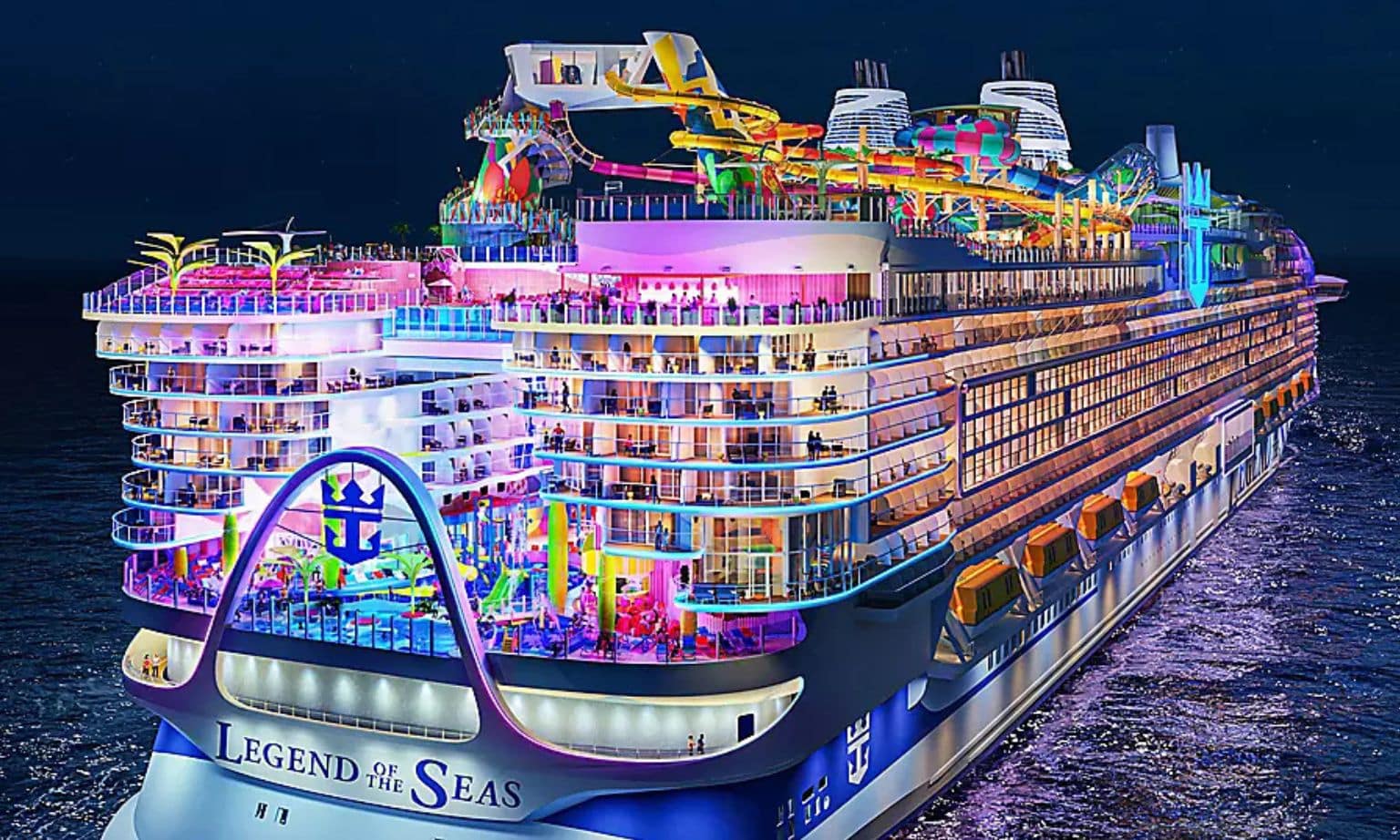
Successive city administrations have actively sought to curtail cruise growth, citing concerns that congestion, pollution, and housing pressures outweigh the economic advantages. Public demonstrations have become increasingly prominent, with anti-tourism activists notably employing symbolic actions, such as spraying tourists with water pistols, to protest the perceived negative impacts of overtourism. Against this backdrop, the arrival of a colossal 250,000-gross-ton floating resort, capable of carrying over 5,000 passengers, could be interpreted as provocative. Alternatively, it may represent a deliberate strategy by Royal Caribbean to engage with these concerns directly.
A New Generation of Mega-Ships: Environmental Advancements
Royal Caribbean asserts that the Legend of the Seas represents a significant departure from previous generations of cruise vessels. In line with its Icon Class sister ships, it is powered by liquefied natural gas (LNG). This propulsion system dramatically reduces sulfur emissions and significantly cuts down on particulate matter and nitrogen oxides. Furthermore, the ship is designed to transition to bio-LNG as supplies become more widely available. It also incorporates advanced waste management systems, is equipped for shore power connection where ports provide the infrastructure, and features energy-efficient hull and propulsion technologies.
Environmental advocates, while acknowledging these advancements, point to the potential issue of methane slip associated with LNG, sparking ongoing debate about its classification as a transitional fuel rather than a definitive solution. Nevertheless, it is widely recognized that the Icon Class vessels represent the most environmentally advanced large cruise ships currently in operation, a factor of considerable importance in a city where environmental considerations heavily influence the discourse on cruise tourism.
A notable demonstration of the ship’s engineering prowess occurred when it passed beneath Denmark’s Great Belt Bridge with a clearance of barely 30 centimeters. This maneuver, which captured significant attention and went viral, was achieved through the strategic use of retractable funnels, the addition of ballast water, and precise speed control to lower the ship’s effective height. This feat, while showcasing remarkable maritime engineering and an element of boastful pride, also highlights the evolving reality of cruise ship design, where vessels are increasing in size while simultaneously facing heightened scrutiny regarding environmental claims. The fundamental question remains: can the cruise industry continue to scale up while maintaining public and regulatory acceptance?

Economic Impact Beyond Passenger Numbers: Shifting the Paradigm
Royal Caribbean also presents an economic argument that the deployment of the Legend of the Seas does not necessarily translate to an increase in the total number of tourists. The company suggests that a single large vessel can replace multiple smaller ships, thereby delivering greater economic value per port call. The industry trend increasingly encourages passengers to extend their stays in destinations, arriving in advance of their cruise or remaining for a period afterward. This approach fosters longer hotel stays and broader tourism spending, moving beyond the model of solely delivering day visitors. Barcelona, with its rich cultural offerings and appeal, remains a highly attractive destination for pre- and post-cruise experiences. Consequently, the presence of the Legend of the Seas could potentially offer more substantial economic benefits to the city than the arrival of three medium-sized vessels.
Industry and Media Reactions: A Promising Start
Early reviews from cruise industry critics indicate that Royal Caribbean has once again set a new standard. Cruise Critic has described the Legend of the Seas as a refinement of an already highly successful formula, commending its family-friendly appeal, entertainment offerings, distinct "neighborhood" design, and extensive dining options. The publication also noted that the European deployment introduces the Icon Class experience to a novel demographic.
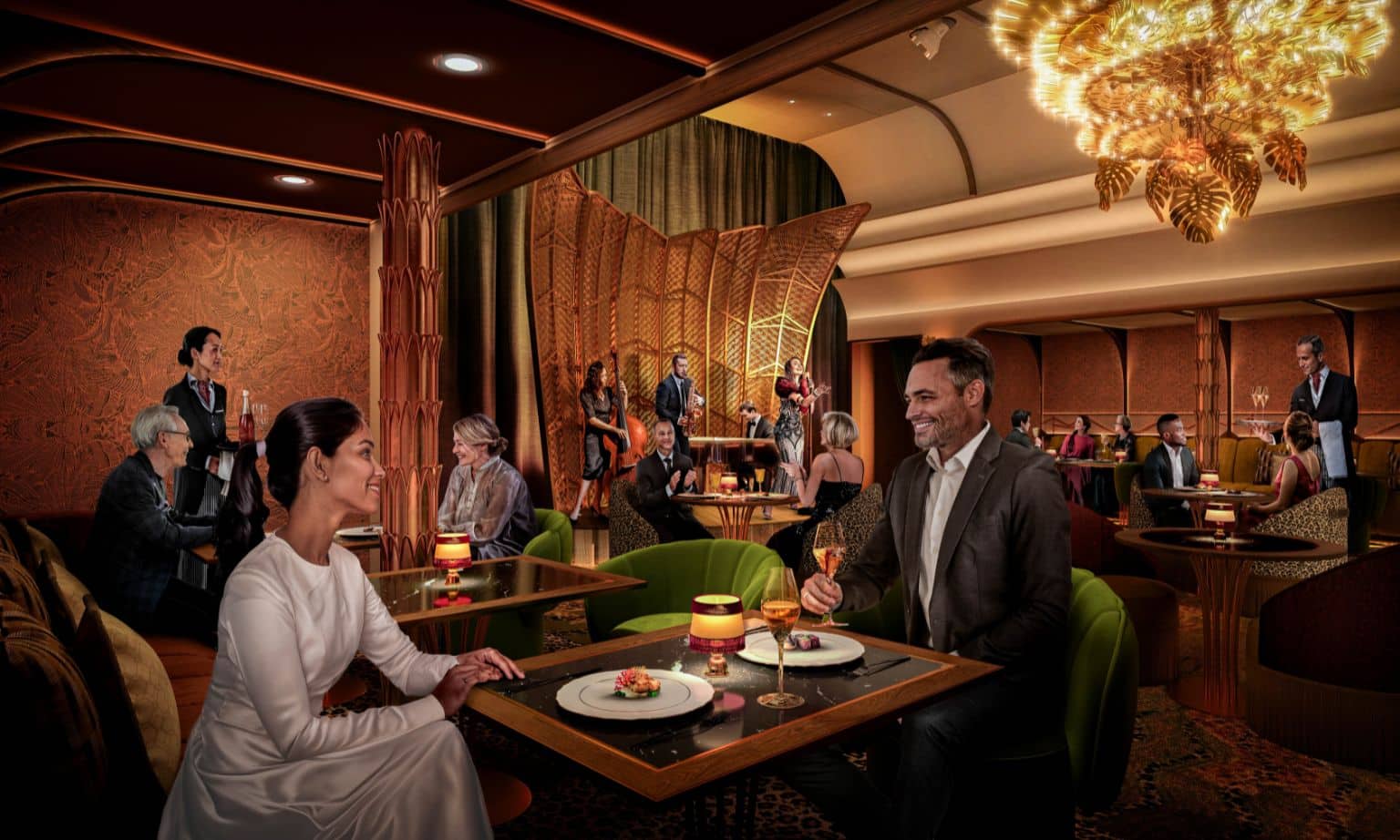
The Times, following its participation in the preview voyage, lauded the Legend of the Seas as "the world’s most technologically advanced ship." The newspaper highlighted its advanced propulsion systems, bio-LNG capabilities, enhanced entertainment, and an extraordinary array of attractions, including suspended pools and immersive dining experiences. While acknowledging that the ship’s high-energy atmosphere might not appeal to all tastes, the review concluded that it significantly pushes the boundaries of contemporary cruising. The Icon Class has already achieved substantial popularity in North America, with demand consistently surpassing expectations. Europe now represents the next crucial proving ground for this new era of cruise tourism.
The Critical Role of Optics and Public Perception
For Royal Caribbean, Barcelona presents a dual landscape of risk and opportunity. Should the Legend of the Seas become another symbol of overtourism, critics will undoubtedly leverage its immense scale as evidence that the cruise industry has failed to learn from past criticisms. However, if the ship demonstrably showcases cleaner technologies, adheres to responsible operational practices, and continues to attract passengers who engage meaningfully with the city, it could contribute to reshaping the ongoing debate.
The cruise industry has made substantial investments, totaling billions of dollars, in advancing cleaner propulsion systems, shore power compatibility, and more efficient environmental technologies. No vessel currently exemplifies these investments more effectively than the Legend of the Seas.
A Defining Summer for European Cruising
The current Mediterranean cruise season may well be characterized as one of the industry’s most closely observed experiments. Its significance is not solely tied to passenger volume or its status as the world’s largest ship. Instead, the focus is on the Legend of the Seas‘ ambitious attempt to achieve something few cruise ships have managed before: to change minds in a city that has become the global face of anti-cruise sentiment. Whether Barcelona embraces the Legend of the Seas or merely tolerates its presence could offer profound insights into the future trajectory of European cruising, and indeed, the broader evolution of the cruise industry itself.



 Anjar Salim
 Tatiana Tantri Indah Sari
 Budi Mulyono
 Lukman Taruna Persada Ramadan
