
 Chandra Hamzah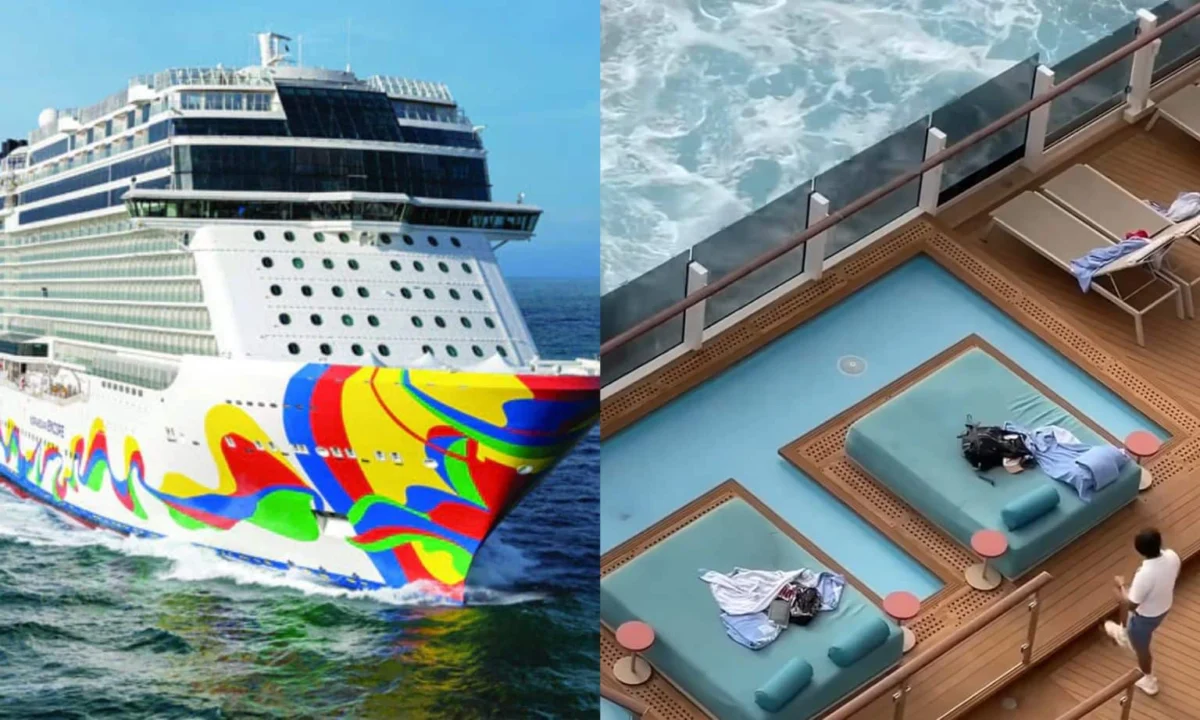
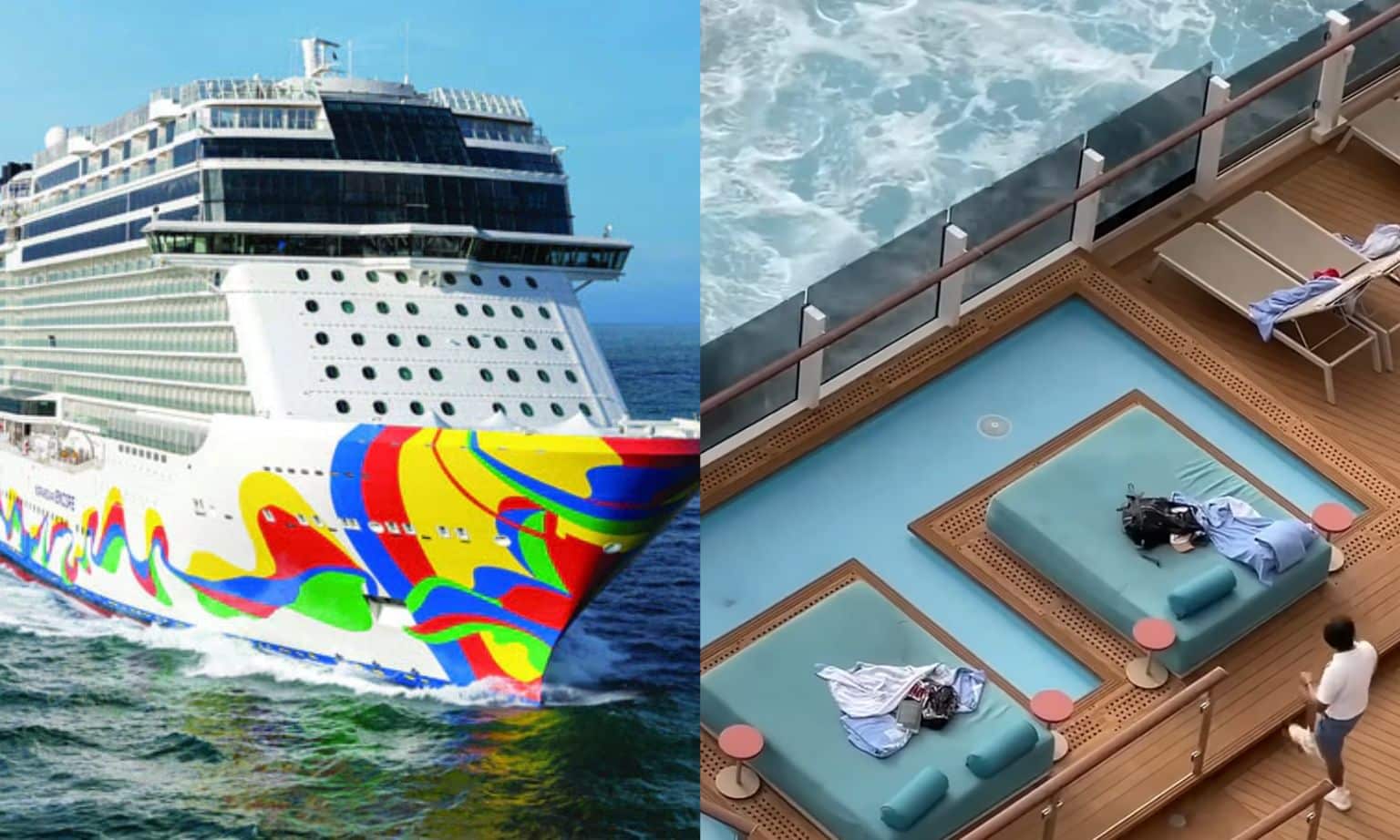
Norwegian Cruise Line (NCL) is garnering significant praise from passengers for its proactive and seemingly effective strategy to combat the perennial issue of "chair hogging" on its cruise ships. The cruise line has implemented a system where crew members place timestamped stickers on unoccupied sunbeds, a practice drawing comparisons to a parking ticket for a vehicle left unattended for too long. If a sunbed remains vacant for a predetermined period, the crew is authorized to remove personal belongings, thereby freeing up valuable space for other guests to enjoy. This innovative approach has been met with overwhelmingly positive reactions across social media and passenger forums, marking a potential turning point in resolving a long-standing source of frustration in the cruising community.
The Sticker System: A Practical Approach to a Common Cruise Grievance
The implemented policy involves NCL crew members diligently patrolling the pool decks and other outdoor areas of their vessels, affixing specially designed stickers to loungers. These stickers bear a timestamp, indicating the time of placement. The underlying principle is straightforward: a sunbed is considered reserved only when actively in use by a guest. If a guest leaves their belongings on a lounger and departs for an extended period, the sticker serves as a clear notification that the reservation may be forfeited.
While specific time limits can vary depending on the context—such as the particular ship, the overall occupancy level, and the time of day—passengers report that items are typically removed if a sunbed remains unoccupied for a duration ranging from 30 to 60 minutes. This measured approach aims to strike a balance between allowing guests reasonable time to use facilities and ensuring equitable access for all.
Videos circulating online showcase the crew’s systematic application of this policy, with staff members moving from chair to chair, affixing the timestamped stickers. One notable observation comes from the Instagram account "unrealcruises," which documented the enforcement of this rule on the Norwegian Viva. According to their report, crew members began placing stickers as early as 10:00 AM. If a marked lounger remained empty an hour later, the crew would then clear the items, making the space available for others. This level of visible enforcement has resonated positively with many passengers who have previously experienced the frustration of searching for available seating.
Historical Context and Evolution of NCL’s Policy
It is important to note that NCL’s approach to addressing chair hogging is not entirely new. The cruise line has, in some capacity, utilized stickers as a deterrent for years. Historically, these stickers served primarily as notices, reminding guests that reserving chairs for longer than 30 minutes was discouraged. However, the current iteration appears to represent a significant escalation in vigilance and enforcement. More passengers are reporting instances of crew members actively applying these stickers, suggesting a renewed commitment to addressing the issue.
The evolution from a simple reminder to a time-bound enforcement mechanism signifies a strategic shift. While the previous policy relied on passive reminders, the timestamped sticker system introduces a clear consequence for prolonged, unoccupied reservations. This move reflects an understanding that passive measures alone have been insufficient to curb the behavior, which can significantly diminish the quality of experience for many guests.
Passenger Reactions and Online Discourse
The introduction and visible enforcement of NCL’s sticker policy have sparked considerable discussion among cruise enthusiasts on platforms like Reddit. The overwhelming sentiment expressed by passengers is one of support and appreciation for the cruise line’s efforts.
One Reddit user, Sufficiente-Number-50, articulated a common viewpoint: "Me personally, I am all for this rule. It’s extremely inconsiderate to hog a chair/lounger all day long, with the intention of actually using it for a fraction of that time. If everyone used the chairs/loungers ONLY when they actually used them, and left them alone while not in use, we wouldn’t have a chair/lounger shortage problem." This sentiment highlights the core issue: the perceived unfairness of reserving prime spots for extended periods without active use, thereby impacting the enjoyment of other guests.
Slayerfan6793 corroborated the policy’s implementation, stating, "The last ship I was on in April, they put time stickers on the end of the lounger. I did see them clear off a few loungers." This firsthand account provides evidence of the policy being actively applied and enforced.
Similarly, tannergd1 shared their experience on the Norwegian Prima in April: "On the Prima in April, the crew would keep an eye on chairs with items but no people. After some time, they would mark those chairs with an orange sticker and write the time on it. After 30 minutes or so, if nobody had returned to the chair, the crew would collect their items to free up the chair(s)." This detailed observation underscores the systematic nature of the enforcement.
However, not all feedback has been uniformly positive, with some acknowledging the challenges in perfect enforcement. User stinky_harriet pointed out, "There are still chair hogs. NCL claims that they go around and flag empty loungers (empty of people, full of their stuff) and if nobody returns within a certain amount of time they remove the items. That is what they do in theory, but it takes crew members to do it and they stretch their crew thin so it doesn’t always happen." This perspective highlights the logistical challenges and the reliance on crew availability, suggesting that while the policy is sound, its effectiveness can be influenced by staffing levels and operational demands.
Another user drew a comparison to their experiences on Carnival Cruise Line, noting, "Haven’t sailed NCL but on Carnival they will remove items from saved chairs usually in about 30 minutes of no one using them. But haven’t seen that actually happen. Thing is last 3 cruises this year never once saw all the chairs taken, even in the adult Serenity section where usually it can be hard to find a lounger there were plenty every time." This comparison suggests that while other cruise lines may have similar policies on paper, the level of visible enforcement can vary significantly, and in some cases, the problem might be less acute due to overall capacity or guest behavior.
Broader Implications and Analysis
The proactive stance taken by Norwegian Cruise Line in addressing the sunbed reservation issue has significant implications for the cruise industry as a whole. For years, "chair hogging" has been a persistent complaint, detracting from the vacation experience for many. The effectiveness of NCL’s timestamped sticker system, if consistently applied, could set a new standard for passenger amenity management across the sector.
Supporting Data and Trends: While specific data on the prevalence of chair hogging across the industry is difficult to quantify precisely, anecdotal evidence and numerous online discussions consistently point to it as a major point of contention for cruise passengers. Surveys and informal polls conducted by cruise enthusiast websites often rank it among the top irritants. The sheer volume of social media content dedicated to this topic, including videos and complaints, underscores its widespread nature.
Analysis of Implications:
- Enhanced Passenger Satisfaction: By ensuring more equitable access to sunbeds, NCL is likely to see an improvement in overall passenger satisfaction. This can lead to positive word-of-mouth, increased loyalty, and a stronger brand reputation.
- Operational Efficiency: While the policy requires crew effort, it can ultimately lead to more efficient use of onboard resources. By freeing up loungers that would otherwise be monopolized, the cruise line maximizes the utility of its deck space.
- Industry Benchmark: If NCL’s policy proves successful, it could encourage other cruise lines to adopt similar, more rigorously enforced strategies. This could lead to a broader shift in how such issues are managed at sea.
- Potential for Innovation: The creativity in drawing parallels to tangible actions like ticketing parked cars demonstrates a willingness to think outside the box. This type of problem-solving is crucial for an industry that relies heavily on guest experience.
Challenges and Future Outlook:
Despite the positive reception, the success of the policy hinges on consistent and diligent enforcement by the crew. As noted by some passengers, crew shortages or competing priorities can undermine even the best-intentioned policies. Therefore, NCL’s ongoing commitment to staffing and training will be critical. Furthermore, the cruise line might consider exploring technological solutions in the future, such as apps that allow guests to temporarily reserve loungers for a limited time when they are physically present, or even sensor-based systems that could detect prolonged inactivity.
In conclusion, Norwegian Cruise Line’s implementation of timestamped stickers to combat chair hogging represents a significant and welcome development in cruise line customer service. The approach is practical, visible, and, most importantly, has garnered considerable approval from the very guests it aims to serve. As the policy continues to be rolled out and refined, its long-term impact on passenger satisfaction and industry standards will be closely watched. The cruise line’s proactive stance demonstrates a commitment to resolving a persistent issue, signaling a potential future where the battle for poolside real estate becomes a relic of the past.




 Anjar Salim
 Tatiana Tantri Indah Sari
 Budi Mulyono
 Lukman Taruna Persada Ramadan
