
 Anjar Salim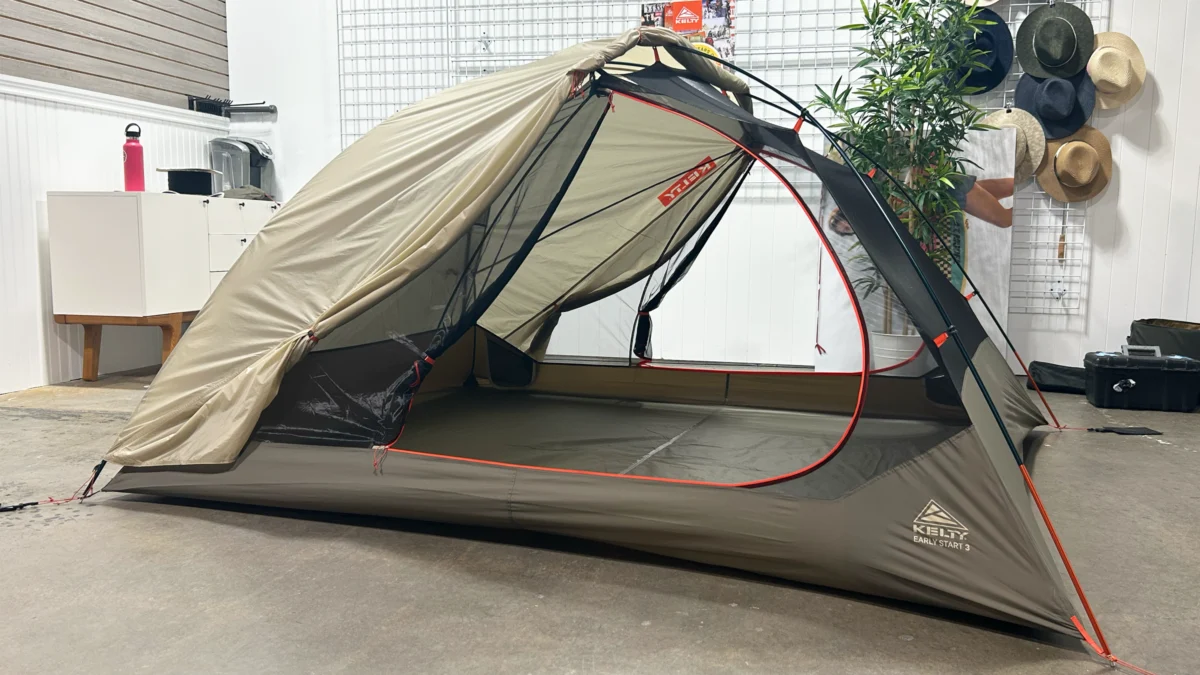
The outdoor industry’s annual transition from summer field testing to the unveiling of next-generation prototypes reached a critical milestone on July 22, 2026, at the OMA Media Show. This event, a cornerstone for gear analysts and retail buyers, provided an exclusive preview of the equipment slated for the 2027 consumer market. The prevailing theme of the exhibition was a push toward "extreme ultralight" capabilities, characterized by manufacturers moving beyond traditional weight-reduction methods through advanced materials science and streamlined engineering. From high-thermal-efficiency quilts to rain shells that address the post-PFAS regulatory landscape, the 2027 lineup signals a shift where lightweight gear is no longer a niche category but a primary focus for established heritage brands.
The Strategic Importance of the OMA Media Show
The OMA (Outdoor Media Association) show serves as a precursor to the primary retail cycle, allowing manufacturers to showcase finalized prototypes before they undergo the final phase of rigorous field testing. For the 2027 cycle, the industry is navigating a complex intersection of consumer demand for lower pack weights and increasingly stringent environmental regulations regarding chemical treatments. Analysts at the event noted that the prototypes displayed represent a "maturation" of ultralight philosophy—moving away from fragile, experimental materials toward durable, high-performance solutions that remain accessible to a broader range of backpackers.
The timeline for these products is structured to allow for media feedback and professional athlete testing throughout the remainder of 2026. This process ensures that the items designated as "Gear Guide Finalists" meet the durability standards required for multi-day backcountry use. As the industry looks toward the 2027 launch dates, several key products have emerged as benchmarks for innovation in their respective categories.
Hydration Systems: The HydraPak 42-MM Filter Cap Evolution
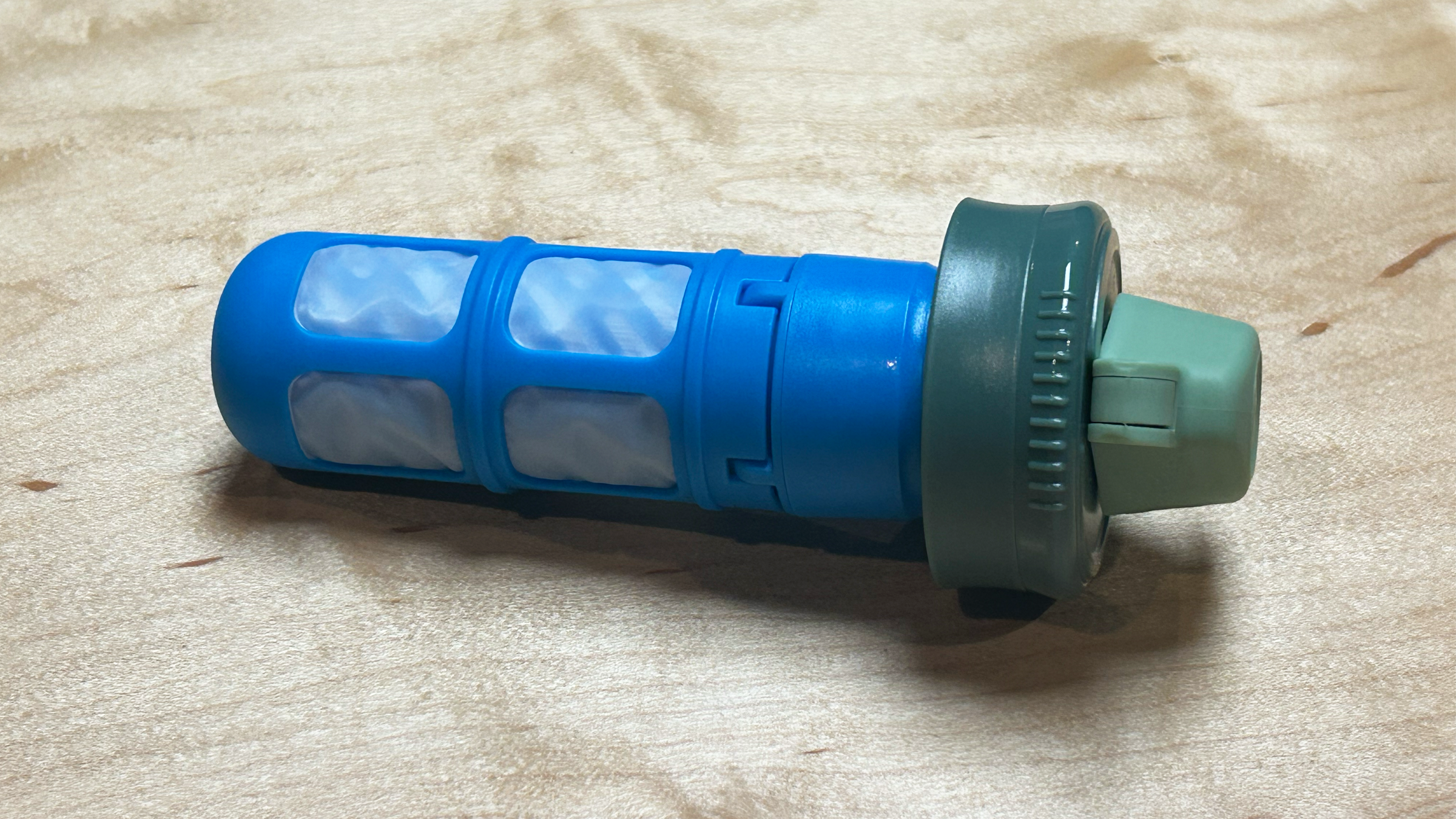
One of the most significant updates in the hydration category comes from HydraPak, which announced a comprehensive redesign of its 42-MM Filter Cap. Historically, the 42-MM has been recognized for its flow rate and ease of use, yet user feedback often cited the vulnerability of hollow-fiber filters to sediment and the logistical burden of backflushing in the field.
The 2027 iteration, priced at $28, addresses these concerns through a multi-stage filtration approach. The most notable addition is a clip-on mesh prefilter designed to intercept larger particles and organic debris before they reach the internal hollow-fiber membrane. This simple mechanical barrier is intended to extend the operational lifespan of the core filter, reducing the frequency of required maintenance. Furthermore, HydraPak has integrated a lightweight backflush adapter that interfaces directly with clean water bottles, eliminating the need for the bulky plastic syringes that have long been a staple of backcountry water treatment kits.
From a sustainability and economic perspective, HydraPak confirmed it will begin selling filter-only replacements starting in 2028. This move is expected to reduce plastic waste significantly, as users will no longer need to discard the entire cap assembly when the filter reaches the end of its life cycle. The initial launch in Spring 2027 will bundle the filter with the brand’s Seeker soft flasks, followed by the standalone retail release.
Shelter Innovations: Kelty’s Entry into Competitive Ultralight
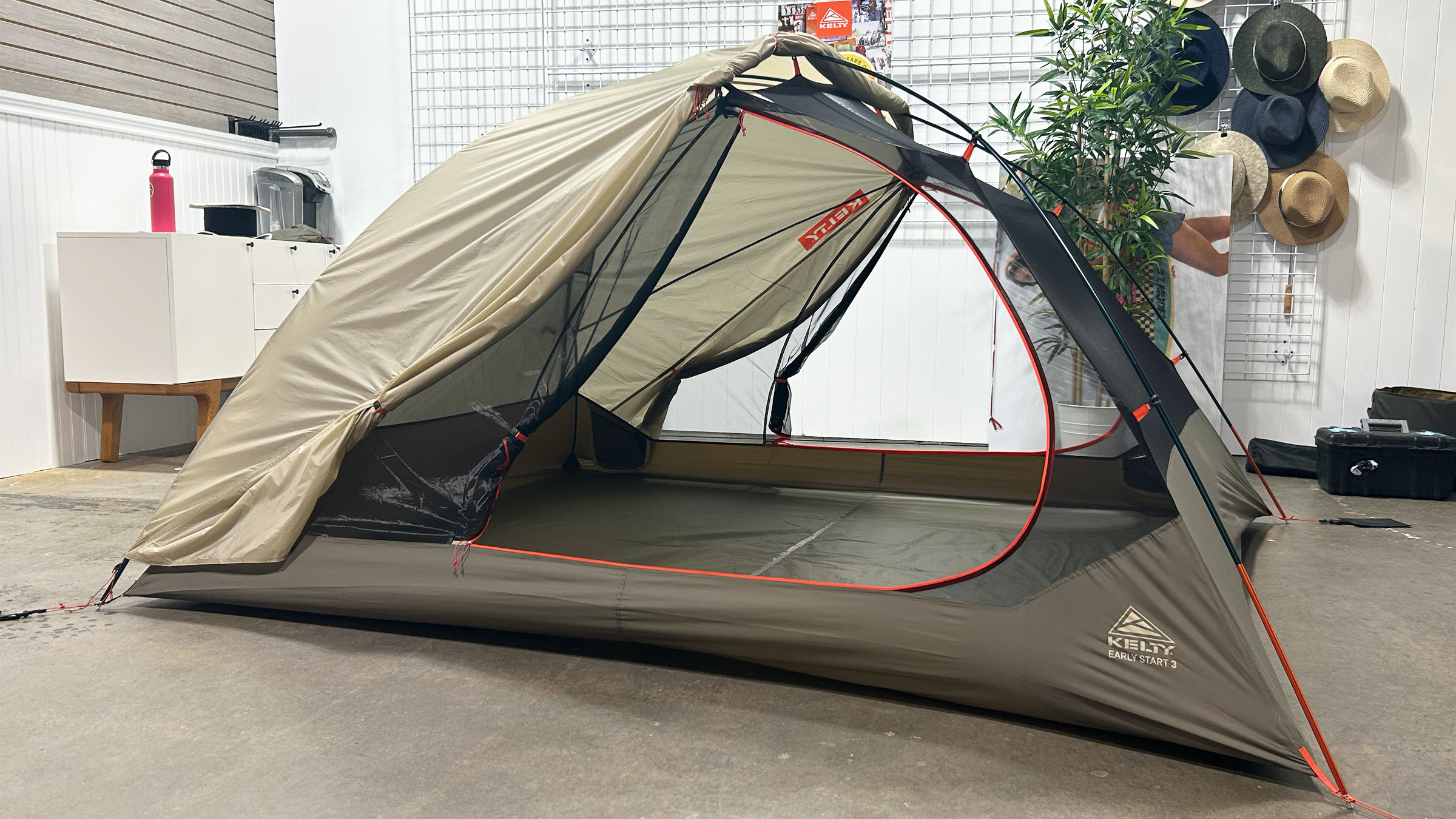
Kelty, a brand traditionally associated with entry-level, heavy-duty camping equipment, provided one of the show’s biggest surprises with the Early Start 2. This two-person backpacking tent is positioned to disrupt the "value" segment of the market, offering a trail weight of 2 pounds 10 ounces at a retail price of $280.
To put these figures into perspective, the Early Start 2 competes directly with high-end models such as the Big Agnes Copper Spur and NEMO Dragonfly, which often retail for over $500. Kelty has achieved this weight-to-cost ratio by optimizing the pole geometry and utilizing lightweight yet cost-effective fabrics. The tent features a shortened pole segment design specifically tailored for bikepacking rigs and compact storage.
Functionality has not been sacrificed for weight; the tent includes four lower mesh pockets and an overhead gear loft. A unique feature of the Early Start 2 is its "stargazing" rainfly, which can be partially rolled back from the inside, allowing occupants to react quickly to changing weather conditions without exiting the shelter. This product represents a strategic shift for Kelty as it seeks to capture a demographic of "fast and light" hikers who are also price-sensitive.
Thermal Management: The Science of the Rab Mythic Quilt 32F
In the category of sleep systems, Rab has pushed the limits of down insulation with the Mythic Quilt 32F. Rated for comfort down to 32 degrees Fahrenheit, the quilt weighs only 13.8 ounces, making it one of the lightest options ever produced for near-freezing temperatures.
The engineering behind this weight reduction involves a combination of 900-fill-power goose down and a specialized "twisted helix" baffle design. These baffles are engineered to prevent down migration more effectively than traditional horizontal chambers, ensuring consistent loft over the sleeper’s core. Additionally, the interior of the quilt features a TILT (Thermo Ionic Lining Technology) reflective lining, which reflects body heat back toward the user without the weight penalty of thicker insulation.
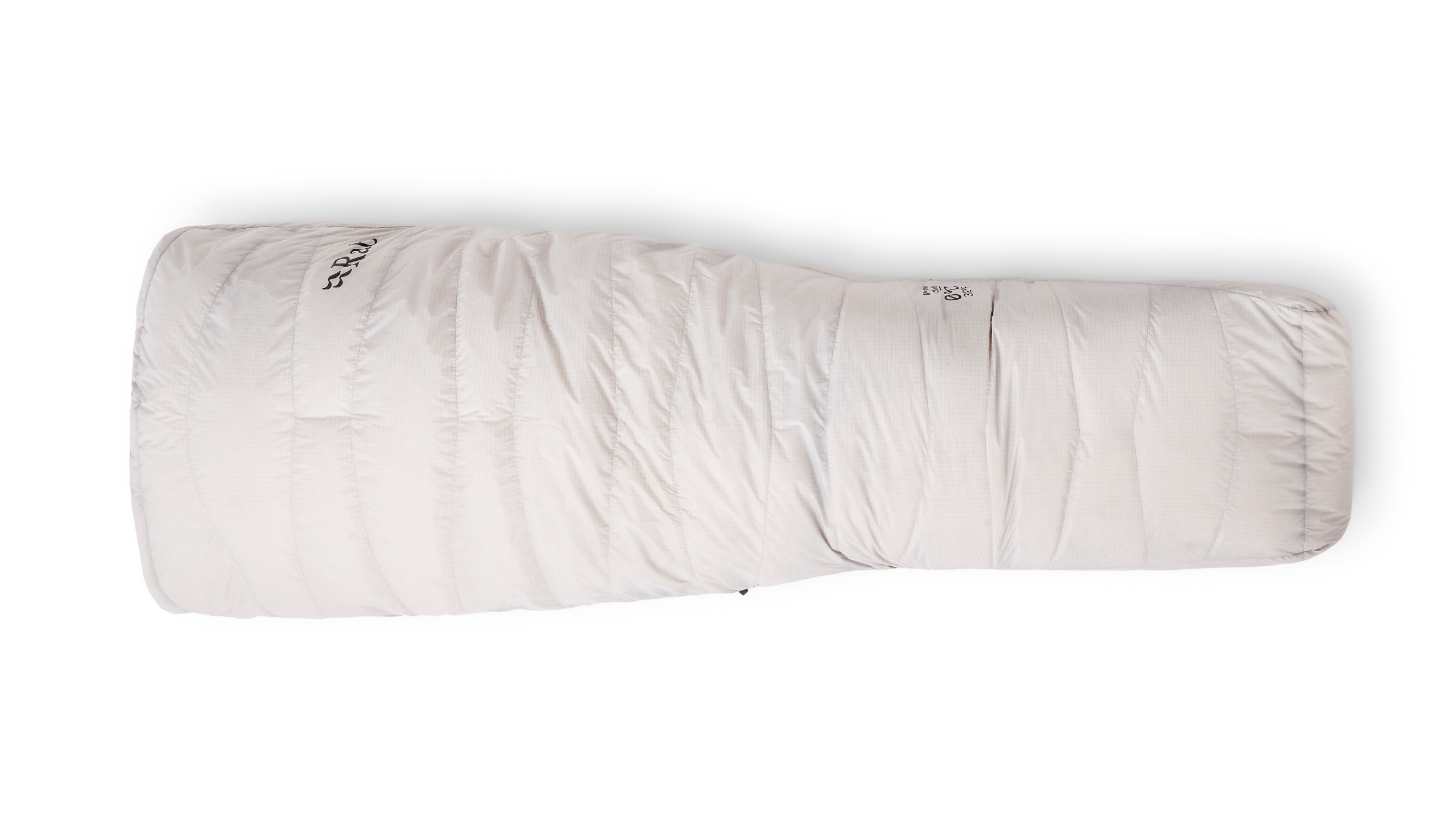
The Mythic Quilt includes a 3D-contoured footbox to minimize cold spots around the lower extremities and a comprehensive strap system for pad attachment. Industry experts suggest that the success of this quilt will depend on its real-world performance in humid conditions, where ultralight fabrics and high-loft down are traditionally most vulnerable.
Sleeping Pad Technology: Sea to Summit’s Ion Line
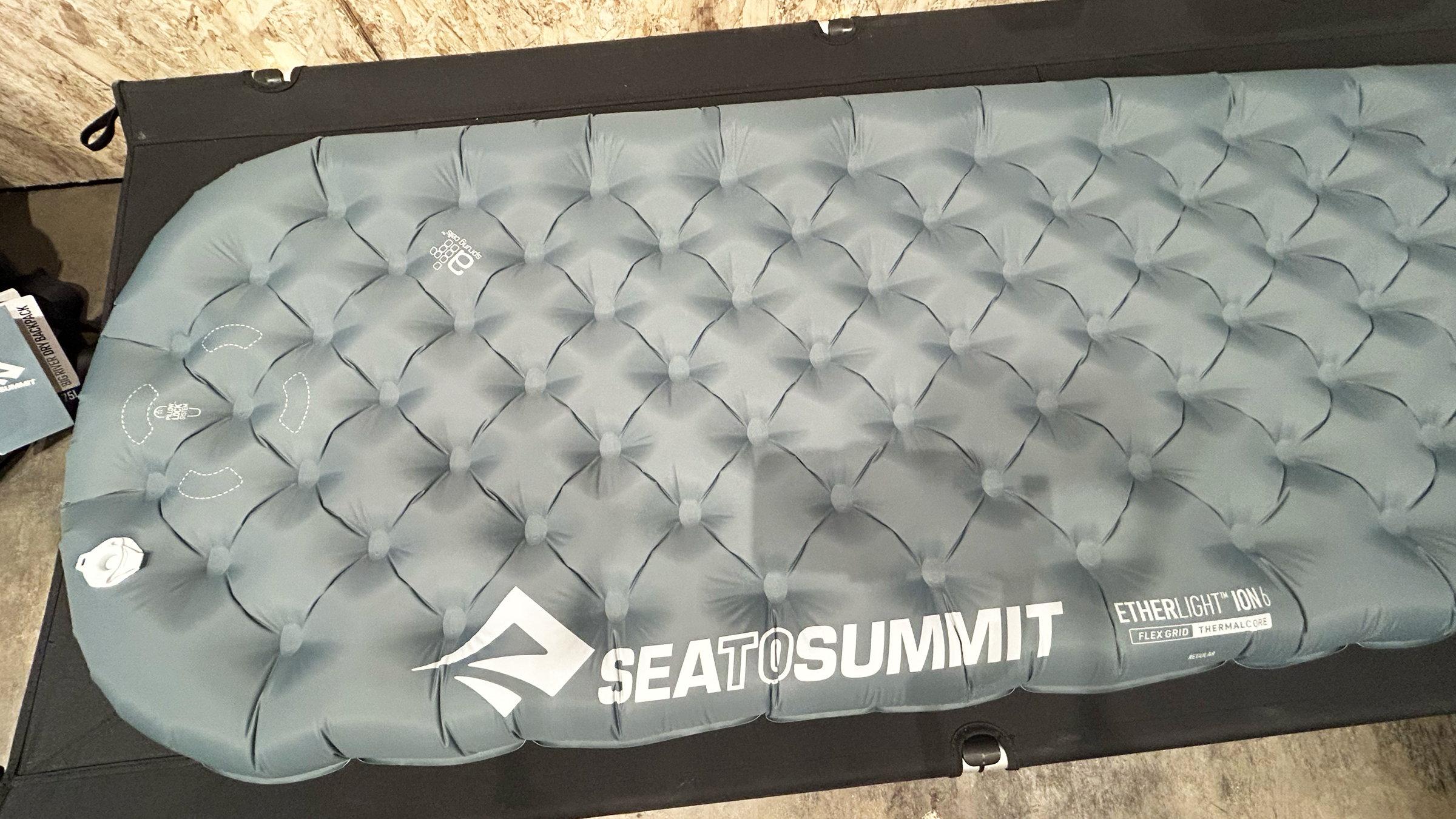
Sea to Summit has introduced the Ion Line, a successor to its XR Insulated series, to compete in the high-stakes weight-to-R-value race. The Ultralight Ion 5 provides an R-value of 5 while maintaining a weight of 11.5 ounces, placing it in direct competition with market leaders like Exped and Therm-a-Rest.
The technical breakthrough in the Ion line is a proprietary TPU "skeleton" construction. Rather than using a solid sheet of TPU (Thermoplastic Polyurethane) throughout the pad, Sea to Summit’s engineers applied the material only along the dot welds of the quilted baffles. This targeted application maintains structural integrity and air-tightness while stripping away unnecessary weight. The pads utilize 20-denier face fabrics, a reduction from previous iterations, reflecting a broader industry trend toward thinner, high-tenacity textiles. The Ion series also includes the Ether Light Ion 6 and 8, catering to four-season and alpine environments where higher thermal resistance is mandatory.
Waterproof Breathables: Norrona and the Post-PFAS Landscape
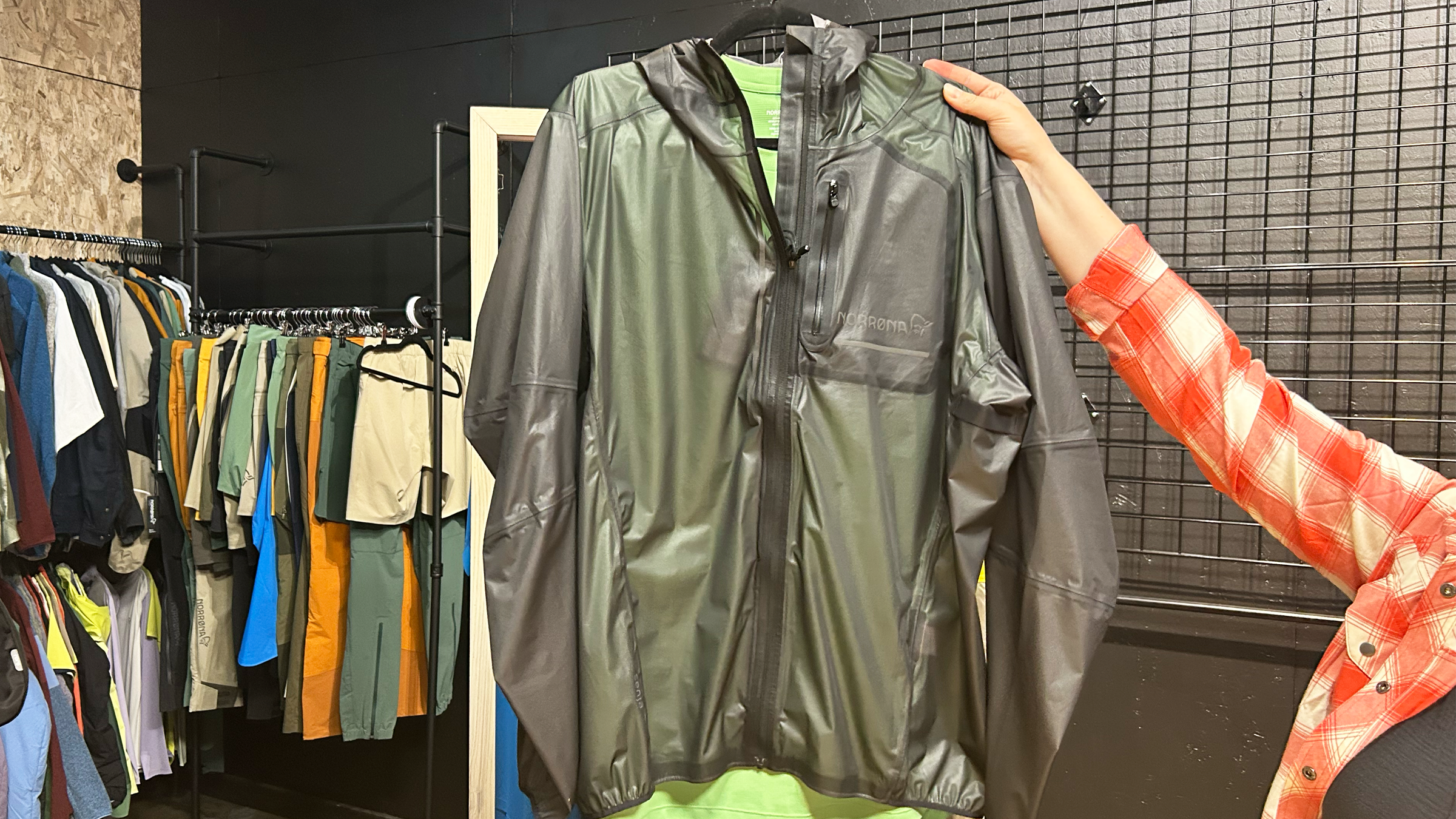
The rainwear market has been in a state of flux since the 2023 discontinuation of Gore-Tex ShakeDry, a technology that was phased out due to its reliance on per- and polyfluoroalkyl substances (PFAS). At the OMA show, Norrona unveiled the Senja Driflex 3 Lightweight Jacket, a product specifically designed to fill the void left by ShakeDry.
The Senja Driflex 3 is a three-layer jacket that achieves a waterproof/breathability rating of 20k/50k. The 50,000 g/m²/24h breathability rating is particularly notable, as it approaches the performance levels previously seen only in permanent-beading surfaces. The jacket weighs 5.6 ounces and features a 15-denier polyester face fabric paired with a 7-denier nylon backer. Unlike many ultralight shells that eliminate features to save weight, the Senja Driflex 3 includes integrated pit zips for mechanical venting. This jacket is positioned as a premier solution for high-output activities like trail running and fast-packing, where moisture management is as critical as water resistance.
Specialized Footwear: Lowa’s Paceterra Pro
Lowa’s Paceterra Pro represents a highly specialized approach to trail footwear. Weighing 7.3 ounces per shoe, it is currently the lightest trail runner on the market. The shoe’s design is "strobel-free," meaning the midsole is bonded directly to the upper to eliminate the weight of traditional stitching and lasting boards.
The Paceterra Pro utilizes a Matryx mesh upper—a material known for its high strength-to-weight ratio and breathability—and a Vibram MegaGrip Litebase outsole. The Litebase technology reduces outsole weight by 30% through a reduction in base thickness while maintaining the same lug performance. However, Lowa representatives were transparent about the shoe’s limitations: it is designed specifically as a "race day" shoe with an estimated lifespan of approximately 180 miles. This transparency addresses a growing concern in the trail community regarding the durability of "super shoes" and sets clear expectations for consumers.
Industry Implications and Market Outlook
The innovations presented at the 2026 OMA Media Show reflect an outdoor industry that is becoming increasingly data-driven. The shift toward lighter weights is being supported by more precise testing standards, such as the ASTM F3340-18 for sleeping pads, which allows consumers to make more accurate comparisons between brands.
Furthermore, the emphasis on modularity and repairability—as seen in the HydraPak filter replacements—suggests that brands are beginning to balance the "fast and light" ethos with environmental responsibility. As these products move from the showroom to the testing trails of the 2026/2027 winter and spring seasons, the industry will be watching closely to see if these technical achievements translate into reliable performance in the world’s most demanding environments. The 2027 season is poised to be a landmark year for backpackers, offering a level of efficiency and weight savings that was considered unattainable only a decade ago.




 Chandra Hamzah
 Tatiana Tantri Indah Sari
 Budi Mulyono
 Lukman Taruna Persada Ramadan