
 Budi Mulyono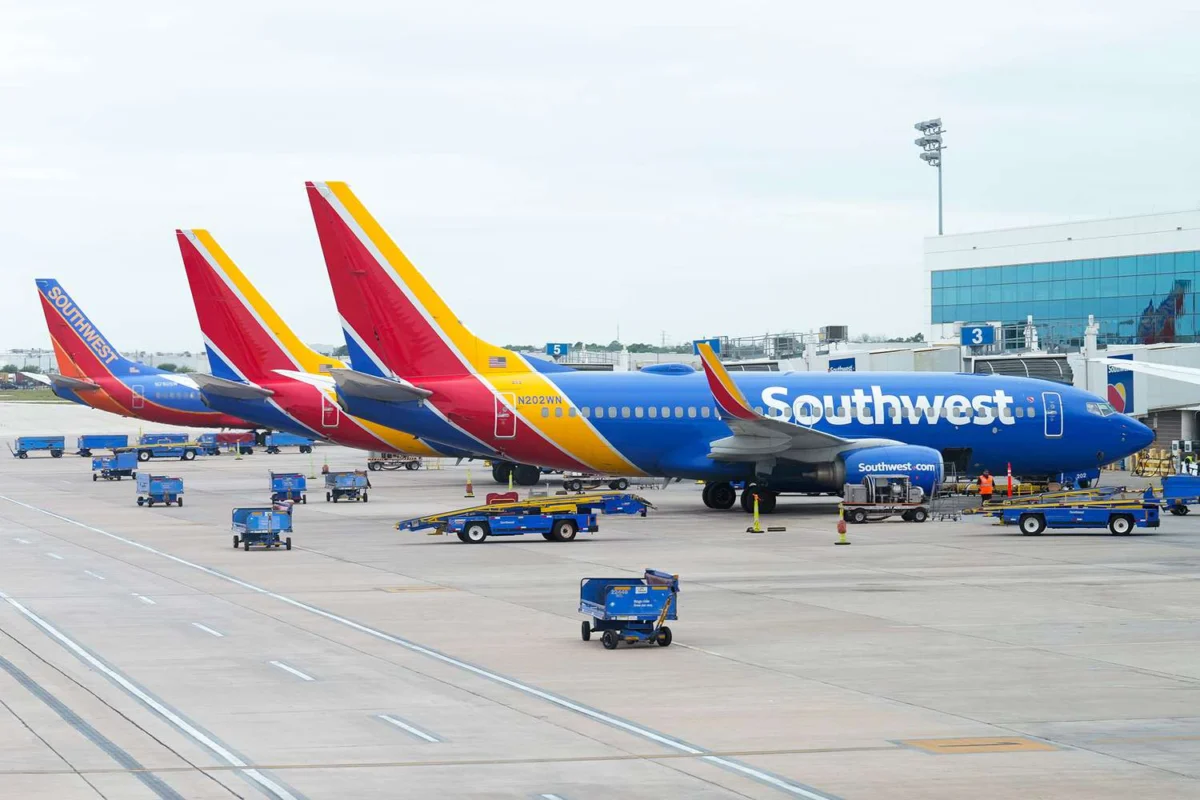
The detention of a Southwest Airlines flight attendant by U.S. Immigration and Customs Enforcement (ICE) at Nashville International Airport (BNA) has ignited a complex legal and public debate regarding the intersection of immigration enforcement, employment authorization, and the federal asylum process. Lorenzo Thompson, a citizen of Jamaica and a member of the Transport Workers Union (TWU) Local 556, was taken into custody on July 14, 2024, while on duty at the airport. According to official statements from ICE, the agency’s Enforcement and Removal Operations (ERO) division apprehended Thompson based on allegations that he had remained in the United States beyond the legal limits of his visa.
The case has drawn significant attention from labor advocates and immigration rights groups, as it highlights the precarious nature of non-citizens working in highly regulated industries while navigating the backlogged U.S. immigration system. While ICE maintains that Thompson is in violation of federal law, his supporters and legal representatives argue that he was in the process of rectifying his status and possessed valid authorization to work in the country.
The Circumstances of the Detention
According to a spokesperson for ICE, Lorenzo Thompson entered the United States on April 17, 2021, under a non-immigrant visa. This visa was reportedly valid for a period of six months, carrying an expiration date of October 16, 2021. ICE alleges that Thompson failed to depart the country or obtain a legal extension of his stay following that date, rendering him unlawfully present in the United States.
The arrest occurred at Nashville International Airport, a major hub for Southwest Airlines operations. ICE officials stated that the detention was carried out "without incident." However, the timing and location of the arrest—while Thompson was in uniform and performing his duties as a flight attendant—have sparked criticism from his union and supporters, who view the move as an aggressive enforcement tactic against an individual with no criminal record.
Conflicting Narratives on Legal Status
The central conflict in the case of Lorenzo Thompson lies in the interpretation of his current legal standing. While ICE focuses on the expiration of his original entry visa, supporters point toward a pending asylum application and a valid Employment Authorization Document (EAD).
A GoFundMe campaign established by Thompson’s associates, which has gained significant traction, asserts that Thompson has been diligently following the legal pathways available to him. According to the campaign, Thompson has a pending asylum case and has been granted a work permit by U.S. Citizenship and Immigration Services (USCIS). In the U.S. immigration system, it is a common occurrence for individuals to have an expired underlying visa (such as a B1/B2 visitor visa) while simultaneously holding a legal right to remain and work in the country while an asylum application (Form I-589) is being adjudicated.
The Labor Council for Latin American Advancement (LCLAA) has also intervened, releasing statements that echo the claim that Thompson was actively pursuing permanent legal status. The organization emphasized that Thompson has no criminal history and has demonstrated a commitment to becoming a productive member of American society through his employment with a major national carrier.
The Legal Framework: Asylum and Employment Authorization
To understand the complexities of this case, one must look at the specific federal regulations governing asylum seekers. Under U.S. law, an individual who has applied for asylum is eligible to apply for employment authorization if their application has been pending for a certain number of days (currently 180 days under most circumstances). Once an EAD is issued, the individual is legally permitted to work for any U.S. employer.
However, an EAD does not inherently grant a "lawful status" in the same way a green card or a valid visa does; rather, it provides a "period of authorized stay." This distinction often creates a legal gray area where ICE may still consider an individual removable based on an original visa overstay, even if USCIS has granted them the right to work. This friction between different branches of the Department of Homeland Security (DHS)—ICE (enforcement) and USCIS (benefits)—is at the heart of many modern immigration disputes.
For a flight attendant at a major airline like Southwest, the hiring process involves rigorous background checks. Airlines are required by the Federal Aviation Administration (FAA) and the Transportation Security Administration (TSA) to verify the identity and work eligibility of all employees. This is typically done through the E-Verify system. If Thompson was employed as a flight attendant, it indicates that he successfully passed these federal screenings, further supporting the claim that he possessed valid work documentation at the time of his hire and throughout his employment.
Chronology of Events
The timeline of Lorenzo Thompson’s residency in the United States provides a clearer picture of the administrative hurdles involved:
- April 17, 2021: Thompson enters the U.S. on a six-month non-immigrant visa.
- October 16, 2021: The original visa expires.
- Late 2021 – Early 2024: Thompson allegedly files for asylum and receives a work permit. During this period, he is hired by Southwest Airlines and joins TWU Local 556.
- July 14, 2024: ICE agents detain Thompson at Nashville International Airport during a work shift.
- July 15, 2024 – Present: Thompson remains in ICE custody. A GoFundMe campaign is launched to cover legal fees, and labor unions begin a public advocacy campaign for his release.
Union and Advocacy Responses
The detention has mobilized TWU Local 556, the union representing more than 21,000 Southwest Airlines flight attendants. In a social media post and subsequent communications, the union confirmed that one of its members had been detained while on the job and expressed concern over the incident. Labor unions in the aviation sector are traditionally protective of their members’ rights, particularly regarding workplace safety and the integrity of the job environment.
The LCLAA, which advocates for the rights of Latino and immigrant workers, argued that the detention of a worker with a pending legal case undermines the trust between immigrant communities and federal authorities. "Lorenzo was doing everything right—working a demanding job, paying taxes, and following the legal process for asylum," a representative noted in a public appeal.
Labor experts suggest that this case could set a precedent for how ICE interacts with "essential workers" in the transportation sector who are in the midst of immigration proceedings. The optics of detaining a uniformed airline employee in a public terminal have also been noted by industry analysts as a significant escalation in enforcement visibility.
The Broader Context of Visa Overstays and Asylum Backlogs
Thompson’s case is reflective of a much larger trend within the United States. According to the Department of Homeland Security’s "Fiscal Year 2023 Entry/Exit Overstay Report," hundreds of thousands of individuals remain in the U.S. after their visas expire each year. While many depart shortly after, a significant portion remains to seek alternative legal status, often through the asylum system.
The U.S. immigration court system is currently facing an unprecedented backlog. As of mid-2024, there are over 3.5 million cases pending in immigration courts across the country. For an asylum seeker like Thompson, the wait for a final hearing can take anywhere from three to seven years. During this period, the applicant is in a state of legal limbo—authorized to work but technically "out of status" regarding their original entry.
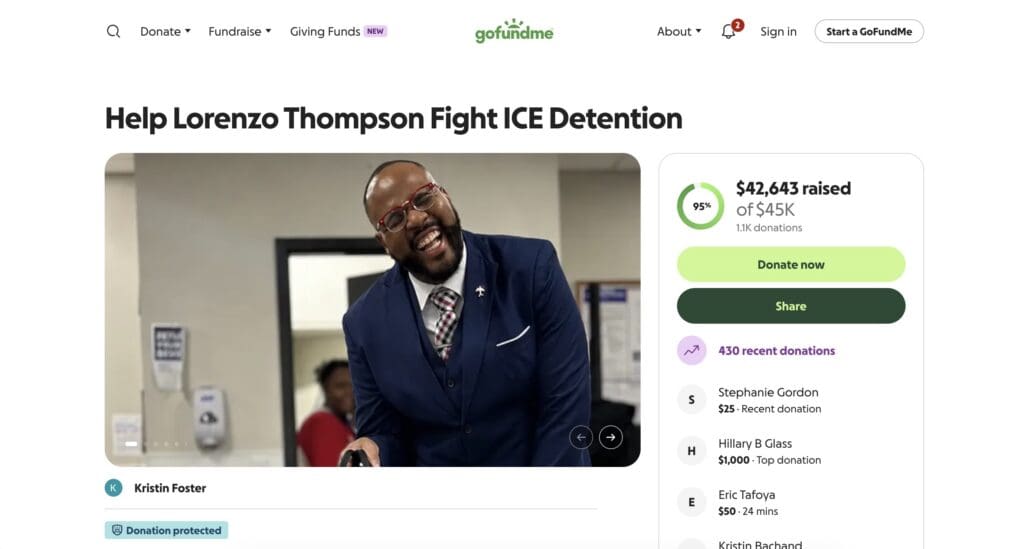
Data from the Executive Office for Immigration Review (EOIR) shows that Jamaican nationals represent a smaller but consistent portion of asylum seekers. The complexity of proving "credible fear" or persecution required for asylum means that these cases require extensive legal representation, which is the primary goal of the fundraising efforts currently underway for Thompson.
Aviation Security and Background Checks
The fact that an individual under ICE scrutiny was working as a flight attendant raises questions regarding aviation security protocols. However, aviation security experts point out that the TSA’s Security Identification Display Area (SIDA) badge requirements and the FAA’s background checks are primarily focused on criminal history and "threat assessments" rather than administrative immigration status.
As long as a worker provides a valid Social Security number and a USCIS-issued work authorization card, they generally pass the "Right to Work" portion of the background check. Thompson’s ability to work for Southwest Airlines suggests that he met all safety and security requirements mandated by the federal government. His detention, therefore, appears to be an administrative immigration enforcement action rather than a security-related intervention.
ICE Enforcement Protocols and Voluntary Departure Programs
In its public statement regarding Thompson’s detention, ICE also took the opportunity to highlight its "self-deportation" or voluntary departure programs. The agency noted that it continues to encourage individuals who are in the country without lawful status to voluntarily depart. These programs sometimes offer eligible participants a complimentary flight to their home country and limited financial assistance to aid in reintegration.
Critics of this program argue that for asylum seekers, "voluntary departure" is not a viable option, as it would mean returning to the very conditions of danger or persecution they fled. For Thompson, his supporters argue that his commitment to his career and his lack of a criminal record should make him a candidate for prosecutorial discretion—a policy where ICE prioritizes the removal of individuals who pose a threat to national security or public safety over those who are otherwise law-abiding.
Potential Implications and Future Outlook
The outcome of Lorenzo Thompson’s case remains uncertain as it moves through the federal legal system. There are several possible paths forward:
- Bond and Release: Thompson’s legal team may successfully argue for his release on bond while his asylum case proceeds. This would allow him to return to work, provided Southwest Airlines maintains his employment.
- Expedited Removal: If ICE proceeds with removal based on the visa overstay, Thompson could face deportation before his asylum claim is fully heard, though this is often challenged through "stay of removal" motions.
- Adjudication of Asylum: If Thompson’s asylum case is fast-tracked and granted, he would be eligible for a green card, effectively ending the threat of deportation.
The case serves as a poignant example of the "checks and balances" currently being tested within the American immigration and labor systems. It highlights the vulnerability of the immigrant workforce, even those in highly visible, unionized roles. As the GoFundMe campaign nears its financial goals and legal challenges are filed, the aviation industry and immigration advocates alike will be watching closely to see how the Department of Homeland Security balances enforcement mandates with the rights of individuals seeking legal protection under U.S. law.
For now, Thompson remains in custody, and his situation continues to be a rallying point for those calling for comprehensive immigration reform that addresses the gap between work authorization and permanent legal residency. The incident at Nashville International Airport is not just a local news story but a reflection of the systemic friction defining the modern American experience for thousands of documented and semi-documented workers.




 Anjar Salim
 Chandra Hamzah
 Tatiana Tantri Indah Sari
 Lukman Taruna Persada Ramadan
