
 Walid Sujud Trenggono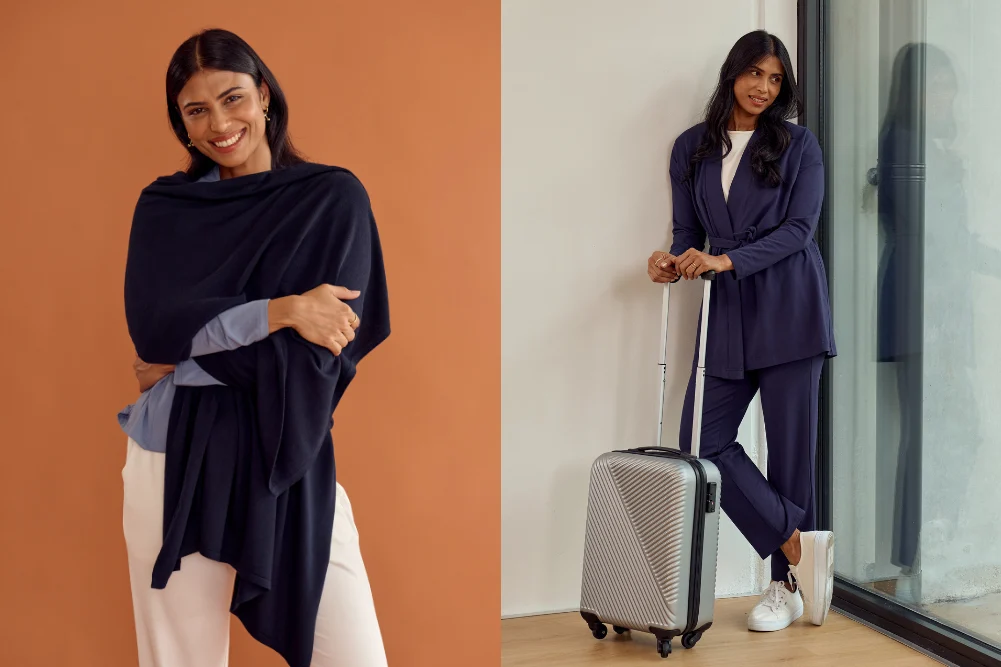
The modern travel experience is increasingly defined by a paradox: while aviation technology has made the world more accessible than ever, the physical toll of long-haul transit remains a significant hurdle for global passengers. As international travel volumes return to and exceed pre-pandemic levels, a growing segment of the textile industry is pivoting toward specialized apparel designed to mitigate the physiological stresses of flight. Central to this movement is the Australian brand Bamboo Body, which has spent nearly two decades refining the use of bamboo-based textiles to solve the perennial problem of "travel fatigue." The shift from aesthetic-focused travel wear to functional, sustainable attire represents a broader evolution in consumer behavior, where comfort and wellness are prioritized alongside environmental responsibility.
The Historical Trajectory of Travel Attire
To understand the current emphasis on functional travel wear, one must look at the historical transition of passenger fashion. During the mid-20th century, often referred to as the "Golden Age of Flight," air travel was an exclusive luxury. Passengers frequently donned formal attire—suits, ties, and dresses—to match the prestige of the occasion. However, as the 1970s and 1980s ushered in the democratization of air travel, the focus shifted toward casualization. By the late 1990s and early 2000s, the "athleisure" movement began to take hold, though it often relied on synthetic fibers like polyester and nylon, which lacked breathability and contributed to environmental degradation.
In the current era, the "slow fashion" movement and the rise of eco-conscious consumerism have created a demand for materials that are both high-performing and sustainable. Bamboo Body, founded in 2005, emerged at the forefront of this shift. By focusing on bamboo—a crop that requires no pesticides and significantly less water than cotton—the brand addressed a gap in the market for clothing that could handle the rigorous demands of 14-hour international flights while maintaining a polished aesthetic.
Physiological Challenges of the Cabin Environment
The necessity for specialized travel clothing is rooted in the unique physiological challenges of the aircraft cabin. Modern commercial jets typically cruise at altitudes between 30,000 and 40,000 feet, with cabin pressure maintained at an equivalent of 6,000 to 8,000 feet above sea level. This environment presents several stressors:
- Humidity Levels: In-flight humidity often drops below 20%, significantly lower than the 40-70% found in typical indoor environments. This leads to rapid dehydration of the skin and mucous membranes.
- Temperature Fluctuation: Cabin temperatures are notoriously inconsistent. While the aircraft may be warm during boarding due to ground operations, the temperature often drops sharply once at cruising altitude to counteract the heat generated by avionics and a full load of passengers.
- Circulatory Constraints: Prolonged sitting in cramped quarters increases the risk of edema (swelling) in the lower extremities and, in extreme cases, deep vein thrombosis (DVT).
Bamboo textiles offer a scientific solution to these variables. The microscopic structure of bamboo fibers is highly absorbent, allowing for superior moisture-wicking compared to traditional cotton. Furthermore, bamboo is naturally thermo-regulating; it contains cross-sections filled with micro-gaps that provide ventilation, keeping the wearer cool in warm terminals and warm in cold cabins.
Strategic Layering and the "Travel Set" Concept
Industry analysts note that the "Travel Set"—a coordinated ensemble of matching tops and bottoms—has become a cornerstone of the modern traveler’s wardrobe. This is not merely a stylistic choice but a strategic one. Bamboo Body’s approach to travel sets emphasizes stretchy waistbands and relaxed silhouettes, which accommodate the natural bloating that occurs due to changes in air pressure.
"The goal is to take the guesswork out of the transit process," says a spokesperson for the brand’s design team. "When a passenger is navigating security, customs, and tight connections, cognitive load is high. A pre-coordinated set in a breathable fabric reduces decision fatigue and ensures that the passenger remains comfortable regardless of the duration of the journey."
Beyond the base set, the "Travel Wrap" has emerged as a critical accessory. Often crafted from a blend of bamboo and recycled cashmere, these wraps serve a dual purpose as a stylistic scarf and a functional blanket. This modular approach to dressing allows travelers to adapt to the "micro-climates" of travel—from the sun-drenched car park to the air-conditioned terminal and the frigid airplane cabin.
Supporting Data: The Growth of Sustainable Travel Apparel
The market for sustainable apparel is experiencing a period of unprecedented growth. According to a 2023 report by Grand View Research, the global bamboo fabric market is expected to expand at a compound annual growth rate (CAGR) of 6.1% through 2030. This growth is driven by increasing awareness of the environmental impact of the textile industry, which is responsible for approximately 10% of global carbon emissions.
Furthermore, a survey conducted by Expedia in 2024 revealed that 43% of travelers now prioritize "wellness and comfort" as their top consideration when planning a trip, a 15% increase from five years ago. This shift in priorities has direct implications for the retail sector, as consumers move away from "fast fashion" and toward durable, multi-purpose pieces that can survive the rigors of frequent travel.
The Role of Small Details: Circulation and Extremities
While much attention is paid to primary garments, the role of accessories like socks is often overlooked. However, from a medical and comfort perspective, they are vital. During long flights, blood can pool in the feet, leading to discomfort and stiffness. Bamboo-based socks have become a preferred choice for frequent flyers due to their softness and antimicrobial properties. Unlike synthetic socks, which can trap moisture and odors, bamboo fibers are naturally resistant to bacteria, ensuring that passengers arrive at their destination feeling hygienic and refreshed.
The integration of recycled cashmere into travel wraps also highlights a broader trend toward "circular fashion." By blending bamboo with recycled animal fibers, brands can offer the luxury of high-end textiles while reducing the demand for virgin resources. This hybrid approach provides the warmth necessary for red-eye flights without the bulk associated with traditional wool garments.
Broader Implications for the Travel Industry
The rise of specialized travel apparel is symptomatic of a larger trend: the "wellness-centric" journey. Airlines and travel brands are increasingly recognizing that the passenger experience does not begin and end at the aircraft door. It begins with the preparation phase and ends with the passenger’s ability to function at their destination.
For business travelers, the "bleisure" trend—combining business and leisure travel—demands a wardrobe that is versatile enough for a boardroom but comfortable enough for a long-haul flight. Bamboo Body’s designs reflect this need for "transition wear," pieces that look professional under a blazer but feel like loungewear.
From an environmental standpoint, the move toward bamboo is a significant step toward reducing the travel industry’s footprint. As the aviation industry struggles to decarbonize its fuel sources, the shift toward sustainable cabin products and passenger apparel offers a more immediate, albeit smaller, path toward sustainability. Bamboo is a carbon-sequestering powerhouse, releasing 35% more oxygen into the atmosphere than an equivalent stand of trees.
Conclusion: The Future of Transit Comfort
As we look toward the future of global mobility, the importance of the "travel outfit" will only continue to grow. With the advent of ultra-long-haul flights—such as Qantas’s "Project Sunrise," which will see non-stop flights from Sydney to London and New York—the physical demands on passengers will reach new heights. In such a landscape, clothing is no longer just about fashion; it is a critical component of the traveler’s "kit," essential for maintaining health, morale, and comfort.
Brands like Bamboo Body have demonstrated that the secret to arriving refreshed is a combination of material science and thoughtful design. By prioritizing soft, breathable, and temperature-regulating fabrics, travelers can reclaim a sense of agency over their environment. In an age of unpredictable travel delays and crowded terminals, the right outfit serves as a personal sanctuary—a portable environment that ensures the journey is as rewarding as the destination itself.
For the modern traveler, the investment in high-quality, sustainable travel wear is an investment in the trip itself. As the industry continues to innovate, the boundary between "activewear," "professional wear," and "travel wear" will continue to blur, leading to a more streamlined, comfortable, and conscious way of moving through the world.



 Chandra Hamzah
 Tatiana Tantri Indah Sari
 Budi Mulyono
 Anjar Salim

