
 Walid Sujud Trenggono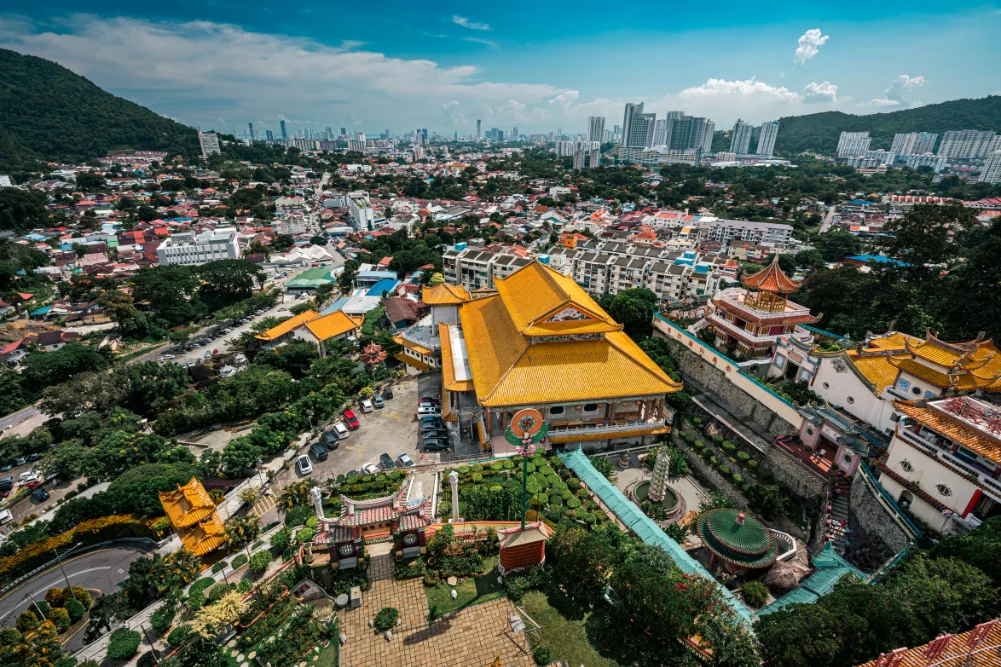
In the multicultural tapestry of Malaysia, few destinations hold a culinary reputation quite as formidable as Penang. Locally, food is not merely sustenance; it is a cultural anchor, a social lubricant, and a daily obsession that dictates the rhythm of life. For travelers navigating this island state, the gastronomic landscape is traditionally celebrated for its hawker-style stir-fries, aromatic laksas, and night-market seafood arrays. Yet, beneath the surface of this carnivorous renown lies an unexpected, deeply rooted culinary subculture: a flourishing plant-based paradise where plant-based dining is not a modern dietary trend, but a historical institution.
For the uninitiated traveler arriving with empty stomachs and strict dietary parameters, Penang’s gastronomic ecosystem offers a seamless transition. Thanks to a profound heritage rooted in Chinese Mahayana Buddhism, the island presents an eccentric and deeply compassionate culinary landscape. Here, plant-based cuisine—often historically referred to as temple food or su zhai—has been normalized for centuries. Designed originally for sixth-century monks seeking spiritual and physical purity, this ancient philosophy of eating has steadily transcended monastery walls, spilling out into bustling street stalls, modest neighborhood cafes, and Michelin-recommended alleyway hawkers.
The Historical Evolution of Plant-Based Dining in Penang
To understand the ubiquity of plant-based cuisine in Penang, one must examine the island’s layered demographic history. Situated strategically along ancient maritime trade routes, Penang evolved into a melting pot of Malay, Chinese, Indian, and British colonial influences. Chinese immigration, in particular, surged during the 19th century, bringing with it not only mercantile enterprise but also distinct religious traditions, architectural styles, and dietary practices.
The historical introduction of su zhai was intrinsically linked to Mahayana Buddhist monasteries established across the region. Unlike strict ascetic diets of other traditions, Chinese Mahayana Buddhism heavily emphasized compassion toward sentient beings, translating into a complete avoidance of animal slaughter. Over generations, temple cooks mastered the art of transformation, utilizing ingredients such as wheat gluten, soy, and yams to replicate the textures and flavors of meat. This innovation was not born out of a contemporary quest for health or environmental sustainability, but out of a devotional desire to practice non-harming while maintaining culinary creativity.
As Chinese communities anchored themselves in Georgetown and surrounding districts, these culinary techniques migrated from temple kitchens into domestic households and communal eateries. Today, the legacy of these early immigrants is visible in the architecture of clan jetties, the haze of joss sticks in centuries-old shrines, and the pervasive availability of mock-meat delicacies that frequently rival their traditional counterparts in complexity and depth.
Navigating Georgetown: Where Spirituality Meets Gastronomy
The intersection of spiritual devotion and culinary exploration is most vividly experienced in Georgetown, the state capital and a designated UNESCO World Heritage site. A prime epicenter of this duality is Kuan Yin Teng, the Temple of the Goddess of Mercy. Constructed in the early 19th century by early Chinese settlers, the temple stands as a testament to the island’s religious tolerance and architectural preservation.
Kuan Yin, the revered Bodhisattva of Compassion, commands deep reverence across Penang. While grand monuments to the deity exist elsewhere on the island—most notably the towering 36.5-meter bronze statue at the Kek Lok Si Temple complex—Kuan Yin Teng remains a vital community anchor. Here, locals and visitors alike participate in the sensory ritual of lighting pink lotus candles, burning joss sticks, and offering quiet prayers for peace, health, and prosperity.
Crucially, the cultural experience of visiting these sacred spaces is rarely divorced from the culinary traditions that surround them. Neighborhoods adjacent to major temples invariably host clusters of vegetarian and vegan eateries, identifiable by their distinctive yellow-and-red-silk flags fluttering above doorways. These establishments form an informal network of sustainability and heritage preservation, offering meals that are deeply tied to the spiritual rhythm of the island.
The Mechanics of Modern Plant-Based Hawker Culture
Penang’s plant-based culinary offerings defy the Western stereotype of veganism as an expensive, upscale lifestyle choice. Instead, plant-based dining here is remarkably democratic, accessible, and deeply integrated into the working-class hawker culture that defines Malaysian society.
At cafes such as Ee Beng Vegetarian Food on Lebuh Dickens, the dining experience is unpretentious and community-focused. Operating on a self-service model, the eatery offers an exhaustive daily rotation of dishes that highlight the versatility of plant-based ingredients. Patrons select from a vast array of options, including salt-and-pepper tofu, peanut satay skewers, mock duck, minced mushroom mapo tofu, and Nyonya-style Malay curry rendang.
Food historians and culinary experts note that the success of Penang’s mock-meat cuisine lies in its rigorous adherence to traditional flavor profiles. By employing soy and wheat gluten, local chefs achieve remarkable textural fidelity—crafting crispy-skin mock-fish with convincing flake and scale appearances, alongside vegan variations of Mongolian lamb and Chinese barbecued pork. Furthermore, traditional preparations frequently adhere to Buddhist dietary principles by avoiding the "five pungent spices" (garlic, onions, shallots, leeks, and chives), which are traditionally believed to disturb mental clarity and emotional equilibrium.
Beyond sit-down cafes, the island’s street food culture extends its embrace to plant-based travelers through unassuming vendors. A prime example is the renowned Penang Famous Samosa stall on Queen Street. Operating with a hyper-focused menu of deep-fried Indian sweets and savory snacks, this modest hawker operation has earned international recognition, including nods in the Michelin Guide. Priced at a fraction of a dollar per piece, items such as vegetable samosas, pakodas, onion bhajis, and lentil vadai demonstrate how plant-based street food remains a vital, affordable pillar of Georgetown’s daily life.
Architectural Heritage and Urban Preservation
The preservation of Penang’s culinary traditions is inextricably linked to the conservation of its built environment. Georgetown’s architectural identity is largely defined by its colonial-era shophouses, ornate Chinese clan temples, and unique waterfront settlements known as clan jetties.
Constructed from the mid-19th century onward, the clan jetties—such as the Chew, Lee, and Tan jetties—were built by Chinese immigrants sharing ancestral surnames. These elevated wooden walkways extending over the sea served as mutual aid societies, providing housing, employment networks, and cultural preservation for newcomers. Today, these communities persist, offering a living museum where residents conduct their daily lives, cook traditional meals, and maintain centuries-old communal bonds in full view of inquisitive travelers.
Similarly, structural landmarks like the Han Jiang Ancestral Temple showcase the intricate craftsmanship brought by Teochew immigrants. Funded and maintained by clan associations, these architectural marvels have successfully resisted the pressures of modern urban development, largely due to strict heritage conservation policies implemented following Georgetown’s UNESCO listing in 2008. These policies have safeguarded not only the physical structures but also the intangible cultural heritage—including traditional foodways and artisan crafts—that inhabit them.
Kek Lok Si: The Crown Jewel of Penang’s Buddhist Heritage
Rising above the urban sprawl of Air Itam is Kek Lok Si, the largest Buddhist temple complex in Malaysia. Often translated as the "Temple of Supreme Bliss," this sprawling mountainside sanctuary was founded in the late 19th century and has since grown into a massive monument of faith, architecture, and horticultural design.
Climbing Crane Hill, visitors navigate a complex of prayer halls, manicured gardens, fish ponds, and towering pagodas that blend Chinese, Thai, and Burmese architectural influences. The focal point of the complex remains the colossal bronze statue of Kuan Yin, which watches over the island from its elevated perch. The construction and continuous maintenance of Kek Lok Si underscore the enduring strength of Buddhist philanthropy in Penang, relying on donations, volunteer labor, and communal stewardship to preserve its vast grounds.
At the foothills of this monumental complex, long-standing plant-based establishments like Purple Stone Vegetarian continue to serve generations of pilgrims and travelers. These neighborhood institutions reflect the broader socio-economic reality of Penang: a destination where dietary inclusivity is not treated as a niche commercial accommodation, but as a natural extension of hospitality and shared community values.
Broader Economic and Tourism Implications
As global travel patterns increasingly shift toward sustainable, experiential, and health-conscious tourism, Penang occupies an advantageous economic position. According to regional tourism data, culinary tourism remains one of the primary drivers of visitor acquisition in Malaysia, with food enthusiasts contributing significantly to the local service and hospitality sectors.
The island’s ability to seamlessly cater to diverse dietary requirements—ranging from traditional halal and vegetarian preferences to contemporary veganism—enhances its competitiveness in the international travel market. Industry analysts suggest that destinations capable of preserving authentic heritage while adapting to modern ethical and dietary trends are better positioned for long-term tourism resilience. In Penang, this adaptation does not require the invention of new tourist products; rather, it involves the broader recognition and celebration of centuries-old culinary traditions that have quietly sustained the island’s inhabitants for generations.
Ultimately, navigating Penang is an exercise in temporal and sensory travel. Whether one is lighting a lotus candle at Kuan Yin Teng, negotiating the bustling alleyways of Georgetown with a bag of freshly fried samosas, or sampling plant-based Nyonya curries within sight of ancestral clan temples, the experience reveals a destination deeply secure in its identity. It is an island where history is tasted, heritage is preserved on the plate, and every traveler—regardless of dietary background—finds a seat at the table.




 Anjar Salim
 Chandra Hamzah
 Tatiana Tantri Indah Sari
 Budi Mulyono
 Lukman Taruna Persada Ramadan
