
 Walid Sujud Trenggono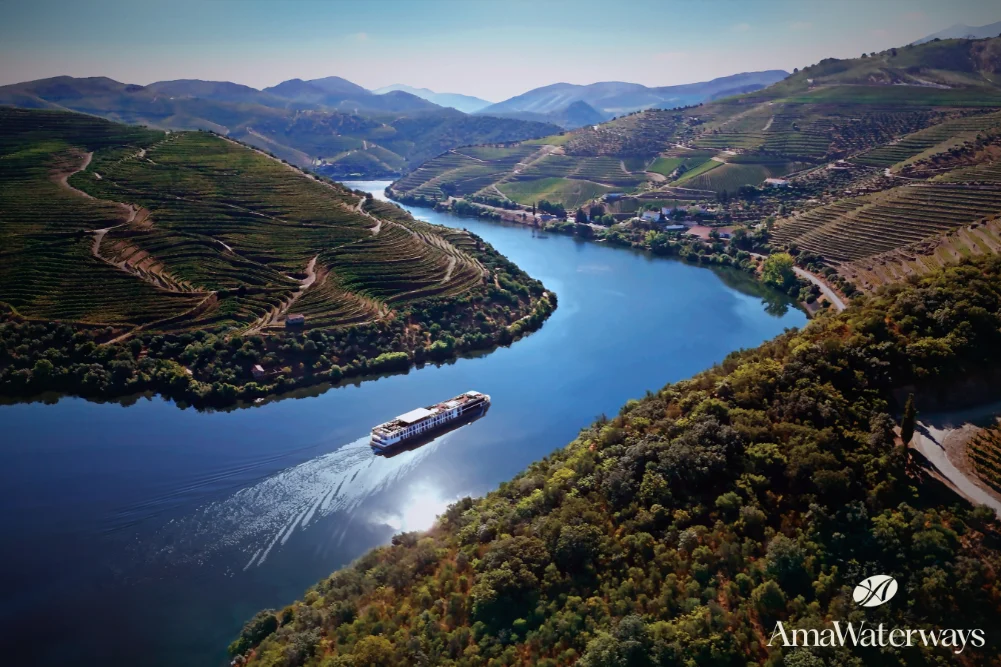
For nearly a quarter of a century, the global luxury travel landscape has witnessed a steady transformation in how passengers experience inland waterways, a shift largely driven by the operational philosophy of AmaWaterways. Founded in 2002 by river cruise industry veterans Rudi Schreiner, Kristin Karst, and Jimmy Murphy, the line set out to challenge the conventions of traditional maritime tourism. Rather than relying on standardized itineraries and heavily regimented schedules, the enterprise focused on contemporary ship design, inclusive excursion models, and an emphasis on holistic wellness. As the company looks toward its milestone anniversary and expanded global deployment through 2027, its trajectory offers a compelling case study in the broader adaptation of the river cruise sector to modern consumer demands.
The Genesis and Evolution of a River Cruise Pioneer
The establishment of AmaWaterways coincided with a period of rapid modernization within European river cruising. Historically, river vessels were constrained by the dimensions of European lock systems, limiting their width and architectural flexibility. Schreiner, recognized globally as an innovative ship architect, pushed the boundaries of naval engineering to maximize passenger space without compromising navigability.
During the early 2000s, the company steadily built its fleet, introducing features that were previously unseen on European rivers. Panoramic windows, French balconies combined with outside balconies, and multi-room suites became signatures of the brand. This structural evolution was matched by a philosophy of flexibility. While older cruise models often charged passengers supplementary fees for specialized tours or active excursions, AmaWaterways adopted an inclusive framework. By bundling up to six daily shore options into the core fare, the line democratized access to localized cultural and physical activities, ranging from gentle walking tours to rigorous bicycle excursions along historic towpaths.
Engineering Innovation: The Birth of the Double-Width Vessel
A defining moment in the company’s structural history arrived with the introduction of the AmaMagna, a vessel that fundamentally altered perceptions of spatial design on the water. Measuring twice the width of standard European river ships, the AmaMagna was engineered to operate on the Danube River, providing significantly larger staterooms, expansive public areas, and unique onboard amenities such as a full-sized pickleball court and multiple dining venues.
This engineering feat addressed a long-standing critique of river cruising: the limited square footage compared to ocean-going liners. By widening the hull, the line created an environment where guests could experience the intimacy of a river voyage without sacrificing the resort-style facilities typically found on larger vessels. The success of the double-width concept paved the way for future expansions, including the highly anticipated debut of the AmaRudi, scheduled for launch in 2027, which promises to incorporate similar spatial efficiencies and modern recreational spaces.
Expanding Horizons: From European Rivers to Global Waterways
While the Danube, Rhine, and Douro rivers remain foundational to the company’s European portfolio, AmaWaterways has systematically diversified its geographic footprint over the past two decades. The fleet’s 34 award-winning ships now navigate diverse ecosystems across multiple continents, reflecting a strategic effort to capture growing interest in exotic and culturally immersive destinations.
In Asia, itineraries along the Mekong River connect travelers to the rich heritage and rural landscapes of Vietnam and Cambodia. In Africa, specialized vessels operate on the Chobe River, offering wildlife viewing opportunities that bridge the gap between traditional river cruising and classic safaris. More recently, the line made maritime history by becoming the first major river cruise operator to navigate Colombia’s Magdalena River, opening a new frontier for cultural tourism in South America.
This global expansion aligns with macroeconomic trends in the travel sector, where consumers increasingly favor experiential, destination-focused journeys over passive sightseeing. Industry analysts note that river cruising has experienced one of the highest recovery and growth rates in post-pandemic tourism, driven largely by travelers seeking less crowded, slower-paced environments that foster genuine local engagement.
The Integration of Wellness and Culinary Arts
Beyond itinerary diversification, AmaWaterways has capitalized on the growing global wellness tourism market. Recognizing that modern travelers prioritize physical and mental health maintenance even while on vacation, the company institutionalized onboard wellness programs. Dedicated Wellness Hosts lead daily activities ranging from dawn yoga sessions on the Sun Deck to specialized stretching classes designed to counteract the physical fatigue of long-haul air travel.
Gastronomy serves as another cornerstone of the onboard experience. In an era where culinary tourism heavily influences destination selection, the cruise line has structured its dining operations around regional authenticity. Collaborating with local farmers, vintners, and culinary experts, the fleet offers regionally inspired menus across up to four distinct dining venues per ship. Notably, the inclusion of more than 32 curated premium regional wines as part of the standard offering—alongside the specialized Chef’s Table degustation experience—highlights a commitment to immersive, place-based dining.
Executive Perspectives and Industry Implications
Reflecting on the operational philosophy that has guided the company for nearly 25 years, executive leadership frequently emphasizes the importance of personal connection and crew-to-guest ratios. Industry observers point out that the high standard of personalized service—where crew members routinely address passengers by name—plays a critical role in customer retention and brand loyalty within the competitive luxury travel segment.
"River travel has always been about following the natural arteries of history and civilization," notes commentary within the broader travel and hospitality sector. "Long before paved roads connected inland communities, rivers served as the primary conduits for human migration, commerce, and the exchange of ideas. Modern river cruising succeeds precisely because it taps into this historical rhythm, allowing contemporary travelers to experience landscapes at the exact speed of historical navigation."
The Broader Impact on Sustainable and Regional Tourism
As the river cruise sector expands into fragile ecosystems and emerging destinations—such as the Magdalena River in Colombia and remote stretches of the Mekong—questions surrounding sustainable tourism and community impact become increasingly pertinent. Industry stakeholders emphasize that responsible river cruising can act as a catalyst for local economic development, supporting small businesses, family-owned vineyards, and regional artisan communities that might otherwise remain isolated from international tourism revenue.
Furthermore, the physical design of modern river vessels incorporates advanced environmental technologies aimed at reducing fuel consumption, minimizing wastewater discharge, and optimizing energy efficiency. As regulatory bodies across Europe and developing nations tighten environmental standards for inland waterways, the operational adaptability of newer fleets will remain a critical factor in long-term viability.
Looking Forward: The Next Decade of River Travel
With the milestone 25th anniversary approaching, AmaWaterways stands as a prominent case study in how specialized cruise lines can scale globally while maintaining operational agility and customer-centric service models. The upcoming launch of the AmaRudi in 2027 and continued investments in diverse geographical markets signal an enduring market demand for deliberate, measured, and immersive travel experiences.
For travelers weighing their next getaway against a backdrop of fast-paced urban life and mass tourism, the appeal of the river remains unchanged. By synchronizing the pace of the vessel with the natural flow of the landscape, contemporary river cruising offers an alternative model of modern tourism—one where movement, wellness, and cultural discovery intersect on the water.



 Anjar Salim
 Chandra Hamzah
 Tatiana Tantri Indah Sari
 Budi Mulyono
 Lukman Taruna Persada Ramadan
