
 Budi Mulyono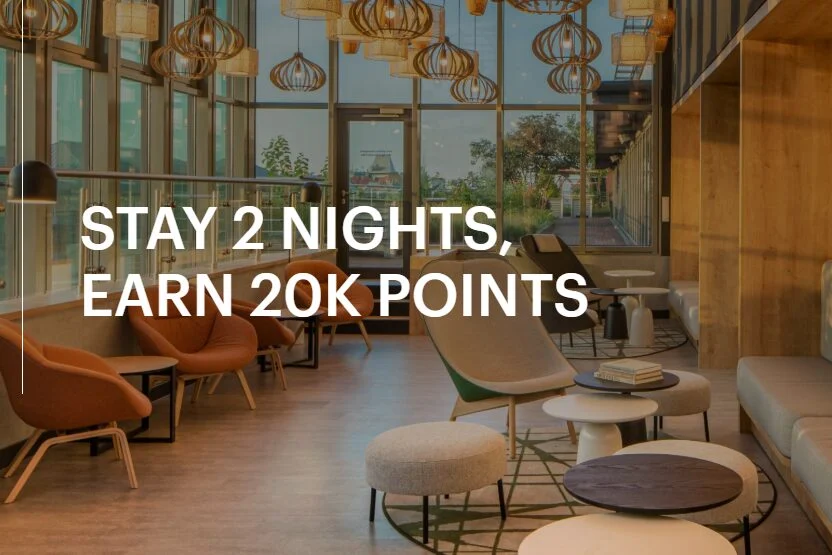
The hospitality sector has long relied on targeted loyalty promotions to re-engage dormant customers, and IHG Hotels & Resorts is currently executing a textbook example of this strategy. Through its IHG One Rewards loyalty program, the multinational hospitality company has initiated a new targeted campaign that rewards selected members with 20,000 bonus points following the completion of only two paid stays within a 60-day window following registration. This initiative, which has surfaced across travel enthusiast platforms and industry trackers such as Loyalty Lobby, underscores a broader industry trend toward data-driven, personalized marketing designed to recapture market share from infrequent travelers.
Main Facts of the Campaign
The structure of the promotion is straightforward yet exceptionally rewarding for those who receive the targeted communication. Members who successfully register for the offer and complete two qualifying paid stays within 60 days will be credited with a 20,000-point bonus. Crucially, these two stays do not need to be consecutive; they can be separate, standalone visits to any participating property within the global IHG portfolio.
However, the primary caveat of the promotion lies in its exclusivity. The offer is strictly targeted, meaning it is not universally available to all IHG One Rewards members. High-tier status holders, such as those holding Spire or Diamond Elite status who frequently patronize IHG brands, are generally omitted from this specific outreach. Instead, the emails are predominantly landing in the inboxes of members who have shown limited or no engagement with the brand over an extended period. Industry observers note that even within households, accounts with active travel histories are bypassed in favor of dormant profiles, confirming the algorithm’s focus on reactivation rather than rewarding existing loyalty.
Background Context and Evolution of Loyalty Program Targeting
To understand the significance of this current promotion, one must examine the broader evolution of hotel loyalty programs over the past decade. Historically, hotel chains offered blanket promotions that applied equally to all members, regardless of their historical booking frequency. While popular with consumers, these universal promotions often resulted in high costs for the hotel operators, as they paid out bonuses to frequent guests who would have booked their stays regardless of the incentive.
In response, major hotel conglomerates—including Marriott Bonvoy, Hilton Honors, Hyatt, and IHG Hotels & Resorts—have heavily invested in sophisticated customer relationship management (CRM) systems and data analytics. By leveraging machine learning and predictive modeling, these companies can identify exact inflection points where a customer is at risk of churning permanently to a competitor. Targeted promotions like the current 20,000-point offer represent the culmination of this data-driven shift. By isolating inactive members and offering a high-value, low-barrier incentive, IHG can economically target acquisition and retention efforts, ensuring that marketing dollars are spent exclusively on behavior modification.
Chronology and Timeline Mechanics
The mechanics of the promotion are bound by strict temporal constraints designed to create a sense of urgency among targeted recipients. Upon receiving the promotional email or accessing the direct registration link, members must officially opt-in to the campaign.
Once registration is completed, a strict 60-day operational window begins. Within this timeframe, the participant must complete two distinct paid stays. Because the promotion requires "paid stays," standard terms and conditions explicitly exclude award nights booked entirely with points, as well as Points & Cash hybrid bookings. This distinction is critical for travelers attempting to maximize the offer, as out-of-pocket room rate expenditures are mandatory to trigger the 20,000-point bonus.

Analysis of Financial Value and Valuation Metrics
From a consumer finance perspective, evaluating the true economic value of hotel loyalty currency requires examining industry-standard valuation benchmarks. Travel analytics experts consistently value IHG One Rewards points at approximately 0.6 cents per point when redeemed efficiently for standard room nights or participating luxury properties.
At a valuation of 0.6 cents per point, a 20,000-point bonus equates to an estimated $100 in baseline redemption value. For a traveler who might only spend a few hundred dollars across two short paid stays—perhaps taking advantage of lower weekend rates or regional properties—a $100 return represents an extraordinary percentage yield on travel expenditure. This high return on investment makes the targeted offer exceptionally attractive for qualifying individuals, effectively subsidizing a portion of their travel costs.
Stacking Opportunities and Elite Night Considerations
Beyond the baseline bonus points, industry analysts have highlighted potential stacking opportunities that could multiply the value proposition for targeted members. IHG has concurrently deployed other promotional structures in the market, including targeted campaigns offering double elite night credits on award stays.
While the 20,000-point promotion strictly mandates paid stays, members who manage to overlap various targeted promotions within their accounts may discover synergistic benefits. For instance, achieving two paid nights not only triggers the 20,000-point windfall but also advances the member closer to elite status thresholds, assuming other qualifying criteria are met. However, travelers are advised to carefully review the specific terms of all active promotions associated with their accounts to ensure compliance and avoid miscalculations regarding qualifying night credits.
Broader Industry Implications and Consumer Takeaways
The launch of IHG’s targeted campaign reflects the intensely competitive landscape of the global hospitality industry. As travel demand normalizes following years of post-pandemic volatility, hotel brands are fiercely competing for both business and leisure travelers. By deploying micro-targeted incentives, hospitality groups can surgically stimulate demand during shoulder seasons or recapture lapsed customer segments without inflating operational budgets through mass promotional payouts.
For consumers, the proliferation of targeted offers reinforces the importance of maintaining active loyalty profiles across multiple hotel and airline ecosystems, even if travel patterns fluctuate. Industry experts recommend regularly checking email spam folders, monitoring loyalty dashboard notifications, and testing direct registration links circulating within trusted travel communities, as targeted offers frequently circulate via niche forums before official broad-scale recognition.
Ultimately, while disappointment is inevitable for frequent travelers who find themselves excluded from these reactivation campaigns, those fortunate enough to be targeted by IHG’s latest initiative have a rare, high-yield opportunity to re-enter the ecosystem with a substantial point balance and an immediate return on their travel investment.




 Anjar Salim
 Chandra Hamzah
 Tatiana Tantri Indah Sari
 Lukman Taruna Persada Ramadan
