
 Tatiana Tantri Indah Sari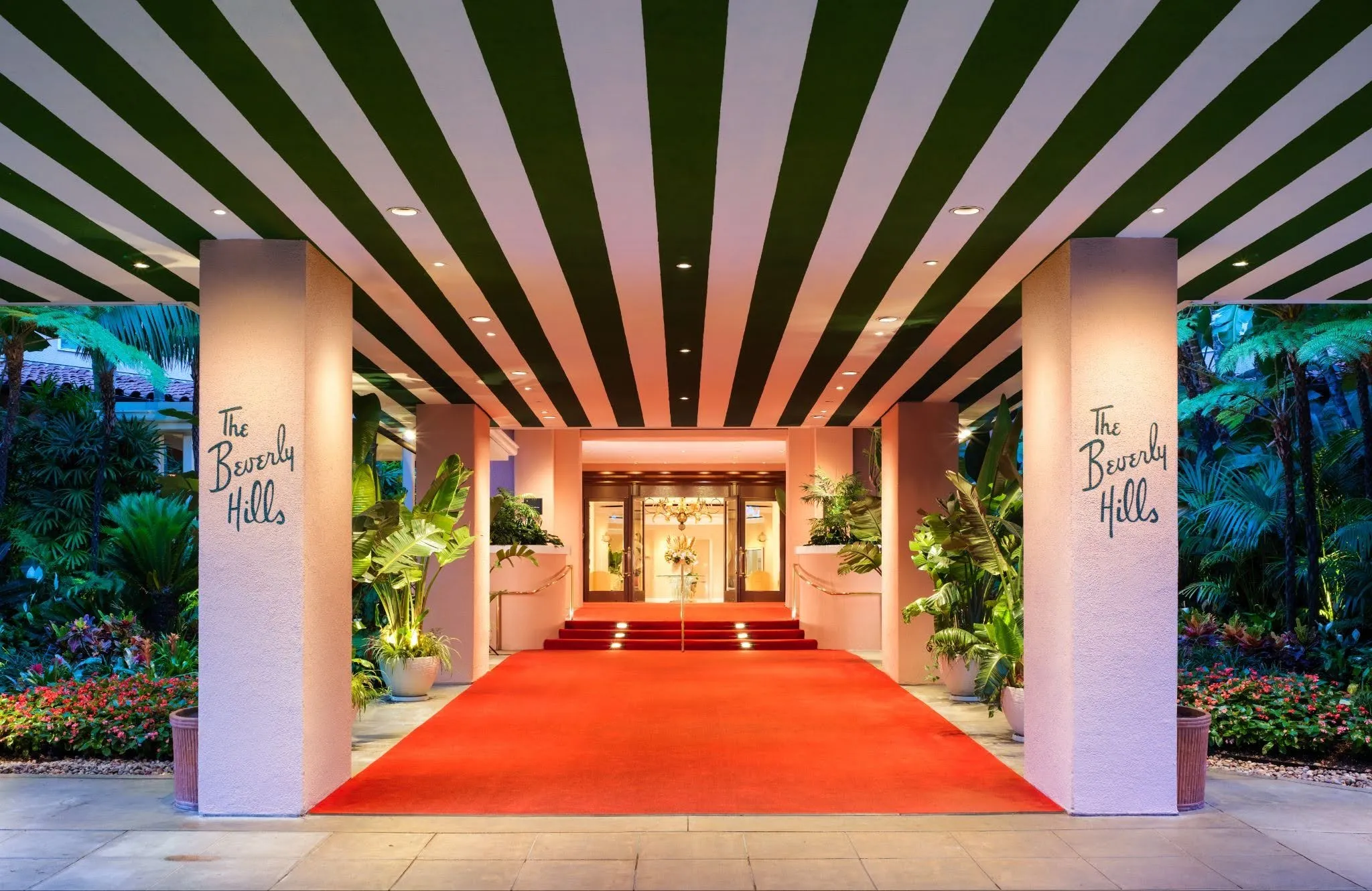
The modern hospitality landscape is defined by an ongoing tension between the comforting allure of timeless tradition and the relentless consumer demand for digital innovation and seamless efficiency. For legacy hospitality groups managing storied properties—such as the Dorchester Collection—this dichotomy presents a unique operational hurdle. Maintaining the distinct identity, architectural gravitas, and hyper-personalized service culture of world-renowned institutions requires a delicate equilibrium. As consumer expectations shift toward automated convenience, elite hoteliers face the critical task of refining operational fundamentals without stripping away the human judgment and emotional resonance that inspire guest loyalty.
This strategic challenge mirrors the appeal of enduring historical establishments found across global capitals. Much like a centuries-old London barbershop where appointments are meticulously recorded in a leather-bound book and the primary draw is predictable ritual rather than reinvention, classic luxury hotels rely on their status as fixed points in a rapidly changing world. However, scaling this philosophy across multiple international flagships demands a sophisticated operational framework. The core question for contemporary luxury executives is how to establish global dependability while preserving the localized charm and eccentricities that make each landmark property unique.
The Evolution and Portfolio Dynamics of Dorchester Collection
The Dorchester Collection oversees a portfolio of some of the most celebrated and historically significant properties in the global hospitality sector. Founded in 2006 to manage a collection of luxury hotels originally assembled by the Brunei Investment Agency, the group’s portfolio includes flagship assets such as The Dorchester in London, Hôtel Plaza Athénée in Paris, Le Meurice in Paris, and The Beverly Hills Hotel and Hotel Bel-Air in Los Angeles, alongside newer additions like The Lana in Dubai.
Each of these properties carries a distinct cultural and architectural weight. The Dorchester, opened in 1931 on Park Lane, has long been synonymous with British high society and wartime history. Similarly, Hôtel Plaza Athénée, established on Avenue Montaigne in 1913, remains a cornerstone of Parisian haute couture and luxury. In Southern California, The Beverly Hills Hotel—famously known as the "Pink Palace"—and Hotel Bel-Air embody the golden age of Hollywood glamour.
Managing such a diverse yet uniformly elite group requires an operational strategy that avoids corporate homogenization. Unlike standardized business hotel chains that leverage uniform mobile check-ins, standardized room layouts, and algorithmic loyalty programs, ultra-luxury operators must cater to clientele who explicitly reject cookie-cutter experiences. For these guests, luxury is defined by hyper-personalization: knowing a preferred room temperature before arrival, remembering dietary preferences across continents, and experiencing a nuanced, unobtrusive "dial service" culture where human intuition supersedes digital automation.
The Operational Challenge: Standardizing Excellence Without Stifling Individuality
The primary operational hurdle for luxury hospitality groups lies in tightening back-of-house efficiencies and service delivery standards without impacting the front-of-house guest experience. In elite hotels, service recovery and operational consistency are paramount. Yet, over-systematizing can lead to sterile interactions that alienate high-net-worth travelers seeking genuine human connection.
Industry analysts note that luxury consumers increasingly expect frictionless booking and payment mechanisms, smart room controls, and rapid digital communication channels. At the same time, these same consumers express fatigue with digitized service models that remove human staff from the equation. The challenge for Dorchester Collection and its peers is to implement backend data analytics and operational upgrades that empower staff rather than replace them.
For instance, utilizing guest preference management software allows concierge teams across different properties to share insights seamlessly—ensuring that a guest who favors a specific vintage of champagne in London will find it waiting for them upon check-in in Los Angeles or Dubai. However, the delivery of that amenity must remain anchored in the personalized touch of a seasoned butler or guest relations manager, rather than appearing as an automated, programmatic trigger.
Market Context and Economic Resilience in Ultra-Luxury Travel
The strategic positioning of iconic hotel properties occurs against a backdrop of robust recovery and structural evolution within the global high-end travel sector. According to industry data from organizations such as the World Tourism Organization (UNWTO) and hospitality research firms like STR and Skift Research, the ultra-luxury segment has demonstrated remarkable resilience following the disruptions of the early 2020s.
High-net-worth individuals and ultra-high-net-worth individuals continue to prioritize experiential spending over material goods, with international luxury travel serving as a primary outlet. However, inflationary pressures, rising labor costs, and supply chain constraints have placed intense scrutiny on hotel operational margins. Luxury operators have responded by adjusting average daily rates (ADR) upward, a strategy supported by sustained robust demand for top-tier suites and bespoke services.
Despite these economic tailwinds, the cost of labor and talent retention remains a significant friction point. Delivering the nuanced, relationship-driven service that defines properties like The Dorchester or Hotel Bel-Air requires skilled, long-tenured staff. High turnover rates in the hospitality industry pose a direct threat to service continuity, making institutional knowledge management a top priority for executive leadership.
Industry Perspectives and Executive Strategy
Leadership within the luxury hospitality sector has increasingly emphasized the need for "invisible technology"—systems that operate quietly in the background to enhance efficiency while leaving the guest-facing experience entirely human-centric.
While formal corporate commentary from executive leadership at Dorchester Collection continually underscores a commitment to honoring the unique heritage of each individual property, industry observers point to strategic investments in digital infrastructure as evidence of a broader modernization effort. These initiatives typically focus on upgrading property management systems (PMS), enhancing cybersecurity for high-profile clientele, and refining digital marketing and direct booking channels to reduce reliance on third-party online travel agencies (OTAs).
Hospitality consultants suggest that the key to success for groups like Dorchester Collection lies in decentralizing operational decision-making. By granting general managers and frontline service staff the autonomy to exercise personal judgment, hotels can maintain the idiosyncratic charm that attracts repeat visitors. Conversely, centralizing administrative functions—such as procurement, sustainability tracking, and financial compliance—allows the group to achieve economies of scale without compromising guest-facing differentiation.
Broader Implications and Future Outlook for Heritage Hospitality
The strategic trajectory of the Dorchester Collection offers a valuable case study for the wider ultra-luxury hospitality market. As new luxury brands enter the space—often backed by fashion houses, automotive giants, or sovereign wealth funds—historic hotels face intensified competition for affluent travelers.
To maintain their competitive edge, heritage properties cannot rely solely on nostalgia or architectural pedigree. They must continuously evaluate their service standards, addressing operational friction points while preserving the intangible qualities that constitute true luxury. This involves a disciplined approach to asset management: investing heavily in physical restorations, integrating discreet technological enhancements, and fostering a workplace culture that values human empathy and expert craftsmanship.
Ultimately, the market opportunity for iconic properties remains exceptionally strong, provided operators can successfully navigate the paradox of scale. By refining the foundational elements of hospitality—cleanliness, punctuality, discretion, and intuitive service—while preserving the discretionary judgment of their staff, elite hotel groups can ensure their historic properties remain relevant, profitable, and deeply cherished across generations of travelers.



 Anjar Salim
 Chandra Hamzah
 Budi Mulyono
 Lukman Taruna Persada Ramadan
