
 Cholid Fahmi Thalib
Nestled within the geographic and cultural heart of Southern Oregon’s scenic Rogue Valley, Medford has steadily emerged as a formidable culinary destination, bridging the gap between agricultural heritage and contemporary gastronomy. Historically recognized for its sprawling pear orchards, timber industry, and proximity to world-class natural landmarks such as Crater Lake National Park and the Rogue River, the region has undergone a quiet economic and cultural transformation over the past decade. Local leaders, agricultural producers, and hospitality entrepreneurs have harnessed the microclimate of the Pacific Northwest to cultivate a vibrant, multifaceted food and beverage sector. This evolution has successfully repositioned Medford from a traditional transit hub into an epicenter for regional tourism and agritourism, drawing visitors seeking farm-to-table dining, boutique viticulture, and artisanal provisions.
The Chronology of Regional Agricultural and Culinary Development
The foundation of Medford’s modern food scene is deeply rooted in the agricultural bounty of the Rogue River Basin. Settled in the mid-19th century, the valley’s fertile volcanic soil and Mediterranean-like climate—characterized by warm, dry summers and mild winters—initially established the area as a premier fruit-growing region, particularly for Comice pears. However, the turn of the 21st century marked a significant diversification in local agriculture. Viticulturists recognized that the Rogue Valley American Viticultural Area (AVA) shared climatic parallels with renowned wine regions in Europe, prompting a surge in vineyard plantings specializing in Pinot Noir, Chardonnay, and alternative varietals. Simultaneously, a growing consumer demand for hyper-local, sustainable food systems catalyzed the expansion of farmers markets and independent eateries, culminating in a cohesive culinary ecosystem that seamlessly integrates farm, cellar, and table.
Agricultural Integration and Agritourism: Dos Mariposas Vineyard and Lavender Farm and DANCIN Vineyards
The symbiotic relationship between agriculture and hospitality is prominently displayed across Medford’s rural and semi-rural wine estates. Operating within this framework, Dos Mariposas Vineyard and Lavender Farm—situated at 3976 Bellinger Lane—exemplifies the diversification of Southern Oregon land use. Established as a family-run enterprise, the estate combines viticulture with lavender cultivation, offering visitors a sensory-driven agritourism experience against the backdrop of geological landmarks such as the Table Rocks and Mount McLoughlin. During peak summer months, when the estate’s extensive lavender fields reach full bloom, the property functions as both a working farm and a community gathering space, featuring weekend live music and dog-friendly open-air seating. Culinary offerings are intentionally curated to complement the estate’s wine and cider portfolio, anchored by artisanal charcuterie boards composed of regional cured meats and locally sourced cheeses.
Similarly, DANCIN Vineyards, located at 4477 South Stage Road on the forested foothills of the Rogue Valley, leverages the region’s viticultural prowess to elevate its culinary program. Specializing in award-winning cool-climate varietals such as Pinot Noir, DANCIN integrates its own estate wines directly into its scratch-made kitchen operations. The menu features artisan wood-fired pizzas—such as the notable Soppressata & Asparagus pie finished with Calabrian hot honey—alongside appetizers like house-made meatballs and stuffed mushrooms infused with wine-based reduction sauces. According to regional tourism data, estate wineries like Dos Mariposas and DANCIN serve as vital economic drivers for Jackson County, generating consistent seasonal revenue and extending the average length of stay for incoming travelers.
Urban Revitalization and Downtown Gastronomy: Jefferson Spirits and Pomodori Osteria and Bar
While rural estates anchor the regional wine culture, downtown Medford has experienced a parallel urban revitalization driven by independent restaurateurs and mixologists. The historic commercial core along East Main Street now hosts establishments that bridge traditional craftsmanship with modern dining concepts.
Jefferson Spirits, located at 404 East Main Street, occupies a niche in the city’s nightlife economy by offering a sophisticated, old-school lounge atmosphere paired with contemporary mixology. Known for its curated cocktail program—highlighted by traditional preparations of the Old Fashioned utilizing bourbon-soaked cherries—the establishment also provides an eclectic menu featuring Asian fusion sandwiches, Italian paninis, and local wild berry cheesecakes. By incorporating community events such as open-mic nights, trivia, and weekend brunch, Jefferson Spirits has contributed significantly to the post-industrial evening foot traffic in downtown Medford, supporting the city’s broader strategy to cultivate a walkable, vibrant urban center.
Directly contributing to this downtown culinary density is Pomodori Osteria and Bar at 410 East Main Street. Specializing in traditional Italian cuisine within a rustic-sophisticated environment, Pomodori emphasizes scratch-made pasta dishes, house-rolled meatballs, and an extensive beverage program featuring both imported Italian labels and regional Oregon wines. A defining characteristic of the restaurant’s menu is its deliberate incorporation of local artisanal ingredients, most notably blue cheese produced by the award-winning, regionally iconic Rogue Creamery. The inclusion of local dairy products in classic Italian dishes—such as the Rogue Creamery Blue Cheese Wedge Salad—illustrates a broader regional trend: the collaborative cross-utilization of ingredients among Southern Oregon producers, which reinforces local supply chains and regional brand identity.
Artisanal Breakfast Culture and Historic Staples: Ruby’s on Genessee and Buttercloud Bakery & Cafe
For daytime dining, Medford’s culinary landscape relies on neighborhood staples that emphasize hearty, locally sourced ingredients tailored to outdoor enthusiasts and the local workforce. Ruby’s on Genessee, situated at 310 Genessee Street, has established itself as a cornerstone of the city’s breakfast and lunch sector. Operating daily from early morning through the evening, the establishment caters heavily to visitors embarking on regional excursions, such as whitewater rafting on the Rogue River. Renowned for its expansive breakfast burrito offerings—ranging from mild variations to the comprehensive meat-and-potato classic—Ruby’s exemplifies the casual, community-centric ethos of Pacific Northwest neighborhood eateries.
Complementing this morning economy is Buttercloud Bakery & Cafe, located at 315 South Front Street. Specializing in scratch-made baked goods and savory biscuit sandwiches, Buttercloud has gained regional acclaim for its flaky, buttery biscuit formulations that serve as the base for items like the Farmhouse Biscuit Sandwich and inventive iterations of Benedicts and French toast. The bakery operates on a rotating seasonal menu model, introducing new scone, sticky bun, and mini cream pie varieties monthly. Culinary analysts note that establishments like Buttercloud capitalize on the growing consumer preference for transparent, labor-intensive baking techniques, distinguishing independent cafes from corporate franchise models.
The Economic and Cultural Impact of the Rogue Valley Growers Market
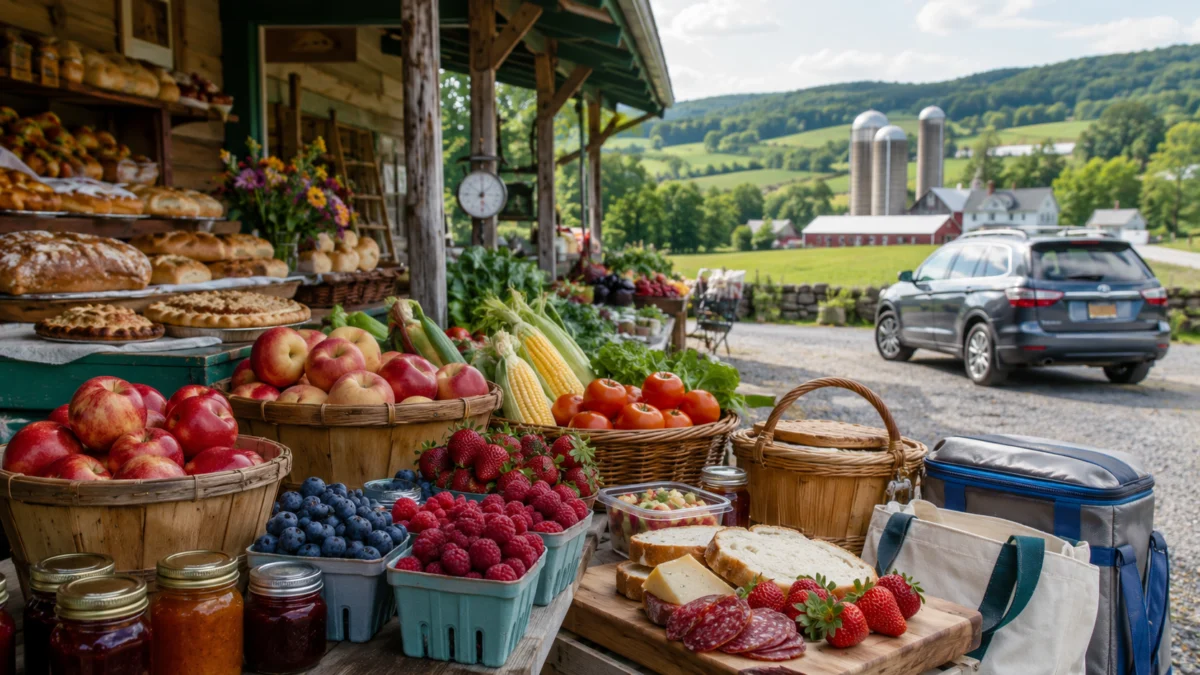
At the structural core of Medford’s food network is the Rogue Valley Growers & Crafters Market, operating seasonally at Hawthorne Park on East Main Street. Ranked consistently among the top farmers markets nationwide by major publications and supported by a network of over 150 local growers, crafters, and food artisans, the market functions as a vital incubator for regional agricultural enterprise.
Operating outdoors from March through November and transitioning to an indoor winter market from December through February, the market provides a direct-to-consumer distribution channel for agricultural products harvested within a 200-mile radius of the Rogue Valley. The market’s vendors showcase the region’s agricultural diversity, ranging from organic produce and fresh cut flowers to specialized prepared foods, such as artisanal breakfast pastries featuring soft-boiled eggs and wild mushrooms. Economic development officials emphasize that the market plays an indispensable role in retaining food dollars within Jackson County, supporting small-scale farmers, and fostering a resilient local food economy that insulates the community against broader supply chain vulnerabilities.
Implications and Future Outlook for Southern Oregon’s Food Sector
The rapid maturation of Medford’s culinary and agritourism sectors carries significant implications for the economic trajectory of Southern Oregon. As traditional resource-extraction industries face regulatory and market fluctuations, municipal leaders and regional tourism boards have increasingly leaned on culinary and outdoor recreation tourism as reliable economic stabilizers. Data from regional economic agencies indicate that visitor spending related to dining, wine-tasting, and agritourism directly supports thousands of jobs across Jackson County, contributing to sustained tax revenue and commercial real estate development in downtown Medford.
Industry observers suggest that the sustained success of Medford’s food scene relies on continued collaboration between agricultural producers, hospitality businesses, and local government agencies. By maintaining a strict adherence to local sourcing, sustainability, and quality craftsmanship, Medford has successfully differentiated itself from larger metropolitan food hubs, carving out a distinct identity rooted in the unique geography and agricultural heritage of the Rogue Valley. As the region continues to attract culinary entrepreneurs and discerning travelers alike, its baseline standard of hospitality and gastronomy appears poised for continued, sustainable expansion in the years ahead.


 Anjar Salim
 Chandra Hamzah
 Tatiana Tantri Indah Sari
 Budi Mulyono
 Lukman Taruna Persada Ramadan
