
 Anjar Salim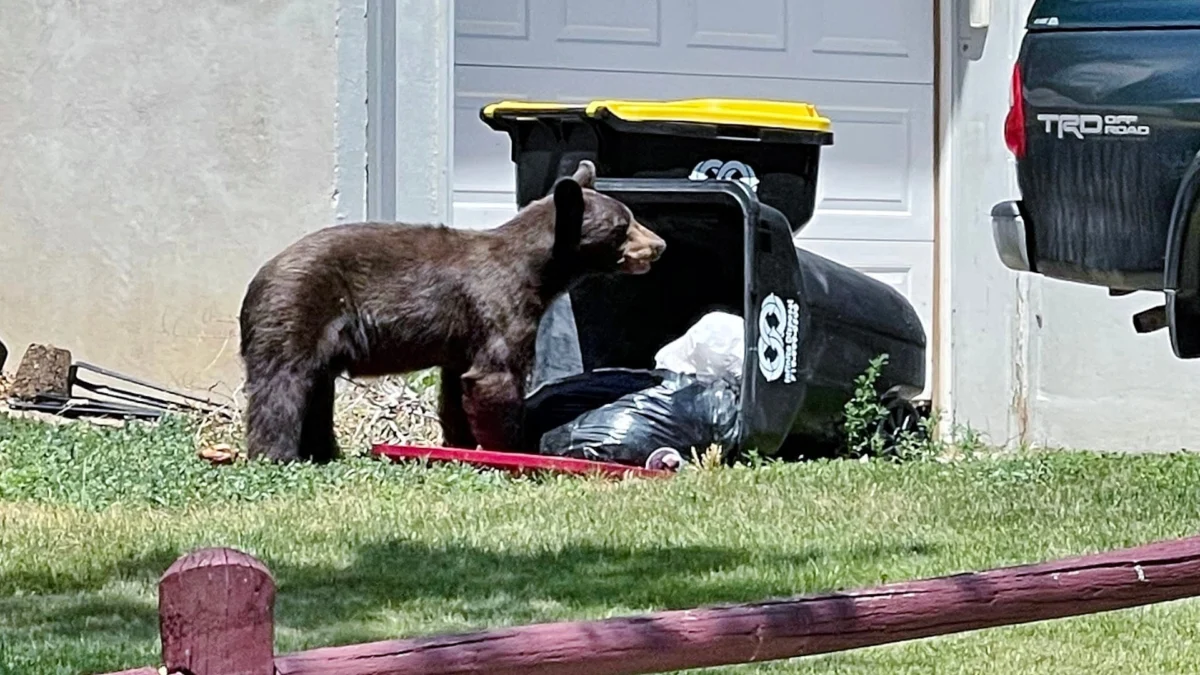
The intersection of wildlife management and residential expansion in the American West reached a grim milestone this September in Durango, Colorado. What began as a routine call concerning an ailing animal transformed into a sobering illustration of a statewide ecological crisis. As regional ecosystems groan under the weight of climate anomalies, human-bear interactions have escalated from manageable neighborhood nuisances into a relentless emergency. Wildlife professionals are logging grueling hours, and the toll on local bear populations has shattered historic records.
The Discovery in Durango
On the morning of September 9, 2026, a resident in a suburban Durango neighborhood noticed unusual activity in their yard. A black bear had dug a shallow trench into the earth, collapsing into it while emitting audible moans of distress. The homeowner immediately contacted Colorado Parks and Wildlife (CPW), reporting that the animal appeared lethargic, unresponsive, and visibly distressed.
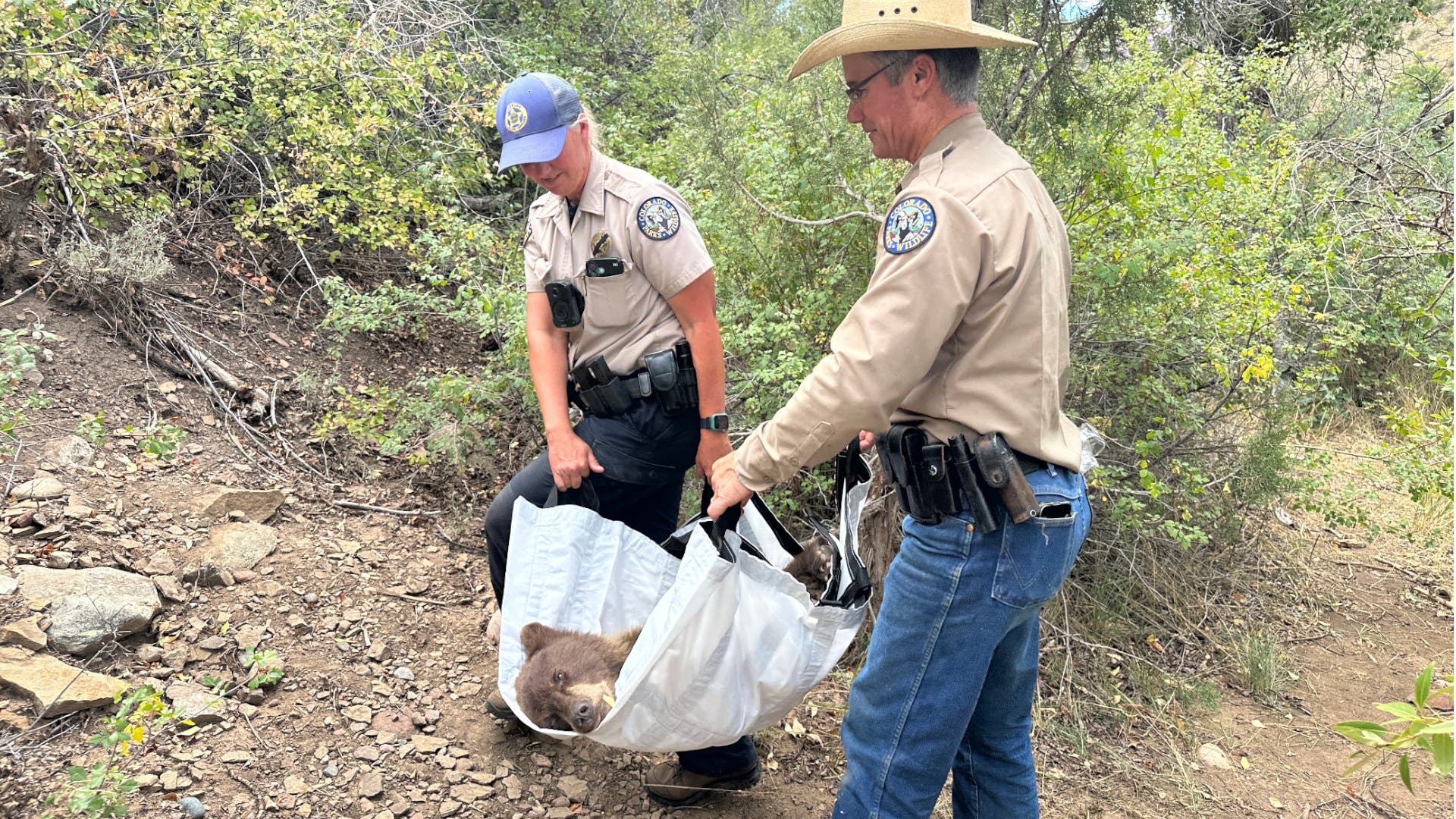
When CPW Officer John Livingston and his team arrived at the scene, they observed a visibly distended and bloated abdomen. Although the officers managed to coax the animal to its feet, the bear was entirely incapable of navigating away from the property or exhibiting normal defensive behaviors. Recognizing the severity of the situation, the wildlife team administered a tranquilizer to safely handle the distressed animal.
Upon physical examination, the true nature of the emergency became immediately apparent. The bear’s stomach was unnaturally hard and packed tight. Field veterinarians and wildlife officers made the difficult determination that the animal’s condition was terminal, leading to the decision to euthanize the bear to spare it further suffering. A subsequent field necropsy revealed a horrific internal blockage: wildlife officials extracted commercial cleaning wipes and entire household trash bags—complete with intact plastic drawstrings—that had entirely obstructed the bear’s intestinal tract.
A Timeline of Escalating Crisis
To understand the severity of the Durango incident, wildlife experts emphasize the broader timeline of the 2026 season, which has been characterized by abnormal weather patterns and sustained ecological stress.
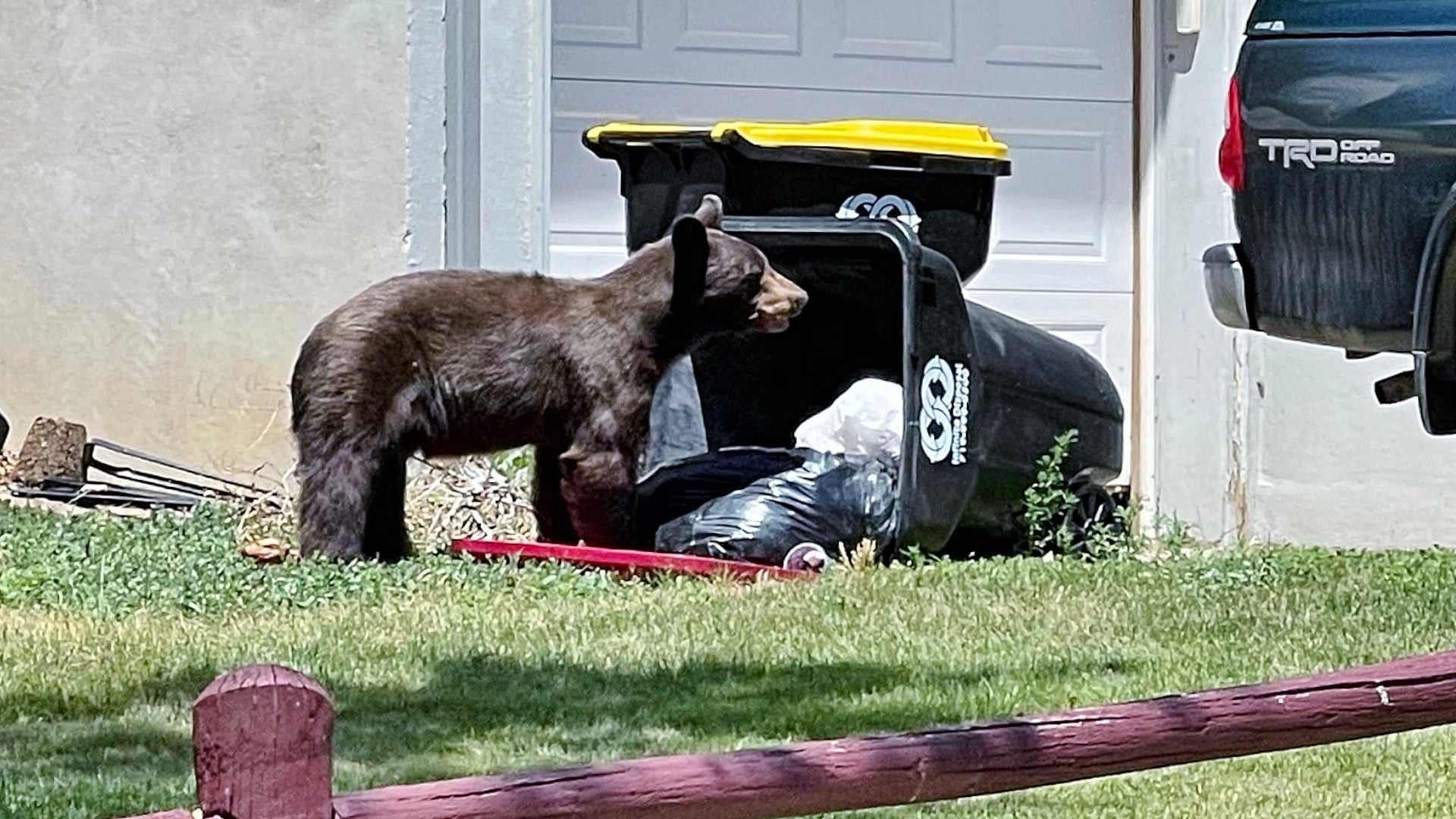
The trouble began months prior. A winter marked by record-low snowpack precipitated severe drought conditions across vast swaths of Colorado. This lack of moisture stunted the growth of foundational natural forage, such as berries, acorns, and native vegetation. Compounding the drought, an unseasonable and severe late spring freeze in May wiped out the remaining nascent natural food supplies, particularly in the southwestern region of the state.
Deprived of their traditional sustenance in higher elevations, black bears were forced to descend into urban and suburban environments far earlier than usual. By June, CPW response teams were already overwhelmed, trading standard wildlife management duties for round-the-clock emergency interventions. Officers across the state began routinely logging 18- to 20-hour workdays, responding continuously to calls regarding habituated bears breaking into residential structures, commercial areas, and vehicles.
By September, the situation had deteriorated past the tipping point, culminating in tragic encounters like the one in Durango, where starving animals mistakenly ingested fatal quantities of non-organic household waste.
Staggering Statistics Paint a Dire Picture
The anecdotal accounts of exhausted wildlife officers are powerfully corroborated by empirical data compiled by Colorado Parks and Wildlife. The metrics for 2026 represent an unprecedented spike across every category of human-bear interaction.
According to agency records, CPW has logged more than 8,000 bear reports statewide so far this year. This figure shatters previous historical thresholds, marking the highest volume of human-bear complaints ever recorded in the department’s history.
The consequences for the bear population have been catastrophic. As of mid-September 2026, CPW has been forced to euthanize over 294 bears. To put this figure into perspective, the total number of bears euthanized statewide for the entire previous year, 2025, stood at just 98. This represents nearly a threefold increase in lethal removals year-over-year.
Furthermore, relocation operations—typically utilized when a bear can be safely removed from an urban area and returned to the wild—are occurring at 3.5 times the five-year historical average. Overall euthanization rates for problem bears currently sit at 2.7 times the five-year average. These numbers reflect an ecological system pushed to the absolute brink, where traditional wildlife management interventions are increasingly failing due to the sheer volume of distressed animals.
Behavioral Shifts and Physiological Implications
The root causes of this crisis extend far beyond simple food scarcity; they involve complex behavioral adaptations known as habituation. When bears venture into towns driven by hunger, they quickly discover that human-provided food sources—such as unsecured garbage, commercial dumpsters, birdseed, and pet food—offer high-calorie rewards with minimal physical exertion.
Once a bear successfully feeds in a residential area, its natural wariness diminishes. Officer Livingston, who serves as the public information officer for southwest Colorado and leads the Statewide Bear Working Group, notes that bears are currently crossing boundaries into homes and populated spaces that they would typically be far too timid to approach.
This reliance on anthropogenic food sources fundamentally alters bear biology and survival instincts. In a natural cycle, the diminishing availability of food as autumn progresses signals to bears that it is time to enter hyperphagia—a period of intense feeding—followed by denning and hibernation. However, access to year-round human calories short-circuits this natural rhythm.
Bears consuming consistent urban waste often delay or entirely abandon hibernation, remaining active deep into the winter months in search of continuous food. This ongoing exposure to urban environments drastically increases their chances of fatal encounters with vehicles, property owners, and law enforcement agencies.
Official Responses and Mitigation Strategies
In response to the mounting crisis, Colorado Parks and Wildlife is urgently shifting its public outreach strategy. The agency stresses that community compliance is no longer just a matter of property protection, but a critical imperative for wildlife conservation.
Many municipalities in bear country mandate the use of bear-resistant trash containers. However, CPW officials emphasize that these specialized bins are rendered ineffective if they are improperly maintained. Containers must be regularly washed to eliminate lingering food odors that can attract a bear’s acute sense of smell. Furthermore, residents are legally and practically obligated to secure these containers every single night. Failure to do so carries tangible penalties, with fines escalating from $100 for a first offense to $200 for subsequent violations.
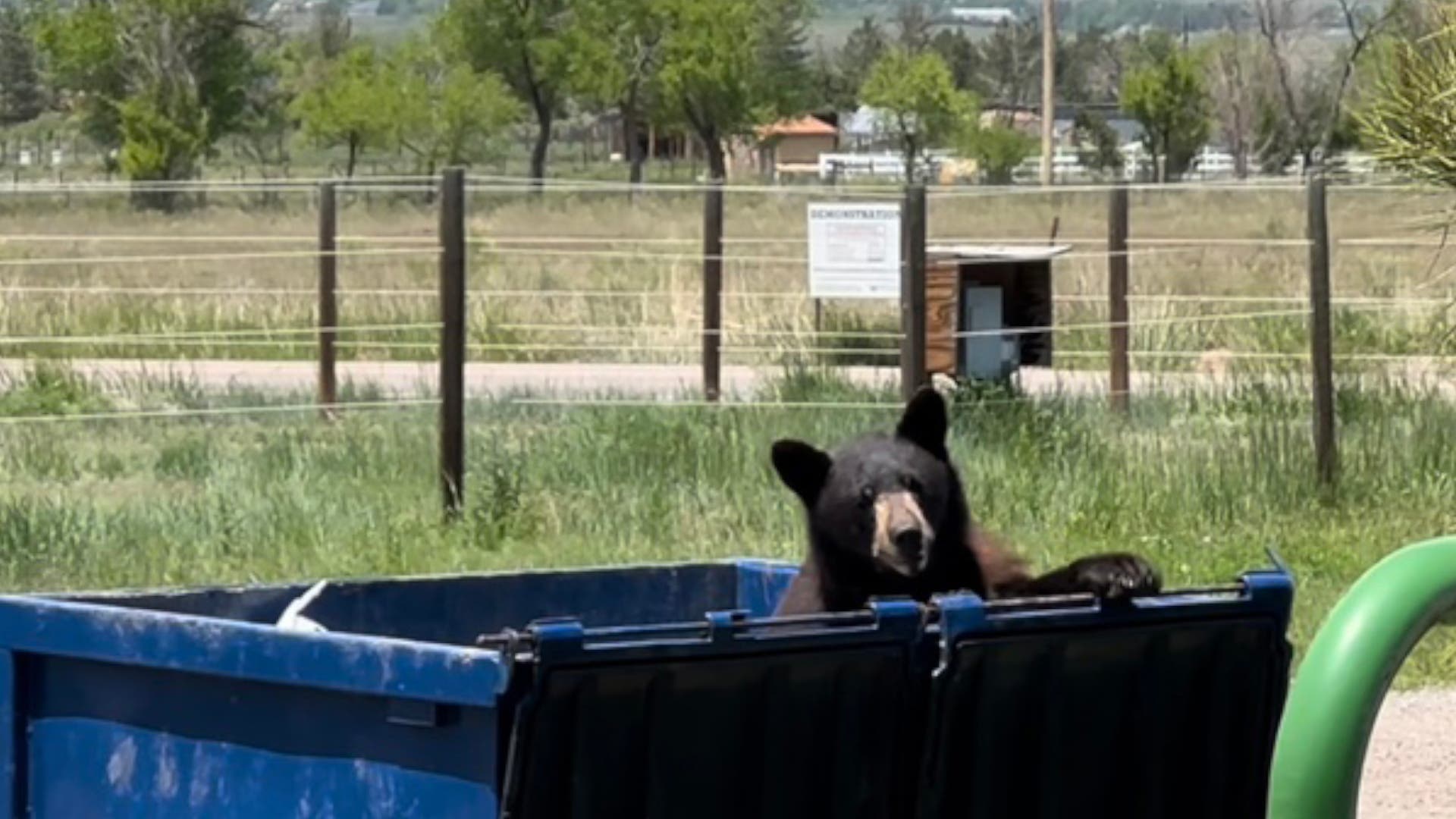
Beyond waste management, wildlife officials urge residents to secure all potential entry points to their properties. Leaving ground-floor windows or doors open, or failing to lock vehicles at night, creates inadvertent invitations for foraging bears.
"It may not be a person you have to worry about coming into your house or trying to get into your car at night," Livingston cautions. "It might be a bear."
The Role of Active Deterrence
A critical component of CPW’s public safety campaign involves shifting community attitudes toward wildlife presence. Rather than passively observing or filming bears near residences, officials are strongly advocating for active hazing.
Residents are encouraged to make bears feel unwelcome by employing loud noises and aggressive postures. Yelling, sounding car alarms, banging pots and pans, or discharging air horns can effectively re-instill a healthy fear of humans in habituated animals. Livingston emphasizes that documentation should always be paired with deterrence: if residents record wildlife near their homes, they should actively haze the animal while doing so.
Broader Impacts and Future Outlook
The 2026 human-bear conflict crisis serves as a stark reminder of the delicate balance between urban expansion and wildlife habitats. As climate volatility continues to disrupt natural phenology and food availability, mountain communities must adapt their daily routines to coexist safely with native fauna.
With the fall season underway and hyperphagia peaking, CPW anticipates that conflict numbers will continue to rise before the winter snows finally force bears into dens. The tragic death of the Durango bear—its stomach filled with plastic trash bags and cleaning wipes—stands as a grim testament to the high cost of human carelessness. Wildlife officials maintain that while the situation is dire, human cooperation remains the single most effective tool available to protect Colorado’s black bear population from further devastation.




 Chandra Hamzah
 Tatiana Tantri Indah Sari
 Budi Mulyono
 Lukman Taruna Persada Ramadan