
 Anjar Salim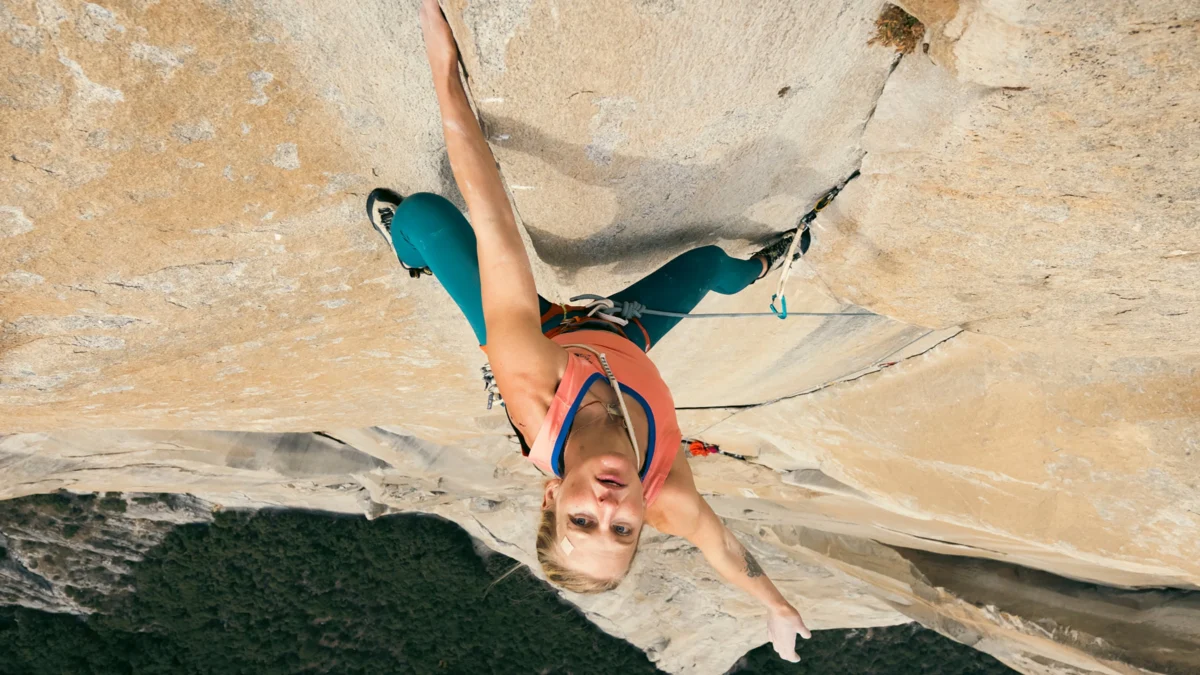
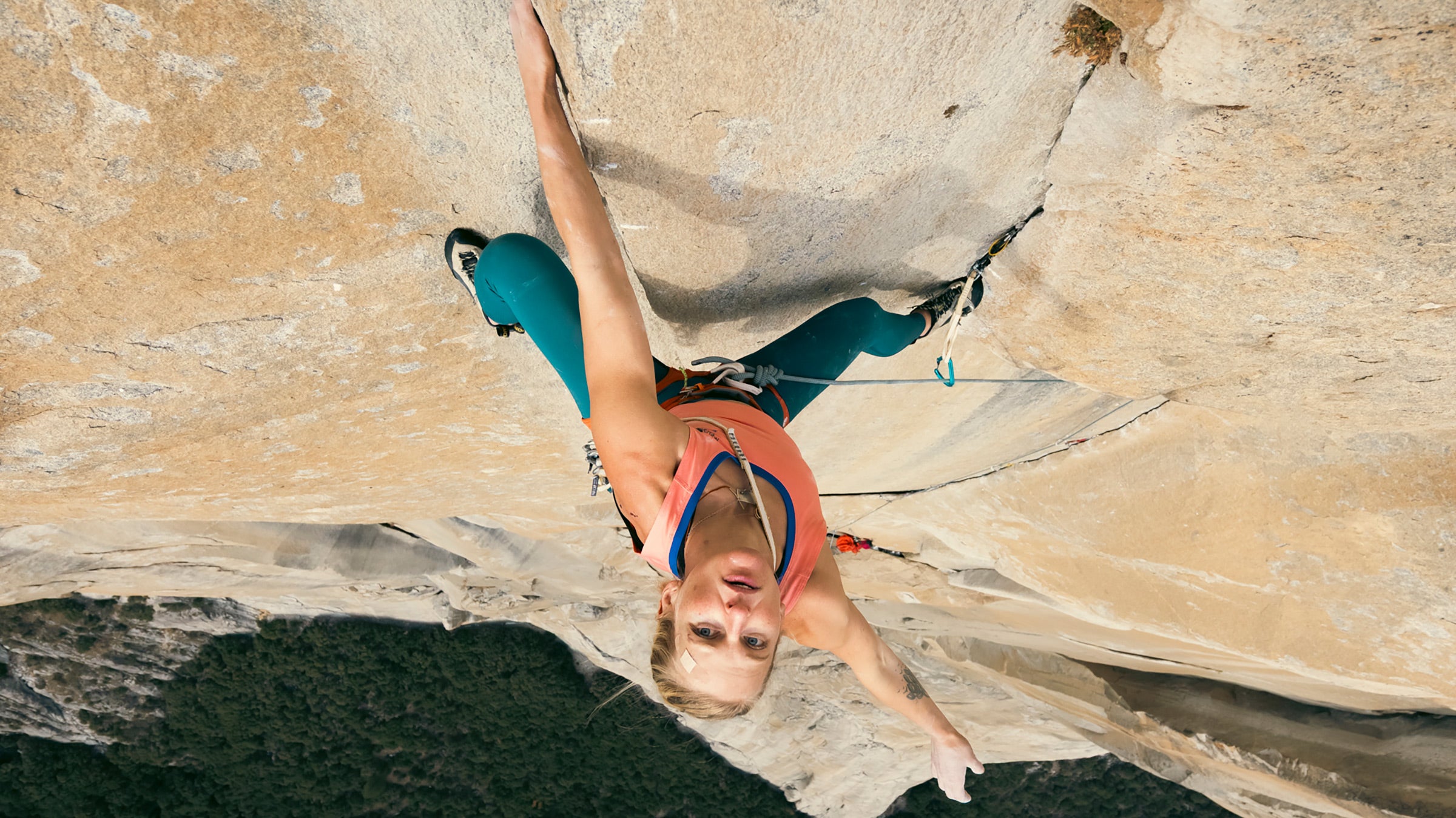
The acclaimed 2025 feature-length documentary Girl Climber is scheduled to make its global streaming debut on Netflix on September 16, bringing the intense, high-altitude world of professional rock climbing to a mainstream audience. The film chronicles American climber Emily Harrington and her career-defining, arduous 24-hour free-climbing ascent of Yosemite National Park’s iconic El Capitan via the Golden Gate route. Initially winning widespread critical acclaim and multiple awards during its run on the mountain-film festival circuit, the documentary distinguishes itself by moving beyond traditional athletic triumphs. Instead, it offers a deeply vulnerable exploration of fear, failure, ambition, the realities of aging in an elite sport, and the profound personal costs exacted by the pursuit of excellence.
The Dual Ticking Clocks of Elite Ascents
At the structural and emotional core of Girl Climber are two concurrent and unforgiving timelines: the literal 24-hour window required to successfully free climb the 3,200-foot vertical granite expanse of El Capitan, and Harrington’s own biological clock. Set against a modern cultural backdrop increasingly obsessed with optimization, productivity, and relentless accomplishment, the film raises urgent philosophical questions about what individuals are willing to sacrifice to achieve the extraordinary.
Harrington’s journey to El Capitan began decades prior in the competitive sphere of indoor climbing. By the age of 22, she had already secured five United States national sport climbing championships. Following her domestic competition career, she expanded her horizons to encompass legendary outdoor crags, massive big-wall formations, and high-altitude mountaineering expeditions. A major milestone in this transition occurred in 2012, when she successfully summited Mount Everest. As she notes early in the documentary, her driving motivation has consistently centered on exploring her perceived physical and mental limits in an effort to push past them.
The Historic Pursuit of Golden Gate
In 2018, at the age of 33, Harrington set her sights on a historic and formidable objective: becoming the first woman—and only the fourth person overall, following elite climbers Tommy Caldwell, Alex Honnold, and the late Brad Gobright—to complete a 24-hour free-climbing ascent of El Capitan via the Golden Gate route. This specific route presents a staggering technical challenge, spanning 3,200 vertical feet divided across 36 distinct pitches of varying difficulty.
The documentary meticulously follows this multi-year endeavor, framing Harrington’s obsession with the goal as a definitive metric for her career success. The difficulty of the undertaking is compounded by historical imbalances within the sport; attempting to conquer Golden Gate in a single day represented a direct challenge to El Capitan’s entrenched male-dominated culture. To provide comprehensive context, the filmmakers incorporated interviews with luminary figures in the climbing community, including pioneering climber Lynn Hill, veteran adventurer Cedar Wright, and Tommy Caldwell. Furthermore, Alex Honnold—renowned for his historic free-solo ascent of El Capitan—appears in a critical supporting role as Harrington’s climbing partner for the monumental push.
Years of Setbacks, Injury, and Resilience
The path to completing the Golden Gate project was fraught with severe obstacles. Over multiple years, Harrington faced repeated setbacks driven by adverse weather conditions and physical exhaustion. One particularly harrowing attempt was thwarted when she was forced to turn back a mere 300 feet below the summit. Another agonizing effort resulted in a violent, multi-hundred-foot fall that necessitated immediate hospitalization.
Concurrently, the film captures the strain the project placed on her personal life, specifically her romantic relationship with high-altitude mountain guide Adrian Ballinger and her personal desire to start a family. Harrington confronted the sobering reality that she could not indefinitely postpone the next phase of her personal life while waiting for optimal climbing conditions on El Capitan. Each failed attempt forced a painful reckoning regarding the possibility of walking away from the project—not out of a lack of physical capability, but out of the fear that absolute success might demand the surrender of too many foundational years of her life.
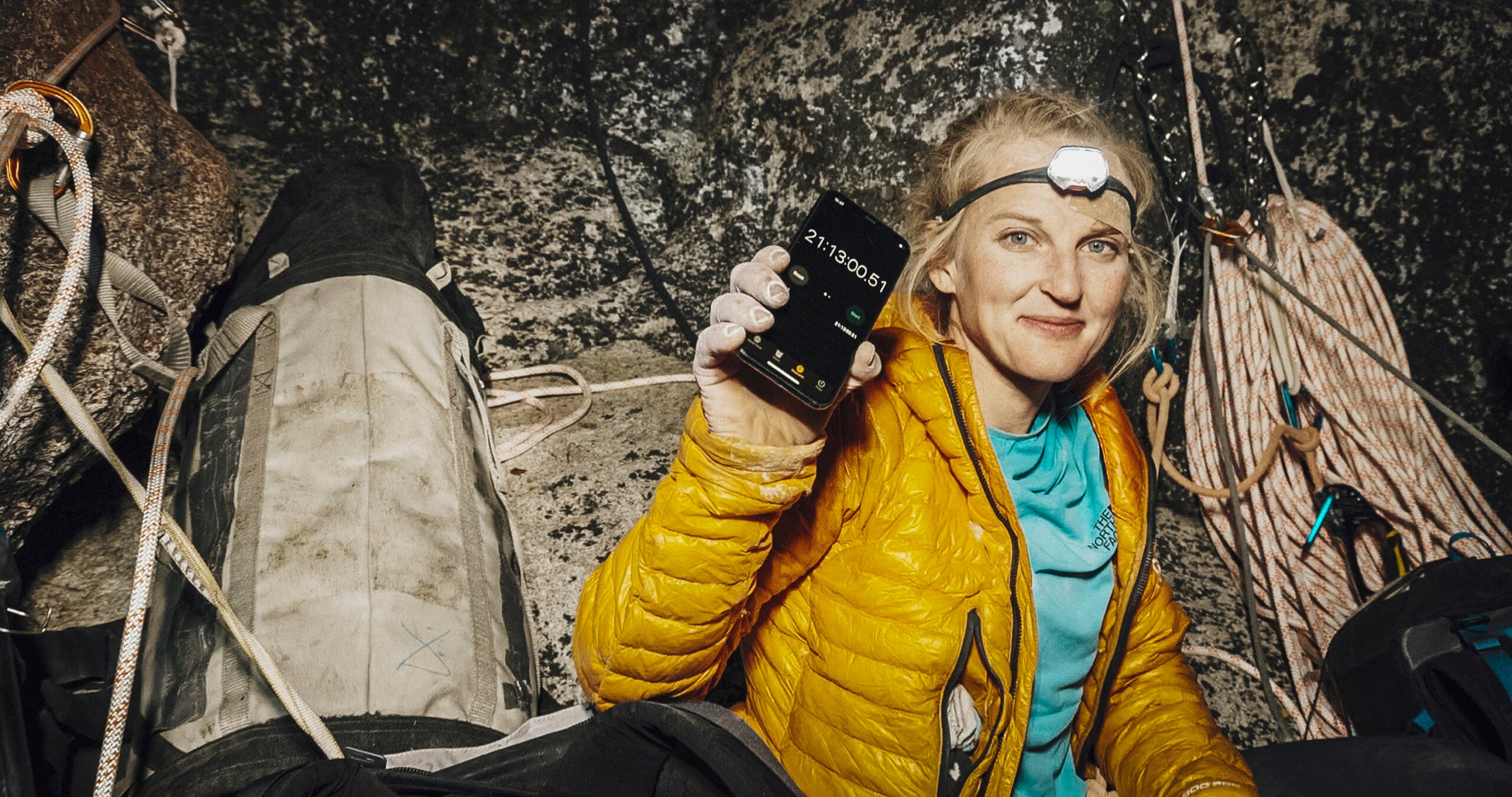
The breakthrough finally arrived on November 4, 2020. Harrington successfully completed the Golden Gate route in 21 hours, 13 minutes, and 51 seconds. However, victory did not come easily; the ascent included another terrifying fall high on the route that resulted in a deep gash to her forehead, capturing graphic, high-tension footage of the physical toll exacted by the mountain.
Life After the Summit: Loss and the Transition to Motherhood
Rather than concluding with a tidy, celebratory resolution, Girl Climber resists simple narratives about triumph. The film’s epilogue introduces a somber and reflective tone as Harrington discusses the tragic death of her friend, mentor, and fellow North Face team athlete, Hilaree Nelson. Nelson, a towering figure in ski mountaineering, died on September 26, 2022, at the age of 49. She perished while descending Nepal’s 26,781-foot peak Manaslu on skis shortly after reaching the summit, leaving behind two children.
When viewed in retrospect alongside Nelson’s death, Harrington’s severe accident, and her subsequent transition into motherhood, the historic triumph on El Capitan assumes a complex, multifaceted meaning. The binary definition of success is fundamentally altered.
Q&A: Emily Harrington on Vulnerability, Identity, and the Evolution of a Climber
In a recent interview, Emily Harrington reflected on the themes of Girl Climber, the realities of breaking demographic molds in outdoor sports, and the persistent societal questions she faces as a mother in an extreme discipline.
Through Netflix, Girl Climber is likely to reach audiences far beyond the traditional mountain sports community. What are you hoping the general public takes away from it?
Emily Harrington: I think people can see themselves in my story a little bit more than other films that put climbers on a pedestal, showing them as superhuman. Girl Climber is vulnerable, and it’s very honest, and it shows a lot about fear. I hope people relate to it in their own lives—that being scared is okay, being afraid of things is okay, trying hard is okay, and failing is okay. The film is about going through these massive life transitions, continuing to try hard, and continuing to find your way. It’s all part of being human on this journey of life. I hope they feel a connection to the film in that way, and some sort of inspiration or little kernel of wisdom that can be incorporated into their own lives.
And then I hope they learn a little bit more about climbing. Free Solo was the first film to introduce climbing to the mainstream, which is amazing, but also everyone now thinks that we climb without ropes. So I hope that they learn a little bit more about rock climbing and realize that it’s really diverse and you can experience it in all these different ways. Also, that it’s very much focused on partnership and trust. I think Girl Climber does a really good job of touching on that, on these forms of support, on leaning on your friends and your family, and tells this really beautiful story of friendship and partnership.
The film raises the question of whether achievement can become too central to identity. Did finishing Golden Gate actually quiet that drive in you?
That’s a really good question and something that I’m still learning. I had this idea in my brain that once I did Golden Gate, I would just feel satisfied. I’m realizing that there’s always going to be another project and another dream. There’s always going to be something to strive for.
I think if you allow it to completely consume you, to dictate who you are and how you feel about yourself and how you view the world, that can develop into a very unhealthy mentality. But I also think that it’s what enables great achievement in athletics and in everything: becoming obsessed and all-consumed. So it’s okay to be in that phase, to be completely career-obsessed or completely obsessed with your goals, for a period of time. But then, as humans, we evolve, and we change, and for me, the shift happened when I became a mother. I realized that there are these other things in life that I care so deeply about, and so I’m just a much more balanced human now.
Speaking of motherhood, you’ve had some people express disbelief that you’re “still climbing” after having a baby. What do you make of that reaction?
I get that question a lot when I do corporate speaking gigs. Someone will be like, "So you’re still doing it, huh?" At first, it seemed like a very strange question for me. As outdoor people, we kind of exist in this bubble where it’s just assumed that when you live an outdoor lifestyle, and you’re a climber or a skier, that’s who you are, and you do that for the rest of your life.
But as I’ve gotten that question more and more, I’ve started trying to unpack it in my own brain. I realized that there is still a large part of our culture that sees it as pretty black and white for women—that once you become a mom, you basically give up everything else that you’re doing. And I think because people assume that climbing entails so much risk—and they don’t really understand the nuances around different styles of climbing and how you can mitigate the risk—they just assume climbing is super dangerous. So why would you do it, especially as a mother?
I think it’s shifting. There are stories out there of women having children and continuing their athletic careers; there’s a wave of women going through this life transition into motherhood and continuing to do what they love. But we’re not all the way there yet.
What climbs are you most excited about right now?
I’m really excited about a local project here in Tahoe, a route called A Steep Climb Named Desire. It’s a 5.14, and I’ve been trying it on and off since I moved here 14 years ago. I honestly thought it was maybe too hard for me, or not for me, or whatever. But now I have this really fun group of stoked women who are trying it also, and I got really close last time. I’m sort of bummed that I have to leave and go to New York next week because the conditions are going to be really good.
I had an amazing summer climbing in the Eastern Sierra. We went to the Incredible Hulk for my birthday. I’m feeling really motivated and stoked to be doing bigger multi-pitch routes. I feel like I’m finally mentally able to wrap my brain around trying hard really high off the ground again. It took me a while to get over the fear and intimidation of trying hard up high, because it is scary and intimidating, and also because I think your brain definitely changes after having a baby.
Cultural Implications and Broader Impact
The arrival of Girl Climber on Netflix represents a significant milestone in how extreme sports documentaries intersect with broader cultural conversations surrounding gender, risk assessment, and professional longevity. By deliberately spotlighting the psychological barriers, physical vulnerabilities, and familial negotiations of an elite female athlete, the documentary challenges historic tropes common within adventure filmmaking.
Industry analysts note that traditional mountaineering narratives have frequently prioritized unalloyed heroism and conquest over internal conflict and domestic responsibilities. By contrast, Girl Climber embeds these domestic and internal realities into the central narrative arc. As female athletes increasingly balance high-risk disciplines with motherhood and career evolution, projects like Harrington’s document a vital cultural shift—one where elite achievement is no longer viewed as mutually exclusive from holistic personal development and human vulnerability.




 Chandra Hamzah
 Tatiana Tantri Indah Sari
 Budi Mulyono
 Lukman Taruna Persada Ramadan