
 Tatiana Tantri Indah Sari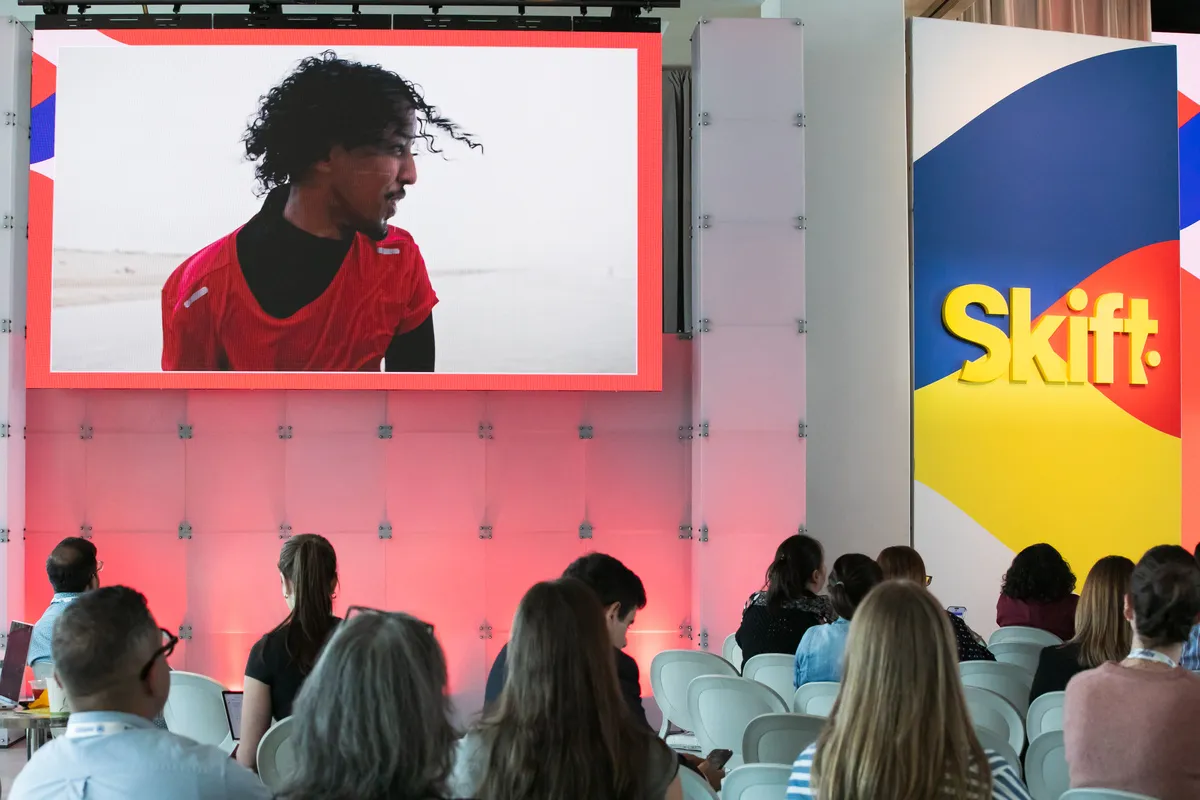
The intersection of digital content creation and the global travel industry has reached a critical inflection point, characterized by massive consumer demand yet plagued by unprecedented operational fragmentation. On September 22, senior-level executives, platform leaders, and top-tier content creators will converge behind closed doors for the Skift Creator Summit, presented by Meta. This exclusive, invitation-only working session aims to address a fundamental paradox currently defining modern travel marketing: creator-led demand is demonstrably driving bookings across every segment of the tourism sector, yet no single department within traditional travel organizations exercises end-to-end ownership over this lucrative funnel.
The structural dilemma facing modern travel brands is multifaceted. Traditional corporate silos have left marketing budgets and performance metrics scattered across disconnected entities. Brand marketing teams observe the initial spend, digital platforms track the click-through rates, affiliate networks manage the payouts, and independent creators maintain direct relationships with the audience. However, rarely does a single seat at the executive table capture the complete customer journey from an initial short-form video impression to a completed flight or hotel booking. The Skift Creator Summit has been specifically engineered to bridge these gaps, uniting disparate vantage points onto a single stage to establish cohesion within a rapidly evolving ecosystem.
Background Context and Event Architecture
The Skift Creator Summit breaks away from traditional conference models by prioritizing practical execution over theoretical speculation. Designed exclusively for operators who control budgets and drive measurable outcomes, the half-day event rejects passive listening in favor of participatory working sessions. Attendance is rigorously vetted, ensuring that seats are allocated strictly to professionals with budgetary authority and direct oversight of influencer, social, and content strategies.
Participants hail from a broad spectrum of the travel industry, including major online travel agencies (OTAs), global hotel chains, cruise line operators, and legacy commercial airlines, alongside the specialized agencies that orchestrate media buying on their behalf. By bringing together these key stakeholders alongside leading platform representatives and content creators, the summit creates a collaborative environment where industry leaders can compare operational notes, align disparate attribution models, and establish unified frameworks for creator-led commerce.
The Evolution of Creator-Led Demand in Travel
The rise of the creator economy within the travel sector represents a profound shift in consumer behavior. Historically, travel marketing relied heavily on traditional advertising channels, glossy print magazines, television commercials, and corporate-produced promotional videos. Over the past decade, however, consumer trust has migrated away from institutional messaging toward peer-to-peer recommendations. Creators—ranging from lifestyle vloggers and adventure photographers to niche cultural commentators—possess a unique currency: authentic engagement and profound audience trust.
Recent data underscores the economic weight of this shift. According to recent industry analyses, global creator marketing expenditures continue to expand at a double-digit compound annual growth rate, with the travel and tourism vertical emerging as one of the fastest-growing sectors for influencer investment. Consumers increasingly rely on platforms like Instagram, TikTok, and YouTube not merely for inspiration, but as active search engines for itinerary planning. Meta’s presentation partnership at the upcoming summit highlights the pivotal role that social media ecosystems play in translating passive video consumption into active commercial transactions.
Despite these promising metrics, travel brands have struggled to adapt their internal organizational charts to accommodate this shift. In many legacy hospitality and airline companies, influencer marketing remains an afterthought housed within public relations or lower-level social media management teams, detached from performance marketing, revenue management, and direct-to-consumer distribution channels. This structural disconnect has historically hindered accurate return-on-investment (ROI) calculations, making it difficult for chief marketing officers to justify scaling creator budgets to levels comparable with programmatic advertising or paid search.
Chronology and Roster Dynamics
The September 22 convening represents the culmination of months of strategic planning and industry consultation. Skift Research has played a foundational role in shaping the agenda, providing empirical data and proprietary market analysis to ground the discussions in verifiable economic realities. The agenda is structured to methodically deconstruct the creator-travel value chain, beginning with audience acquisition and moving through attribution, partnership structuring, and long-term customer lifetime value.
The confirmed roster reflects the complex ecosystem of creator-led travel demand. Rather than featuring generic keynote presentations, the sessions are designed as intimate executive roundtables. Operators from leading OTAs will discuss the challenges of integrating creator affiliate links into complex booking engines. Hotel executives will share case studies on how localized creator partnerships outperform traditional property photography in driving weekend occupancy rates. Meanwhile, top-tier creators will offer unfiltered perspectives on the operational friction they experience when collaborating with rigid corporate bureaucracies, shedding light on issues ranging from delayed contracting processes to unrealistic performance expectations.
Industry Analysis and Strategic Implications
The implications of the Skift Creator Summit extend far beyond a single afternoon of networking; they point toward a necessary structural evolution within travel corporate governance. As digital platforms increasingly blur the lines between content consumption and e-commerce—integrating native booking capabilities directly into social feeds—travel brands can no longer afford to treat creator marketing as an experimental side project.
Industry analysts suggest that the future of travel marketing will depend on the emergence of unified "creator operations" teams. These specialized units will bridge the gap between creative storytelling and hard attribution data, utilizing advanced tracking technologies to attribute bookings directly to individual pieces of content. By fostering direct dialogue between brands, platforms, and creators, events like the Skift Creator Summit accelerate the standardization of metrics, contracts, and compensation models across the industry.
Furthermore, the shift toward creator-led demand forces travel companies to rethink their product development and customer service strategies. When a creator highlights a specific local experience, hidden-gem restaurant, or unique hotel amenity, consumer expectations rise accordingly. Travel operators must ensure that the digital promises made by creators align seamlessly with the actual on-the-ground experience delivered to the traveler.
Conclusion and the Road Ahead
As the travel industry prepares to gather on September 22, the mandate for attendees is clear: move beyond theoretical admiration of the creator economy and build the operational infrastructure required to capture its full economic potential. By breaking down internal silos and bringing platform executives, brand marketers, and creators into the same closed room, the Skift Creator Summit serves as a vital laboratory for the future of travel commerce. For the operators fortunate enough to secure a seat at the table, the half-day working session offers an invaluable opportunity to map out the interconnected pathways of modern travel demand—and to claim ownership over the future of how the world explores.




 Anjar Salim
 Chandra Hamzah
 Budi Mulyono
 Lukman Taruna Persada Ramadan
