
 Susilo Edi Turonggo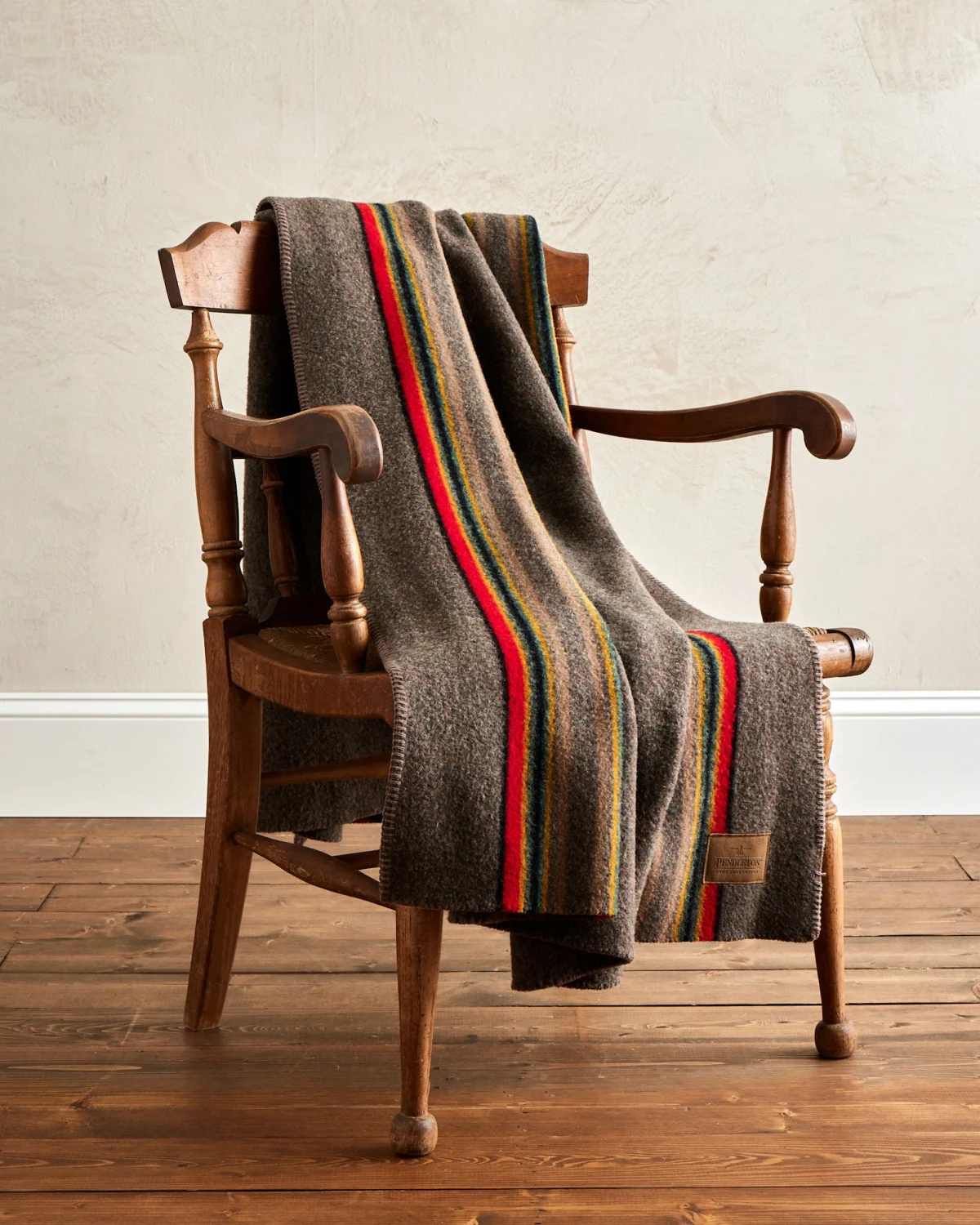
As temperatures plummet and the demand for seasonal home goods spikes, the textile industry faces increased scrutiny regarding the chemical composition and environmental footprint of cold-weather essentials. While blankets are a staple of winter comfort, industry data indicates that mass-market synthetic textiles often rely on intensive chemical processing. Consumers are increasingly pivoting toward sustainable alternatives, driven by concerns over indoor air quality, skin health, and the ethical implications of global supply chains. This shift has prompted a re-evaluation of how home textiles are sourced, manufactured, and distributed.
The Chemical Landscape of Modern Textiles
The primary concern regarding conventional blankets lies in the finishing process. Many synthetic throws, particularly those made from polyester or acrylic blends, are treated with azo-benzene disperse dyes. These chemicals are categorized as immuno-sensitizing, meaning they can trigger adverse skin reactions upon contact. Furthermore, these substances are not chemically bound to the fiber; they can leach into household dust, contributing to indoor air pollution. Research from environmental health agencies highlights that while these dyes are rarely ingested directly, the proximity of these materials to the human body during sleep presents a legitimate pathway for chemical exposure through dermal absorption and inhalation.
The industry response to these findings has been the adoption of standardized safety certifications. Third-party testing bodies such as Oeko-Tex and bluesign have become the gold standard for verifying that textiles are free from harmful concentrations of prohibited substances. Oeko-Tex Standard 100, for instance, tests for hundreds of regulated and non-regulated chemicals that could be harmful to human health. The growing demand for these certifications reflects a broader trend in the home goods market: consumers are no longer satisfied with aesthetic appeal alone; they require transparency regarding the life cycle of the product.
The Evolution of Sustainable Material Sourcing
The move away from synthetics is supported by a growing preference for natural, biodegradable fibers. Organic cotton, merino wool, alpaca, hemp, and Tencel—a regenerated cellulose fiber—have seen a surge in market share. Wool, in particular, offers a unique value proposition due to its natural properties. It is inherently flame-resistant, moisture-wicking, and anti-odor, which reduces the frequency of laundering. This longevity is a critical component of environmental sustainability; products that require less frequent washing and possess greater durability significantly lower their overall carbon and water footprint.
The timeline of this transition reflects a shift in consumer consciousness that began in the early 2010s, accelerating rapidly between 2018 and 2023. As public awareness of the environmental costs of "fast fashion" expanded into the "fast home" sector, brands began to disclose their supply chains. This evolution is now standard practice for companies operating in the premium home goods segment, where traceability is treated as a core competitive advantage.
Market Leaders and Ethical Manufacturing
A diverse group of manufacturers has emerged as leaders in this space, each employing different strategies to achieve sustainability.
Pendleton, a historic player in the American textile market, represents the longevity model. Operating two of the last remaining woolen mills in the United States, the company maintains a vertical supply chain that allows for strict quality control. By sourcing wool from local farmers and weaving patterns on traditional looms, Pendleton minimizes the logistical emissions associated with global shipping while preserving domestic craftsmanship.
Conversely, newer, digital-first brands like Minna and April Notes focus on the "made-to-order" model. By producing blankets in small batches or on demand, these companies address the systemic issue of overproduction, which accounts for a significant portion of textile waste globally. Minna, as a certified B Corporation, underscores the importance of social impact, providing transparency by listing the specific artisans behind their products. This shift toward "humanizing" the supply chain allows consumers to connect with the labor force responsible for their goods, moving beyond the anonymity that defines mass-market retail.
Comparative Analysis: Sustainability Certifications
The efficacy of these brands is often measured by their adherence to rigorous international standards. The Fair Trade USA and World Fair Trade Organization (WFTO) certifications serve as benchmarks for ethical labor practices. These organizations conduct regular audits of facilities in regions like India, Turkey, and Portugal to ensure that workers are paid living wages and operate in safe environments.
Data from the Sustainable Apparel Coalition suggests that companies adopting these certification frameworks experience higher consumer trust levels. The following table highlights the diversity of approaches among prominent brands:
| Brand | Primary Materials | Key Certifications |
|---|---|---|
| Pendleton | Wool, Cotton | Oeko-Tex |
| Minna | Alpaca, Merino | B Corp, Oeko-Tex |
| Avocado | Organic Cotton, Alpaca | B Corp, Oeko-Tex |
| Coyuchi | Organic Cotton | Fair Trade, GOTS |
| Boll & Branch | Organic Cotton | Fair Trade, Oeko-Tex |
Broader Economic and Environmental Implications
The implications of this shift are profound. By prioritizing durable materials, the industry is subtly fighting back against the "throwaway culture" that has dominated home decor for the last three decades. The environmental impact of shifting from plastic-based polyester blankets to natural fibers is measurable. Polyester is derived from petroleum, and its production is energy-intensive, whereas organic cotton and wool are renewable resources. While the upfront cost of these sustainable alternatives is higher—often ranging from $100 to over $500—the cost-per-use over a decade is significantly lower than that of a synthetic throw that may degrade or lose its structural integrity within a few seasons.
Furthermore, the integration of regenerative agriculture in the wool supply chain—a practice championed by some of the brands listed—has the potential to sequester carbon. When wool is sourced from farms utilizing holistic grazing management, the blanket itself becomes a product of a carbon-negative system. This represents the next frontier for the home textile industry: moving beyond "doing less harm" to "creating a positive impact."
Regulatory and Future Outlook
As global regulations regarding chemical disclosure tighten, particularly in the European Union and parts of North America, the voluntary transparency currently practiced by these brands will likely become a baseline requirement for all market participants. The "Right to Repair" and "Circular Economy" initiatives are already influencing how textile manufacturers think about product end-of-life. We are seeing a move toward take-back programs and fiber-to-fiber recycling, where old blankets are processed into new yarns, effectively closing the loop.
For the modern consumer, the process of selecting a blanket has become an exercise in value-based purchasing. By examining labels for certifications, researching the origin of the fibers, and investing in brands that provide full supply chain disclosure, consumers are casting a vote for a more transparent and less toxic future. Whether it is the traditional weaving of a Pendleton piece, the minimalist design of a Minna throw, or the organic simplicity of a Coyuchi blanket, the products chosen for our homes are increasingly becoming reflections of our environmental and ethical commitments.
In conclusion, the winter blanket industry is currently undergoing a structural transformation. The move toward natural materials and rigorous, third-party verified ethical standards is not merely a marketing trend but a necessary adjustment to consumer demand for safer, more durable, and transparently sourced goods. As this market continues to mature, the distinction between "luxury" and "sustainable" is blurring, suggesting that in the near future, the most premium product on the market will be the one that is most responsible.



 Anjar Salim
 Chandra Hamzah
 Tatiana Tantri Indah Sari
 Budi Mulyono
 Lukman Taruna Persada Ramadan
